
Home / Service Areas / Bojon Town
Commercial Roofing in Bojon Town, Pueblo, CO
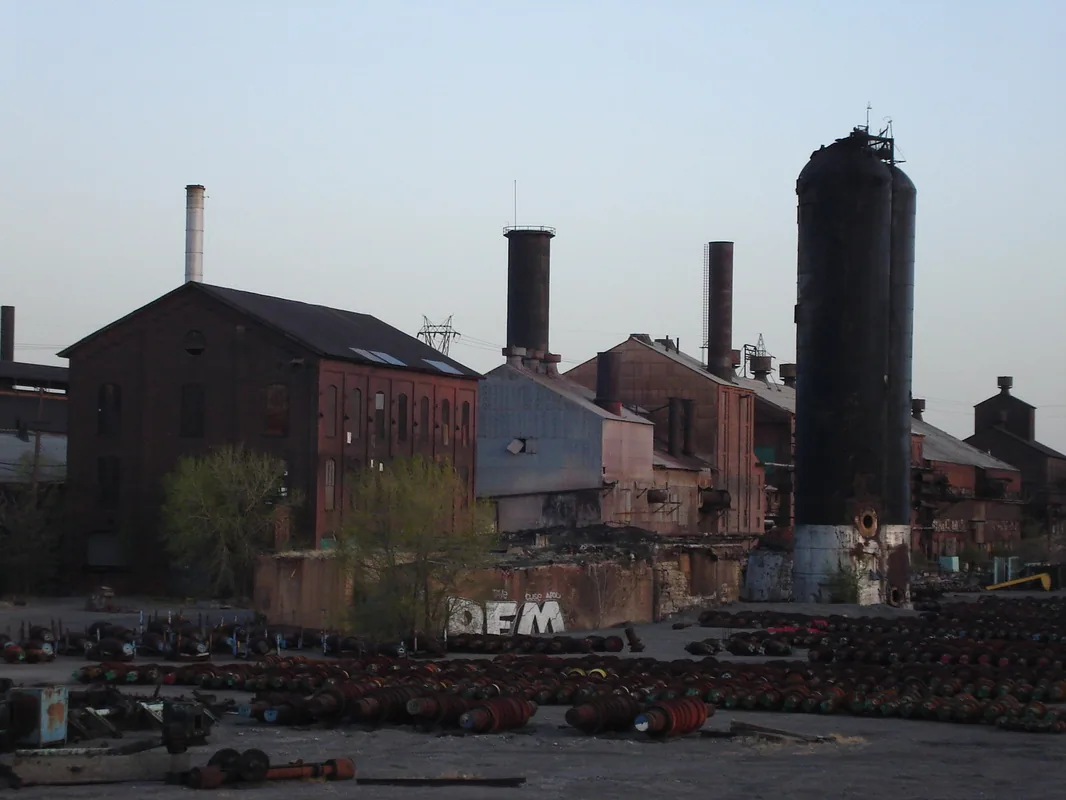
Coordinate commercial roofing in Bojon Town with a measured roof walk, corridor-specific access plan, and repair scope based on field conditions.
Bojon Town forms part of Pueblo’s Colorado Smelter revitalization area, which includes Eilers Heights. Northern Avenue and Santa Fe Avenue/Drive are identified as commercial and industrial corridors serving the surrounding area. Those corridors provide a practical way to orient a roofing visit, but they do not establish the occupancy or roof material of any individual property. We confirm the building, its access, and the field condition before defining a repair or replacement scope.
A project near an active commercial or industrial corridor needs a clear route for deliveries, lift setup, and building access. The property contact confirms the actual entrance, where material can be staged, and which interior areas require protection. We mark the roof zones, drains, curbs, and edges, then set a sequence that secures each area before the crew leaves. Pueblo’s seasonal temperature range also affects sealants, adhesives, and the daily work window.
What should the roof walk document?
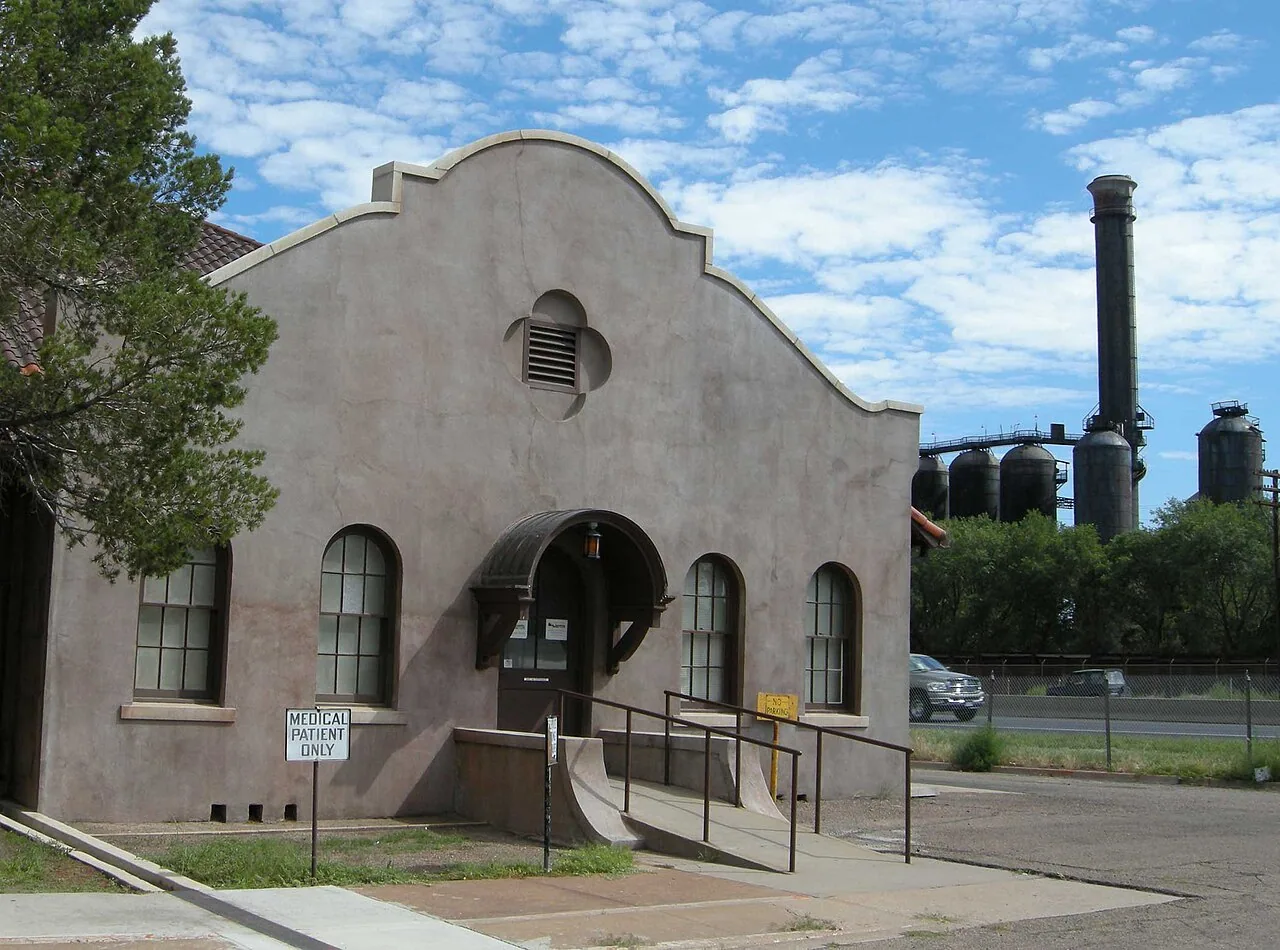
Start with the reported leak or visible defect and inspect the surrounding roof section. We check membrane or metal condition, seams, flashing, penetrations, drainage, and previous repairs. If the roof meets a wall or equipment curb, document the tie-in and the access needed to repair it. Mark areas that cannot be inspected without opening material or moving equipment. That gives the owner a clear distinction between observed damage and a follow-up test.
A commercial roof inspection maps visible conditions and images. For active water, leak tracing follows the likely route through the roof assembly instead of relying on an interior mark alone. A condition report helps separate immediate repairs from later maintenance and identifies limits of the walk.
Eilers Heights is a historic mixed-use area within the broader Bojon Town setting. The owner or site contact confirms the current property use and building access before we set a work sequence. We confirm the current operation, equipment, and occupant schedule directly. If the building includes residential or business space below the roof, agree on interior protection, notice, and a watertight stop point before opening the assembly.
How are repair choices tied to the assembly?
A puncture or isolated flashing defect may be repairable where adjoining membrane and substrate are sound. Multiple failed seams, wet insulation, poor attachment, or deck damage can support a larger evaluation. We check the layers, drainage, and details before comparing patch, recover, coating, and replacement. If the roof reveals another layer or hidden damage, the crew stops, protects the opening, and provides the owner with a separate scope for review.
For a metal roof, standing-seam review checks panel joints, fasteners, clips, and transitions. A recover-or-removal evaluation examines moisture, existing layers, attachment capacity, and drainage before material is added. For an aged coating or membrane surface, restoration review only proceeds when adhesion and substrate condition support it. A new surface does not correct a structural or drainage failure.
Pueblo’s August normal high is 90.2°F, and its January mean low is 15.4°F. That span makes surface temperature and cold-weather sealant performance worth checking when scheduling work along Santa Fe Avenue or Northern Avenue. Current conditions decide whether a product can be installed and cured as specified. We also review drainage and edge transitions before forecast runoff, then keep every opened area protected until the next shift.
How do corridor operations affect the work sequence?
The project lead confirms whether a delivery may use Northern Avenue or Santa Fe Avenue/Drive and which entrance actually reaches the roof area. Those are city-identified corridors, not a promise about driveway clearance or truck access at a given parcel. We mark gate dimensions, lift setup, vehicle movement, pedestrian paths, and the laydown area before equipment is reserved. A delivery route that blocks a business or active service area needs another time or staging point.
For larger work, phase removal so each zone can be completed and made watertight during the approved access window. Coordinate penetrations, curbs, and mechanical work before installing tie-ins. If a weather delay or production need shifts the schedule, communicate which roof sections are secure, where temporary protection remains, and who approves the next zone. The closeout identifies the person receiving status updates and the process for reviewing concealed conditions.
Properties in the broader revitalization area may be served by different access routes. A commercial roof walk in Eilers Heights focuses on its own site, while The Grove roof assessment has separate property coordination. We maintain distinct roof maps and operational notes even when the planning area includes neighboring districts.
A useful access plan answers more than where a truck parks. It names how materials move from the laydown point to the roof, which areas below require protection, how the crew will keep drains and pathways clear, and who checks temporary coverings at shift end. If the property is operating during removal, define the boundary that keeps employees, customers, and equipment away from overhead work. We review those details with the site lead before scheduling the delivery so the roof sequence matches the building’s day.
When another trade needs to open a curb or move equipment, agree on who restores the membrane and who inspects the tie-in. Put that handoff in the daily sequence, then photograph the finished detail before it is covered or returned to service. A mixed-use schedule also needs a contact for customer access and a person who can approve work outside normal hours.
What should the owner see in the closeout?
Before a system change, the project team verifies which authority reviews the parcel and whether current amendments affect the design. Before changing the roof assembly, confirm the parcel’s plan-review authority and current code requirements. That check informs attachment, insulation, or drainage details, while the roof survey records existing layers and field conditions. Keep both inputs visible in the proposal.
At closeout, inspect repaired edges, seams, flashing, and drains against the approved roof plan. Photograph the finished tie-ins and record areas outside the boundary, including any portion that could not be accessed. If hidden deterioration altered the scope, include the approval and revised work limits. The property contact receives a clear record of completed repairs and separate follow-up items.
A maintenance visit can check roof transitions and drainage after the project. If an owner manages several industrial or commercial properties, capital planning can sequence next steps from inspected conditions. The record should name who will schedule future access and who can respond to a new leak report.
Commercial Roofing Questions
What uses are part of the Bojon Town area?
No. Northern Avenue and Santa Fe Avenue/Drive are recognized commercial and industrial corridors, while Eilers Heights is part of a broader mixed-use area. We verify the actual property use and roof assembly on site.
What should be ready before a crew arrives near the corridors?
Confirm which entrance and delivery route are approved, where equipment can set up, and which business or pedestrian paths must remain open. We put those controls into the work sequence before mobilization.
Can an existing roof receive another layer?
Only if layer count, moisture, attachment, substrate, drainage, and applicable requirements support it. We inspect those conditions and compare recover with removal before recommending a new assembly.
How do you handle a discovered hidden defect?
We stop at the affected zone, protect the building, photograph the condition, and provide a separate scope. The owner reviews the change before the crew continues beyond the approved boundary. The approval also updates the work order. before work resumes. onsite.

Arrange a Bojon Town roof inspection
Share the property’s corridor, access route, operating window, and known roof issues. We will inspect the assembly, mark the work boundary, and coordinate deliveries with your project lead.
Call 555-555-5555 or email [email protected].