
Home / Service Areas / The Grove Neighborhood
Commercial Roofing in The Grove Neighborhood, Pueblo, CO
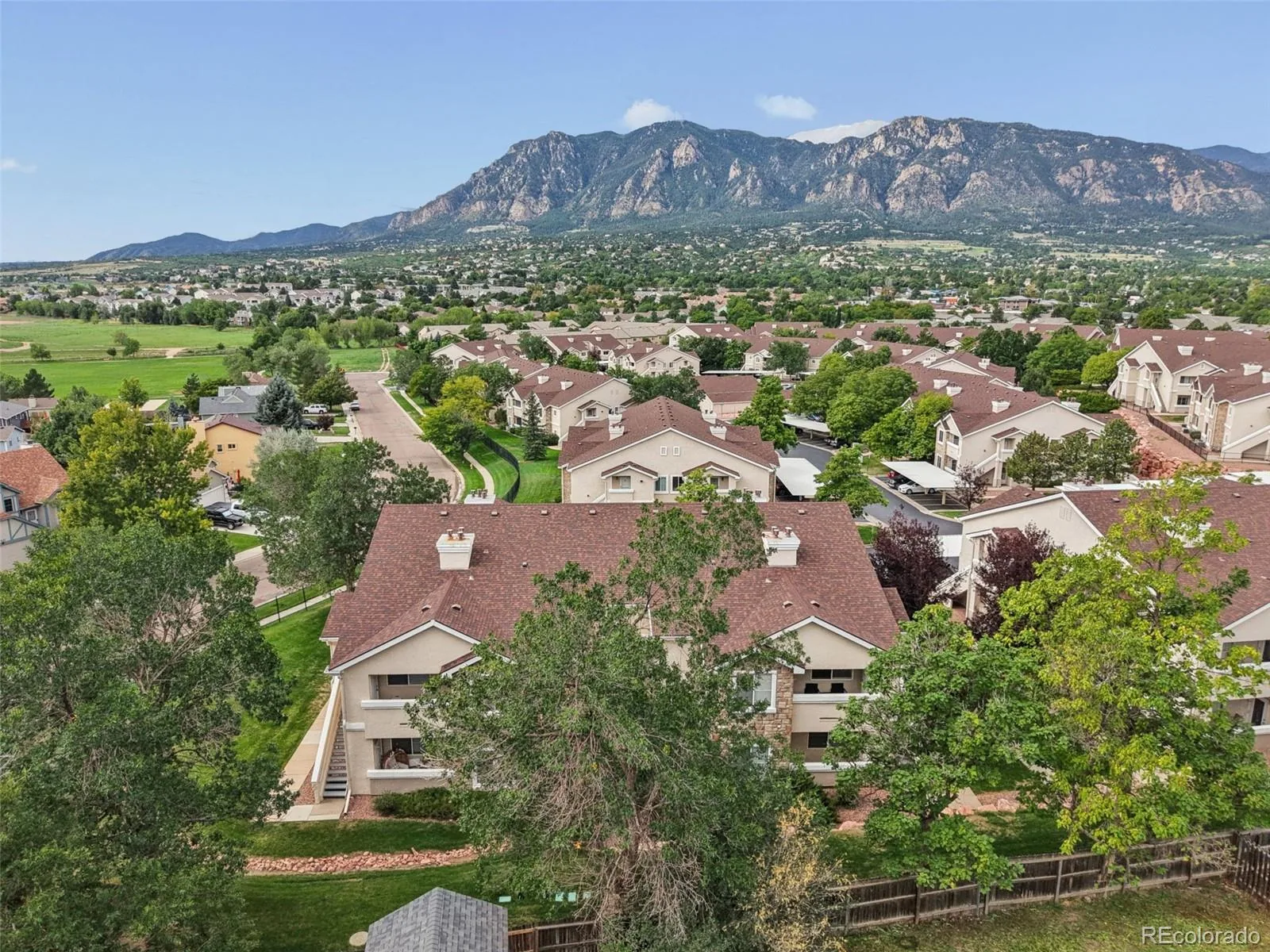
Plan commercial roof work in The Grove with a property-level survey, documented access, and a measured repair boundary for active buildings.
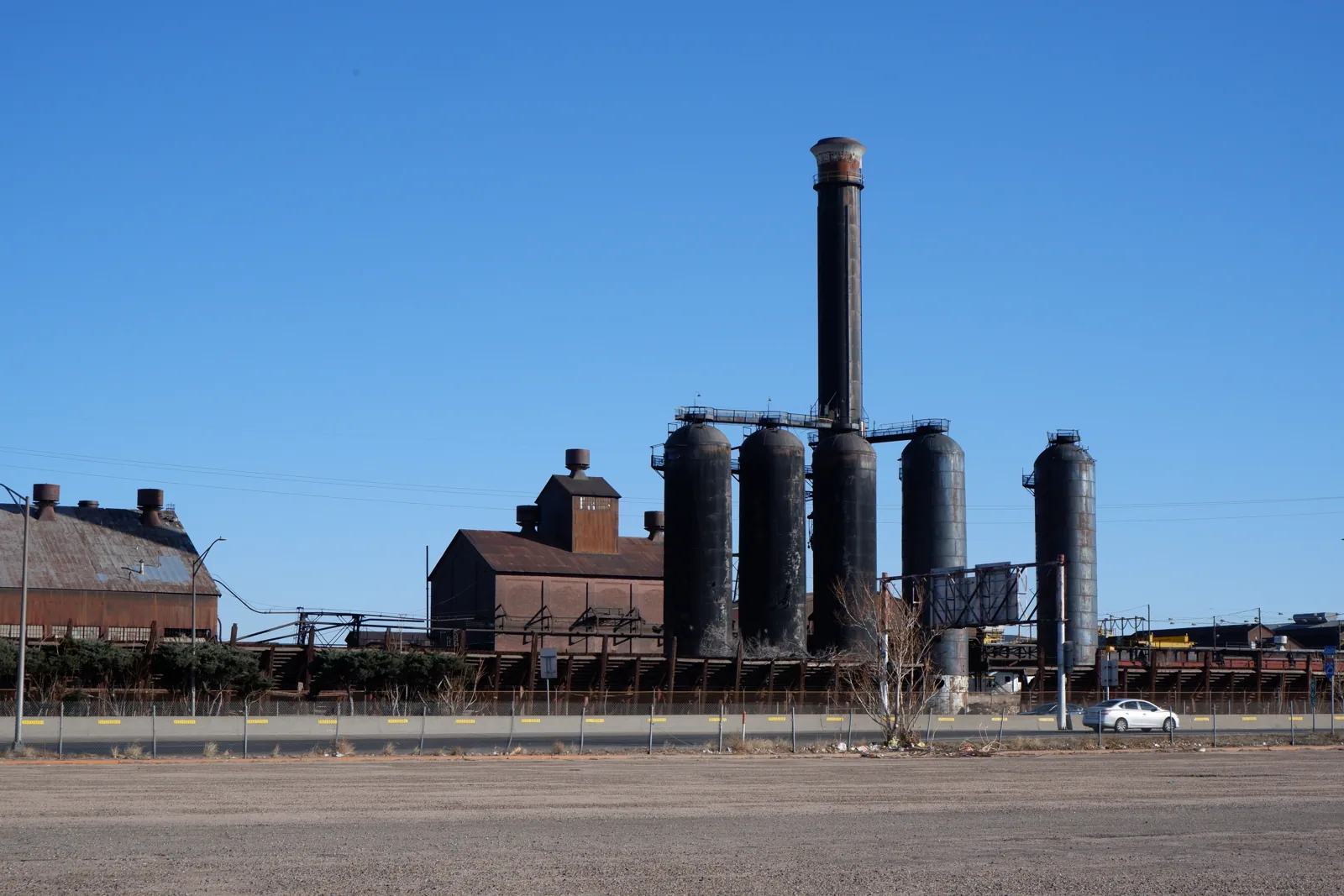
The Grove is part of Pueblo’s Colorado Smelter revitalization area alongside Bessemer and Eilers Heights/Bojon Town. The revitalization effort focuses on connectivity and cultural heritage, thriving neighborhoods, and vibrant commercial activity. That neighborhood context makes a property-level check of current occupancy, roof access, and building use important before setting the work sequence. For commercial roofing, the work begins at the specific active property: its roof assembly, access, occupant needs, and any reported leak or deterioration.
We verify the building and service boundary before staging. The property contact identifies entrances, delivery routes, roof access, and areas below the work that need protection. A roof map records drains, transitions, penetrations, and visible repair history. Pueblo’s hot summer readings and cold-season water paths also affect when a section can be opened and what details need attention before the next weather change.
What does the inspection record?
We start with the roof zone tied to the owner’s concern and inspect adjoining details before drawing a repair line. Check the membrane or metal surface, seams, flashing, curbs, drains, edges, and any previous patch. Note equipment or access conditions that limit the walk. If moisture or substrate cannot be confirmed from the surface, mark where an opening or follow-up test would change the recommendation. The report should show both the finding and the limit of what was inspected.
A commercial roof inspection ties photographs to roof areas. For an active leak, we compare the interior report with the roof’s drains, seams, and transitions before marking the probable source. A leak repair inspection can trace those details, while a condition report separates observed defects from areas still needing access.
For an operating Grove property, the site lead confirms business hours, deliveries, resident routes, and interior areas that need protection. If a local partner controls an access approval, we include that contact in the roofing sequence before opening a roof zone. The work sequence names who can release each roof zone and who approves a changed boundary after concealed damage appears.
How should repair and replacement options be compared?
A seam opening or flashing failure can be localized if adjoining material and substrate are sound. Repeated failure, wet insulation, poor attachment, or deck deterioration may require a larger scope. We inspect the layer stack, drainage, and perimeter details before comparing repair, recover, coating, or replacement. If an opening finds a different assembly than expected, stop, secure the section, photograph it, and price the additional work separately.
For a single-ply roof, TPO system review looks at the sheet, seams, penetrations, and tie-ins. A recover assessment checks moisture, layer count, attachment, drainage, and permit requirements before another assembly is considered. A coating can be considered only on a compatible dry surface and sound substrate. It does not fix a failed deck or blocked drainage.
Pueblo’s August average high is 90.2°F and its average January low is 15.4°F. That seasonal range affects material handling and transition checks; the current roof reading and forecast determine whether a section can be opened.
How does a revitalization area affect roofing logistics?
The Grove revitalization priorities include neighborhood connectivity, cultural heritage, and commercial activity. That makes clear coordination useful, but it does not specify construction controls for an individual parcel. We confirm the property’s access permission, available staging, delivery window, and any nearby community activity that affects a route. If a public path or shared entrance touches the work area, agree on barriers and an alternate route before a lift arrives.
For a multi-day job, phase removal so every opened area can be secured before shift end. Keep the daily boundary visible, preserve drain access, and identify which contact receives a status update. If another trade changes a penetration or equipment curb, inspect the tie-in before covering it. A weather hold should leave a documented stop point and protection plan, not a roof section that staff assume is finished.
Other neighborhoods in the revitalization area require their own roof walk. A Bessemer roof assessment and an Eilers Heights and Bojon Town survey reflect separate properties and access paths. Their inclusion in the same plan does not mean they share a roof system or scope. We keep the Grove’s roof map and partner contacts tied to the building being reviewed.
Before selecting a roofing day, identify which representative can make an access decision and how quickly that person can respond to photographs from an opening. Confirm whether materials can remain on site overnight, where temporary protection can be checked, and who should receive a weather delay. These details are especially useful when the building contact and the planning-area partner are different people. We put the approved contact and sequence in the work notes used by the crew, keeping public copy focused on the property and the roof.
If the roof contains several independent areas, mark whether all are included in the work order or only the zone with confirmed damage. That distinction protects the owner from treating a limited repair as a full condition review.
When the scope affects a shared walkway or service entrance, mark the protected route before bringing tools or debris through the area. The owner can identify delivery hours and any nearby activity that must continue. We set a daily work limit that keeps the roof watertight and leaves the agreed ground route available when the crew leaves.
What should the final record include?
Before an assembly change, confirm the parcel’s permit reviewer and applicable amendments. Before detailing a Grove roof alteration, the owner verifies which building department reviews the parcel and which code amendments affect insulation, attachment, or drainage. That review can affect insulation, drainage, or attachment, but the roof inspection establishes existing layers and substrate. If community or historic review is relevant, the property team coordinates it before removal starts.
Closeout checks repaired seams and flashing, confirms drains are clear, and photographs tie-ins against the zone map. List any inaccessible or excluded area and record temporary protection that remains. If an opening revealed more layers or damage than expected, preserve the owner’s approval and revised work limits. The property team should know what was completed, what remains, and which contact will receive follow-up photos.
A maintenance inspection can revisit drains and vulnerable transitions on an agreed schedule. A capital plan can use verified findings to order future work. For a wider property portfolio, multi-site roof tracking can keep the records distinct while providing a shared view of priorities.
Commercial Roofing Questions
Does the revitalization plan confirm which properties in The Grove are commercial?
The revitalization effort supports vibrant commercial activity; the property contact confirms current tenants and building use. We confirm the property’s occupancy, ownership, and roof assembly before preparing a commercial work scope.
Who coordinates access for a roof project in the planning area?
The current property contact confirms entry, staging, and any additional approval required for access. We record the route, the person authorized to release each zone, and the contact who receives daily status.
Can a roof be coated as part of revitalization work?
Only if the assembly is compatible, dry, well-adhered, and draining properly. We inspect substrate and surface condition first, then compare coating with repair or removal if the roof needs more than surface restoration.
What if neighborhood coordination changes the work window?
We secure the active roof zone, record the stop point, and confirm a new access window with the property lead. Material staging and the next crew sequence are updated before work resumes.
Arrange a Grove commercial roof survey
Provide the property contact, operating schedule, access route, and available roof records. We will inspect field conditions, mark the work boundary, and coordinate the sequence with your project lead.
Call 555-555-5555 or email [email protected].