
Home / Roof Systems
Roof Systems in Pueblo, CO
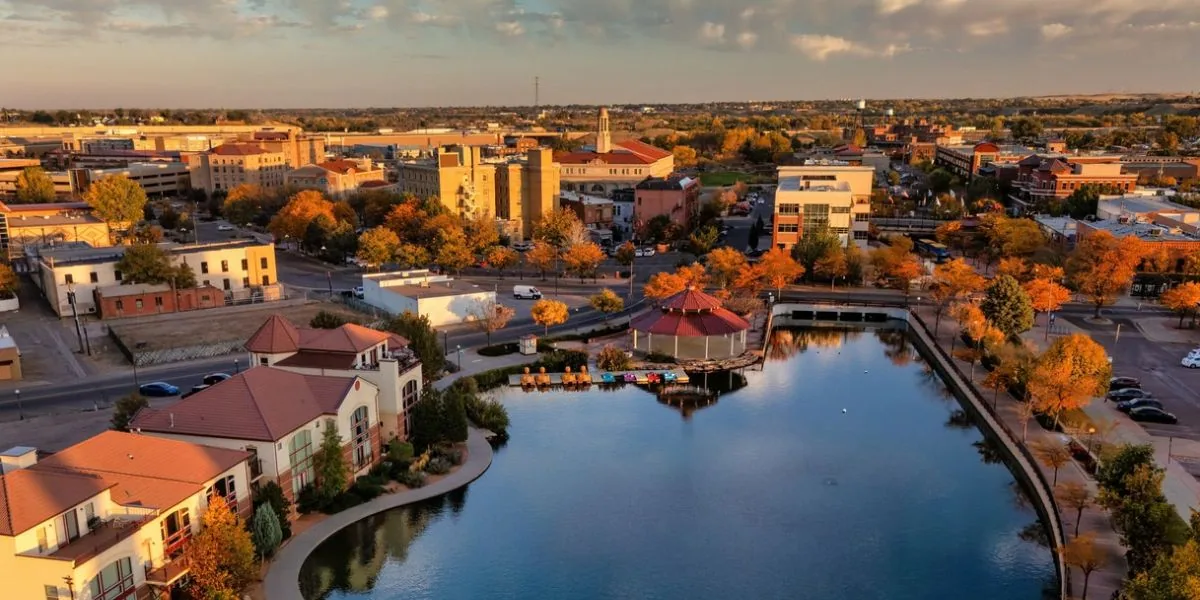
Compare low-slope and metal roofing systems for commercial buildings in Pueblo, CO. We match repair and replacement options to measured conditions.
A roof-system choice starts with the assembly already on the building. We inspect its field membrane or panels, attachment, insulation, seams, edges, penetrations, and drainage before discussing a recover or replacement. Pueblo’s average January low is 15.4°F, compared with an average April low of 35.3°F. That seasonal shift can affect sealant and flashing work; we check the roof surface and current forecast before an exposed zone is opened.
Industrial activity spans rail-served areas such as St. Charles Industrial Park and airport development sites beside US 50. The site contact confirms equipment, access, and delivery sequence; the roof walk identifies the assembly in place. The roof walk supplies that evidence.
What does the existing assembly tell us?
Layer count, wet insulation, fastener condition, deck support, and previous repairs determine whether an existing system can remain. Our roof inspection maps those conditions by zone. When moisture is suspected but not visible, an infrared survey can guide follow-up checks; a test opening confirms layers where needed. We keep observed facts distinct from areas that have not been opened.
Drainage is part of the assembly, not a separate finish. A ponding-water assessment checks low areas, drain height, overflow, and the path to discharge. Roof geometry and substrate condition determine whether slope correction, drain work, or another measure belongs in the project.
How do membrane options differ?
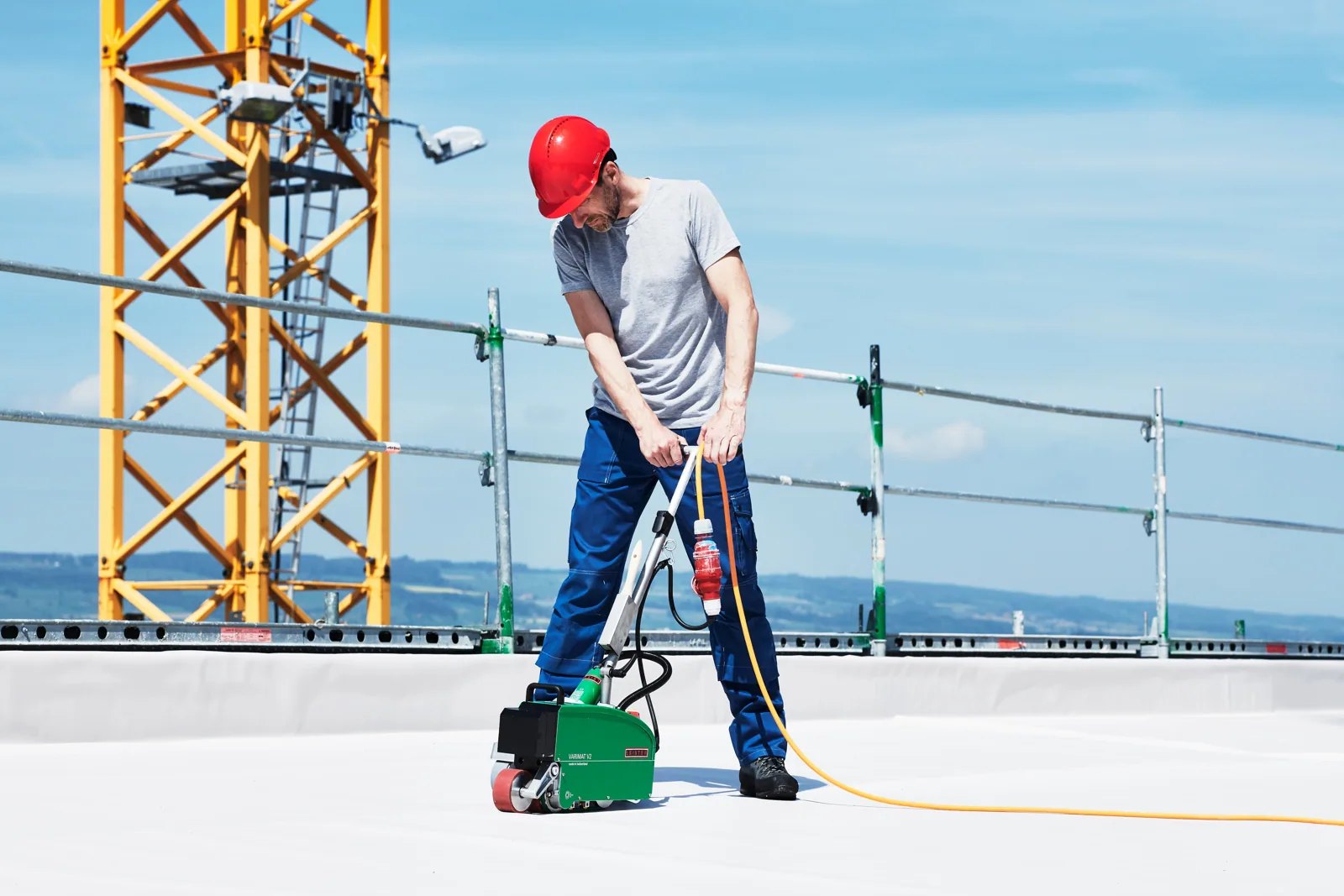
TPO and PVC are heat-welded single-ply membranes, but compatibility, detailing, attachment, and the work environment still matter. EPDM uses a different seam and flashing approach. For an older multi-layer roof, modified bitumen or built-up construction may remain serviceable, or inspection may point toward removal. We compare the conditions at seams, curbs, drains, and tie-ins rather than selecting by label alone.
A metal building calls for a different check. Panel movement, fasteners, framing, corrosion, and perimeter transitions affect a retrofit decision. A new membrane over an incompatible or wet assembly does not solve the source condition; the substrate and drainage need to support the proposed system.
Which weather details affect the work window?
Heat can affect membrane handling and adhesive limits; snowfall and freeze-thaw expose weak seams, flashing, and drainage. We measure roof-surface and substrate conditions and follow product requirements before opening a zone. For snow-load questions, we review the building’s structural information and applicable design criteria alongside observed roof conditions.
Permit authority also matters when insulation, attachment, or drainage changes. For a roof alteration reviewed locally, confirm which building department handles the parcel and what amendments apply. Before attachment, insulation, or drainage details are set, confirm the parcel’s review authority, current code editions, and amendments. That review does not replace inspection of existing layers.
What should the system recommendation include?
A useful comparison states what will be removed, retained, repaired, or covered. It identifies substrate assumptions, edge and penetration details, drainage work, access windows, and the stop point for concealed conditions. A recover assessment or replacement scope should make those boundaries visible to the owner and project lead.
After installation, zone photographs and a closeout inspection show completed tie-ins and any item left for another decision. A roof-system review should leave the facilities team with a clear assembly description and maintenance points that can be checked later.
Commercial Roofing Questions
Can the existing roof be covered with a new membrane?
A recover is considered only after layer count, moisture, attachment, deck, and drainage are checked. If the assembly cannot support another layer, removal and a sound substrate may be necessary.
Does TPO or PVC perform better in Pueblo?
The roof’s exposure, substrate, tie-ins, detailing, and project requirements determine fit. We compare compatible assemblies against field conditions and product limits rather than selecting from the material name alone.
How do you check suspected wet insulation?
We map visible symptoms and may use infrared readings to identify areas for verification. A test opening confirms the layer condition before the proposal treats concealed material as known.
What is included when a system is changed?
The scope identifies removal or retention, insulation, attachment, edges, penetrations, drainage, access, and closeout. Permit requirements and field findings are both reviewed before materials are ordered.
Roof Systems
-
Commercial TPO Roofing
Install, repair, and inspect Pueblo TPO roofs with attention to weld quality, insulation, drainage, perimeter attachment, and safe work sequencing.
-
Commercial PVC Roofing
Evaluate Pueblo PVC roofing for commercial buildings with attention to chemical exposure, welded seams, flashing, drainage, and maintenance access.
-
Commercial EPDM Roofing
Repair or replace Pueblo EPDM roofs with attention to seam adhesion, flashing transitions, puncture exposure, insulation, drainage, and maintenance.
-
Commercial KEE Roofing
Review Pueblo KEE roofing for commercial facilities with attention to membrane exposure, welded details, attachment, drainage, and roof access.
-
Modified Bitumen Roofing
Inspect and repair Pueblo modified bitumen roofs with attention to cap sheets, laps, flashing, drainage, surface condition, and safe application methods.
-
Commercial Built-Up Roofing
Assess Pueblo built-up roofs for ply separation, surfacing loss, drainage, flashing, and insulation conditions before repair or replacement.
-
Commercial Standing Seam Metal Roofing
Inspect and install Pueblo standing seam roofs with attention to panel movement, clips, endlaps, penetrations, drainage, and attachment details.
-
Commercial Metal Roof Retrofit
Evaluate Pueblo exposed-fastener metal roofs for retrofit with attention to fasteners, panel laps, substrate, insulation, drainage, and edge details.
-
Commercial Spray Foam Roofing
Inspect and restore Pueblo spray foam roofs by checking foam adhesion, thickness, drainage, protective coating, penetrations, and exposed damage.
-
Commercial Silicone Roof Coatings
Evaluate Pueblo silicone roof coatings by checking substrate, adhesion, ponding, repairs, flashing, coating thickness, and application conditions.
-
Commercial Acrylic Roof Coatings
Assess Pueblo acrylic roof coatings by checking substrate compatibility, seam repairs, ponding, weather windows, application thickness, and maintenance.

Compare assemblies against the roof in place
Arrange a roof walk with available plans, repairs, and access constraints. We will map conditions and explain the system options that fit.
Call 555-555-5555 or email [email protected].