Home / Industries We Serve / Logistics and 3PL Operators
Commercial Roofing for Logistics and 3PL Operators in Pueblo, CO
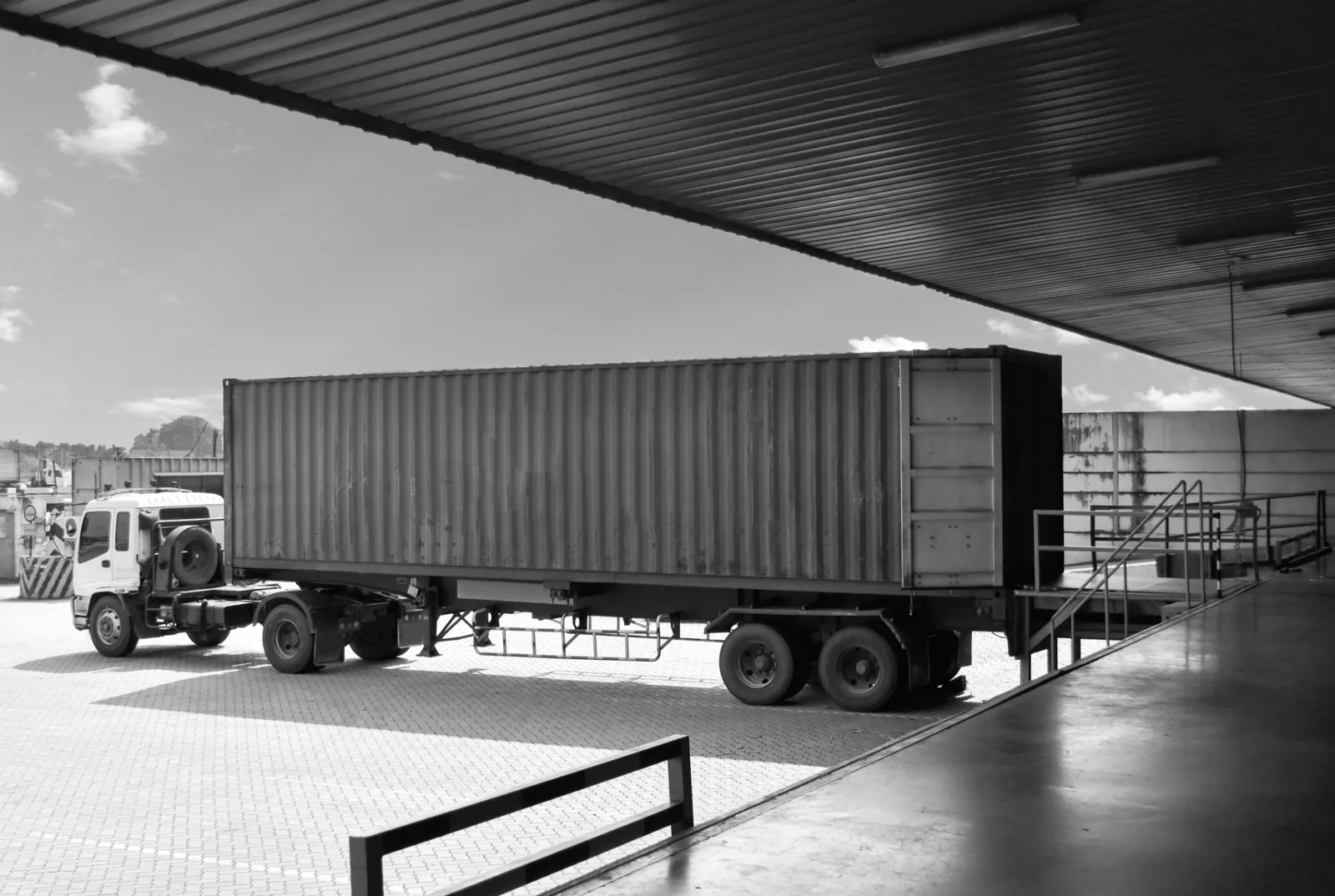
Coordinate distribution roof repair in Pueblo, CO around dock schedules, trailer circulation, receiving windows, drainage, and a dry-in plan for each shift.
A roofing delivery that blocks a dock can disrupt outbound loads before the crew reaches the roof. We map the material route, active doors, trailer circulation, and work zone with the operations lead, then inspect the assembly above the reported issue. The scope states which dock or storage area sits below the work, how protection will be maintained, and where roofing stops for the shift. Those details let a 3PL team review the sequence against its shipping plan.
Pueblo’s St. Charles Industrial Park is rail-served and linked to I-25, while Pueblo Memorial Airport industrial sites sit adjacent to US 50 and have direct taxiway connections. PuebloPlex is planned for warehousing, manufacturing, rail-related, and technology uses. A 3PL building still needs its own dock, gate, and roof-access review. We confirm load times, yard rules, and staging with the operator before pricing work or reserving equipment.
Which warehouse movements must stay clear?
Identify receiving peaks, outbound cutoffs, yard tractor routes, pedestrian crossings, and emergency lanes before setting a crane or container. A roof team may need a single dock door for material delivery or a safe route for debris removal. The distribution manager confirms which doors can be temporarily restricted, and we plan the roof zone so active shipping can continue where it is safe. A work plan should state its ground-level footprint as clearly as its roof boundary.
Phased roof work can keep removal and installation within zones that can be closed on schedule. For a leak during a shipping peak, temporary stabilization can protect the building while a permanent repair is reviewed. A condition inspection can map drains, seams, and equipment transitions before the operations team commits to a larger shutdown. Decide who can approve a dock restriction and who receives a weather update; do not rely on a driver or tenant to set the project boundary.
How can a roof leak affect inventory and picking?
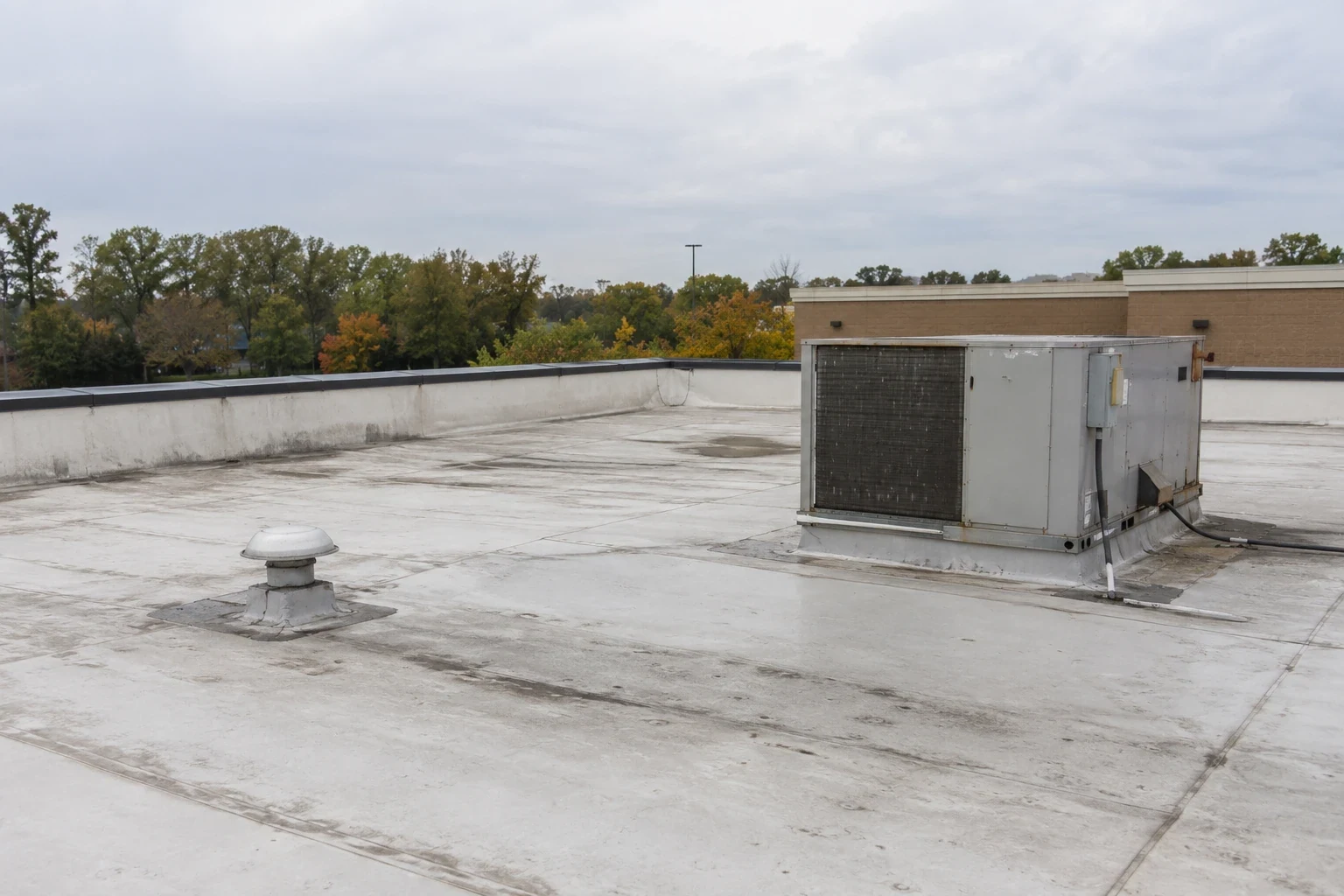
Water above a rack, conveyor, or packing line can affect product handling even if the interior mark is small. We inspect the roof above the reported zone, trace likely movement across slope and insulation, and note whether a drain, seam, curb, or wall detail is involved. If the roof has several additions, label their systems separately; one section may not drain or tie into the next in the same way.
A roof inspection can record visible conditions and recommend a limited verification opening if concealed material affects the decision. If a confirmed drain problem is holding water, outlet repair can be separated from membrane work. Logistics properties also have roof-mounted fans and supports; coordinate those with a curb and support review before equipment is moved. Keep the product or interior protection plan with the facility team and roofing access plan with the project lead.
Before materials arrive, agree where inventory can move if an active opening needs temporary protection. Keep the response area clear of pick paths and separate roof access from product-handling routes. The operator controls any product relocation; the roofing scope records the affected roof zone and the protection boundary.
When should the operator compare roof renewal?
A localized puncture, seam separation, or curb defect may be repaired if the surrounding system remains stable. Multiple leak locations, recurring wet insulation, failing attachment, or widespread edge damage may call for a replacement comparison. We check material, deck indicators, drainage, and the boundaries between roof sections, then show the quantities and operational impacts of each option. A dock schedule does not determine roof condition, but it does change how work can be phased.
A scoped repair identifies the measured defect and tie-in. If the facility needs broader renewal, a replacement plan can detail removal, insulation, membrane, drainage, and a sequence by shipping area. An overlay should be considered only after verifying the existing assembly and substrate. If concealed damage appears after opening, document it and seek approval before closing additional roof area or altering the planned dock window.
What Pueblo logistics factors shape mobilization?
The airport industrial sites’ US 50 frontage and taxiway access, and St. Charles Industrial Park’s freight-rail links and I-25 position, illustrate two different local access patterns. At the property, confirm height limits, turning areas, security check-in, and temporary storage with the operator. A clear mobilization plan avoids committing a roof delivery to a yard route that the site has not approved.
Pueblo’s typical July high is 93.4 degrees Fahrenheit; seasonal snowfall averages 28.3 inches. Heat, snowmelt, and freeze-thaw can change the available work window and reveal drainage issues. Check the current forecast, prepare temporary dry-in, and give operations a revised dock or yard notice if weather shifts the sequence. Before changing attachment, insulation, or drainage, confirm which building authority reviews the parcel and what current amendments apply. Before delivery, mark which dock stays open, who can stop a vehicle, and where a lift may set up.
What information helps the next shift?
Closeout should name the repaired roof zone, material installed, any dock or yard restriction lifted, photos, and conditions still outside the work order. If the repair is temporary, state the next inspection or permanent action. Give the shift supervisor a clear note about equipment, temporary barriers, and whether any area remains protected. Keep the record concise enough to transfer during a shift change but specific enough for a future leak report.
A maintenance review can revisit drains, seam repairs, and curbs before the next seasonal cycle. Operators managing manufacturing and distribution together can compare plant roof coordination for production areas; freight and plant work have different service windows. For retail logistics, multi-location chain roofing adds store-hour constraints to the same material and schedule decisions. We leave the operator with a next step tied to the inspected roof, not a generic building-wide assumption.
Before the next shift begins, the outgoing site contact can confirm whether the roof zone is closed, whether a lane restriction remains, and which supervisor received the change notice. If a repair is still temporary, show the owner the date or condition that triggers the next check. A small, specific handoff reduces the chance that a new shift treats an active roof issue as resolved simply because the crew has left the yard. Keep this handoff with the operator’s routine shift log.
Commercial Roofing Questions
Can dock operations continue during a commercial reroof?
Often, if the crew’s staging and material path can be kept separate from active trailer and pedestrian routes. We identify each affected door or lane and set a daily closure point with operations. The site lead confirms any door closure or yard change and communicates it to the shifts.
How should an operator handle a leak over stored goods?
First identify the affected roof zone and any interior protection needed, then document the report and recent conditions. We inspect the roof path and define a stabilization or repair scope if a defect is confirmed. The operator controls product movement and inventory procedures.
What makes a roofing plan suitable for a 3PL schedule?
It names roof zones, work hours, material and debris routes, dock restrictions, dry-in limits, and the person who approves changes. We coordinate the sequence around receiving and shipping cutoffs that operations identifies. If weather changes a shift, the plan shows how the active area will be secured.
Can a leak at one dock require a full replacement?
Not by itself. We inspect the assembly, nearby transitions, and extent of moisture, then compare a localized repair with broader work if failures recur or conditions extend across several zones. The recommendation ties to measured findings, not only to the interior location of the report.
Plan the roof sequence with distribution operations
Share dock schedules, yard and gate procedures, leak reports, roof drawings, and delivery restrictions. We will map the work zone, ground footprint, and daily dry-in point.
Call 555-555-5555 or email [email protected].