
Home / Service Areas / EVRAZ Industrial District
Commercial Roofing in EVRAZ Industrial District, Pueblo, CO
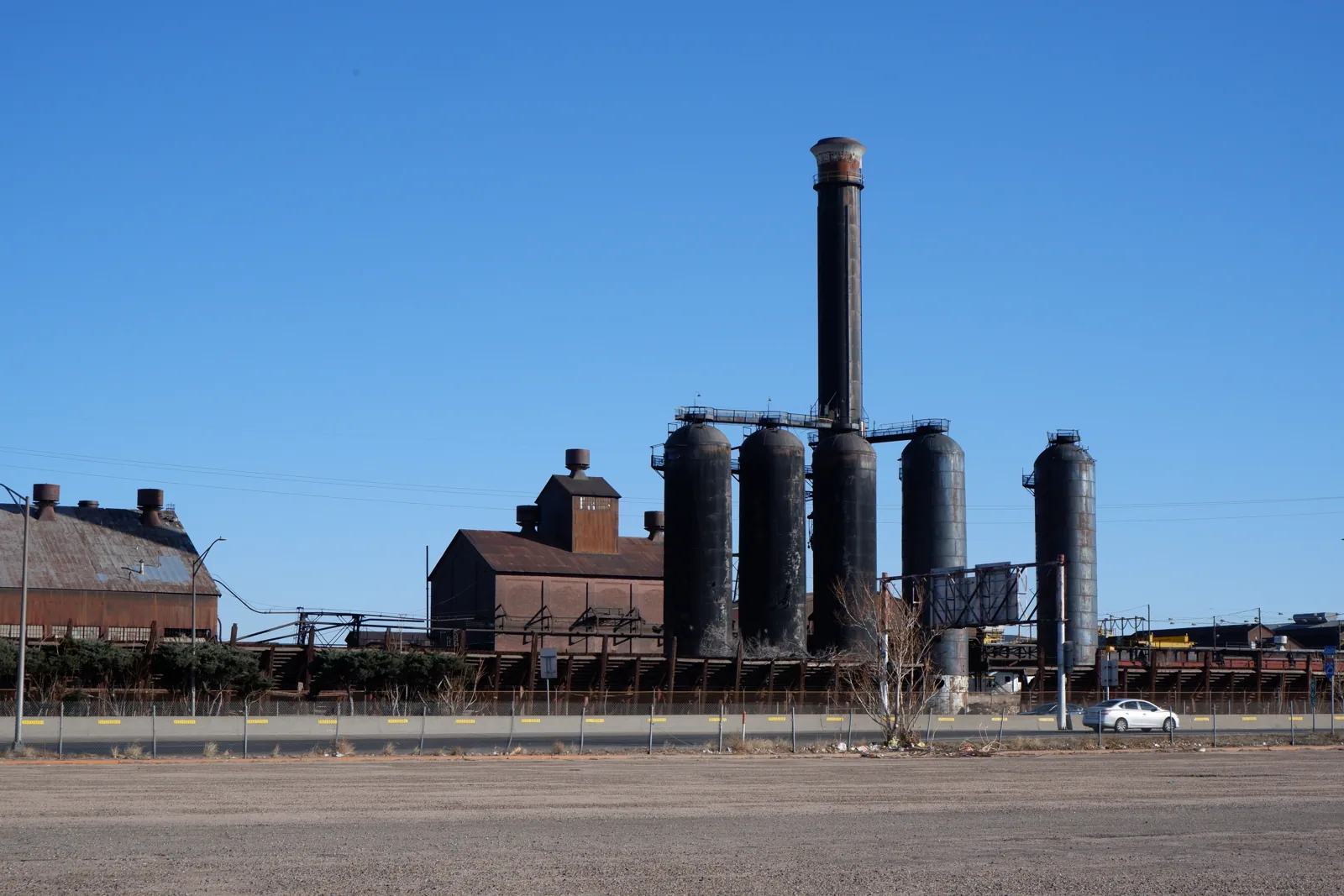
Coordinate commercial roof repair in Pueblo’s EVRAZ Industrial District with an assembly review, measured work boundary, and site-specific operations plan.
The EVRAZ Industrial District is a major steel-manufacturing area in Pueblo, so a roof scope should begin with access, production coordination, and the actual assembly. The EVRAZ Industrial District covers 1,500 acres; Pueblo’s steel operation produces rail, pipe, rod, and coiled reinforcing bar. Those facts describe the area and employer, not any individual roof. We inspect the facility in scope and coordinate work boundaries with its contact.
The district lies at I-25 Exit 96 near Indiana Avenue, with other rail-based firms nearby, including Chemtron and Midwest Steel. That local context can help a project lead plan deliveries, but the property must confirm its own route, gate controls, laydown, and operating window. Roof condition, membrane type, and access points are verified in the field before we recommend repair or renewal.
What should the first inspection establish?
Map the roof zones, edges, drains, curbs, penetrations, equipment, and previous repairs. Identify active interior reports and note which areas can be accessed safely. If the plan does not match the exposed roof, record the difference instead of choosing one version without evidence. Industrial facilities can have interdependent operations below the roof, so the owner and site lead should agree where inspection and material staging may occur.
A commercial roof inspection records visible conditions and identifies limits. When water is reported inside, a leak investigation can trace the likely path without assuming the nearest roof detail is the entry. If a flashing transition has separated, flashing assessment can measure its length and tie-in. The roof-zone map lets the project team connect findings to the production or storage area beneath.
Ask the facility representative about overhead work restrictions, active equipment, roof hatch controls, shutdown requirements, and who can authorize an added scope. These are property-specific decisions. At the property, we inspect cranes, lines, ducts, and rooftop equipment before setting protection and access details. We verify those conditions with the site lead before setting a lift plan or work sequence.
How do you scope repair around industrial operations?
A localized membrane opening or curb leak may be repaired if the substrate is stable and a compatible tie-in can be made. Broad moisture, loose perimeter attachment, or repeated failures can shift the decision to a larger scope. We measure confirmed work and state what remains hidden or inaccessible. Temporary protection, permanent repair, and capital work are listed separately so the facility can coordinate each decision with operations.
For an open lap, seam repair planning can define the failure boundary. An active leak may need temporary stabilization before the permanent repair is approved. Targeted work addresses a defined area, while a replacement comparison evaluates broader renewal after the assembly is checked. If an additional system layer is proposed, test moisture, attachment, drainage, and deck conditions before treating recover as an option.
During steel or pipe production, overhead operations and material movement can govern the access window. The work order should identify roof zones that can be opened, areas requiring interior protection, and who will receive notice if weather changes. If a test cut exposes wet insulation or a damaged deck, the crew stops at the approved line, photographs the condition, and requests direction before expanding the opening.
Which roof details need special attention in Pueblo?
Pueblo records a 93.4°F normal high for July. On an EVRAZ production roof, that seasonal heat makes the surface reading and product application limit relevant to the day’s sequence. Pueblo averages 28.3 inches of seasonal snow; inspect discharge points and edge conditions before winter work. Current roof moisture, wind, and forecast still decide the access window; close each opened section before conditions move beyond the protection plan.
On a production property, inspect the roof-to-wall interface, drains, expansion joints, and equipment curbs where services penetrate the membrane. If a steel or process system will remain in operation, plan how access is protected below the roof zone and whether equipment can continue running during repair. A curb and support review can identify where mechanical work intersects with the membrane. That coordination does not establish any equipment layout until the facility confirms it.
For the broader Pueblo region, the industrial park’s I-25 access differs from rail and highway arrangements at other districts. A St. Charles Industrial Park roof walk can require separate staging and production controls. Each address needs its own access plan. If a parcel’s permit authority is uncertain, confirm it before changing attachment or assembly; code requirements are property-specific.
What drives schedule and cost at the district?
Key drivers include measured area, existing membrane layers, wet insulation, deck condition, equipment density, edge work, penetrations, removal and disposal, access, lifts, and interior protection. A steel district designation does not establish these quantities. If a bid assumes the deck is sound but has not been opened, label that condition and provide a decision point. The owner can then compare bids on the same scope and review added work if the field differs.
For a permit-sensitive scope, establish the parcel’s reviewing authority before selecting attachment, insulation, or assembly details. For projects under local review, confirm applicable building, existing-building, and energy-code editions with the permit lead. The project team should verify the current requirements and amendments for this parcel; that check is separate from the roof-condition survey and material compatibility review.
Operating restrictions can add mobilization or change when areas are available. Agree on delivery route, laydown, access controls, daily stop point, and the contact authorized to approve a change. If production cannot pause, divide the work so each zone can be isolated and closed without blocking critical routes. These factors are practical schedule inputs, not assumptions derived from the district’s size or employer profile.
What should the facility receive after roofing work?
Provide the roof-zone map, dated photos, system and material names, repair boundaries, drain and edge work, and any test opening results. Identify areas that were not inspected or remain outside scope. If work stopped because operations or weather restricted access, show what was completed and what requires a return visit. The facilities manager can then connect closeout with maintenance records and production planning.
For a nearby industrial campus, a PuebloPlex-area roof survey has its own facility and transportation context. A condition report can preserve findings and unresolved items in a format the next project lead can use. Keep the EVRAZ district facts separate from conditions found at the individual roof.
Bring roof plans, prior repair records, interior observations, and access rules to the walk. We will inspect the assembly, identify the work boundary, and coordinate a sequence that the site can support. At handoff, the owner should know what was corrected, what remains exposed, and which decision needs separate authorization.
Commercial Roofing Questions
Does the district’s steel operation mean the roofs are industrial metal?
No. The district’s steel output is a fact about its industry, not the construction of each building. We identify roof type from plans and field conditions before selecting a repair or replacement detail.
Can roof repairs happen while production continues?
That depends on the facility’s safety rules, roof-zone access, and the work activity below. We coordinate a boundary and any equipment or shutdown requirements with the site lead before mobilizing.
How do you handle a roof plan that differs from the field?
We photograph and label the exposed assembly, pause at the agreed limit, and review the difference with the project contact. Testing or added work proceeds only after the owner approves the revised scope.
What information helps schedule an industrial roof walk?
Share access and escort rules, operating hours, roof plans, known leaks, prior repairs, and any restrictions on lifts or staging. We can then plan a route and identify the contact who can make field decisions.

Schedule an EVRAZ district roof walk
Provide roof plans, repair records, active leak reports, access rules, and operating windows. We will inspect the actual roof, map the repair boundary, and coordinate work around confirmed facility controls.
Call 555-555-5555 or email [email protected].