Home / Roof Systems / Modified Bitumen Roofing
Modified Bitumen Roofing in Pueblo, CO
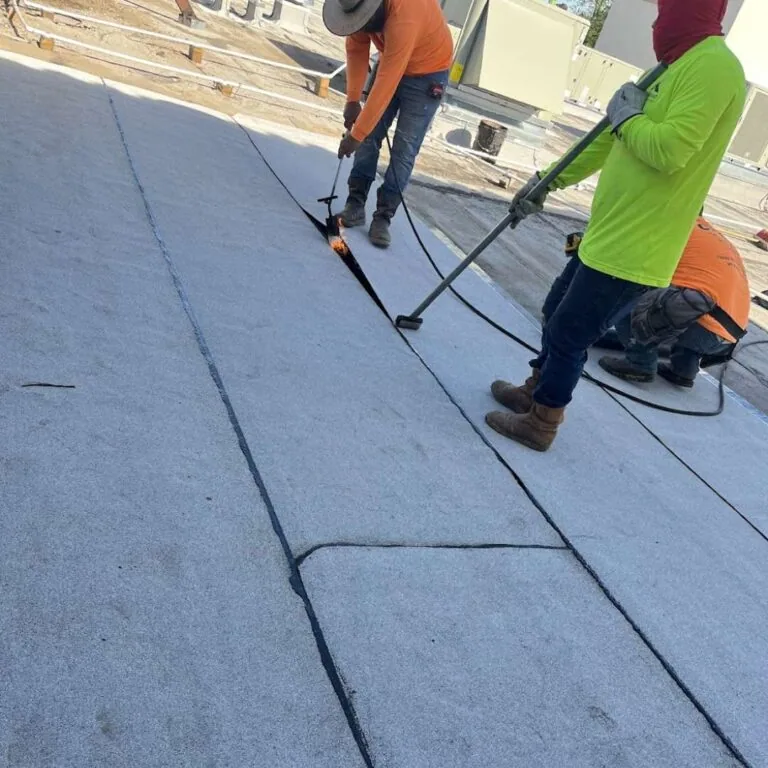
Inspect and repair Pueblo modified bitumen roofs with attention to cap sheets, laps, flashing, drainage, surface condition, and safe application methods.
A raised lap or blister on a modified bitumen roof calls for more than a surface patch. We inspect how the sheets overlap, where the cap surface is worn, and whether water has reached the insulation or deck. SBS and APP systems use different modifiers and application methods, so the existing roof and project specification matter before repair materials are chosen. In Pueblo, CO, hot roof surfaces, winter snow, and daily work windows affect how crews prepare, install, and protect the assembly.
The building's use also affects the work boundary. Pueblo has manufacturing and distribution employers, and its planned employment areas include Minnequa Industrial Park and the EVRAZ Industrial District. Those local designations do not establish a particular property's roof layers or process exposure. We verify the system in the field, review prior repairs and available plans, and identify drains, curbs, edges, and access routes that shape the scope. The estimate should distinguish the cap sheet, base layers, insulation, and substrate assumptions instead of treating every membrane surface as one repair item.
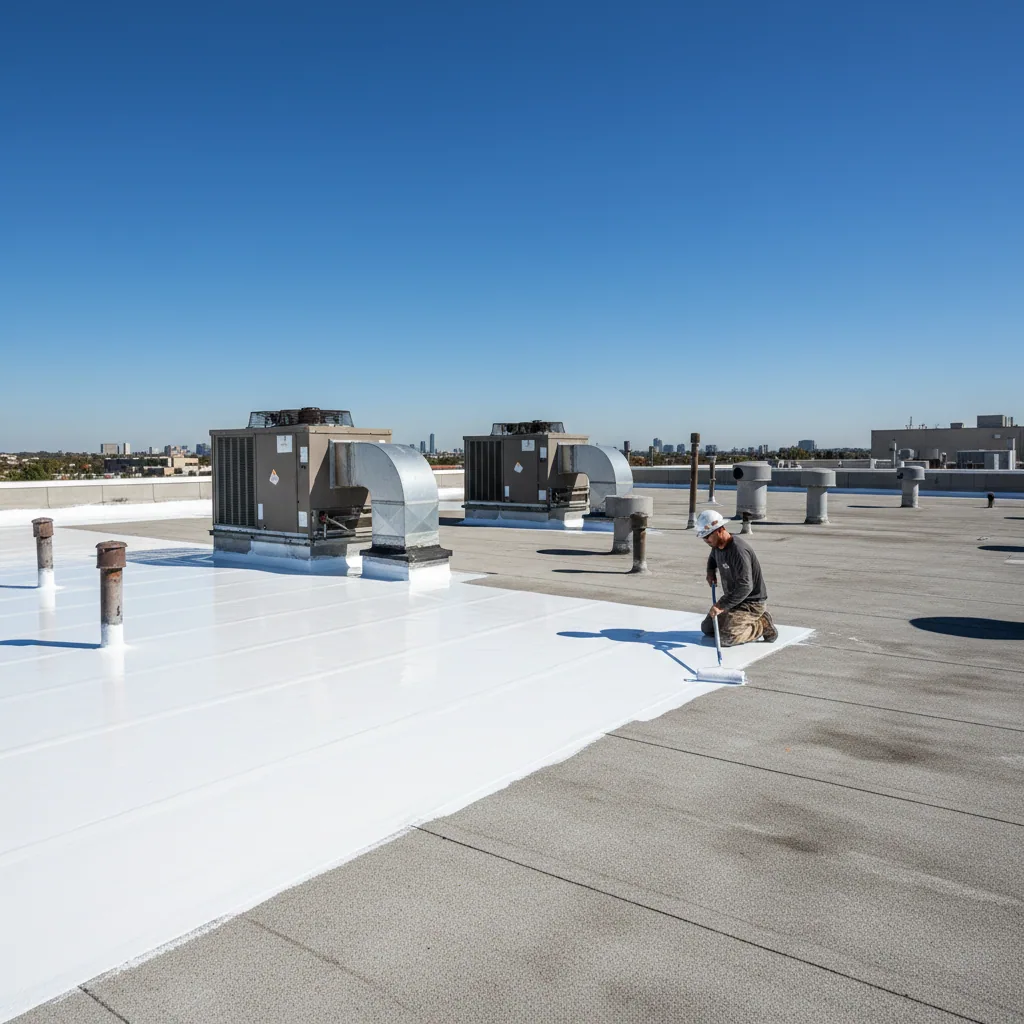
Which layer is failing at the roof surface?
We look for open laps, fishmouths, ridges, blisters, splits, exposed reinforcement, loss of granules, surface alligatoring, and failed flashing. A blister may be isolated or may indicate movement between layers; cutting it without confirming the assembly can admit water or create a larger repair. We examine the surrounding sheet, transitions, and drainage area, then record whether the visible defect stops at the cap or continues into underlying plies.
Modified bitumen assemblies can include multiple plies and different base and cap products. Existing records may be incomplete, so we verify accessible edges and approved test openings before specifying a tie-in. If the roof has a coating or prior patch, the repair method must account for that surface and its bond. A roof inspection can document the observed layers and limits. If interior water is reported, leak tracing can follow the path to a seam, penetration, or drain rather than assigning the cause to the closest blister.
How are laps, blisters, and flashings repaired?
A repair needs a firm, dry substrate and a detail compatible with the existing sheet. We remove loose or damaged material to a sound boundary, prepare the surface, and install a patch or flashing with the lap direction and seal method suited to the system. A repair at a drain or curb has to integrate with the metal or clamping detail, not just cover the exposed edge. When an application uses heat or asphalt, the approved method, fire controls, and site restrictions govern the work.
At penetrations, we check whether a boot, curb wrap, or field-fabricated flashing remains sealed and supported. Roof traffic can loosen surfacing or damage a lap near equipment. We identify service routes and coordinate protection when other trades need access. For a recurring issue across multiple zones, a drainage scope may address the low point separately from membrane repair. A perimeter detail review can check edge metal and terminations where the roof turns up a parapet. Each quantity is recorded so the owner sees which laps or transitions are included.
When does a repair become a replacement decision?
A repair can preserve an assembly when the damage has a limited boundary and nearby layers remain sound. Widespread splits, repeated leakage, loose plies, wet insulation, or poor attachment may point to replacement or a larger restoration scope. We record the roof zones, test results, and exclusions, then compare repair quantity and access impact with the work needed to renew the system. The owner can review which alternative corrects the observed condition and which leaves remaining risks to monitor.
Modified bitumen may also be compared with a single-ply system such as TPO or EPDM when the project is already considering a new assembly. The specification should address deck, insulation, attachment, fire and wind design, and transitions to existing areas. Before mobilization, we verify the permit jurisdiction and adopted edition for the property, then check those requirements against the specified assembly and application method. A replacement plan defines removal and concealed-condition boundaries, while a recover should be considered only after moisture and attachment conditions have been verified.
What changes when the roof is hot, cold, or wet?
Pueblo’s July average high is 93.4°F, January average low is 15.4°F, and seasonal snowfall averages 28.3 inches. Heat affects material handling and worker exposure; cold and moisture affect adhesives, asphalt, and the ability to close a seam. Heat affects material handling and worker exposure; cold and moisture affect adhesives, asphalt, and the ability to close a seam. We review current surface conditions and product instructions before setting the application sequence.
Work planning also covers fuel or kettle placement where applicable, hot-work controls, fire watch, ventilation, and separation from occupied areas. The method should be approved for the site and material rather than chosen only for speed. We stage the roof zone so the crew can complete and protect each opening before conditions change. For a building with tenants or active production, an occupied-site sequence can coordinate noisy work, deliveries, and interior protection. If the forecast closes the work window, temporary closure and a clear restart point protect the assembly and keep the next phase measurable.
What should be checked after modified bitumen work?
Turnover should show where plies, cap sheet, flashing, and insulation were repaired or replaced. We provide photographs of lap tie-ins and transitions, note any test opening and its closure, and identify roof areas that were not in the authorization. If a repair required a different method than the original detail, the record describes that change and its location. The facility contact should also know which areas need follow-up after the next service visit.
Regular maintenance checks can identify new splits, displaced surfacing, loose laps, drain blockage, or damage from equipment work. A maintenance program can track those observations and preserve the repair baseline. If the project includes a larger campus, PuebloPlex illustrates why each building record must stay tied to its own assembly and condition. Bring roof plans, prior repair history, process restrictions, and access hours to a Pueblo roof walk. We will identify the layers and transitions, agree on a repair boundary, and document the work the project lead can inspect at closeout.
Commercial Roofing Questions
Can a blister in a modified bitumen roof be cut and patched?
Only after the cause and underlying condition are checked. A blister may involve trapped moisture or separation between plies, and opening it without a closure plan can admit water. We measure the defect, confirm the substrate condition where authorized, and select a repair that bonds to sound material. The report identifies any concealed area that could not be confirmed.
What is the difference between SBS and APP modified bitumen?
They use different modifiers and may have different application and performance characteristics. The specified product data and installation instructions govern the project. We identify the existing system and review whether the proposed base sheet, cap sheet, adhesive, or heat application is compatible before pricing a repair or replacement.
Can a new cap sheet go over the existing roof?
An overlay requires a dry, secure, compatible substrate and enough height at edges and penetrations. We verify the existing layers, moisture, attachment, and drainage before considering another ply. If insulation is wet or the assembly is unstable, removal may be required. The proposal should state the testing and approval steps before that scope begins.
How do you plan torch or hot-asphalt work at an occupied building?
The method follows the product specification and the property's hot-work rules. We coordinate equipment location, fire watch, access boundaries, ventilation, and any interior restrictions with the facility contact. Where a different approved application method is suitable, the team can compare it against the specified system and site conditions before work is scheduled.
Identify the layer before pricing a modified bitumen repair
Bring the roof plan, prior repair records, leak history, and site work restrictions to a roof walk. We will inspect the plies, laps, and flashing, then define a repair or renewal boundary for review.
Call 555-555-5555 or email [email protected].