Home / Industries We Serve / Manufacturers
Commercial Roofing for Manufacturers in Pueblo, CO
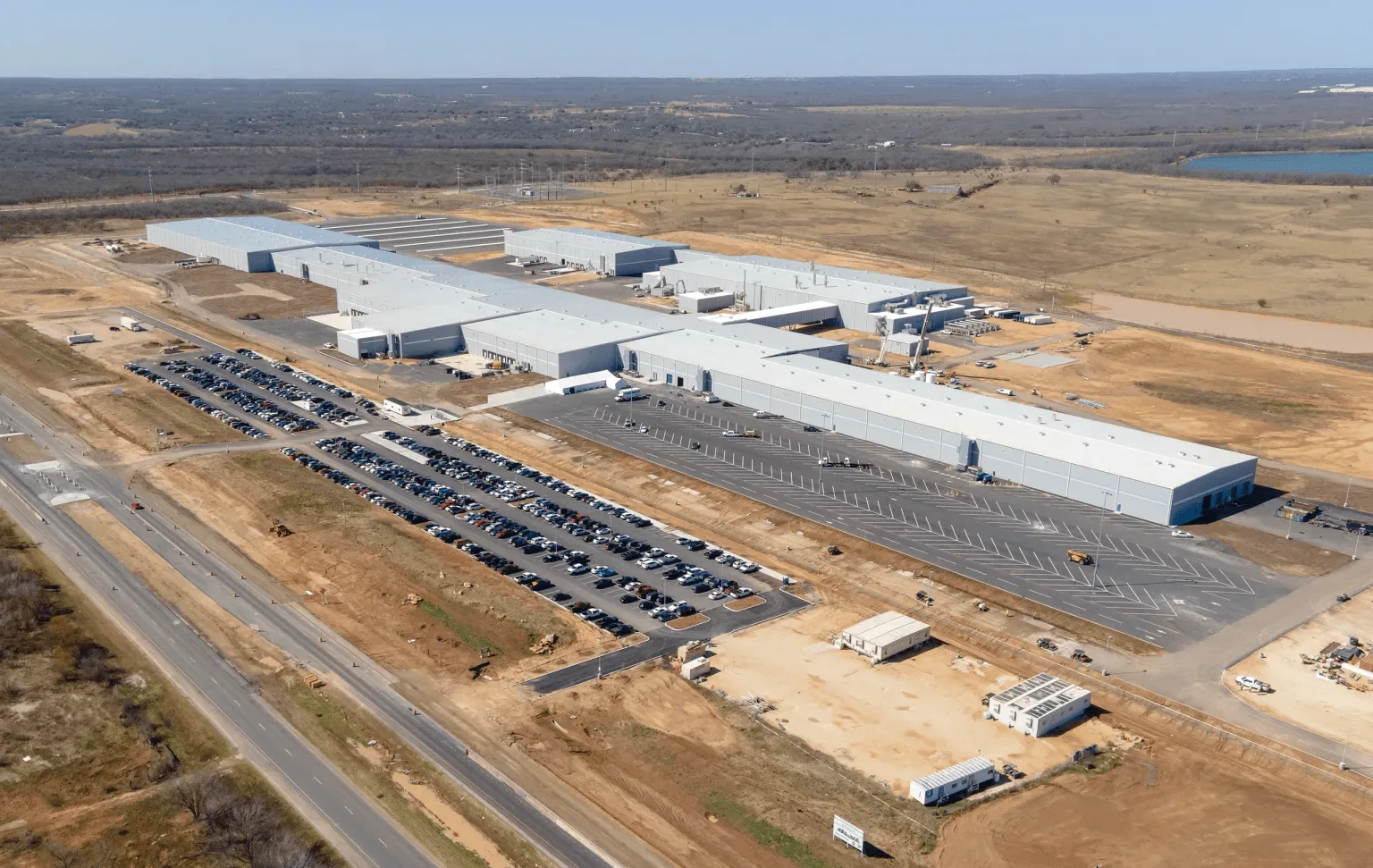
Plan manufacturing roof work in Pueblo, CO around production continuity, rooftop equipment, crane access, material handling, and dry-in sequencing.
A leak above an active production line can force an operations decision before the roof source is known. We inspect the assembly, locate the affected roof zone, and coordinate any access or shutdown needs with the plant contact before materials are removed. The scope names which equipment or process areas sit below the work, how they will be protected, and where the crew will leave a watertight stop point. That gives the plant a sequence it can review before production schedules are changed.
Pueblo’s industrial base includes steel, wind-tower manufacturing, concrete railroad ties, and food products. Pueblo-area employers include Vestas, Trane, Mission Foods, and other manufacturers. St. Charles Industrial Park is a rail-served manufacturing area; EVRAZ Industrial District is associated with steel production and rail uses. Those facts establish the local manufacturing context, not the product, process, or roof condition of an individual plant. We verify the current assembly, ventilation, material route, and operating constraints at the facility.
Which production constraints belong in the roof sequence?
Map the active line, material storage, overhead handling, exhaust, and sensitive equipment below the proposed work zone. A roof crew may need a crane or lift that competes with shipping or changes where materials move. The plant sets the operating window and identifies who can approve a line pause. We can then limit removal to a section that can be protected, closed, and inspected before the agreed restart.
Occupied-plant phasing can separate roof zones and specify temporary dry-in, debris control, and daily handoffs. For a time-sensitive leak, stabilization can reduce immediate exposure while a permanent scope is evaluated. If the production building has several connected areas, a roof inspection can map assemblies and transitions before planning a larger sequence. Keep the process shutdown decision with plant operations; the roofing scope should only define the access and protection needed to perform the approved work.
Before work starts, decide whether the production area below needs a temporary dust, debris, or water barrier and how that barrier will be checked during the shift. A roofer can protect an opening, but plant operations identifies any line-sensitive material or process that cannot tolerate interruption. Where overhead cranes or product moves are planned, coordinate the roof crew’s lift and drop zone with the plant’s material-handling schedule. These details can change the sequence and cost even when the membrane repair itself is narrow.
How do process equipment and roof details interact?
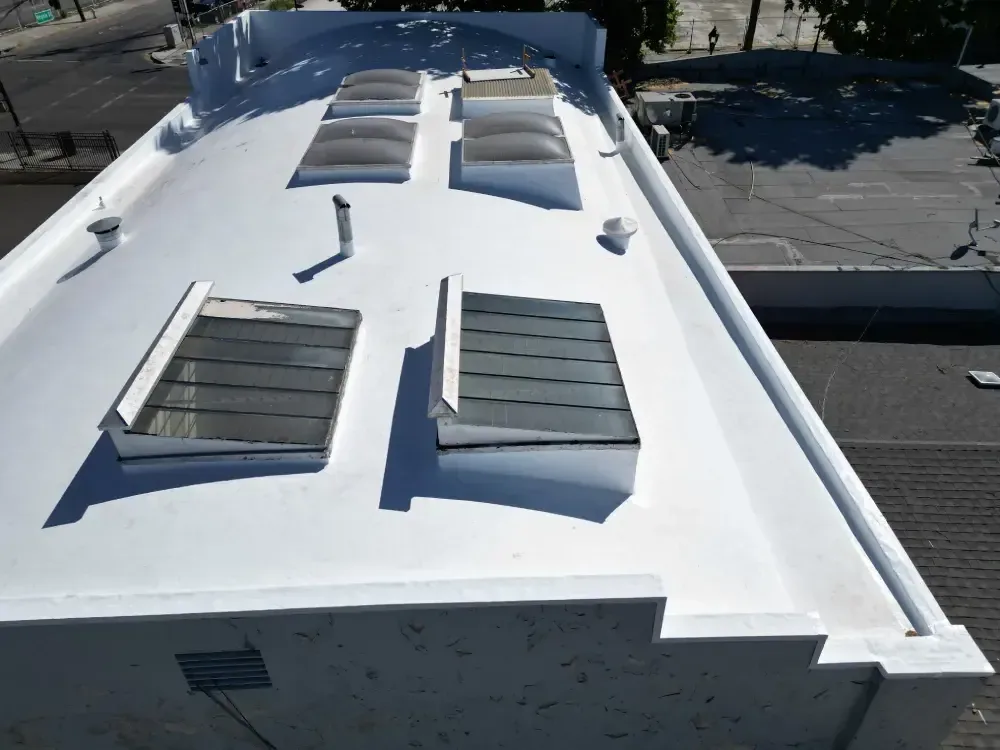
Rooftop fans, exhaust, piping, and utility supports create penetrations that need a durable flashing tie-in. We inspect curb height, movement, membrane attachment, and any patch made after equipment service. Where hot discharge or vibration is present, the roofer and mechanical contractor should agree on responsibility before a curb is altered. A roof detail cannot be priced accurately if an equipment change remains undefined.
We identify whether the building uses TPO, PVC, EPDM, built-up, metal, or another assembly and select compatible work from observed conditions. A curb and support review can align mechanical modifications with the roof. For plants in St. Charles Industrial Park, rail connections and I-25 access can inform delivery planning; the facility contact confirms the secure gate, lift route, and laydown capacity.
When does a plant need a wider roof scope?
A single seam or penetration defect may be repaired if the surrounding field remains stable. Repeated water entry over unrelated process zones, widespread moisture indicators, failing attachment, or aging edge details can justify a larger comparison. We inspect the substrate, drainage, insulation, and panel or membrane transitions, then state the measured work area and remaining uncertainty. Production records do not establish the roof condition, so findings stay tied to inspection evidence.
A targeted repair proposal can isolate a confirmed defect. A replacement scope can compare tear-off, insulation, membrane, equipment resets, and shutdown phasing. If an overlay is considered, check existing layers and substrate first. Any concealed deck issue found after opening is documented and priced for the owner’s approval before the work boundary changes. That lets operations and finance compare options using scope and schedule instead of a broad roof-system label.
How should local weather affect plant roofing?
Pueblo’s July average high is 93.4°F, while winter averages 28.3 inches of seasonal snowfall. Hot roof surfaces affect installation timing; snow and freeze-thaw can reveal drainage or flashing concerns and narrow the access window. We check the current forecast and assembly condition, stage temporary protection, and set the amount of roof that can be opened during a shift. The plant contact should know the closure point before a process or area is returned to service.
Permit details need review for each property. The plant’s design or permit lead confirms the reviewing authority and current code requirements before attachment or insulation details are set. Drainage repair can be kept distinct from a larger membrane project when outlet conditions are the primary finding. Manufacturing owners coordinating multiple facilities can compare logistics operator roofing for loading and distribution concerns, while preserving a process-specific shutdown plan at the production plant.
What should the plant keep after roof work?
Closeout should state the roof zones completed, installed materials, equipment interfaces disturbed, photographs, and any condition left open. Operations can attach the record to the maintenance log and use it when a later leak is reported above a process area. Note whether mechanical equipment was removed or simply protected and which trade accepted the final flashing. A limited repair should remain distinct from unrelated roof areas.
A maintenance visit can review drains, seams, and equipment curbs on a planned schedule. For manufacturer-owned buildings with outside property staff, property management coordination can help route access and records while the plant retains approval over process disruption. We close with a named action, whether to observe a repaired point after rain, verify a separate equipment penetration, or price a measured roof renewal. The handoff should let the next shift or manager understand what the roofer actually changed.
If the project is part of a plant shutdown, attach the roof work dates to the outage plan and note which areas reopen at each stage. That lets production, safety, and facilities teams work from the same sequence without treating roof completion as the only restart criterion.
Commercial Roofing Questions
Can production continue during roof replacement?
It can when the roof is divided into work zones and operations approves the access, noise, and protection plan. We define how much assembly will be exposed, where debris moves, and when the area is secure for the next shift. Plant staff decide whether a process or line pause is required.
How do you coordinate a roof repair with mechanical work?
Identify whether a fan, curb, pipe, or support will be removed or changed, then assign responsibility for each flashing handoff. We inspect the existing interface and sequence roof work with the mechanical contractor. If the equipment scope changes, the roof detail and price should be reviewed before closing the membrane.
What does a manufacturer need before approving a roof budget?
A measured condition, repair boundary, system options, schedule impacts, and concealed-condition process help operations and finance compare scopes. We identify which areas were inspected and which remain unknown. That keeps the proposal tied to field evidence and a plant-approved access sequence.
Can local industrial development facts determine our roof scope?
No. They describe Pueblo’s manufacturing context, not an individual plant’s roof or use. We verify the actual assembly, penetrations, process constraints, and access route at the property before recommending work.
Map a plant roof sequence with operations
Bring process schedules, equipment plans, roof records, access procedures, and known leak reports. We will identify the affected zones and a production-compatible work boundary.
Call 555-555-5555 or email [email protected].