
Home / Commercial Roofing Services / Commercial Roof Maintenance
Commercial Roof Maintenance in Pueblo, CO
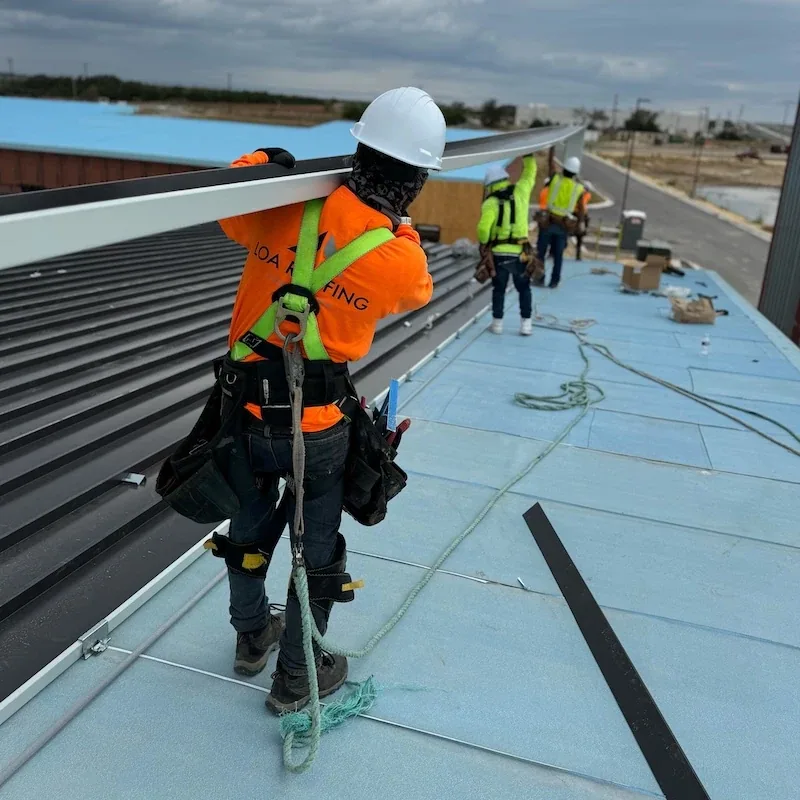
Plan commercial roof maintenance in Pueblo with seasonal drain checks, seam and flashing review, repair priorities, and a useful condition record.
A maintenance visit begins with what changed since the last roof walk. We compare current seams, flashings, drains, equipment supports, and prior repair areas with the previous record, then identify the next work boundary. In Pueblo, CO, summer heat and winter snow create different conditions to check at the roof surface and drainage path. A planned visit gives the facility team a dated baseline, a short repair list, and the opportunity to correct small defects before they affect another roof zone.
The schedule should fit the building’s use and its exposure, not a generic calendar alone. A distribution operation may have more rooftop service traffic than a lightly used office; a rail-served manufacturer may need a defined access window during production. The St. Charles Industrial Park includes wind-tower and concrete railroad-tie manufacturers, and Pueblo’s industrial parks connect with highway and rail routes. Those examples help frame coordination questions, but the maintenance route is set at the individual property. We review records, operating hours, and roof access before assigning inspection zones.
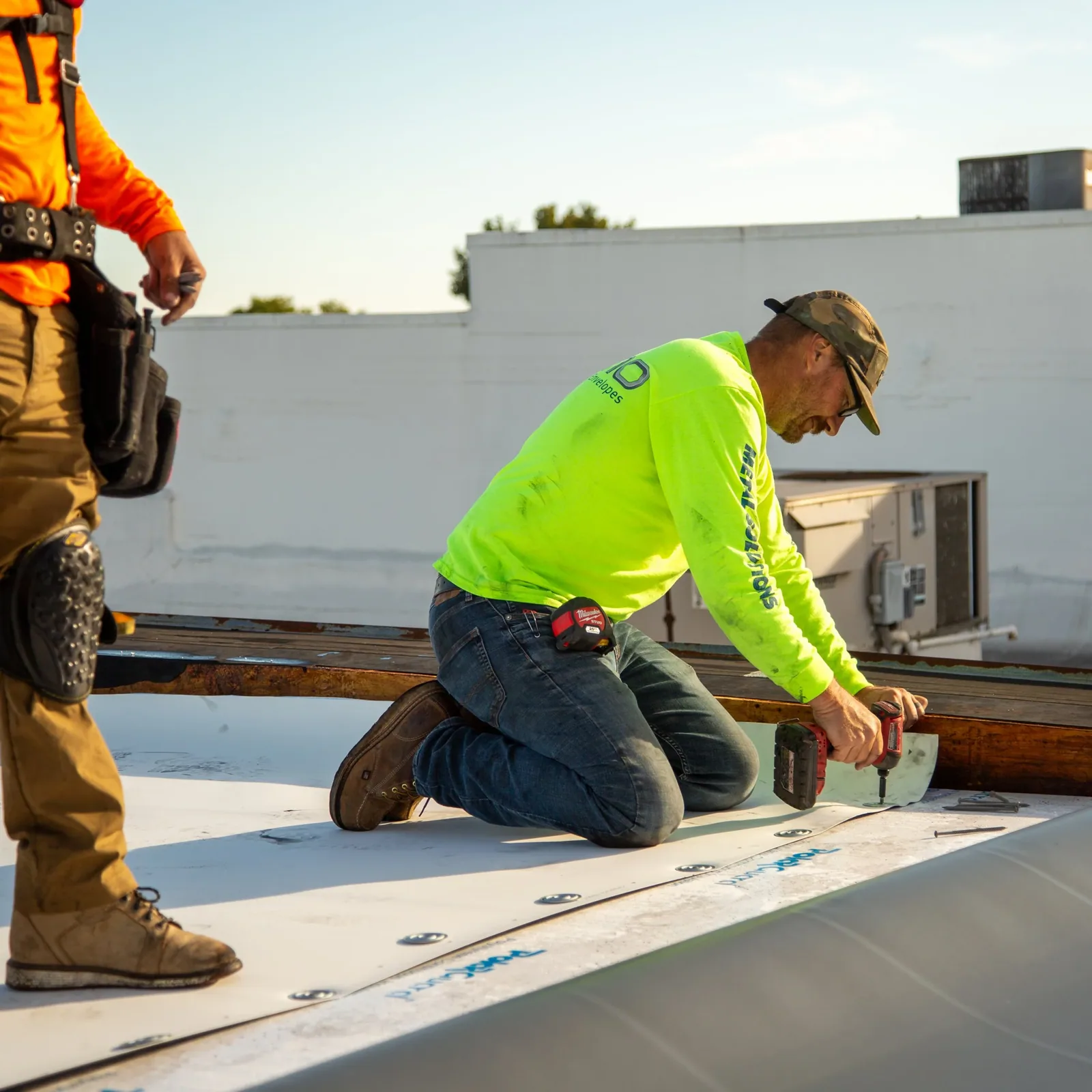
Which details should be revisited?
We pay close attention to seams, termination bars, wall transitions, perimeter metal, penetrations, skylights, drains, and scuppers. These details move or collect debris and can show early separation before a leak reaches the interior. The inspection also checks rooftop equipment for loose lines or service-related damage around curbs. We remove loose debris from drains where included in the scope, note any outlet that remains blocked, and identify any condition that needs plumbing or mechanical follow-up.
Prior repairs deserve their own check. A patch may still be bonded but have lifted at one corner, or an old sealant bead may have split where the wall and roof meet. We photograph the condition, mark its location, and record whether it needs immediate repair or a future comparison. If a report shows recurring moisture, a moisture survey can help focus verification. Planned maintenance cannot prevent every leak, but it can find visible changes and direct the next inspection or repair before the work boundary grows.
What belongs in a maintenance visit?
The scope can include a roof walk, photographs, drain and scupper review, debris removal where contracted, minor compatible sealant or membrane repairs, and a written list of items outside the maintenance allowance. Each property needs its own inclusions. We separate a small repair from an item requiring replacement membrane, substrate work, structural review, or a different trade. If the roof has active water entry, that is assigned to a leak investigation rather than left inside a routine maintenance note.
We also review edge metal, expansion joints, equipment curbs, walk pads, and areas where other trades have worked. A new conduit support or exhaust fan can change where water travels and may require a new flashing detail. If the building has several systems or roof levels, the route should identify each zone and make access limits visible. Our drainage service can handle repairs beyond routine debris clearing, while edge and gutter work addresses perimeter conditions that need fabrication or replacement. Keeping those scopes separate helps the owner review cost and priority.
When should seasonal checks happen?
Pueblo’s 1991-2020 normals show average July highs above 93 degrees and average seasonal snowfall of 28.3 inches. A summer visit can find heat-related surface changes and debris before fall weather, while a post-winter walk can review drains, seams, and flashing after snowmelt. The timing should also reflect the roof manufacturer’s care instructions and the property’s own leak history. We plan the visit for safe access, suitable surface conditions, and a period when the facility contact can support the inspection.
Pueblo’s weather patterns help set seasonal inspection priorities; the property walk identifies its current condition. Pueblo’s regional weather includes hail, tornadoes, and severe wind. After a reported event, the maintenance walk can document visible impacts and distinguish them from pre-existing wear, then prioritize immediate repairs. If a severe event is reported, a separate storm inspection can record event-related observations. Winter follow-up should look for blocked outlets, separated flashing, and material damage at exposed transitions, not assume every roof has the same snow condition.
How do we schedule around operations?
Before the visit, we confirm the roof entry point, escort or security process, fall-protection needs, restricted areas, and any equipment that cannot be shut down. The project lead can identify loading periods, patient-care hours, or production shifts that affect where the crew may work. On a multi-building property, we can sequence roofs by access and risk, keeping a separate map and record for each building instead of combining observations under one campus label.
Industrial and airport settings may add receiving or vehicle restrictions. Pueblo Memorial Airport development sites are adjacent to US 50, about five miles from I-25, with direct taxiway access. At PuebloPlex, the existing building inventory spans a redevelopment campus. The site contact confirms the gate, staging, equipment, and roof route before the maintenance visit. For a roof with limited safe entry, a drone survey may document broad visible areas, followed by hands-on checks at details that need testing.
What should the maintenance log preserve?
A useful record gives the owner more than a list of deficiencies. It ties each photo to a roof zone, states whether an item was repaired or observed, identifies the material used for approved minor work, and lists access limits. If the same seam or drain appears in successive reports, the project lead can see whether the condition changed. We also note items that were not part of the maintenance scope and give a separate recommendation when repair or replacement should be evaluated.
After a visit, the facility team can route repairs by urgency and budget period. A loose flashing detail may need prompt correction, while an area with stable surface wear may be scheduled for comparison. For portfolio work, reports should keep site and building identities distinct and preserve photographs in a consistent sequence. A roof condition report can support that handoff. Arrange a maintenance visit with roof plans, prior service notes, access windows, and the facility contact available. We will walk the agreed zones, confirm which repairs fit the visit, and provide a clear record of the next decision.
Commercial Roofing Questions
What should the maintenance report separate?
It should distinguish completed minor work, observed conditions, and items that require a separate repair or replacement scope. We mark each finding by roof zone, add photographs, and note access limits. If a condition needs another trade or verification opening, that requirement is listed outside the maintenance task so the owner can route it clearly.
Can maintenance include drain cleaning?
Drain and scupper checks can be included, with debris removal only where the agreed scope allows it. We inspect whether water can reach the outlet and note damaged strainers, clamping details, or a persistent obstruction. Repairs to drain bowls, piping, or surrounding membrane may need a separately priced work item.
How should a property team use earlier inspection records?
Bring them to the roof walk. We compare photos, zones, leak history, and completed work with current conditions, then identify what changed. If the earlier map uses a different roof-zone reference, we reconcile it during the visit so future reports can follow one location system.
Does a maintenance program prevent every roof leak?
No program can remove every failure risk, especially where concealed conditions or sudden damage occur. Regular visits help identify visible changes, keep drainage paths in view, and create a record for repair decisions. If a new leak appears between visits, it should be reported for a focused investigation rather than waiting for the next scheduled walk.

Set a roof walk around the operating calendar
Share prior roof records, access requirements, and facility hours. We will confirm the maintenance zones, identify work that fits the visit, and separate any repair that needs its own scope.
Call 555-555-5555 or email [email protected].