
Home / Roof Systems / Commercial Built-Up Roofing
Commercial Built-Up Roofing in Pueblo, CO
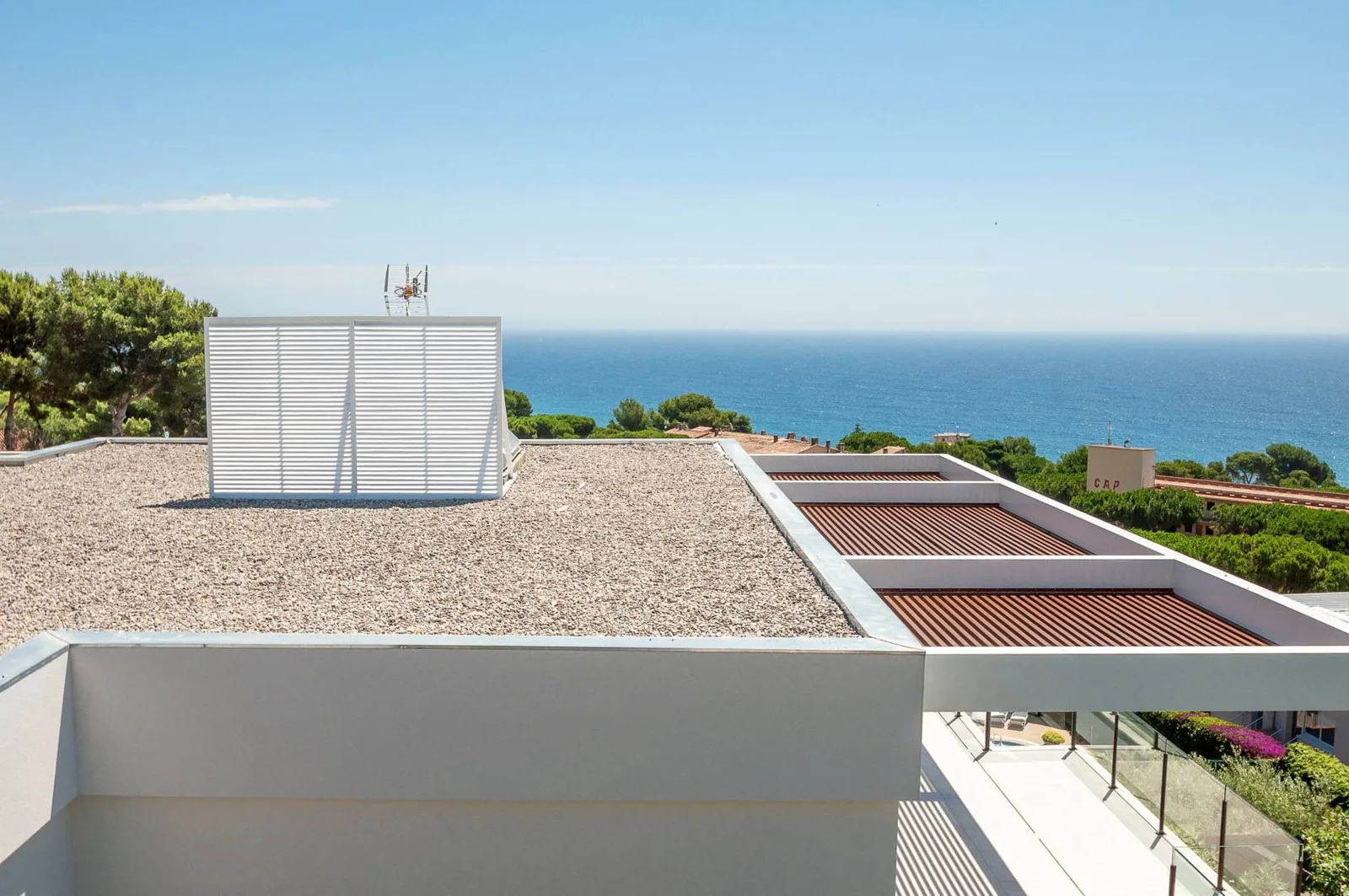
Assess Pueblo built-up roofs for ply separation, surfacing loss, drainage, flashing, and insulation conditions before repair or replacement.
A built-up roof can hide the condition of its lower plies beneath surfacing and accumulated repair layers. The first question is what assembly is actually present and how far a defect extends beneath the visible surface. BUR combines multiple reinforcing plies with bitumen, often finished with a surfacing layer; the specific materials and details vary by roof. In Pueblo, CO, heat, snowfall, and seasonal temperature shifts make drainage, flashing, and safe access part of the review before material is removed or replaced.
Pueblo’s planned employment areas include Minnequa Industrial Park and St. Charles Industrial Park. St. Charles has freight-rail service and I-25 access; drawings or an approved test opening confirm an individual roof’s ply count and assembly. We examine visible edges and approved test points, review prior repair history, and mark drains, curbs, and roof transitions. That field record supports a scope based on the actual BUR condition rather than a surface-level assumption.
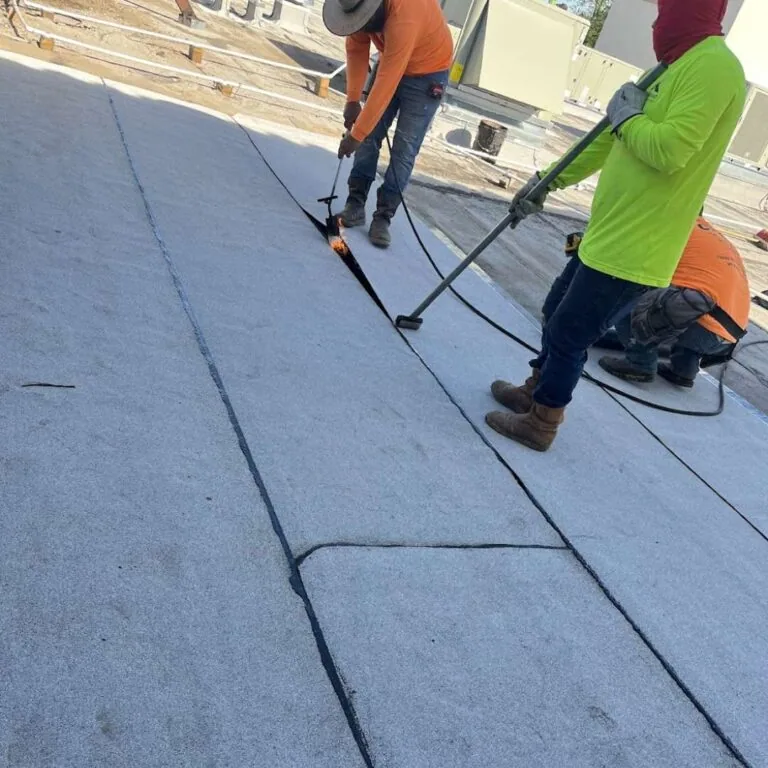
What does the surfacing reveal about the plies?
We check gravel or coating coverage, displaced aggregate, cracks, blisters, ridges, exposed felt, open seams, and soft areas. Loss of surfacing may expose bitumen to direct weather and traffic, while a blister can signal separation within the assembly. Neither condition automatically means the full roof has failed. We map the affected area, inspect nearby transitions, and determine whether an approved opening is needed to assess the lower plies and insulation.
Old patches can make the layering difficult to read. We note prior repair materials, their edges, and whether the new work can bond to the existing surface. If water appears inside, the path may run along a ply or insulation plane before reaching the ceiling. A roof inspection can document visible conditions and proposed test locations. When the leak path is unclear, leak tracing can connect the interior report to roof findings. The report distinguishes observed damage from areas that remain concealed beneath intact surfacing.
How do drains and penetrations affect a BUR repair?
Water management depends on slope, drains, scuppers, and the flashing details that connect the roof field to curbs and walls. We check strainers, clamping rings, drain bowls, crickets, roof-to-wall transitions, and areas where surfacing has collected. A blocked outlet can leave water at the same low point as a weak seam, while poor flashing may let water move into a parapet. Repairing the membrane without correcting that path can leave the same area under stress.
At a drain, we verify the tie-in between new ply and the drain assembly. Around equipment, we look for open corners, cracked mastic, displaced gravel, and service traffic that has worn the surface. A drainage detail repair can be separated from broad field work. A curb inspection can identify flashing, clearance, and support conditions before equipment work proceeds. We list each repair area and transition so the owner can see where the BUR work begins and ends.
When can BUR be repaired instead of replaced?
A localized split, small puncture, or limited flashing failure may be repairable if nearby plies are bonded, insulation is dry, and the roof remains attached. Broad alligatoring, repeated leaks, widespread blisters, wet insulation, or an unstable deck can move the decision toward replacement. We compare the measured repair area with confirmed deterioration and state what remains outside the scope. If hidden layers are unknown, a test opening with approval can clarify the assembly before the bid quantity is fixed.
A coating or recover is not a shortcut around wet or loose plies. The surface must be compatible, the assembly dry and secure, and drainage and finished height workable. An restoration evaluation checks those conditions before coating is proposed. If removal is required, replacement planning can define tear-off, deck repair, insulation, new plies, and perimeter scope. A new assembly might use modified bitumen or TPO specified for the project, with transitions detailed where existing BUR remains.
How do Pueblo conditions affect BUR installation?
July in Pueblo averages a 93.4-degree high; seasonal snowfall totals 28.3 inches. Heat changes bitumen handling; cold or damp conditions can affect adhesion and the time available to protect an opening. Roof temperature and current weather control the work window. We select an application sequence consistent with the specified product, fire precautions, ventilation, and access rules. The work plan identifies hot-work controls, fire watch, and a protected route for material and removed surfacing.
Before opening a zone, the team confirms how it will be covered and when the plies can be protected from precipitation. If aggregate or debris is being removed, we identify the ground route, container, and areas below that need protection. Pueblo's airport industrial area has sites near US 50 and direct taxiway access; individual delivery and staging rules still come from the property contact. A work plan should account for that route, roof access, and the facility's operating hours before materials arrive.
When the specified method uses hot bitumen, protect nearby equipment and combustible materials, keep a fire watch in place, and confirm the approved route for moving the kettle and materials. The crew checks the work area again before leaving.
What should the BUR closeout record preserve?
Photos should show the roof before work, the opened layers where authorized, the repaired plies, and the finished surface. The closeout map identifies each repaired zone, drain, penetration, and edge, plus any excluded area or remaining monitoring item. Product information and installation records help the facility team understand what material is now in place. If the assembly changed from the plan, the record ties the approved change to the location and work performed.
Maintenance can track new blisters, exposed felt, displaced aggregate, drain blockage, and damage from equipment service. A maintenance schedule can preserve observations and detect changes over time. For a group of properties near EVRAZ, keeping each building's roof map tied to its own assembly avoids mixing conditions between locations. Bring drawings, leak history, access rules, and prior patch records to a roof walk. We will identify the surface, verify what lies below where approved, and set a repair or replacement boundary that the project lead can review.
Commercial Roofing Questions
Does gravel on a built-up roof mean it is in good condition?
Aggregate protects portions of the bitumen surface, but it does not confirm the condition of lower plies or insulation. We check coverage, exposed areas, blisters, soft spots, and drainage, then identify where an approved opening could verify the assembly. A sound-looking surface can still need investigation where repeated leaks or interior moisture are reported.
Can a BUR blister be repaired in place?
That depends on the cause, ply separation, and moisture below the surface. We inspect the blister and surrounding area before selecting a repair. If an opening is authorized, the layers and insulation can be checked and the roof restored with a compatible detail. A broad or recurring blister pattern may require a larger assembly review.
Can a coating extend the life of a built-up roof?
A coating may be considered when the existing surface is compatible, dry, and sufficiently stable, and when seams and flashing can be prepared for the selected product. We review moisture, adhesion, drainage, and repair needs first. Coating over loose plies or trapped water can hide a condition without correcting it.
How are hidden plies confirmed before replacement?
We review roof records, visible edges, and any previous test cuts, then propose test openings where the owner authorizes them. The opening can show layer count, insulation condition, deck, and attachment at that location. We tie each test result to its roof zone and extend testing when nearby observations differ.
Verify the BUR layers before setting the repair boundary
Share roof plans, prior test cuts, leak locations, and access restrictions. We will inspect the surfacing, plies, drains, and transitions and document the conditions that belong in the scope.
Call 555-555-5555 or email [email protected].