
Home / Service Areas / Pueblo West Industrial Park
Commercial Roofing in Pueblo West Industrial Park, Pueblo, CO
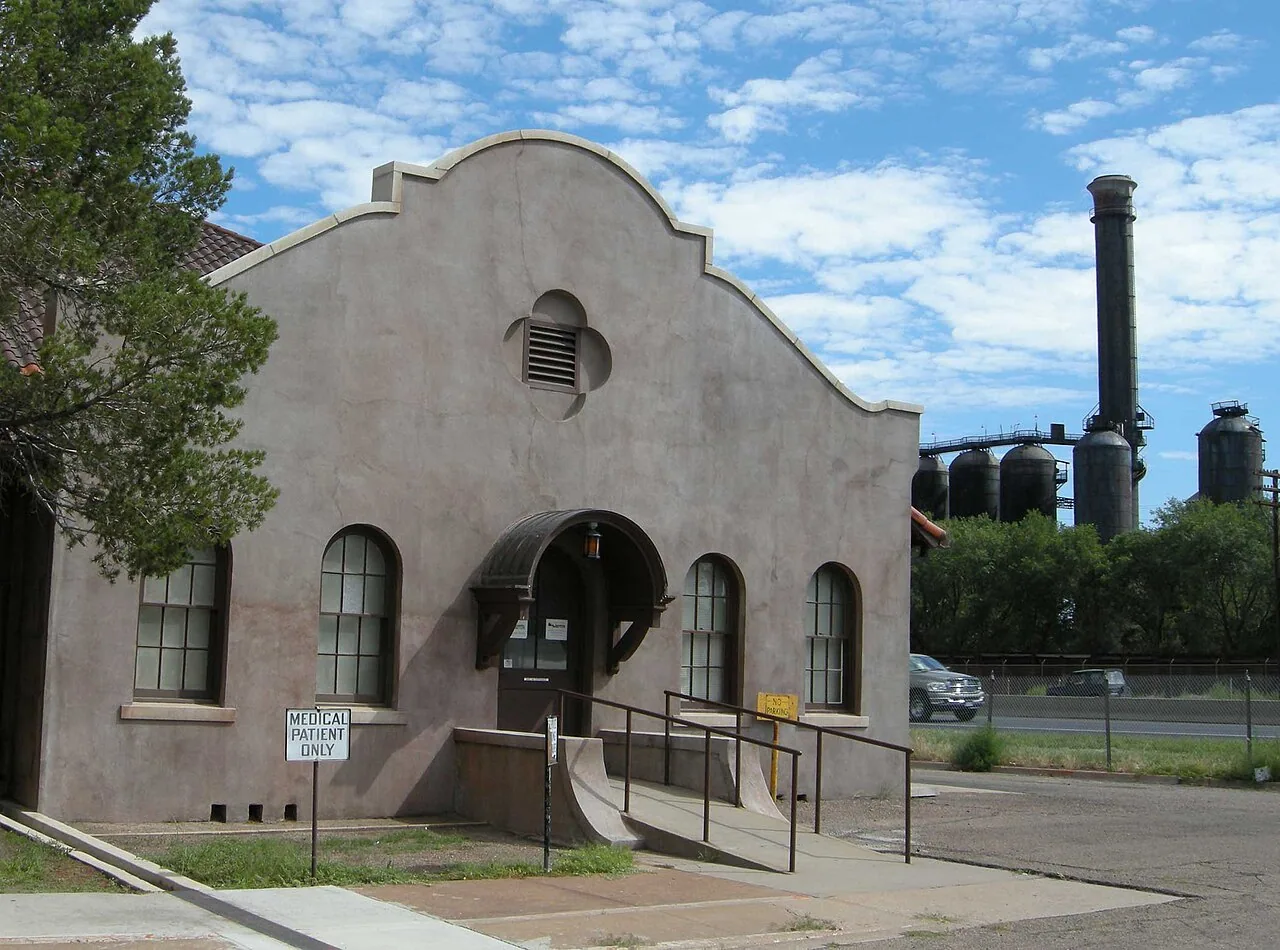
Coordinate commercial roofing at Pueblo West Industrial Park with a roof-zone inspection, delivery plan, and scope tied to site operations and weather.
The roof plan for an industrial property west of Pueblo starts with the operation below it and the access route around it. Pueblo West Industrial Park is an employment area west of Pueblo, with portions designated for light industry. Its plan groups manufacturing, processing, repair, warehousing, and distribution in that category. Those land-use facts frame the area; each building’s occupancy, roof system, and condition still need a field review before work is priced.
The Highway 50 corridor in Pueblo West includes retail, service-commercial, and light-industrial businesses. That mix makes delivery timing and keeping entrances available practical parts of the roofing sequence. We mark roof zones, drains, curbs, and the laydown area, then coordinate a work boundary that keeps materials and equipment clear of the property’s operating paths. Summer heat and winter freeze-thaw conditions also affect how much roof can be opened and closed in one shift.
Where a portfolio includes other Pueblo employment areas, a St. Charles Industrial Park roof inspection can provide a separate comparison point. Similar industrial classifications do not establish matching deck construction, roof age, or drainage, so each site receives its own conditions map and work limits.
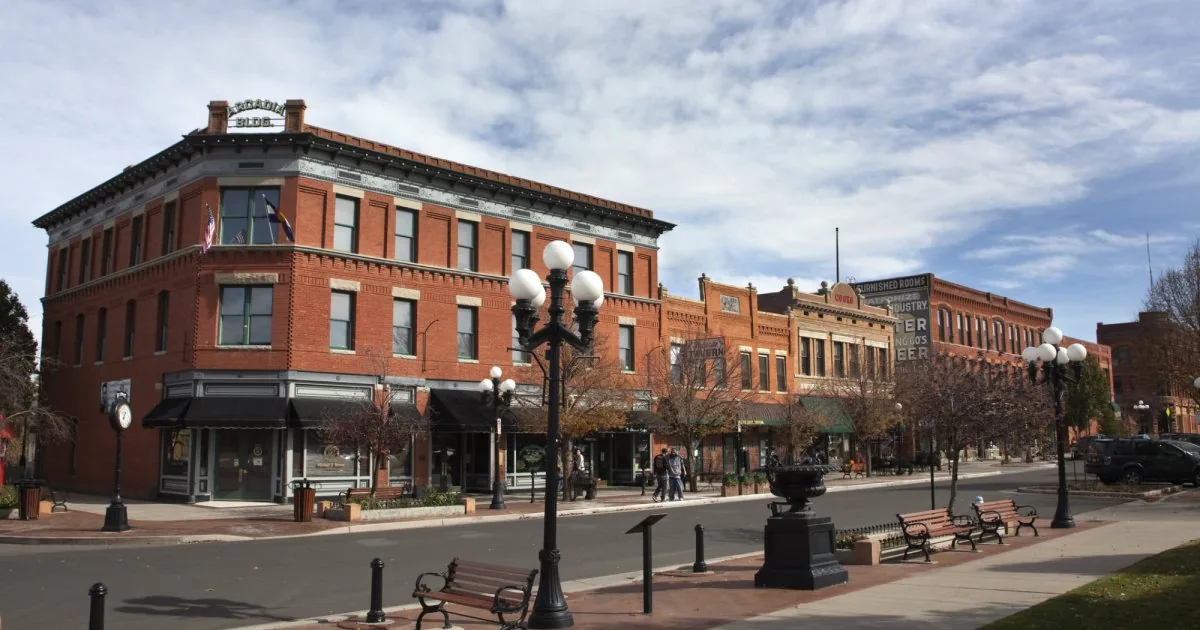
What does the first roof walk establish?
We begin with the reported leak or maintenance concern, then follow it across the roof instead of treating the interior mark as a repair location. The inspection records membrane or metal conditions, seams, transitions, penetrations, drainage, and any prior patch that changes the surface. We note the limits of access and distinguish visible damage from areas that need a test cut or separate evaluation. The result is a roof-zone map that connects findings to a measurable boundary.
A commercial roof inspection can document the visible conditions and photographs. When water is entering, leak tracing checks the drainage path and adjacent details to locate likely entry points. If moisture may be held below the membrane, an infrared survey can help identify areas for confirmation when roof conditions suit the method. No scan replaces a direct check where the assembly needs to be opened.
Pueblo West’s light-industry category includes repair shops, warehousing, and distribution. The site lead confirms the parcel’s current use, operating hours, vehicle movement, equipment, and interior sensitivity before a lift is staged or the roof is opened. Where plans and field conditions disagree, we stop at the affected zone, photograph it, and keep that added scope separate from the original work.
How do heat and snow change the sequence?
Pueblo’s August normal high reaches 90.2°F, keeping heat exposure in view when we plan adhesive or coating work. Pueblo’s 28.3-inch seasonal snowfall average makes roof drainage, edge details, and locations where water may freeze part of the inspection. Neither number replaces a roof reading: the day’s surface temperature, moisture, and forecast determine which details can be installed and secured before the crew leaves.
Standing water can load a weak area and keep wet insulation from drying. Before considering a coating or overlay, we evaluate slope, drains, existing layers, attachment, and moisture. A compatible surface with sound substrate may support restoration; trapped moisture or deteriorated deck can require removal. For an assembly review, modified bitumen options are compared with the existing roof and tie-in details, while a metal retrofit approach needs the framing, fasteners, and perimeter conditions checked.
Freeze-thaw periods can stress sealants and exposed transitions, but no season alone proves a roof has failed. We identify the actual split, loose edge, blocked drain, or open penetration and determine whether it is isolated or connected to a larger wet zone. That finding sets the repair boundary and tells the owner whether a near-term patch or planned replacement deserves a separate estimate.
How do deliveries and occupied work fit together?
We coordinate the lift setup, truck arrival, material staging, roof access, and interior protection with the property contact. A delivery plan should reserve the required route without taking over customer or employee parking, loading access, or emergency paths. Where the building stays occupied, work proceeds by defined roof zone, and the handoff identifies who can release the next area. If equipment or inventory beneath the work is sensitive to dust or water, protection is agreed before tear-off begins.
Pueblo West’s Highway 50 corridor supports retail, service-commercial, and light-industrial businesses. Pueblo West Industrial Park includes areas designated for light industry. We use those facts as context for coordinating different site needs, not as a claim that a particular building has a specific roof or tenant. The project lead confirms current operations and access directly, and our sequence accounts for the actual driveway, laydown area, and work hours.
For owners managing more than one property, a roof condition report can keep photographs, urgency, and repair boundaries organized by site. A Pueblo West area roof walk can also help compare buildings along the corridor, with each facility’s assembly and findings kept distinct. The report supports a decision; it does not replace approval for added work discovered after opening.
What affects repair versus replacement?
The decision follows the assembly and substrate. A limited puncture or failed flashing may be a repair when adjoining material remains sound. Repeated seam failure, widespread wet insulation, poor attachment, or deck deterioration may change the scope. We document the reason for each option and identify what could not be confirmed from the surface. That lets the owner compare immediate repair with a larger project without bundling unknown work into one number.
Permit coordination begins by identifying the reviewer for this parcel and the current requirements that apply to the proposed alteration. Where local plan review applies, 2021 building, existing-building, and energy-code editions inform roof alterations; confirm parcel coverage and amendments. The project lead confirms jurisdiction and amendments before materials are ordered, then checks whether the selected insulation, drainage, or attachment detail needs adjustment. That permit step stays distinct from the physical roof findings.
Closeout includes checking completed seams and transitions, confirming drains are clear, photographing the finished work, and listing any separate condition left outside the boundary. For a broader repair plan, commercial roof repair can address confirmed defects while a replacement comparison evaluates the full assembly. If site operations require a phased reroof, the occupied-building sequence sets zones and watertight stop points for each shift.
Before mobilization, confirm who can approve a boundary change and where photographs should be delivered. That small handoff prevents an exposed condition from becoming an assumed change order while keeping the building protected. We note the decision, secure the area, and resume only after the revised scope is clear.
Commercial Roofing Questions
Does the park designation identify the roof type on my building?
It does not. The industrial designation helps frame logistics; the site walk confirms current operations and roof construction. We confirm the assembly before recommending repair, recover, or replacement.
Can roofing deliveries use the Highway 50 corridor without interrupting business?
The route and delivery window depend on the property’s access and operating hours. We coordinate truck arrival, lift setup, staging, and clear paths with the site contact before mobilizing.
When should an owner consider replacing a roof instead of patching it?
The condition map provides the basis. We look at seam and flashing failures, wet insulation, deck condition, attachment, and how much sound material remains, then separate a repair scope from a replacement comparison.
What happens if the roof deck is worse than the plans show?
We stop at the affected boundary, document the exposed condition, protect the building, and present the additional work separately. The owner can review the change before the crew continues into that zone.

Coordinate a roof walk in Pueblo West
Share the property’s access window, operating constraints, and any existing roof records. We will inspect the assembly, identify the work boundary, and plan the delivery and closeout sequence with your project lead.
Call 555-555-5555 or email [email protected].