
Home / Roof Damage Repair / Commercial Wind Damage Roof Repair
Commercial Wind Damage Roof Repair in Pueblo, CO
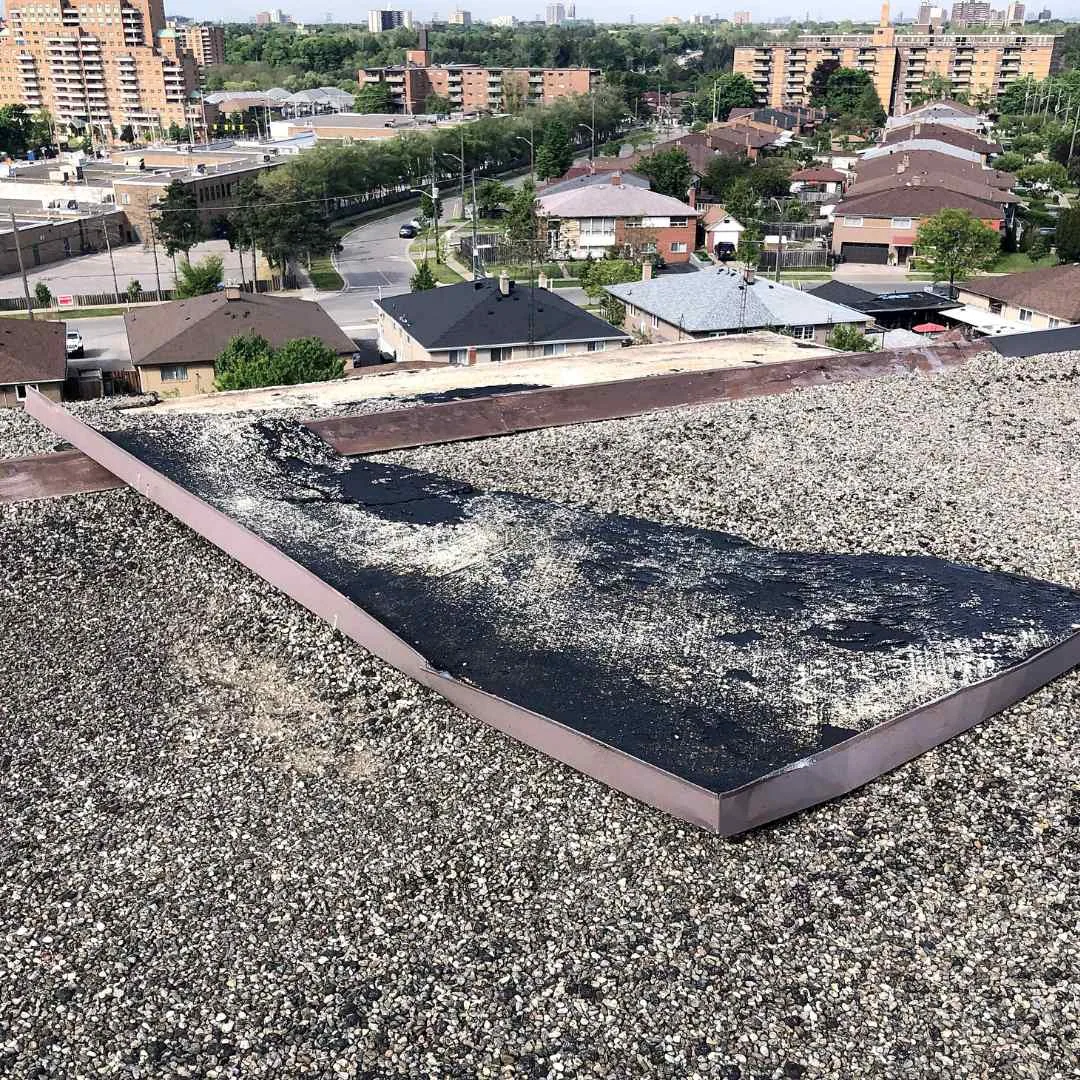
Inspect and repair commercial wind damage in Pueblo, CO with photo records, secure temporary protection, roof-zone measurements, and a clear repair boundary.
A roof edge that has lifted after a wind event needs a closer look before a patch is priced. We inspect the perimeter, seams, fasteners, penetrations, and adjacent membrane for movement, then mark how far the affected area extends. Interior water may appear later, so note roof observations even when no ceiling stain is present. If an opening is active, we protect it first and document the stabilization separately from the permanent repair.
County-level hail and tornado patterns, along with severe-wind activity, are tracked across south-central and southeast Colorado. After a reported wind event, inspect the property’s edges, seams, and attachments before documenting a repair scope. Local property contexts also differ: St. Charles Industrial Park is rail-served along I-25, and Pueblo Memorial Airport industrial sites connect to US 50 and runways. We verify each property’s roof, access, and event evidence directly before attributing damage or setting a work sequence.
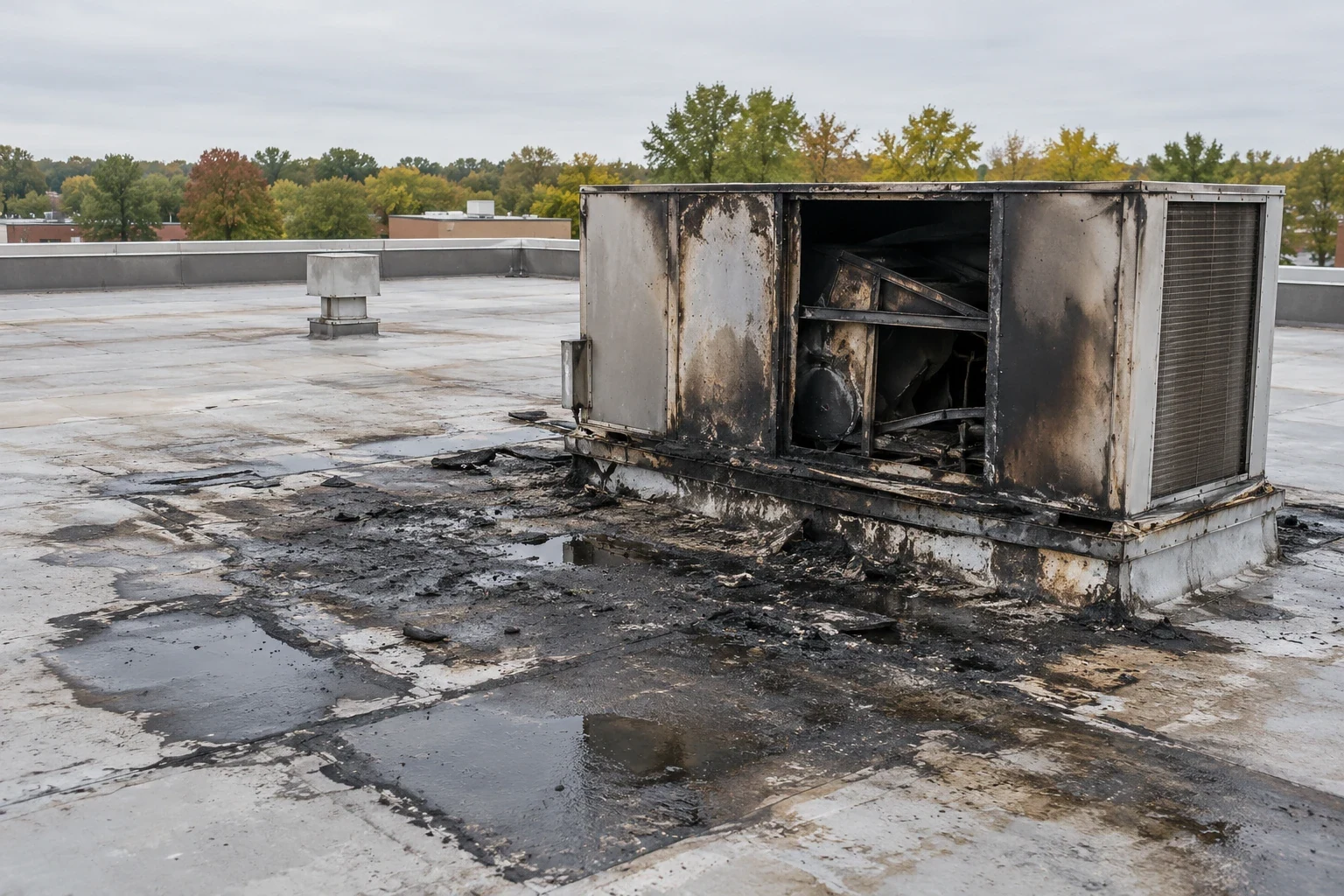
Which wind-related details should the inspection cover?
Check eaves, corners, coping, edge metal, roof-to-wall transitions, membrane seams, and mechanical curbs. Wind can lift a loose edge or stress a fastener without producing a large opening. Look for displaced metal, creased membrane, exposed attachment, or a detail that has separated from its substrate. Compare the roof surface with the building’s prior repair record so older deterioration is not silently assigned to the latest event.
A hands-on roof inspection can document visible conditions by zone. If safe access is limited, aerial imagery may locate areas for a closer walk, but it does not test attachment or hidden moisture. For a confirmed edge defect, edge-metal repair can define the replacement length and tie-in. Photographs should include a roof-zone label and scale reference where practical, giving the owner a usable record for repair decisions.
Look beyond the first displaced piece of metal. Check whether neighboring fasteners have moved, whether the edge securement remains continuous, and whether a parapet cap can lift under hand pressure. A repair that replaces one loose section but leaves the adjacent attachment weak may not restore the intended boundary. We identify the length and transition that need work, then confirm the tie-in at the next sound section before the permanent material is installed.
How should an exposed area be secured?
When a membrane or edge detail has opened, protect the affected zone with a method suited to the assembly and current conditions. Temporary material must be secured so it does not create another loose object during wind. We identify what was covered, whether water is still entering, and how soon a permanent repair can be made. The property contact should know which rooms, equipment, or inventory below the roof need attention.
Emergency roof stabilization can address active exposure before the complete scope is approved. The crew should also clear debris only when it can be done safely and without disturbing material that may help document the condition. If a large portion of the system is involved, storm damage assessment can connect the inspection record to a measured repair proposal. A temporary cover is not a final tie-in, and its limits should be clear in the work order.
How can wind damage be separated from wear?
Compare displaced or torn material with adjacent roof condition, prior patches, and the reported event timing. A lifted edge can reveal weakened attachment, but the extent of the failure must be checked before replacing a larger perimeter. We identify what is visibly changed, what appears aged or previously repaired, and where concealed substrate conditions remain unknown. A repair proposal should state those differences without asserting a cause beyond observed evidence.
If damage extends beyond a detail, a targeted repair scope can list membrane, insulation, edge, and labor limits. Repeated failures across sections may justify a separate replacement comparison. If drains were clogged with windblown debris, keep that maintenance item separate from confirmed storm damage. Owners with other weather-related damage can also compare hail damage inspection or tornado damage review, since impact evidence differs from uplift or movement at the perimeter.
When a roof has older patches or chronic deterioration, include them as separate observations rather than expanding the storm repair by implication. The owner can then decide whether a maintenance or capital scope should follow. If the roof is partly inaccessible, identify the uninspected zone and schedule a later view instead of assuming the wind condition stops at the visible edge.
What Pueblo conditions should shape the response?
Pueblo’s mean July high is 93.4°F, and the region receives 28.3 inches of average seasonal snowfall. Those seasonal conditions affect when a repair can be installed and how a temporarily exposed area should be protected. A current wind and precipitation forecast matters more than a seasonal average. We schedule removal only when the crew can close the roof safely and the site contact can protect access below.
St. Charles Industrial Park’s rail and I-25 connections and the airport area’s US 50 access describe distinct local delivery contexts. Neither establishes a storm path or a particular site’s laydown space. A St. Charles-area roof walk still requires the facility to confirm gate, lift, and staging rules. If wind repair changes attachment or assembly details, the project contact confirms the parcel’s permit authority and current requirements before the work is scheduled.
What belongs in the wind repair record?
Document the inspection date, reported event, observed roof condition, temporary protection, permanent work performed, and any area not repaired. Include photographs with consistent zone labels and note whether a follow-up inspection is recommended. If the crew found wet insulation or a loose deck connection after opening, record its location and the owner’s approval for added work. That creates a clear record without implying that the whole roof was replaced.
A later maintenance visit can review edge details and previous repair points under a separate scope. The owner should also log any new interior report and relate it to the inspected roof zone rather than assume it is part of the same event. If water entry remains active, arrange another visit before the temporary protection is removed. A complete closeout says what is secure now and which decision remains with the property team.
Keep a copy of the crew’s closeout photos with the exact work location and date. If the site receives another wind report, that comparison helps distinguish new movement from the repaired detail and gives the next inspection a precise starting point.
Commercial Roofing Questions
Can wind damage be repaired before the full claim review is complete?
Immediate protection may be appropriate when water is entering or a roof detail remains exposed. We document the stabilization separately and identify what it does not resolve. The owner can continue the claim process with dated photographs and a permanent repair scope once the inspection defines the affected area.
How do you tell wind uplift from an old loose edge?
We compare the displaced material with nearby details, repair history, and event timing. A condition that predates the reported event should be recorded separately where evidence supports that distinction. Some causes remain uncertain without further testing, so the report should state its limits.
Does an interior leak need to appear before you can inspect wind damage?
No. Edge movement, displaced coping, open seams, or exposed attachment can be visible from the roof without a ceiling stain. We record those conditions by zone and check whether a safe temporary repair is needed before water enters.
What should a facility manager provide after a wind event?
Share when the event was reported, what roof or interior changes were observed, access and safety rules, prior repair notes, and any photos taken from a safe location. We can then plan a roof walk and note which areas need temporary protection first.
Schedule a wind-damage roof inspection
Share the reported event time, affected areas, roof access rules, prior repair records, and any active leak details. We will inspect the roof zones and document temporary and permanent repair needs.
Call 555-555-5555 or email [email protected].