
Home / Commercial Roofing Services / Commercial Roof Leak Repair
Commercial Roof Leak Repair in Pueblo, CO
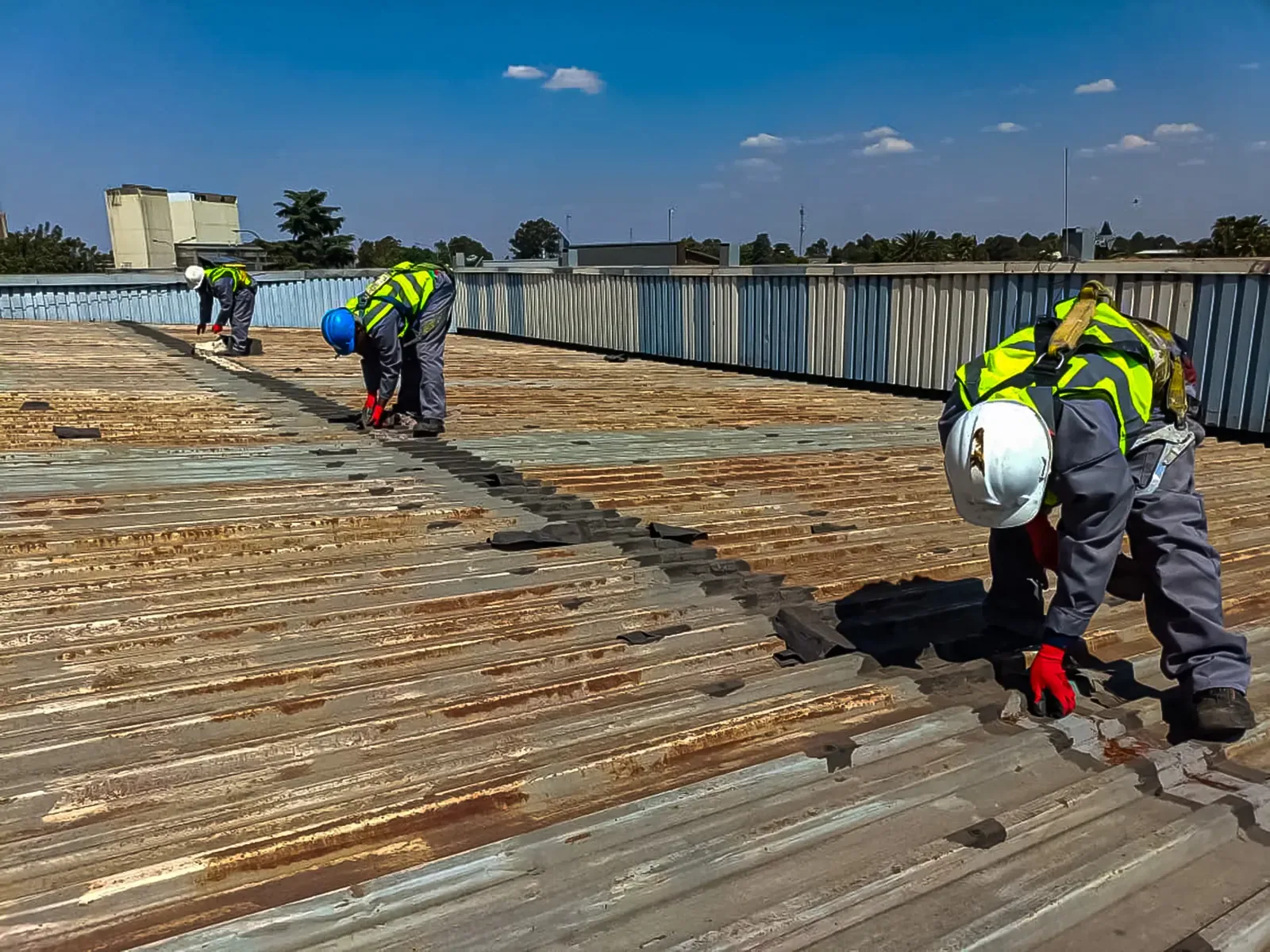
Trace and repair commercial roof leaks in Pueblo with interior reports, roof-zone checks, compatible materials, and a documented closeout record.
Water at a wall line can involve the roof edge, a curb, or a drain several feet away. The interior location gives us a starting point, then the roof walk follows likely paths through seams, penetrations, flashing, and drainage. In Pueblo, CO, we match the interior report to a roof zone and record what is wet, what is dry, and what needs a closer test. That sequence helps the project lead separate an active entry point from older staining or condensation.
We inspect the surface and the details around the reported area before choosing a repair. A patch placed over a symptom can miss water moving within insulation or under a membrane. We look at previous repairs, mechanical curbs, wall transitions, and nearby low points, then test only where the findings call for it. Pueblo’s summer heat and winter freeze-thaw conditions can affect sealant and membrane work, so the day’s roof temperature and forecast matter. In the rail-served St. Charles Industrial Park, production and receiving windows may shape access; airport-area sites near US 50 require the same project-specific coordination. Our hands-on roof inspection gives the repair a defined boundary.
What does the leak pattern tell us?
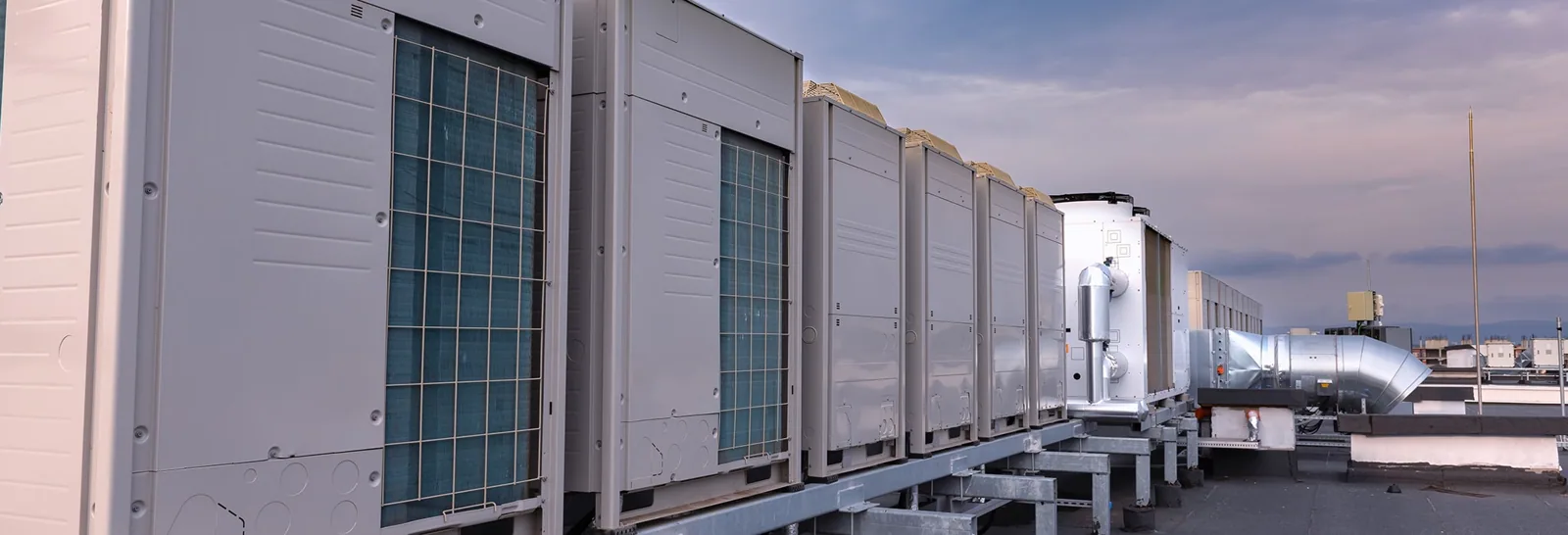
A drip that appears after a wind-driven storm can point toward an edge or wall transition, while water near a rooftop unit can involve the curb, conduit, or an adjacent seam. Those are starting hypotheses, not conclusions. We compare the timing and location of the report with roof slope, drain position, membrane laps, and any recent service work. Interior conditions matter too: a plumbing line, condensation, or a wall opening can create a mark that looks like a roof leak.
On the roof, we note whether the membrane is split, punctured, loose, or visibly wet below the surface. We check flashing transitions and look for sealant that has separated from a wall or equipment base. The repair may require a controlled opening when water has traveled beneath the top layer. If a survey is useful, an infrared moisture scan can help identify areas for verification, followed by a core cut where the result affects the scope. We explain what the test shows and avoid extending a small finding across an entire roof without evidence.
How much roof should the repair include?
The repair boundary depends on the entry detail and the material around it. A seam repair may need sound membrane beyond the split so a new patch can bond or weld correctly. A curb repair may require new flashing on each face and a secure termination above the roof surface. If water has damaged insulation or the deck, the opening may need to extend until the substrate is dry and stable. We mark the limits and tell the project lead what is included before concealed material is replaced.
We also identify whether the reported leak is one event or part of a recurring pattern. Multiple interior reports after the same storm do not automatically mean multiple roof defects, and a single stain does not show how far water traveled. Photos, time of report, weather context, and roof-zone observations help us test that distinction. For urgent water entry, our emergency dry-in response can protect the interior while permanent repair details are prepared. Once conditions are safe, we move from temporary protection to a compatible permanent repair, with that handoff recorded separately.
What can happen while the building stays open?
Leak work often takes place while tenants, patients, production staff, or visitors remain in the building. We coordinate roof access, interior protection, and any isolation around HVAC or electrical equipment with the project lead. If a ceiling tile or finish must be moved to trace water, we agree on who provides access and where materials can be placed. A repair at an occupied distribution site may also need to avoid loading windows, truck paths, or a specific shift change.
Roof access and staging vary by property, even within one commercial district. St. Charles Industrial Park has north-south and east-west rail interchanges linking Union Pacific and BNSF, alongside an I-25 connection. For a leak repair, the facility contact still confirms the actual gate, escort, and laydown rules. We use an agreed work boundary, keep tools and removed material controlled, and close the roof opening before leaving the zone. If water is entering during the visit, a short-term localized repair may stabilize the area while the owner decides whether broader work is needed.
When can the permanent repair be installed?
Most repair materials need a suitable surface and installation window. Pueblo averages 28.3 inches of seasonal snowfall. Meltwater can keep a roof damp after the surface clears, while heat can affect adhesive handling; current surface condition and product limits set the repair window. We check the product requirements against the actual field condition. If the surface is wet or outside the installation range, temporary protection may be the safer step until the permanent detail can be installed correctly.
Drainage has to work after the repair, not just at the patch edge. We remove debris from the immediate path, check that the repair does not dam water, and note whether ponding or overflow is part of the larger issue. A drain connection may need its own work boundary, especially where membrane, clamping ring, and insulation meet. Our roof-drain and scupper work can address that detail when it is part of the confirmed scope. Snowmelt, wind, and later temperature changes can put the repair under different conditions, so the closeout record identifies what was corrected and what merits monitoring.
What will the repair record show?
We record the interior report, the suspected path, roof-zone observations, and the final repair location. Photographs show the defect before preparation, the substrate or flashing revealed during work, and the finished tie-in. If the crew found an additional condition, it is listed separately with its quantity and approval status. That gives the owner a practical record for insurance documentation, maintenance planning, or a later inspection.
A complete handoff distinguishes a temporary dry-in from permanent correction. It notes the materials installed, the work boundary, any areas not opened, and a follow-up check if conditions require one. If several leaks recur near one roof zone, the project lead can compare their locations with the original details and decide whether repairs remain appropriate or a replacement study is needed. We can add findings to a roof condition report for the building file. Arrange a roof walk with the leak locations, interior access, recent weather timing, and operating windows ready. We will trace the path, agree on the repair boundary, and leave the roof secure before the shift ends.
Commercial Roofing Questions
Why is the leak showing far from the roof defect?
Water can move along a seam, insulation layer, deck flute, or structural member before it reaches an interior finish. We start with the report location but inspect nearby penetrations, walls, drains, and membrane transitions to trace the path. If the inspection does not isolate the entry point, we test a selected area before enlarging the repair boundary.
Can you stop active water entry before the permanent repair?
Yes. We can apply temporary protection or dry-in to reduce exposure while conditions and materials are evaluated for permanent work. The handoff identifies that temporary measure and the next repair step, so it is not confused with a completed membrane detail. Access and interior protection are coordinated with the project lead.
What should the building team note before the roof walk?
Record where water appeared, when it began, whether it followed a specific storm, and which rooms or equipment were affected. Photos of the interior mark and any nearby rooftop work are useful. We can compare those details with roof zones and prior repair records while keeping the investigation focused.
How do you avoid repeating a failed leak repair?
We inspect the earlier patch and its perimeter, identify the installed membrane, and trace water beyond the original repair if needed. The replacement detail must bond to a prepared, compatible surface and restore the drainage path. If moisture or deck damage extends beyond the prior patch, we show the expanded boundary before proceeding.
Trace the path before selecting the patch
Arrange roof and interior access with the project lead. Share leak timing, affected rooms, recent work, and operating constraints so we can map the likely path and set a repair boundary.
Call 555-555-5555 or email [email protected].