
Home / Service Areas / Pueblo Memorial Airport Industrial Park
Commercial Roofing in Pueblo Memorial Airport Industrial Park, Pueblo, CO
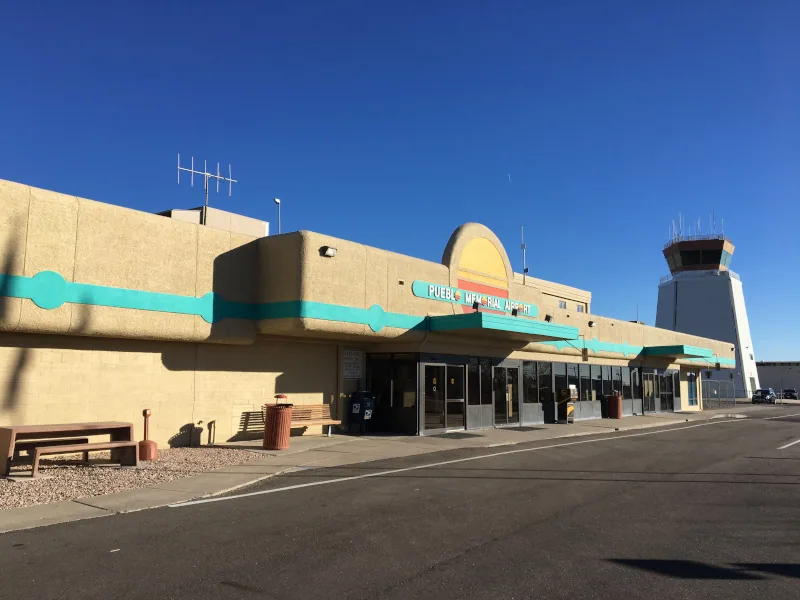
Plan airport-area commercial roofing in Pueblo with a building inspection, access sequence, and defined scope for hangars or support facilities.
Pueblo Memorial Airport is a full-service municipal airport with hangars, fuel, maintenance, charter, and commercial-flight services. Roofing near an active airfield starts with the building’s access controls and operating schedule, then the actual assembly and work boundary. We coordinate the roof walk with the property contact, map penetrations and drainage, and identify how tools, lifts, and materials can reach the work area without disrupting site activity.
Development sites at Pueblo Memorial Airport have direct taxiway access to runways and about 40 acres available for expansion. Those facts describe airport development context, not the configuration or occupancy of a particular building. The park is adjacent to US 50 and about five miles from I-25. We verify the route, staging area, security requirements, and roof condition at each facility before proposing repair or replacement.
What does the first inspection need to confirm?
Inspect roof zones, seams, drains, edge details, hangar transitions where present, rooftop equipment, and any prior repairs. Note which areas are accessible, which require escort or additional clearance, and whether maintenance operations limit the work window. If a building plan is available, compare it with exposed layers and mark any difference. A roof map should separate verified conditions from areas that could not be inspected.
A commercial roof inspection can record visible conditions and photographs. If an interior leak is active, leak investigation connects the reported area with the roof geometry without assuming the nearest detail is the water-entry point. For moisture below the surface, infrared screening may help target follow-up where conditions suit the method. The owner still needs direct confirmation if hidden layers determine the repair.
At an airport property, ask the site contact about access badges, vehicle routes, lift placement, equipment staging, and whether work must be separated from aircraft, maintenance, or fueling activity. Those controls are site-specific. The airport’s services list does not tell us what a particular facility requires, so we include the responsible contact and clearance steps in the schedule before mobilization.
How does a hangar or maintenance building affect roofing scope?
A hangar roof can have long-span framing, large door interfaces, ventilation, and equipment penetrations, but the actual structure and assembly must be confirmed. We inspect transitions at doors, parapets, curbs, and roof-to-wall conditions, then determine whether the repair is a metal detail, membrane seam, flashing, or drainage issue. The roof plan and a safe field walk decide which details apply.
For a metal assembly, a standing-seam review can assess panel laps, clips, fasteners, and transitions. For low-slope membrane surfaces, a TPO option or EPDM system can be compared only after the structure and substrate are understood. A perimeter detail scope may also be needed where edge metal or gutters affect water discharge.
Where hangar doors, mechanical equipment, or fueling services remain active, coordinate exclusion zones and any required shutdown with the facility. Keep drains clear and avoid staging material where aircraft, maintenance staff, or service vehicles need to move. If a roof opening is needed to confirm deck condition, agree on interior protection and a same-shift secure stop point before cutting begins.
What Pueblo weather conditions affect the roof work?
Pueblo’s July average high is 93.4°F and its mean January low is 15.4°F. Pueblo’s seasonal averages help with planning, while roof temperature, moisture, and the daily forecast set the work window at the airport. We check substrate temperature, surface moisture, wind, and forecast before applying material or exposing a roof zone. If the roof cannot be closed watertight within the planned window, temporary protection and a return sequence need to be defined before work starts.
The site’s US 50 connection and location about five miles from I-25 can help frame delivery routes, but the property controls its own gates and staging. A St. Charles Industrial Park roof project may use a rail-served route, while an airport site has its own security and operational constraints. We do not carry access assumptions from one district to another.
For a phased replacement, divide the roof so crews can remove and install within an agreed zone. Identify equipment clearance, lift timing, interior protection, and who can approve a change if wet insulation or damaged decking appears. The owner should know which portion is secure at shift end and whether any temporary cover remains. If weather affects a seam or flashing detail, record the installation conditions and inspect the completed tie-in before leaving the area.
Before work starts, agree on who can release each roof zone, how weather holds will be communicated, and where temporary protection will be staged. A closeout walk should confirm drains and access paths are clear, openings are secured, and the owner receives photographs tied to the marked roof plan. That record helps maintenance staff distinguish completed work from areas reserved for later investigation.
When is repair enough for an airport-area roof?
A localized split, loose edge, or failed penetration can be repaired when surrounding material is sound and compatible. Widespread moisture, recurring leaks, damaged deck, or multiple transitions may call for a broader comparison. We measure the confirmed work and list concealed conditions that could change the scope. The airport setting affects access and sequencing, but the repair decision follows the actual roof.
For an open seam, seam repair review identifies the affected length and endpoints. A damaged curb may need a flashing assessment. Targeted repair can address a defined defect; a replacement plan can compare broader work after inspection. If the owner considers another layer, assess existing build-up, drainage, attachment, and substrate first.
Keep temporary stabilization separate from permanent replacement. An active opening may need secure protection while airport or facility operations continue. The work order identifies its limit, check interval, and who will report movement or water entry. Permanent scope should then say which material is removed, what transition is restored, and which roof zones remain outside the project.
What should airport-area closeout include?
Record roof zones inspected, products installed, seam and flashing details, drainage work, photos, access restrictions, and any condition that changed the scope. Note whether a hangar or maintenance area remained operational and how the crew separated the work zone. If a region could not be accessed, call it out so a later inspection can close the gap.
The design lead should first establish which permitting office reviews the airport parcel and whether the planned work changes the assembly or insulation. The applicable adopted requirements and permit steps belong in the project schedule before procurement. We keep that review tied to the specific roof scope, since a code listing alone does not confirm the deck, attachment, or condition found in the field.
A PuebloPlex-area roof survey has its own site plan and access process; it should not be treated as an airport facility. A condition report can preserve closeout images, work limits, and remaining recommendations. The owner receives a record that matches the airport property and the work actually performed.
Commercial Roofing Questions
Can roofing work proceed near active airport operations?
The facility’s access, security, and operating controls determine the permitted work window. We coordinate with the site contact, identify any lift or vehicle restrictions, and set a boundary that keeps roofing activity within the authorized area.
Do airport hangars all have the same roof system?
No. The airport’s services include hangars, but each building’s structure and membrane or metal assembly must be verified. We use plans and field inspection to select the repair detail.
Can you repair a hangar door flashing without a full reroof?
A local transition may be repairable if adjoining material and substrate are sound. We inspect the door interface, wall and roof details, then define a measured boundary. Broader deterioration may call for a separate replacement comparison.
What should we provide before the roof walk?
Share the site contact, access or escort process, building and roof plans, prior repairs, interior reports, and any operating restrictions. That allows us to coordinate a safe inspection route and plan material staging.

Schedule an airport-area roof inspection
Provide roof plans, facility access rules, operating windows, repair records, and known leak locations. We will inspect the assembly and coordinate the work boundary with the property contact.
Call 555-555-5555 or email [email protected].