
Home / Roofing Capabilities / Commercial Roof Capital Planning
Commercial Roof Capital Planning in Pueblo, CO
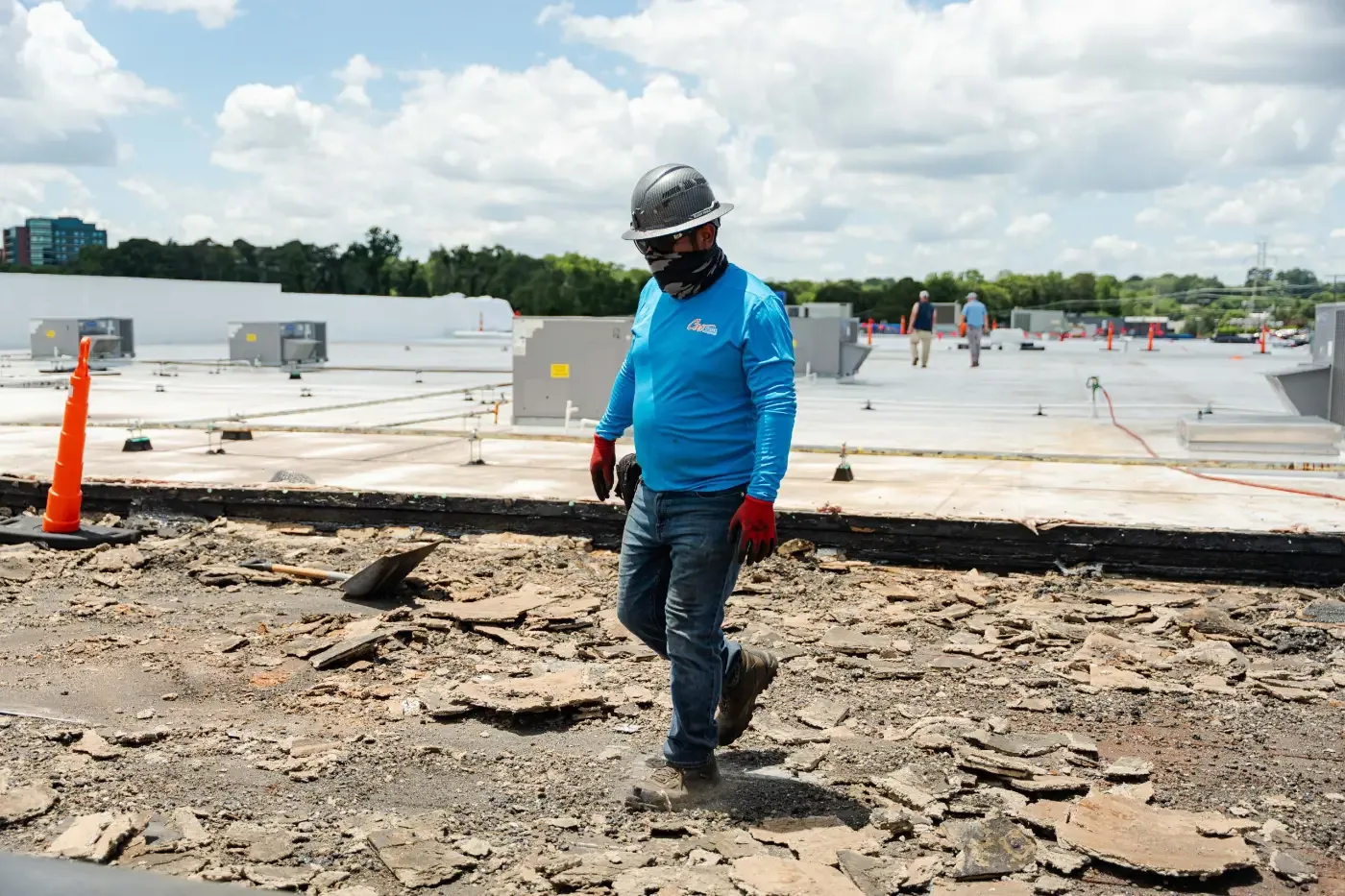
Plan commercial roof capital work in Pueblo, CO with measured condition priorities, phasing options, and clear assumptions for each building.
A roof budget should follow a documented condition, not a calendar assumption. We inspect the assembly, record active exposure and recurring repairs, and separate immediate protection from planned renewal. The capital view states which roof zones are ready for a defined project, which need more testing, and which can be monitored. Where concealed materials remain unknown, the estimate carries that uncertainty as a scope condition instead of hiding it in a single total.
Pueblo’s employment map includes heavy industrial, airport, rail-served, and redevelopment areas. A project at Minnequa Industrial Park may have a different delivery sequence from work at PuebloPlex or Downtown. The property’s location helps frame logistics, but roof assembly, occupancy, access, and repair history must be confirmed for each building before a funding recommendation is made.

What evidence belongs behind a roof budget?
Start with current roof plans, past repair records, inspection photographs, known leaks, and any test results that confirm wet insulation or deck conditions. Mark every observation to a roof zone and distinguish a visible issue from an inference. Include access restrictions, equipment coordination, occupied areas, and likely removal or staging needs. Those factors affect labor and phasing even before material selection, so a budget that omits them is difficult to compare with a later proposal.
A condition report can give the owner a consistent evidence set for planning. If water is suspected below the surface, moisture screening may help select test locations when the method is suitable. A follow-up roof inspection can verify the repair areas and note changed conditions. Keep testing costs and confirmed construction quantities separate so the budget shows what is known and what remains contingent.
Label each quantity as a field measurement, a plan measurement, or an allowance pending a roof opening. Note the date and area inspected because a storm or repair can change the condition. If a bid includes a provisional amount for concealed damage, state the trigger for using it and the approval path. This is more useful than presenting an exact number before the roof has been opened and the substrate seen.
How should projects be ranked across buildings?
Separate active leaks, safety conditions, recurring repair locations, and planned capital renewal. A building with a localized open flashing may need prompt action without moving its whole roof to the top of the replacement list. Conversely, widespread wet insulation or failing attachment can affect interior operations and justify faster evaluation. The ranking should state its basis and be revisited when new inspection findings arrive.
Compare a targeted repair with full replacement only after the roof assembly and affected area are defined. A recover assessment may be another option where existing layers, moisture, attachment, drainage, and code allow. We identify what each alternative includes, such as removal, tapered insulation, edge work, penetrations, and interior protection, and show which condition could change that scope.
Do not combine urgent leak response with a future roof program in a way that obscures both. Set aside a near-term repair budget for confirmed exposure and a separate planning amount for a larger project. If a test opening or structural review is needed first, treat it as a decision gate. The owner can then authorize investigation before committing to work that depends on concealed conditions.
How can roofing work be phased around Pueblo operations?
Pueblo’s summer exposure and winter snowmelt call for different work windows. Current roof temperature, wind, and precipitation determine whether installation can proceed, with each phase protected at a watertight stop point. A phased plan can set a starting zone, daily watertight boundary, and weather allowance. It should also identify material storage, lift access, and the sequence for moving equipment or tenants around active work.
St. Charles Industrial Park has rail service and I-25 access; Pueblo Memorial Airport industrial sites are next to US 50. Those transportation facts may inform delivery planning, but they do not establish a building’s staging capacity. A Minnequa-area capital survey begins with the facility’s route and work windows. For commercial properties in Downtown, access and roof loading may differ; the project lead confirms building-specific controls before phasing is priced.
For occupied buildings, divide work by areas that can be closed, areas that need temporary cover, and areas that must remain accessible to maintenance teams. Coordinate noise, odors, shutdowns, and interior protection with the operations contact. A schedule should not assume the roof can be opened everywhere at once. The work plan needs a close-of-shift boundary that leaves no active area exposed to changing weather.
What can change the project cost or approval path?
Scope drivers include the number of existing layers, wet or damaged substrate, deck condition, parapets and edge metal, penetrations, drain work, access, disposal, and the amount of interior protection required. If the roof plan differs from the exposed assembly, quantities may change after opening. We note which conditions are confirmed and how added work would be approved. This gives the owner a basis for comparing proposals without implying that an allowance is a final price.
For work under Pueblo Regional Building Department jurisdiction, the 2021 IBC, IEBC, and IECC apply, subject to current amendments. Confirm the parcel’s reviewing authority and permit path before design assumptions are fixed. A warranty review should also identify documents and maintenance obligations, but the owner must confirm which coverage remains active.
Capital work may interact with roof drainage, insulation, equipment supports, and future solar plans. If the owner is considering photovoltaics later, review the deck, attachment plan, and roof service life together rather than add a generic allowance. A solar-ready roof evaluation can identify coordination decisions where the building and proposed project call for them. Keep upgrades distinct from required repair so budget approval remains clear.
What should the capital plan deliver?
Deliver a building list, roof-zone maps, evidence summary, options, phasing considerations, and the next decision needed for each project. State how recent each inspection is, what was inaccessible, and which quantities rely on an assumption. A plan should name immediate repair needs separately from projected renewal and identify the trigger for revisiting priorities.
For a portfolio, maintain consistent terms but preserve building-specific findings. Roof asset records can carry the inspection and repair history forward, while a multi-site program can coordinate procurement and access across facilities. Neither should flatten differences in roof construction, operations, or local jurisdiction.
Bring prior bids, repair tickets, plans, access rules, and known leak locations to the planning walk. We will document field conditions, identify where testing is needed, and outline options by zone. The result is a capital discussion based on what the roof shows and what remains to be confirmed.
Commercial Roofing Questions
Can you estimate replacement timing from the roof age alone?
Age is one input, but condition, repair history, assembly, and exposure matter too. We document visible findings and testing results, then state what supports a near-term project or continued monitoring. A roof’s age by itself does not establish its remaining service life.
How do you handle unknown deck or insulation conditions?
We identify where the records are incomplete and describe the inspection or test opening needed to confirm them. If concealed damage could change quantities, the plan shows a decision gate and the approval path rather than treat the assumption as a confirmed scope.
Can work be split over more than one budget year?
Often, if roof zones can be separated without creating weak tie-ins or repeated mobilization risk. We evaluate exposure, drainage, operations, and temporary protection, then describe which phase can stand on its own and what should be completed together.
Does a capital plan include permit and warranty review?
It can identify the authority to confirm, likely permit questions, and records available for warranty review. Current jurisdiction and coverage terms must be confirmed for the property before construction decisions are finalized.

Plan a Pueblo commercial roof budget
Share available roof plans, past bids, repair records, access rules, and active leak reports. We will inspect priority zones and prepare options with phasing, assumptions, and next decision points.
Call 555-555-5555 or email [email protected].