
Home / Roof Damage Repair / Commercial Ponding Water Roof Repair
Commercial Ponding Water Roof Repair in Pueblo, CO
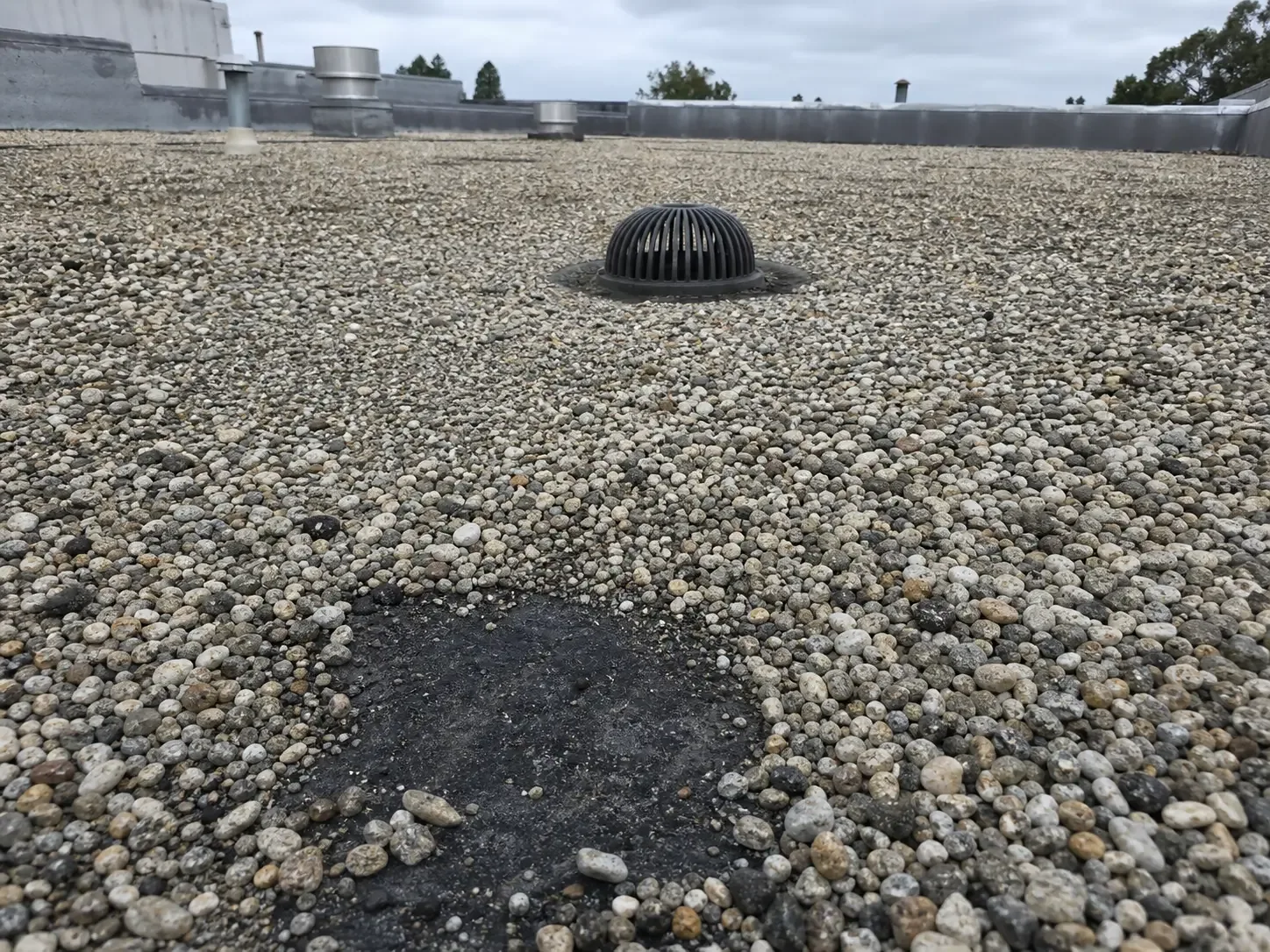
Diagnose ponding water on commercial roofs in Pueblo, CO by checking drains, slope, membrane, and substrate before defining a repair or replacement scope.
A puddle that remains after nearby areas dry points to a drainage question, not an automatic coating or patch. We check its depth and boundary, inspect the outlet, and look for membrane seams, compression, or a change in roof slope. Then we trace where water is meant to leave the roof and whether the surface or underlying assembly has shifted. The repair scope follows the cause found in the field, not only the visible water line.
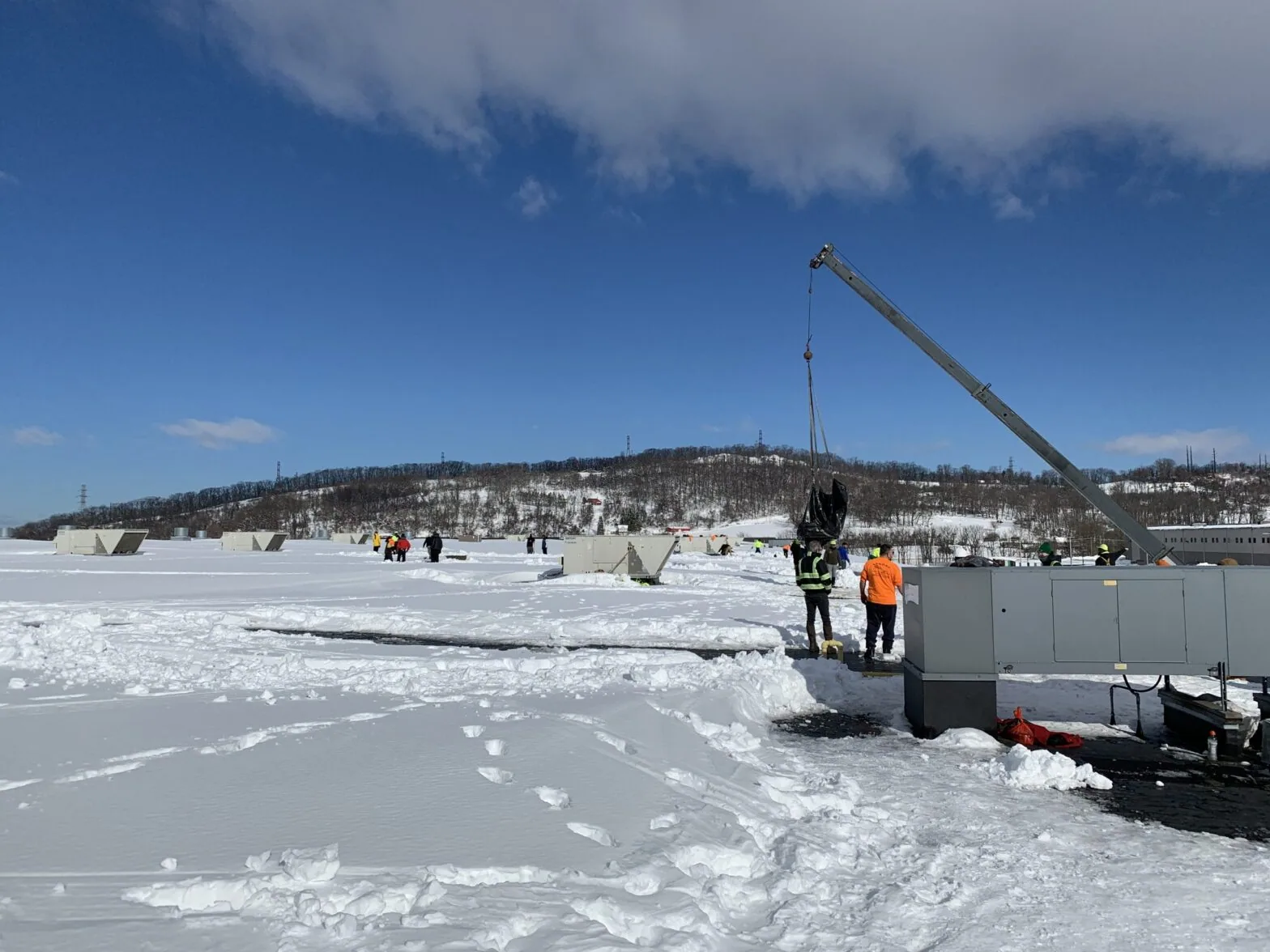
Pueblo’s average seasonal snowfall is 28.3 inches, and measurable snow normally spans from early November through mid-April. Meltwater can reveal slow drainage and low points after a period of snow. Local building contexts vary too: Around Lake Minnequa, commercial properties follow two named corridors. Downtown also includes historic commercial and mixed-use buildings. These broad settings can inform access planning, but only a roof walk establishes the drainage layout. These facts are not evidence of ponding at a particular property. We inspect each roof and confirm drainage, slope, and access on site.
What should be checked around a standing-water area?
Start at the lowest point and work outward. Check whether a drain or scupper is open, whether the clamping ring or drain bowl is secure, and whether debris or a damaged connection is slowing flow. Then inspect nearby seams, flashing, and membrane for blisters or stress. If water covers a broad plane, verify slope and look for signs of deck deflection or insulation compression before proposing a surface repair.
Drain and scupper service can resolve an obstructed outlet or damaged drain connection. A roof condition inspection can document the surrounding membrane and slope. Where moisture beneath the surface is suspected, infrared screening may help locate areas for follow-up when conditions support the method. It does not identify the cause of ponding by itself, so the inspection still needs to relate readings to drains, elevations, and known roof repairs.
How can ponding affect the roof assembly?
Water held against a seam or flashing can increase the time a weak detail remains wet and can expose a problem that routine dry-weather viewing misses. If the insulation is saturated, the surface may compress and deepen the low area. If a drain has separated, water can enter around the outlet rather than through the field membrane. We identify which condition is present and whether a small opening is needed to confirm concealed materials.
A leak investigation can follow water entry below a ponding zone, while a separate snow and ice roof review can assess related winter effects. Identify the confirmed water-entry point and keep the repair boundary explicit. Replacing a drain does not correct a slope problem, and patching a seam does not restore a compressed substrate. If several wet areas share one drainage path, map them together before selecting a repair.
When does ponding call for more than drain cleaning?
A blocked outlet may need cleaning and a small repair to the connection. A damaged drain body or failed flashing requires a different detail. Where low slope or deflection holds water across a broad area, the options may include correcting drainage, replacing affected insulation, or evaluating a larger section of the assembly. We measure the area and identify the work limit, then separate confirmed wet material from any area that remains untested.
If the substrate is stable and membrane remains sound, a localized roof repair may be appropriate. For widespread wet insulation or recurring drainage failure, a replacement comparison can include slope correction, drain details, membrane, and tie-ins. A coating should not be used to disguise water held by a structural or insulation condition. The proposal should state which option addresses the cause and what evidence would change the recommendation.
How should Pueblo weather change the follow-up?
Snowmelt and freeze-thaw periods can reveal slow outlets and seams that are not obvious during a dry inspection. Pueblo’s mean last measurable snowfall date is April 13. Snow can remain or return outside that average, so the current roof and forecast still control access. After a melt, record how long water remains, whether its boundary changes, and whether drainage paths are clear. Those observations help compare a repeated pond with a one-time blockage.
Lake Minnequa’s commercial areas connect along Lake Avenue and Pueblo Boulevard, while Pueblo West includes employment and retail uses near its Highway 50 connection. The property’s setting may affect access and staging, but it does not establish slope or roof condition. A Lake Minnequa-area roof walk still begins with its own measurements. If a repair requires reopening a drain or membrane during poor weather, set a temporary protection plan and a secure end-of-shift point.
What should the owner monitor after drainage repair?
Closeout should show the drain or low area treated, membrane and flashing details installed, photographs, and any limitation that remains. Note whether water was present during inspection and whether the crew tested flow after work. If a larger area remains under observation, label its boundaries and schedule a follow-up. That record makes the next inspection more useful than a general note that the roof had standing water.
If the low area returns after cleaning, recheck slope, substrate, and drain connection instead of repeating the same surface patch. When a seam opens near the depression, a seam-failure inspection can separate membrane separation from a drain issue. Keep the drainage result and any interior leak report tied to the same roof-zone map.
Follow-up should compare the same locations under similar conditions where possible. Record when rain or snowmelt ended, when the water boundary was photographed, whether the outlet was clear, and how much of the area remained wet. A photograph without a time note can show a pond, but it cannot show whether drainage is improving. If safe access is unavailable during precipitation, take the next observation after conditions allow a roof walk rather than infer how the water moved.
For a persistent low point, measurements should include the elevation change toward the drain, the edges of any compressed insulation, and the nearest seams or penetrations. If opening the assembly becomes necessary, agree on a stop point and temporary closure before cutting begins. That keeps the owner informed about the test area and separates the cost of confirming concealed conditions from the permanent repair decision. The closeout should identify who received the photos, which zone remains under observation, and when the next check is planned. If the building has active operations below, include the affected rooms or equipment so the facility contact can coordinate interior protection.
Commercial Roofing Questions
How long should water remain on a commercial roof?
The time depends on the assembly, outlet, slope, and weather. We inspect after a reasonable drainage interval and look for a recurring boundary, blocked outlet, or surface depression. A single wet observation does not identify the cause, so note conditions and compare with a follow-up if needed.
Can drain cleaning fix ponding?
It can when obstruction is the cause and the surrounding drain connection and slope are serviceable. If water remains after the outlet is clear, inspect membrane, insulation, and deck for other contributing conditions. The repair should match the confirmed cause.
Does ponding mean the roof needs replacement?
Not by itself. A localized blockage or drain detail may be repairable. Broad low areas, compressed insulation, repeated wet conditions, or widespread membrane failure may justify a larger comparison. We document the assembly and measured area before recommending renewal.
What records help diagnose a recurring low spot?
Keep dated photographs, recent weather, approximate water boundary, drain condition, and prior repair notes. A roof plan with the low area marked can help compare observations. We use those records alongside current measurements and inspection findings.

Schedule a ponding-water roof inspection
Share roof plans, photos after precipitation, drain locations, and prior repairs. We will inspect the low area and outlets, measure the affected zone, and define options by cause.
Call 555-555-5555 or email [email protected].