
Home / Roof Systems / Commercial EPDM Roofing
Commercial EPDM Roofing in Pueblo, CO
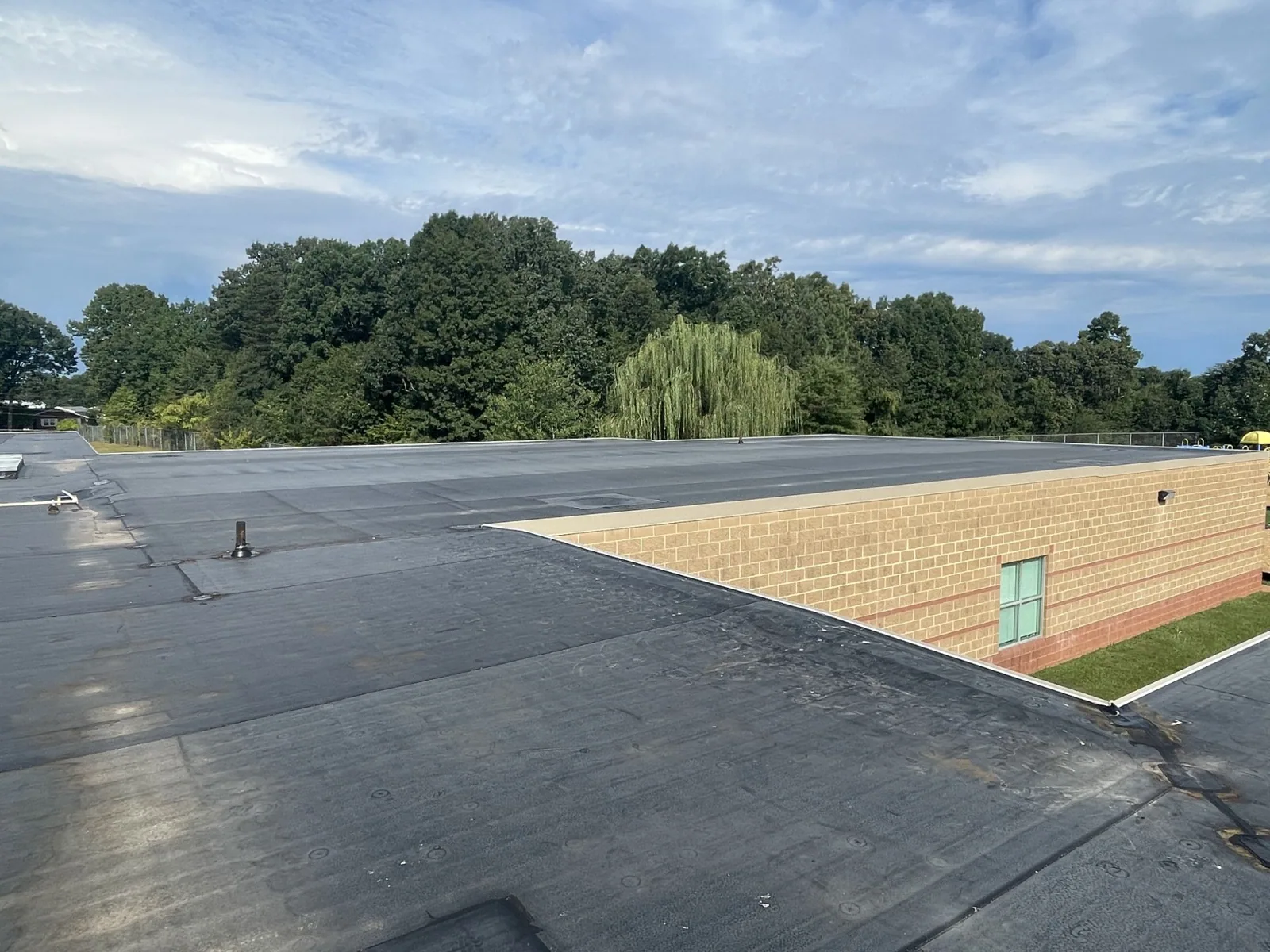
Repair or replace Pueblo EPDM roofs with attention to seam adhesion, flashing transitions, puncture exposure, insulation, drainage, and maintenance.
A black EPDM sheet can remain flexible while a seam adhesive, pipe boot, or perimeter termination has begun to separate. The membrane surface alone does not show whether the roof is holding water out. We inspect the field sheet, seams, flashings, attachment, insulation, and drainage before deciding whether a localized repair will hold or the assembly needs renewal. In Pueblo, CO, summer roof temperatures and seasonal snow make the condition of the entire water path relevant, from the high point through each drain and edge.
Industrial and redevelopment properties bring different traffic and access demands. St. Charles Industrial Park is a rail-served area along the I-25 corridor, while PuebloPlex includes a large group of existing buildings and storage igloos. Those area facts do not tell us which roof assembly a specific building has. We verify the installed membrane and past repairs, then connect the roof findings to the building's use, equipment access, and delivery plan. An EPDM recommendation is specific to the actual sheet and substrate, not just the color or age shown in a record.
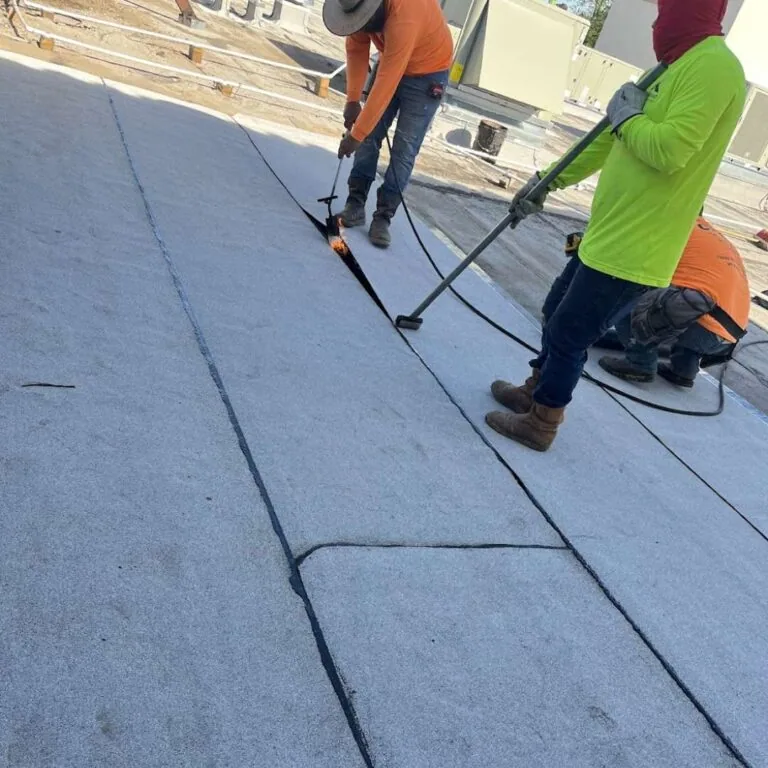
Where do EPDM roofs most often need close inspection?
We inspect laps, adhesive seams, cover strips, pipe boots, curb corners, roof edges, drains, and transitions to walls or other membranes. A seam can be open at one section while the adjoining run remains bonded, so we probe the suspect area and follow it to a sound limit. Shrinkage can pull sheet material away from a curb or perimeter. A puncture from tools or service traffic may be small, yet water can travel beneath the sheet before it appears inside.
Repairs also depend on surface condition. Dust, oxidation, old adhesive, standing water, or an incompatible prior patch can interfere with a new bond. We prepare the sheet using a compatible repair detail, then check that the patch edge and surrounding seam remain secure. A roof inspection records the visible issue and its limits; leak investigation can trace an interior report to the roof instead of assuming the nearest seam is responsible. Where equipment traffic is the cause, we identify the route and discuss walk pads or a changed access path along with the membrane repair.
When can a repair preserve the existing EPDM?
A limited puncture, open splice, or isolated flashing defect may be repairable when the surrounding membrane is sound, the insulation is dry, and the sheet remains attached. We define the patch boundary, detail the preparation, and inspect the nearby transitions so the repair does not stop at another open seam. Where the material has pulled away across several curbs or the surface has multiple prior repairs, the owner should compare the cumulative work with a larger replacement area.
Water below the sheet can change the decision. If moisture is suspected, a visual walk may not show its full extent. We can discuss targeted testing, including test openings with approval, to confirm the insulation and deck condition. An infrared moisture survey can identify areas for further verification under suitable conditions. The written findings separate observed membrane defects from confirmed wet material. That distinction helps the project lead measure the base repair and review any concealed-condition change before the opening expands.
How do replacement layers change the roof decision?
EPDM replacement requires coordination between sheet thickness, seam method, insulation, cover board, attachment, edge termination, and flashing. We confirm the deck and existing layers and review attachment requirements with the design information. A change in insulation height affects curb and edge details; a recover can add weight or conceal moisture if the existing assembly has not been checked. Code and project requirements also apply. Before attachment and insulation details are priced, the project lead confirms which building department reviews the parcel and which permit editions apply.
EPDM may be compared with TPO or PVC when a new assembly is being considered. The comparison should cover attachment, seam construction, flashing, exposure, service conditions, and project specifications rather than membrane name alone. For a broader assembly change, a replacement plan can set the tear-off limit and substrate allowance. If an overlay is proposed, a recover review should identify moisture, attachment, drainage, and finished-height constraints before pricing is fixed.
How should heat, snow, and access affect the work?
Pueblo's summer heat can change adhesive handling, while winter snow and freeze-thaw make drains, low areas, and flashing transitions worth reviewing before work is scheduled. Those seasonal patterns frame planning, but the roof's surface, slope, drainage, and current forecast govern daily decisions. Warm conditions can affect adhesives and safe labor periods. Cold or damp surfaces can complicate preparation and temporary protection. Snow and freeze-thaw make drains, low areas, and flashing transitions worth checking before and after the season.
Material delivery and roof access should be tied to a realistic daily zone. At an industrial site, the laydown area may compete with shipping or rail operations, and the site contact must identify the approved route. The Pueblo climate does not establish the conditions on a particular roof, so we check the work surface before opening it. For buildings that remain active, occupied-roof phasing can coordinate tenant and equipment access. Work stops are set so open insulation and loose sheet are not left exposed if a weather hold shortens the shift.
What should the owner track after EPDM work?
Closeout should identify repaired seams, replaced flashings, patch limits, and roof areas that were not included. Photographs show the finished tie-ins and any conditions that remain for monitoring. Product information and care instructions belong with the facility record, along with the plan for safe access to drains, rooftop units, and service routes. If the repair involved a concealed opening, the record should show what was found and how the assembly was restored.
Routine checks can catch a new puncture, lifting seam edge, loose pipe boot, or blocked drainage path before water reaches the interior. A maintenance visit can record those changes and preserve the baseline from the roof work. For an owner managing several buildings, roof asset planning can keep system type, condition, repair history, and replacement timing in one record. Bring roof plans, prior repair notes, and access restrictions to a Pueblo roof walk. We will verify the EPDM assembly, mark the repair boundary, and leave the project lead with a clear handoff for the next inspection.
Commercial Roofing Questions
Can adhesive tape repair a separated EPDM seam?
A seam tape repair can work when the membrane is compatible, clean, dry, and prepared to the system requirements. We check the separation, remove contaminants, and extend the repair to material that can bond. If shrinkage, wet insulation, or widespread adhesive failure is present, a tape patch alone may not address the condition.
Why can an EPDM roof leak far from the visible damage?
Water can move beneath the sheet or through insulation before it reaches the interior. We inspect nearby seams, penetrations, low areas, and deck transitions, then trace the likely path using the roof layout and observed conditions. A leak location inside is a clue, not proof that the opening directly above it is the source.
Can EPDM be coated instead of replaced?
A coating is only appropriate when the existing sheet, seams, flashings, and substrate are suitable for the specified coating system. We first identify the membrane, adhesion, moisture, and detail condition. If the roof has active seam failure or wet insulation, those issues need a repair or removal plan before a restoration product is considered.
What should be checked after service crews work on an EPDM roof?
Inspect the travel path, equipment area, penetrations, and any location where tools or parts could contact the sheet. Loose fasteners, dropped hardware, and shifted walkway pads can create puncture risk. We can document the route and any damage, repair confirmed defects, and discuss a protected service path with the facility contact.

Trace the EPDM condition before choosing a repair
Bring roof plans, leak history, prior patch records, and site access limits to a roof walk. We will check seams, penetrations, drainage, and insulation conditions, then define the repair or replacement boundary.
Call 555-555-5555 or email [email protected].