Home / Roof Systems / Commercial TPO Roofing
Commercial TPO Roofing in Pueblo, CO
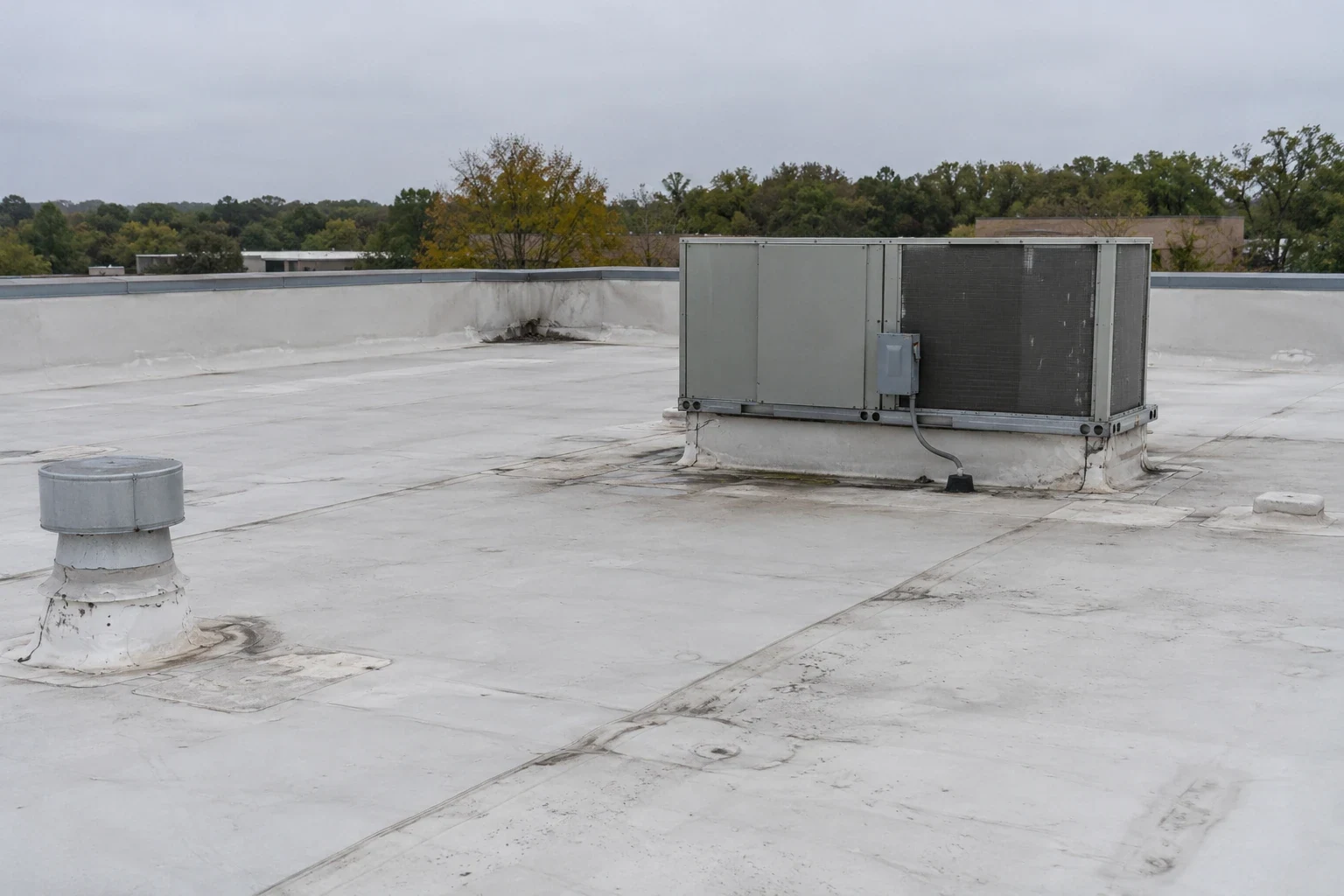
Install, repair, and inspect Pueblo TPO roofs with attention to weld quality, insulation, drainage, perimeter attachment, and safe work sequencing.
A TPO seam can look closed from the roof hatch and still need a closer check at a corner, curb, or change in plane. We inspect the weld, sheet condition, flashing, and perimeter as one assembly before recommending a repair or replacement. In Pueblo, CO, summer roof temperatures and winter freeze-thaw cycles influence when membrane work can be installed and tested. The decision starts with the existing roof, not the label on a product sheet: identify the membrane, check the substrate, and map the roof zones that can accept the proposed work.
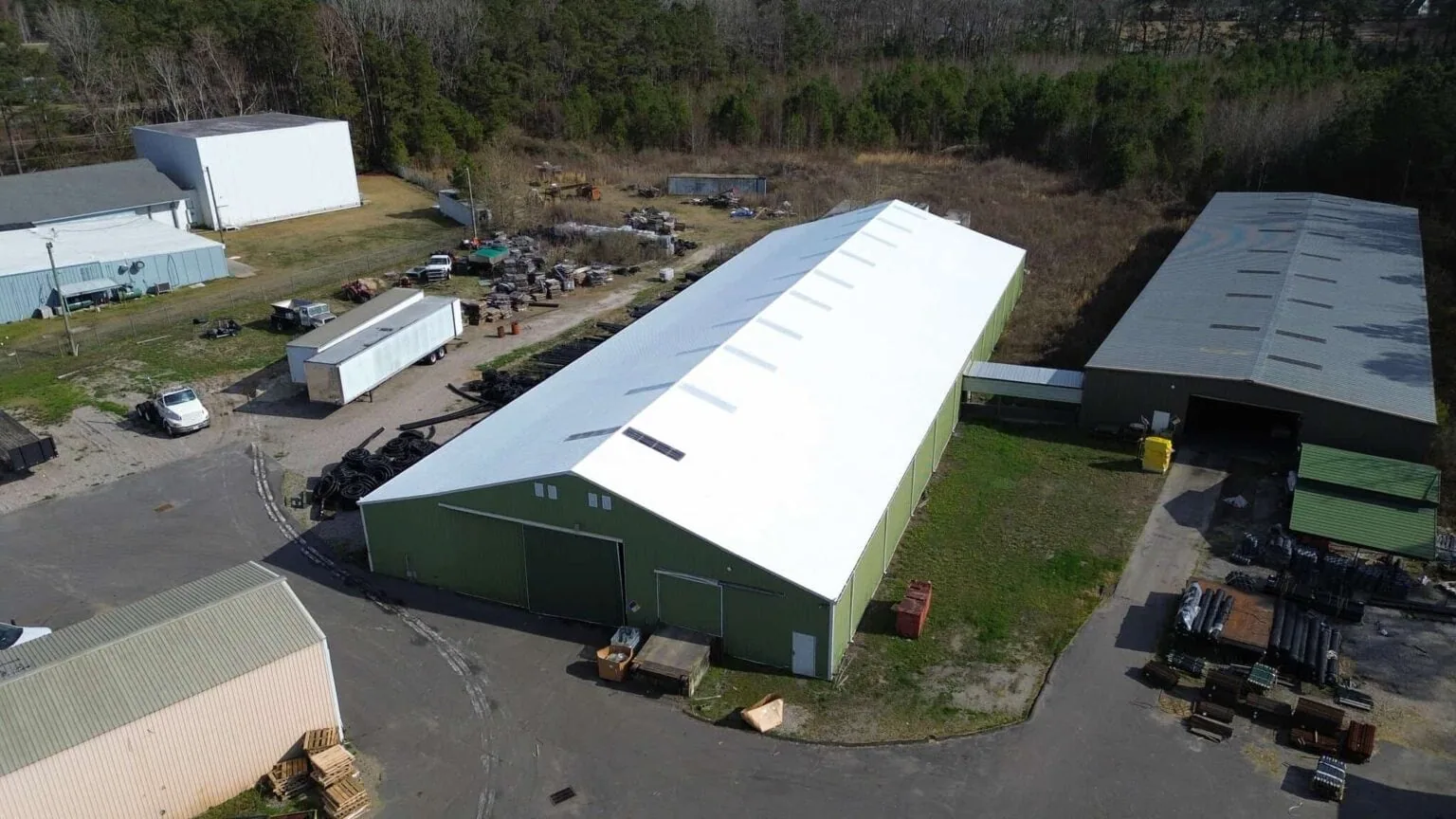
Commercial roofs around the EVRAZ Industrial District and St. Charles Industrial Park serve manufacturing and industrial activity, while PuebloPlex contains a large redevelopment campus with many buildings. Those place facts help frame delivery and staging questions, but they do not establish the roof system on an individual property. We confirm membrane type in the field, review available records, and connect the assembly choice to drainage, deck condition, access, and the building's operating schedule.
What do we check before choosing a TPO scope?
The walk begins at seams and transitions, where a sheet meets a curb, pipe boot, drain, edge, or another roof material. We check for open welds, shrinkage, punctures, abrasion, failed flashing, loose termination, and signs that water has reached insulation or deck. A roof record may name TPO but omit a later repair or recover layer. Test cuts or other approved verification can resolve that uncertainty when the owner authorizes an opening and the area can be restored safely.
We also assess the drainage path, roof slope, ponding, equipment clearances, expansion joints, and access routes. A leak stain below may not align with the roof opening, so we trace the assembly instead of patching the nearest seam by assumption. A commercial roof inspection can map visible conditions and set repair boundaries. Where moisture is suspected in a larger area, an infrared moisture survey can focus further testing under suitable conditions. The resulting scope identifies what was observed, what remains concealed, and which decision needs the project lead's approval.
How should seams and penetrations be evaluated?
Heat-welded TPO seams rely on compatible surfaces, a controlled temperature and travel speed, and a complete bond through the overlap. Dirt, moisture, wrinkles, excessive heat, or a change in membrane thickness can affect that bond. We examine the edge of a suspect weld and use an appropriate probe or test method rather than judging the whole run by appearance. At corners and penetrations, the preformed or field-fabricated detail must fit the curb geometry and remain secure through the membrane's movement.
Repairs need to restore a sound surface and preserve the water-shedding direction. A patch should extend onto clean, compatible membrane with rounded corners and a completed weld; a patch over a wet or contaminated surface can conceal the underlying problem. Where multiple penetrations or curb details repeat across a roof, we note their type and condition individually so the estimate reflects actual quantities. A curb and equipment detail review can coordinate flashing height, service clearance, and roof access before new units or supports are set.
When is repair, recover, or replacement appropriate?
A localized repair can fit when the membrane remains serviceable beyond a limited defect and the surrounding insulation and attachment are sound. Widespread seam failure, brittle or damaged sheet, wet insulation, or repeated leakage can move the decision toward replacement. A recover may be possible only when the existing assembly, moisture condition, attachment, deck, code requirements, and added height support it. We document those conditions rather than treating a lower-disruption option as automatically suitable.
The system decision also depends on the building's use and work sequence. Before a new membrane is installed, the owner may compare the existing assembly with PVC roofing or EPDM roofing based on design requirements, exposure, detailing, and maintenance needs. Each system uses different seams and flashing methods, so a transition detail matters when an addition or repair joins unlike materials. Our written scope distinguishes tear-off, substrate repair, insulation, cover board, attachment, field membrane, perimeter, and closeout so the bid can be compared at the same boundary.
How does Pueblo weather change the installation plan?
Pueblo's July normal reaches 93.4°F, and its snowfall normal is 28.3 inches. For a TPO crew, that range puts weld preparation, drain access, and temporary seam protection on the schedule; the roof surface and current forecast still govern the day's work. On installation day, we check the roof surface, wind, forecast, and material requirements. Hot membrane can handle differently than it does in cooler air, while cold or damp conditions can affect weld preparation and temporary protection.
We stage work so the crew can complete the prepared area and test its seams before opening the next zone. The plan identifies where material can be stored, how workers reach the roof, and which drains must stay clear. For a facility with an active production or shipping schedule, occupied-building phasing can set delivery windows and interior protections before tear-off starts. Severe weather during the job may require a stop and a secure temporary closure. We keep that weather response in the daily sequence so the roof does not depend on finishing a large area after conditions have changed.
What belongs in a comparable TPO proposal?
A useful proposal identifies the membrane type and thickness specified, attachment method, insulation and cover board, substrate assumptions, seam work, flashing details, edge metal, and the test or inspection steps. It should state which roof zones are included, what happens if concealed wet material or deck damage appears, and how a field change will be priced and approved. That level of detail helps the owner compare bids by assembly and responsibility rather than by membrane name alone.
Closeout should record the completed roof zones, seam and flashing photographs, material information, repairs outside the base scope, and any remaining condition to monitor. We review drains, hatches, edge transitions, and equipment clearances with the project lead before demobilizing. The owner can preserve findings in a roof condition report and maintain the finished assembly through scheduled roof care. If a full renewal is required, a replacement sequence can coordinate access, tear-off, and weather closure across the building. Bring roof plans, prior leak notes, and site restrictions to a walk; we will identify the TPO condition and draw a scope boundary that can be inspected at completion.
Commercial Roofing Questions
Can a failed TPO seam be repaired without replacing the full sheet?
Yes, when the surrounding membrane is clean, compatible, and securely attached, and the damage has a limited boundary. We probe the weld, prepare the repair area, and confirm the finished seam. If the sheet is contaminated, brittle, wet underneath, or failing across several runs, a patch may not address the underlying condition and a broader repair should be priced.
What does a moisture survey tell us about a TPO roof?
An infrared survey can point to areas that merit confirmation, but the survey method and roof conditions limit what it can show. We correlate the result with visible membrane conditions and use approved test openings when needed to verify insulation. The report separates measured observations from confirmed wet material so the replacement scope does not assume more than the evidence supports.
Can new TPO go over an existing roof?
A recover depends on the existing layers, moisture, deck, attachment, drainage, code, and added roof height. We review each item before recommending a new membrane over the assembly. If wet insulation or unstable material is present, removal may be required. The estimate should identify the verified conditions and define how concealed changes are handled.
How are welded seams checked at completion?
The installation plan should name the seam test and inspection points required for the specified system. We check completed welds after the material has cooled, probe critical details, and document the roof zones and repairs. If a result is outside the accepted requirement, the affected area is corrected and retested before the next phase is closed.
Inspect the membrane before setting the TPO scope
Share roof plans, leak locations, prior repair records, and operating limits. We will check seams, transitions, drainage, and substrate conditions, then define a TPO repair or replacement boundary for review.
Call 555-555-5555 or email [email protected].