
Home / Service Areas / Colorado State Fair and Events Center
Commercial Roofing at the Colorado State Fair and Events Center, Pueblo, CO
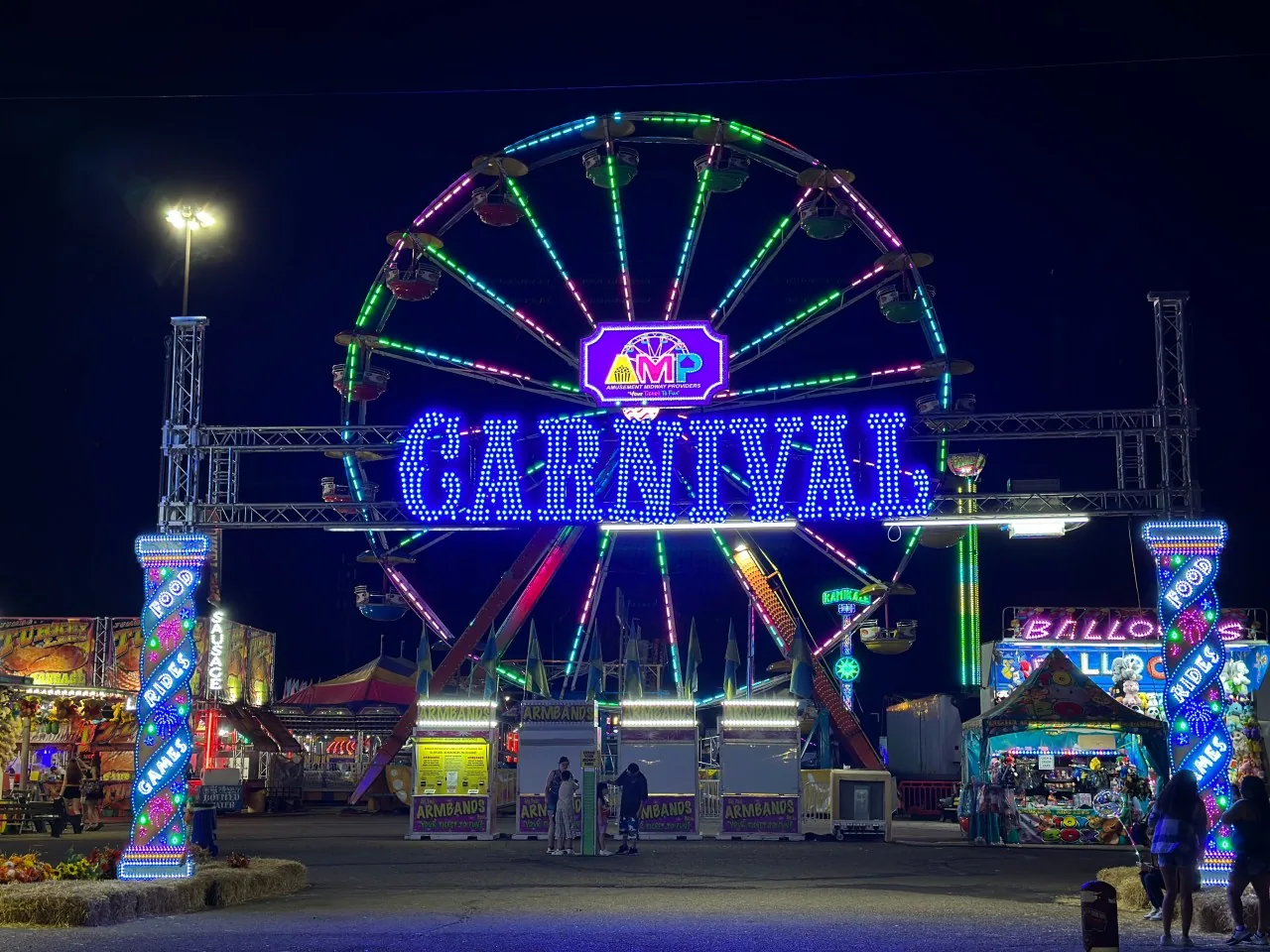
Plan roofing at Pueblo’s State Fair grounds with event-aware access, phased roof zones, and a repair scope based on inspected conditions.
Roof work at a multi-use events property needs an access sequence that fits the calendar as well as the assembly. The Colorado State Fair grounds occupy a 100-acre site in South Pueblo. Beyond the annual summer fair, the grounds host concerts, exhibits, car shows, agricultural events, and rodeos through the year. Those uses make event windows a project-planning question; they do not establish which buildings are active or what roof systems they have. We confirm the building, roof zone, schedule, and responsible site contact before setting a work boundary.
South Prairie Avenue has a commercial and office zoning hub in the surrounding opportunity area. We coordinate lift placement, delivery, pedestrian separation, and access to occupied areas with the property lead. Seasonal heat and winter weather affect product handling and drainage checks, so the inspection turns those general constraints into a sequence for the actual property.
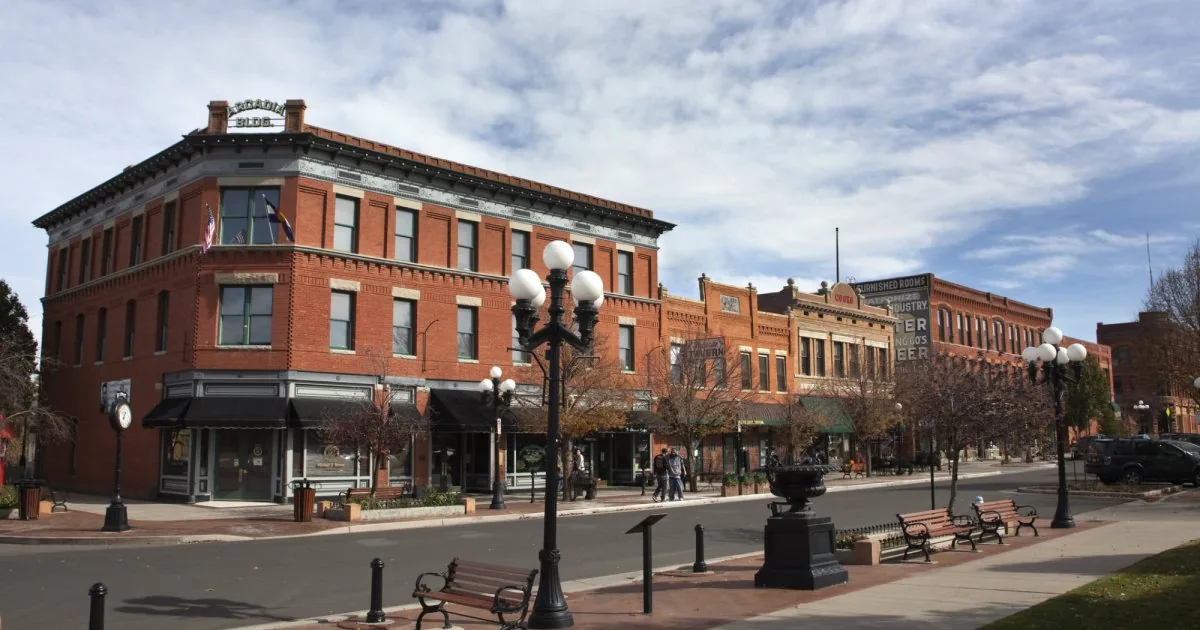
What should the first roof walk settle?
Start with the reported concern and map the roof area above it. We inspect seams, penetrations, transitions, drains, curbs, and prior repairs, then record what can be confirmed from the surface. If the issue might involve hidden insulation or deck damage, mark where direct investigation would change the recommendation. The owner needs to see the evidence, the work boundary, and any excluded zone before an event calendar accounts for repair work.
A commercial roof inspection records observed conditions and images. For active water entry, leak tracing follows likely pathways through the assembly and drainage. Where concealed moisture may change the scope, an infrared moisture survey can help choose areas for confirmation if the roof surface and weather support the method. No instrument result removes the need to open a roof when a hidden layer is decisive.
For an event venue, the project lead should share the event calendar, setup periods, vehicle routes, safety controls, and areas that cannot be blocked. We identify any noise or equipment restrictions and set a daily stop point that leaves roof zones secure before public activity resumes. The fairgrounds’ year-round event program provides the reason to plan carefully, while current access requirements must come from the site contact.
How do we choose repair, recover, or replacement?
A single puncture or failed transition can support a localized repair if the surrounding assembly is sound. Repeated seam separation, wet insulation, weak attachment, or deteriorated deck can move the decision toward broader removal. We verify layer count and substrate where accessible and describe the limits of a visual review. If opening the assembly reveals a different condition, we pause, protect the area, and present the changed work separately for approval.
For a membrane roof, a PVC system assessment checks the existing sheet, seams, penetrations, and tie-ins rather than assuming a replacement material. A compatible surface may be a candidate for coating restoration after drainage, adhesion, and moisture review. If removal is under consideration, a recover-versus-tear-off comparison evaluates existing layers and fastening capacity first.
Pueblo’s daily normals list average July and August highs of 93.4°F and 90.2°F. During a summer event period, we measure the roof surface against product limits and schedule openings only when the assembly can be secured before venue activity resumes. Those monthly values are citywide references, not a workday forecast. Current conditions and the event calendar determine the order and size of each roof zone.
How can the work avoid an event conflict?
Before mobilization, confirm setup dates, crowd routes, service entrances, utility access, and any scheduled use of the building below. The schedule should show deliveries, lift position, temporary barriers, and the roof area available during each phase. If the crew needs a quiet period or a roof opening above a public area, identify that window with the site lead before ordering material. Work should not rely on an assumed gap between events.
On a larger replacement, divide the roof into work zones that can be opened and closed without leaving a vulnerable edge. Coordinate sign, HVAC, and electrical trades so each penetration has an identified handoff. Protect interior equipment and stage materials where they do not interfere with event operations. If a storm changes the day’s plan, the crew secures the active zone, records the stop point, and communicates the next access date.
Nearby properties require separate planning. A Downtown Pueblo roof walk considers mixed-use access, while Pueblo Crossing retail roofing has customer and delivery flows of its own. The State Fair grounds, South Prairie Avenue hub, and other areas should not share a work boundary simply because they are in Pueblo. We record the specific contact, route, and restricted hours for this venue.
A calendar change after mobilization should trigger a quick review of the open roof area, not an improvised handoff. Close each scheduled zone before event setup traffic returns. We confirm whether the crew can finish and secure the current zone, whether materials need to be moved, and who communicates the revised access window. If public activity returns sooner than expected, the site lead and roofing supervisor agree on the boundary before the crew leaves. That decision keeps event setup separate from unfinished roof work.
What should the owner receive at closeout?
Before procurement, check which authority reviews the planned work at the fairgrounds parcel and what amendments apply. The property team confirms which permit authority reviews the parcel and which current code editions apply. Use that result to coordinate insulation, attachment, and drainage details, while keeping field investigation separate from the code review.
At handoff, compare completed work with the approved zone map, check seams and flashing, clear drains, and photograph the final details. Record any area excluded from the bid, deferred because of event access, or left under temporary protection. The property contact should receive a concise account of work performed and a separate list of unresolved conditions. That keeps event operations informed without implying that every building in the fairgrounds has been inspected.
A roof condition report can organize photographs and priorities by building. If service is ongoing, a maintenance schedule can place drainage and transition checks in workable access windows. The closeout also names who receives weather updates, who can release the next zone, and where the crew resumes after a public event or schedule hold.
Keep event setup notes with the roof sketch, including barriers, temporary covers, and the contact who can authorize a changed boundary. That gives the next shift a clear handoff after a calendar change.
Commercial Roofing Questions
Does the 100-acre site figure mean every building is part of one roof project?
No. Use the event calendar and the building’s access plan to set each roof work window. We inspect the specific structures included in the project and define their boundaries individually.
Can repairs be completed between events?
The event calendar and roof condition determine whether a short window is enough. We confirm access, curing or set time, weather, and the daily stop point before committing to a sequence.
What if a roof issue is found just before a scheduled event?
We identify whether the condition requires immediate protection, a defined repair, or a larger follow-up scope. Emergency service is available around the clock, and we coordinate access and reopening requirements with the site lead.
How do you document an area that could not be reached?
We label it on the roof map, record the access constraint, and keep it outside the completed inspection scope. A follow-up window can be scheduled when the area is available.

Coordinate roofing around the events calendar
Provide the event schedule, operating contacts, roof plans, and reported conditions. We will map access, inspect the assembly, and set a phased boundary with a secure stop point for each shift.
Call 555-555-5555 or email [email protected].