Home / Industries We Serve / Real Estate Investors and REITs
Commercial Roofing for Real Estate Investors and REITs in Pueblo, CO
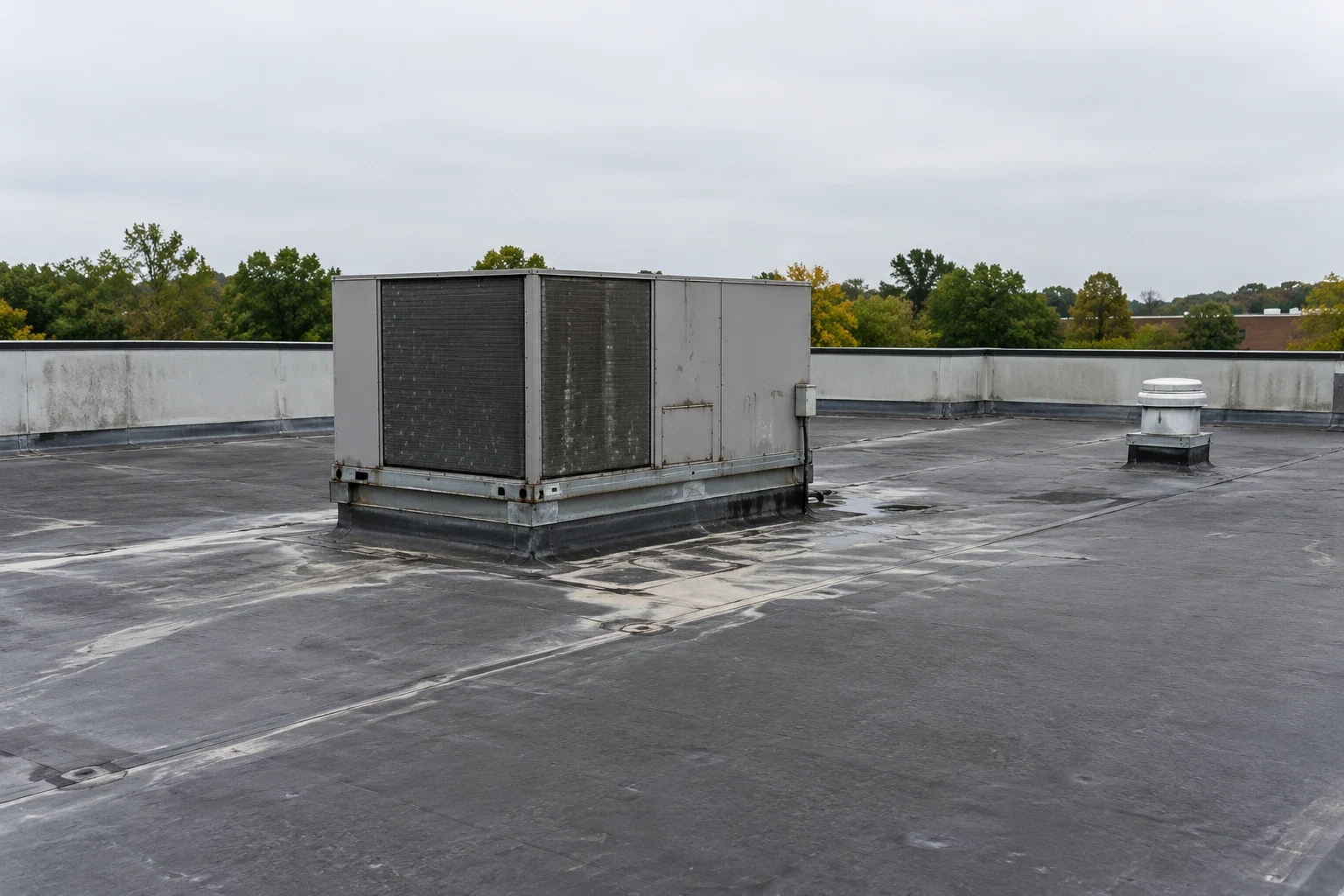
Compare roof capital work across Pueblo assets using measured findings, phased scopes, tenant impacts, and clear repair versus replacement limits.
A capital plan can look orderly until an inspection finds wet insulation beneath a surface that appeared serviceable. We connect the field condition to a repair or renewal option, identify what is confirmed, and state the open questions that affect cost and timing. For an owner with several Pueblo properties, each roof still needs its own measurement and assembly review. Consistent reporting makes assets easier to compare without converting one building’s findings into a portfolio-wide assumption.
Pueblo’s development context includes PuebloPlex, a redevelopment campus with existing buildings and planned manufacturing, warehouse, rail-related, research, and technology uses. Pueblo’s employment areas include St. Charles Industrial Park, EVRAZ Industrial District, and Downtown as planned employment areas. These different assets can have different access, tenant, and roof-system needs. We use the property’s actual records and a roof walk to define repair boundaries, phasing, and the next decision for the asset manager.
Which roof findings belong in the investment case?
Separate active water entry from conditions that indicate a longer-term renewal need. A damaged seam or penetration may need a measured repair; repeated failures, saturated insulation, unstable deck, or widespread edge deterioration can alter the replacement case. We document roof zone, material, observed condition, prior patch, and any area that was not accessed. The owner can then see which statements are evidence and which are budget assumptions that require another test.
Capital planning support can organize roof options by scope, timing, and operating impact. A condition inspection gives the decision a current field basis, while a moisture survey may help map suspected wet areas when conditions support that method. Results should not be treated as a warranty or as proof of deck condition without confirmation. For asset owners coordinating management teams, property manager roofing coordination can keep approvals and work orders aligned with site-level access.
Investors may need a different view for stabilized assets, active repositioning, and properties approaching sale or refinancing. We can separate immediate protection from work that improves the remaining assembly, with the supporting inspection and exclusions attached to each option. The scope should identify what the buyer or lender can reasonably rely on: inspected zones, visible conditions, and any unresolved moisture or deck question. It should not turn a limited roof walk into an unsupported statement about every building in a fund.
Separate the cost of immediate leak control from the longer-term renewal scenario. A proposal should name the inspected roof area, the assembly found, the measured work quantity, and the condition that could change the price after opening. The asset team can then compare a repair with replacement using the same decision boundary instead of relying on a building-wide label or a preliminary allowance.
How should repair and replacement compare?
Compare alternatives by the area included, system, access, tear-off, insulation, tie-ins, drainage, and closeout. A spot repair should not carry the assumptions of a roof-wide replacement. If a recover is possible, confirm the existing assembly, substrate, moisture, and applicable review requirements first. The decision may turn on the condition beneath the membrane, so price that discovery process in a way the owner can authorize before work expands.
A targeted repair scope can address a confirmed defect and explain its limit. When replacement is under review, a renewal proposal should identify removal, insulation, membrane, and phasing. A recover comparison needs its own feasibility check. We can show schedule implications by occupied area and material delivery, then state how each option affects tenants or operating teams. This gives the investment committee a scope it can compare rather than a recommendation based only on roof age or a contractor’s label.
What changes when a Pueblo asset is occupied?
Occupancy can change the work sequence more than the roof material. Identify tenant hours, common routes, restricted rooms, delivery periods, and any service that cannot pause. A lift or debris path may affect parking or building entry even if the roof work is remote from the tenant’s suite. We mark those constraints before pricing and give the owner a phasing option where the assembly and weather permit one.
Phased occupied-building work can divide the roof into secure sections with daily closeout points. Pueblo West’s Highway 50 corridor concentrates retail, service-commercial, and light-industrial uses; Downtown Pueblo includes commercial and mixed-use buildings. These area conditions show why a single logistics assumption does not fit every asset. The site manager confirms the actual entry, staging, and notice process. If an operating business needs temporary protection after a leak, arrange that stabilization as a separate action from permanent capital work.
How should climate and permit review enter the model?
Pueblo’s hot summers and winter snowfall inform seasonal inspection planning. Snowmelt can expose drainage problems, while heat may narrow the hours for some installation steps; the forecast and field condition control the work window. We identify the season-sensitive work and whether roof exposure would affect a tenant’s space below.
Permit assumptions should be verified for each parcel. Portfolio standards do not replace parcel-level review. Confirm the reviewing authority and current amendments before selecting insulation or attachment details. An outlet and scupper review can separate a drainage correction from a larger assembly scope. A Pueblo industrial-area visit may involve different freight and access planning from an office or storefront, but investment reporting should describe the specific asset rather than infer its roof from the district.
What should the board or asset team retain?
Keep the inspection date, roof-zone map, assembly notes, photographs, approved scope, and excluded conditions with the asset record. If a hidden condition changes quantities after opening, document its location, evidence, and approval. A clear closeout lets a new asset manager distinguish repair from replacement and understand what risk remains. It also prevents a deferred observation from appearing as work already completed in a later portfolio summary.
A maintenance plan can check drains, seams, and repaired details under a separate scope. Owners with public or institutional assets may also compare public agency roof procurement, where approval and documentation needs can differ. For a larger portfolio, the next step is a property-level review that ranks verified conditions and lists the access information needed to price them. That keeps the investment case tied to measured work and known limits.
For multi-party ownership, note which entity approves the scope, who funds a tenant-related change, and which asset contact accepts closeout. Those roles can differ by property and should be settled before mobilization, especially when a repair must be completed between lease events or refinancing milestones.
Commercial Roofing Questions
Can roofing proposals be compared across several assets?
Yes, if each one states its assembly, included area, access, repair limits, material, phasing, and exclusions. We can use common reporting fields while keeping roof conditions property-specific. That allows ownership to compare capital options without treating unlike buildings as equivalent.
How should a REIT treat an infrared survey result?
Use it to identify areas for confirmation when the roof and weather conditions support the method. A survey does not by itself prove the deck condition or authorize replacement. We explain the limitations and recommend targeted verification before quantities or capital work are approved.
What information belongs in a roof capital request?
Include current inspection findings, photographs, measured scope, tenant impact, schedule, material options, and any concealed-condition allowance or approval process. Separate immediate stabilization from the permanent project. That gives decision makers a traceable basis for timing and funding.
Can tenant operations continue during a reroof?
They may continue when the work can be divided into safe zones and the property team can manage access and notice. We map entrances, loading, occupied rooms, and daily closure points before recommending phasing. The site contact confirms which routes or services cannot be interrupted.
Review roof capital options with current field data
Share the asset list, roof records, tenant constraints, prior repairs, and budget timing. We will inspect each property and provide measured alternatives with defined exclusions and decision points.
Call 555-555-5555 or email [email protected].