
Home / Commercial Roofing Services / Commercial Roof Inspection
Commercial Roof Inspection in Pueblo, CO
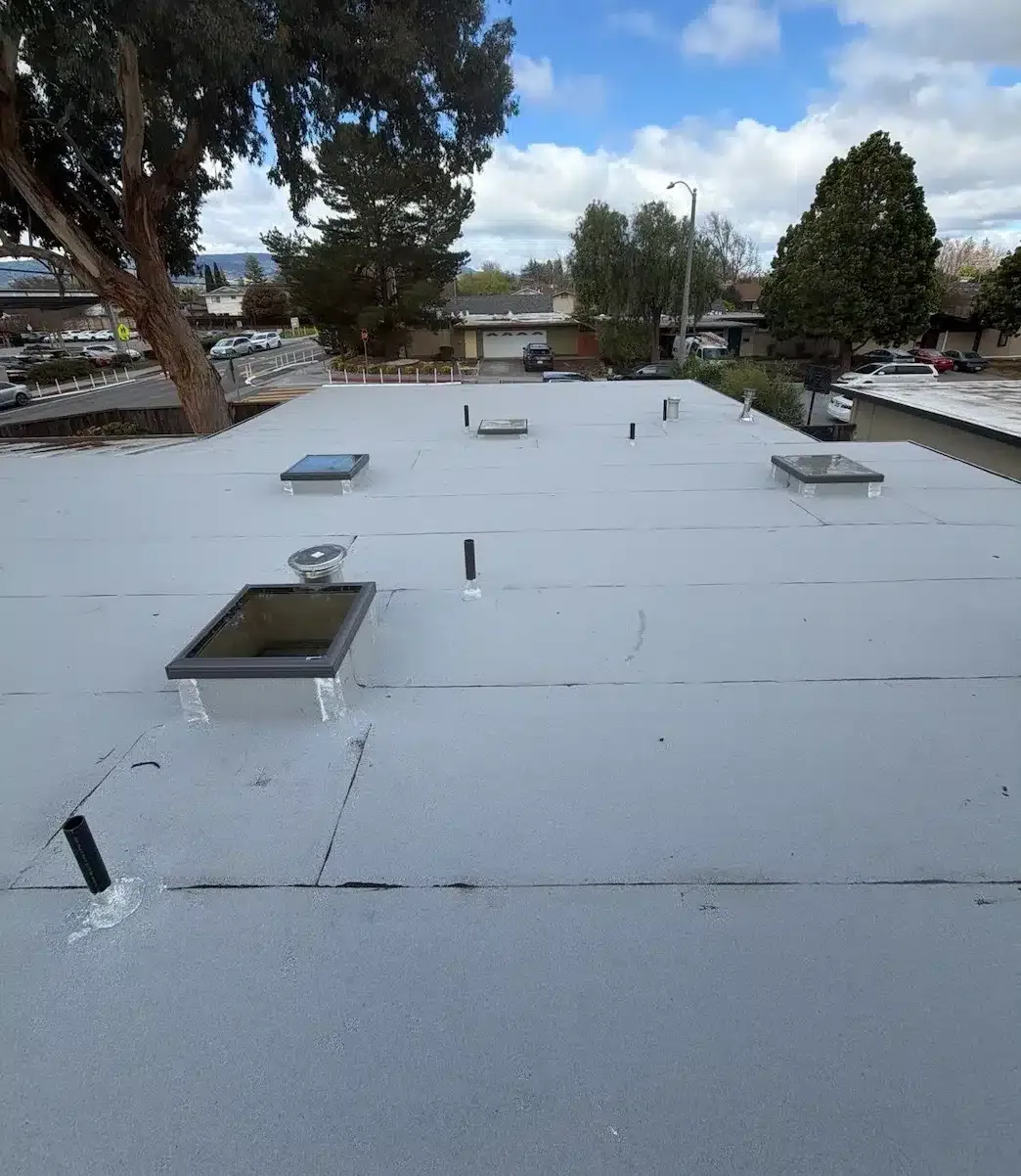
Schedule a Pueblo commercial roof inspection that maps defects, checks transitions and drainage, and gives the project team actionable findings.
A map may locate a drain, but the walk shows whether water can reach it. We inspect the roof surface, transitions, seams, penetrations, and drainage path, then connect each finding to a roof zone and an owner decision. In Pueblo, CO, the inspection also considers seasonal heat, snowfall, and freeze-thaw conditions when those factors bear on a visible defect. The report helps the project lead distinguish a repair item from a condition to monitor or a roof that needs broader evaluation.
Before stepping onto the roof, we review available records, reported leaks, recent work, and access restrictions. Those records guide the walk, but they do not replace a field check. Industrial properties in the St. Charles Industrial Park support steel, wind-tower, and concrete railroad-tie production, while the airport area includes sites with hangars and maintenance services. Those uses can help identify operating constraints to discuss, but every roof assembly and access route must be verified at the property. We plan the walk with the facility contact and leave room for a closer test if the visible condition does not explain the report.
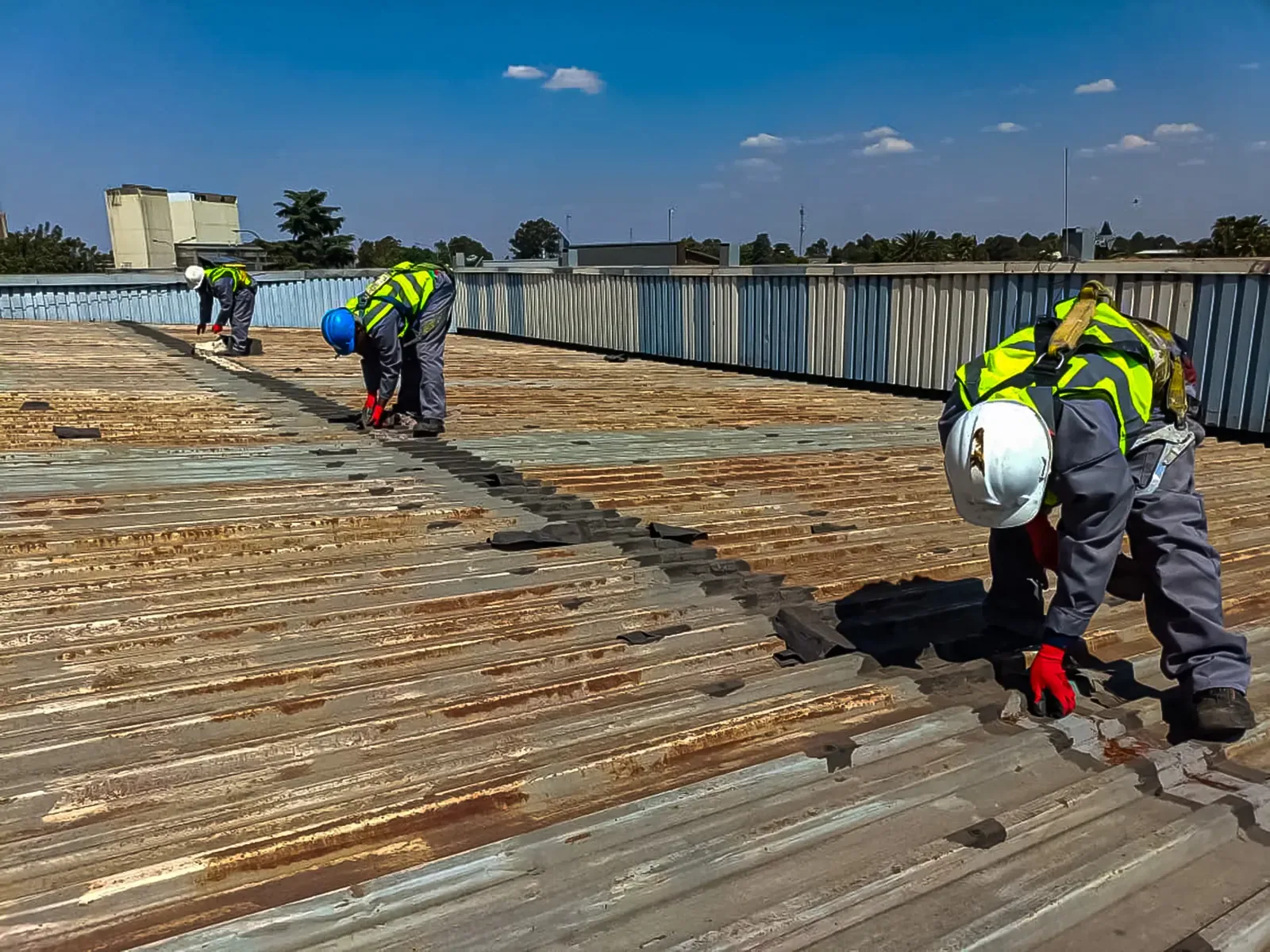
What gets checked on the roof walk?
We work across the roof in zones and examine the field membrane, seams, laps, edge metal, wall flashing, equipment curbs, skylights, and penetrations. The inspection looks for open seams, punctures, loose terminations, blistering, surface wear, prior patch failure, and signs of movement. At drains and scuppers, we note debris, ponding, damaged clamping details, or a path that does not move water toward the outlet. Each item is photographed and located so a contractor or facility manager can identify it after the walk.
Interior observations can help narrow a roof concern. A ceiling mark, odor, or equipment issue is recorded with its room and timing, then compared with the roof above. We do not assume that a visible interior spot maps directly to a single defect. If the roof is concealed by snow, equipment, or a protected area, the report says what was not accessible and what additional inspection would be needed. For suspected moisture below the membrane, a moisture survey can help focus test openings. That distinction keeps a visual observation separate from a confirmed concealed condition.
How do findings become a work list?
Every observation needs a next step. A defect that is actively letting water in may call for immediate repair; a seam with surface wear but no separation may be monitored at a later visit. We label the condition, the location, and its effect on the assembly, then identify what can be decided from a visual inspection and what requires testing. Where several findings cluster around one roof zone, we note whether they appear related or should remain separate repair items.
The report can compare urgency without promising a service life the inspection cannot establish. We describe conditions as repair, further evaluation, maintenance, or monitoring, and explain what evidence supports that category. If a replacement is being considered, the inspection maps transitions, equipment, and drainage conditions that shape the bid. For a near-term leak, our leak repair service can investigate the entry path. For budget planning, the same findings can support a roof capital plan that separates immediate repairs from future work.
Which Pueblo conditions belong in the report?
Pueblo climate data shows average July and August highs above 90 degrees and about 28.3 inches of average seasonal snowfall. Pueblo’s seasonal weather helps set inspection timing; field findings establish exposure and condition at each roof zone. On the property, we look for field conditions that connect weather to the assembly: open laps, brittle or separated flashing, snowmelt paths, blocked drains, and areas where standing water persists. Hail, tornadoes, and severe wind are regional hazards across southeast and south-central Colorado. A reported event can shape inspection questions, while observed conditions establish property damage.
Temperature and recent precipitation affect what an inspector can conclude. A roof that is wet from weather may hide a small opening, and a frozen surface can restrict safe access. We record conditions at the time of inspection, note visibility limits, and identify any return visit required after the roof dries. Where a hail or wind report is involved, photographs should show observed impacts and the specific components affected. A hail-damage review or wind-damage inspection can document those conditions separately from general maintenance findings.
How should the facility team prepare?
Before the walk, the facility contact can share roof plans, membrane or warranty records, leak reports, prior invoices, equipment changes, and areas that need special access. We also need to know whether production, patient care, tenant activity, or loading work could be affected by the route. On a building with rooftop equipment, the site contact should identify restricted controls and any system that must remain online. Those details let us inspect efficiently while keeping the work boundary clear.
The roof walk produces better findings when we can match a point above with a report below. If the team can make the affected room available, we compare the interior condition and roof details during the same visit. We use marked photographs and zone references so another project participant can follow the report without joining the inspection. PuebloPlex has more than five million square feet of existing buildings and storage igloos. On a campus with that inventory, keep each roof inspection tied to its structure so the report does not hide differences in assembly or access. The PuebloPlex campus illustrates why portfolio records need a clear building-level reference. A photo-based condition report keeps observations and repair recommendations tied to the correct roof.
What will the inspection hand off?
The report records the roof zones inspected, visible defects, photographs, access limits, and recommended next actions. It identifies which items are urgent, which can be planned, and which need a test opening or specialist review. We keep the observation separate from the recommendation so the owner can see what we found and why a particular action follows. If conditions differ from previous records, the report notes that difference without assuming when the change occurred.
For a replacement or repair bid, the project lead can use the marked plan to check quantities, access, drain work, and tie-ins. For ongoing maintenance, the next visit can compare new photographs with the current baseline. If a particular roof zone cannot be reached safely, we state that limitation and recommend a route to complete the review. To arrange an inspection, share access instructions, available roof records, the operating schedule, and any recent leak reports. We will walk the roof, identify the work boundary around each finding, and leave the next decision clear for the owner and project team.
Commercial Roofing Questions
Does a roof inspection include test cuts?
A standard visual walk does not automatically open the roof. If surface findings or suspected moisture make a core or test cut useful, we identify the proposed location, explain what it can confirm, and review the opening with the owner before proceeding. The report distinguishes visual observations from conditions verified below the membrane.
Can the report separate repairs from monitoring items?
Yes. Findings can be assigned to immediate repair, planned maintenance, further testing, or observation, with the reason recorded for each. We locate items by roof zone and show photographs so the facility team can connect the recommendation with the actual condition. A monitoring note should include what change would prompt another review.
What should we do if some roof areas are not accessible?
Tell us about the restriction before the walk and identify any alternate route or escort requirement. We inspect the accessible zones, record what remained out of reach, and explain whether that gap affects the conclusion. If access changes later, we can return to complete the specific area rather than repeating the full inspection.
Can an inspection help scope a replacement bid?
It can establish the visible assembly, map edges and equipment, note drainage concerns, and identify areas that need testing before quantities are set. It does not replace destructive verification where hidden layers affect removal. The project team can use the report to define bid assumptions and a stop point for concealed conditions.

Set a useful inspection boundary
Share roof records, interior leak reports, access instructions, and the operating schedule. We will map the findings by zone and give the project team a clear next step for each condition.
Call 555-555-5555 or email [email protected].