
Home / Roof Systems / Commercial PVC Roofing
Commercial PVC Roofing in Pueblo, CO
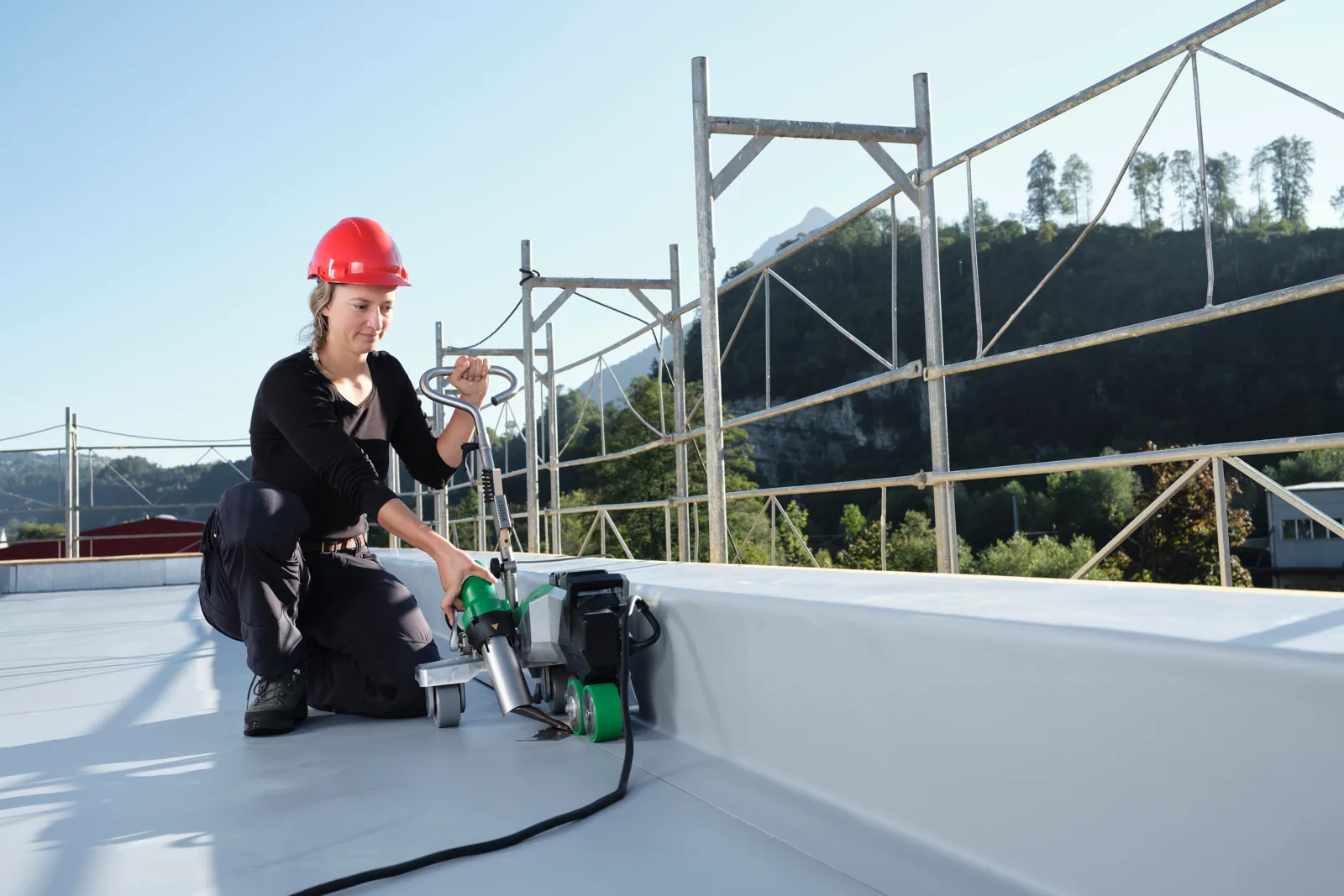
Evaluate Pueblo PVC roofing for commercial buildings with attention to chemical exposure, welded seams, flashing, drainage, and maintenance access.
Grease exhaust, rooftop traffic, or a service line crossing the membrane can change which roof details need the closest review. PVC is a heat-welded single-ply system used on commercial roofs, and its suitability depends on the building's exposure, assembly, attachment, and maintenance needs. In Pueblo, CO, hot summer conditions and winter snowfall add seasonal demands to seam preparation, drainage, and access planning. We begin by identifying the actual roof layers and the conditions at drains, curbs, edges, and equipment routes before recommending a new PVC assembly or repair.
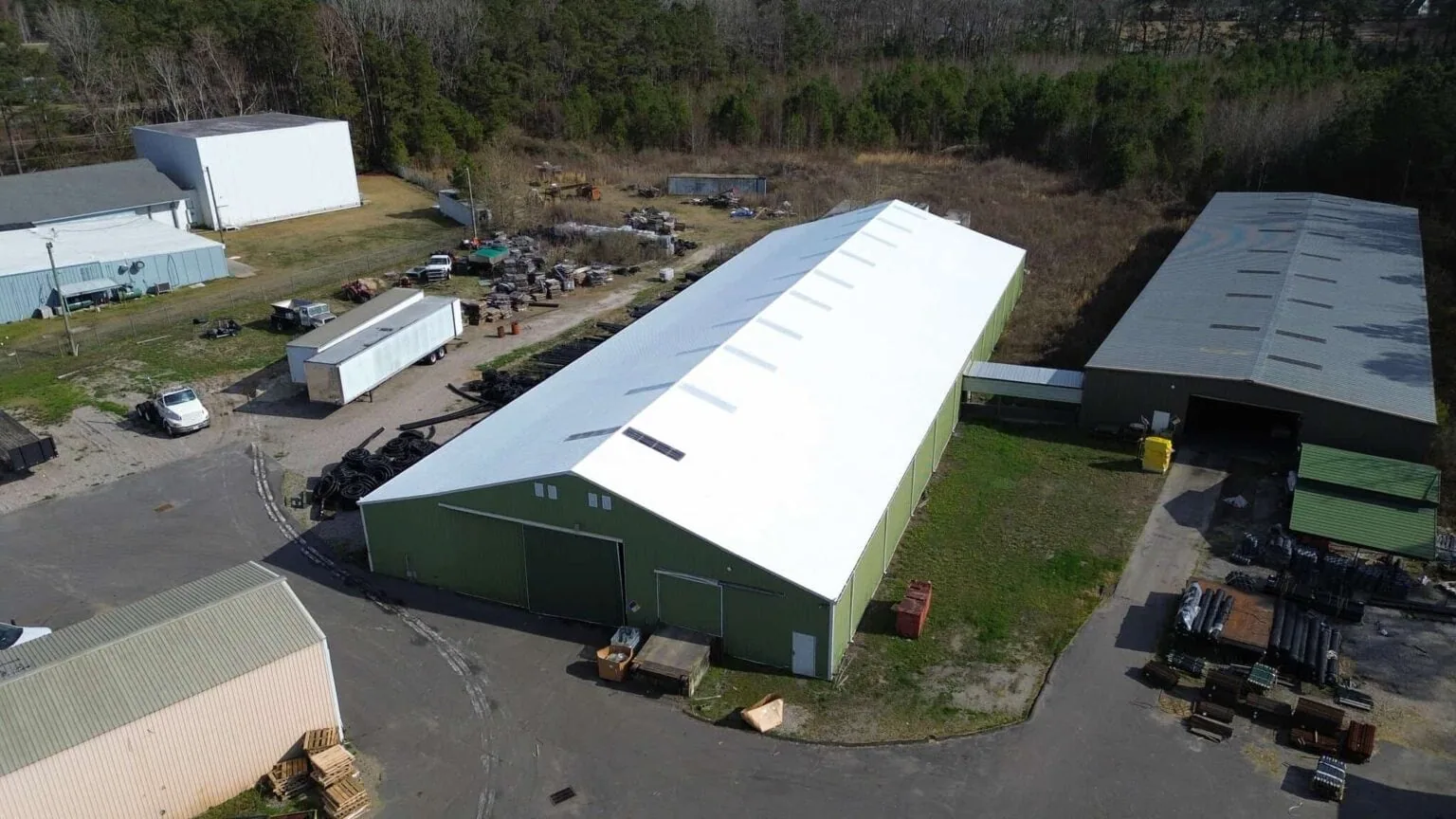
Local building uses vary. Pueblo has food production and manufacturing employers; the EVRAZ Industrial District and St. Charles Industrial Park are recognized employment areas. A facility's specific exhaust, chemical exposure, roof traffic, and operations still need to be confirmed on site. We connect the use of the building to the membrane exposure and detail design instead of assuming every industrial roof needs the same product. That review also accounts for the insulation, deck, wind design, code requirements, and the access window available to complete the work.
What exposure should the membrane handle?
PVC can be considered where the design calls for a heat-welded membrane and resistance to certain oils or grease exposure. The product data and manufacturer requirements define which chemicals it can tolerate; the general system name is not enough to approve contact with a particular process. We ask where exhaust discharges, where service work occurs, and whether washdown or other liquids reach the roof. Those answers help the project team select the membrane and flashing detail for the actual exposure.
We inspect the existing roof for staining, softened material, surface damage, patch history, and failures around exhaust curbs or pipes. If a process has changed, a prior roof specification may no longer describe current conditions. We map vulnerable zones and identify whether controlling the exposure, repairing a curb detail, adding walkway protection, or choosing a different assembly fits the observed condition. A commercial roof inspection can record the field condition, while a drainage review can show how wash water and stormwater leave the roof. The design decision remains tied to the specified product and exposure, not a broad claim that one membrane handles every chemical.
How do we check PVC seams and field repairs?
Hot-air welded seams need clean, dry surfaces and a consistent overlap. We look for incomplete fusion, wrinkles, fishmouths, contamination, damage from maintenance traffic, and separation at corners or changes in plane. A probe can help locate an open weld, but the inspection also follows the seam to its transitions and terminations. When a repair is needed, the surrounding material must be compatible and prepared so the new weld can bond through the overlap.
Curbs, pipes, drains, and wall transitions need details sized to the substrate and expected movement. A patch that covers a puncture should not bridge a wet area or conceal a loose flashing. We photograph the repair boundary and identify any adjacent condition that remains outside the work. If a rooftop unit is being replaced or relocated, curb and support coordination can align the penetration height, service route, and membrane tie-in. Where a PVC repair joins another system, the transition to TPO roofing or metal has to follow a compatible detail rather than relying on a surface seal alone.
Which layers and attachment details belong in the design?
The membrane is only one part of the roof assembly. We identify the deck, vapor control when specified, insulation type and thickness, cover board, attachment method, perimeter restraint, and flashing materials. A change in deck condition or existing layers can alter fastening, uplift resistance, and finished height. The project team should confirm structural capacity and applicable code criteria before approving a new attachment pattern. The project lead confirms the parcel's permit authority and adopted edition before accepting insulation, attachment, and energy details into the scope.
Existing roof layers must be verified before a recover is considered. Wet insulation, incompatible material, trapped moisture, or added height at curbs and edges can make removal the better scope. A recover evaluation compares those conditions with the proposed assembly, while replacement planning can set tear-off and substrate boundaries. We can also compare PVC with KEE roofing when the project specification or exposure review calls for that option. The proposal should name the assembly and distinguish verified quantities from concealed conditions that require approval if discovered.
How do heat and winter conditions affect the work?
Pueblo's hot summer roof surfaces can narrow a comfortable installation window, while winter exposure keeps low seams, drains, and flashing transitions in the seasonal review. Current surface temperature and forecast govern the work decision. High roof temperatures affect handling and can shorten comfortable work periods; cold, moisture, or wind can affect preparation, welding, and safe material control. We confirm the product requirements and forecast before exposing a roof zone.
Phased work should leave time to complete seams and protect the assembly before access ends or weather changes. Drains must remain open, loose material must be secured, and unfinished edges need a defined temporary closure. At a rail-served property such as St. Charles Industrial Park, delivery and laydown coordination can affect when membrane reaches the roof; that corridor fact does not establish a specific property's entry route. For occupied facilities, a phased reroof plan can coordinate tenant access, interior protection, and noisy tasks with the daily roof boundary.
What should the owner verify at turnover?
The closeout package should show the system installed, repaired details, seam inspection results, and any approved change from the bid documents. We photograph drains, perimeter terminations, penetrations, and transitions, then identify any area that was excluded from the work. The facility team should receive the product and care information required by the project and know which rooftop activities can affect the membrane. That handoff gives maintenance staff a clear starting point for future service.
Walkway routes, equipment access, and housekeeping influence how long repairs remain undisturbed. Maintenance staff should use compatible materials for minor service needs and report punctures or open flashings before water reaches the interior. A condition report can preserve the installation baseline, and scheduled roof maintenance can check seams, drains, and terminations after equipment work. For a Pueblo PVC roof, bring the current roof plans, process information, leak history, and access limits to a walk. We will inspect the assembly, mark exposure zones, and define the details that belong in the scope.
Commercial Roofing Questions
Is PVC suitable near a kitchen or process exhaust?
It can be evaluated for certain grease and oil exposures, but the exact product data and exposure must be reviewed. We locate the exhaust discharge, inspect the membrane and flashing condition, and confirm the proposed material's compatibility with the expected contact. If exhaust direction or maintenance activity changes, that should be part of the roof detail review before installation.
Can an open PVC weld be repaired with a patch?
A localized repair may work when the membrane around the weld is sound and can be cleaned and rewelded. We check the full seam and adjacent flashing so the patch does not stop at another weak point. If the membrane is contaminated, degraded, or separating across broad runs, the repair boundary should expand to the condition found.
Should a PVC roof be installed over the existing membrane?
The existing layers, moisture, deck, attachment, finished height, and code requirements all need review before a recover is specified. We verify what is present and identify where approved testing may be needed. The resulting proposal separates a suitable overlay from the conditions that require tear-off, so the owner can compare scope and exposure clearly.
What information helps compare PVC proposals?
A useful comparison identifies membrane and insulation specifications, attachment, cover board, perimeter details, flashing, seam testing, and the conditions included in the price. We also list access assumptions, tear-off limits, and the process areas with special exposure. That makes it easier to compare complete assemblies instead of comparing only a membrane name or thickness.
Match the PVC assembly to the building's exposure
Share roof plans, process or exhaust locations, service routes, and leak history. We will inspect the membrane and transitions, then document an assembly and repair boundary for the project team to review.
Call 555-555-5555 or email [email protected].