
Home / Service Areas / Pueblo Crossing Retail Center
Commercial Roofing in Pueblo Crossing Retail Center, Pueblo, CO
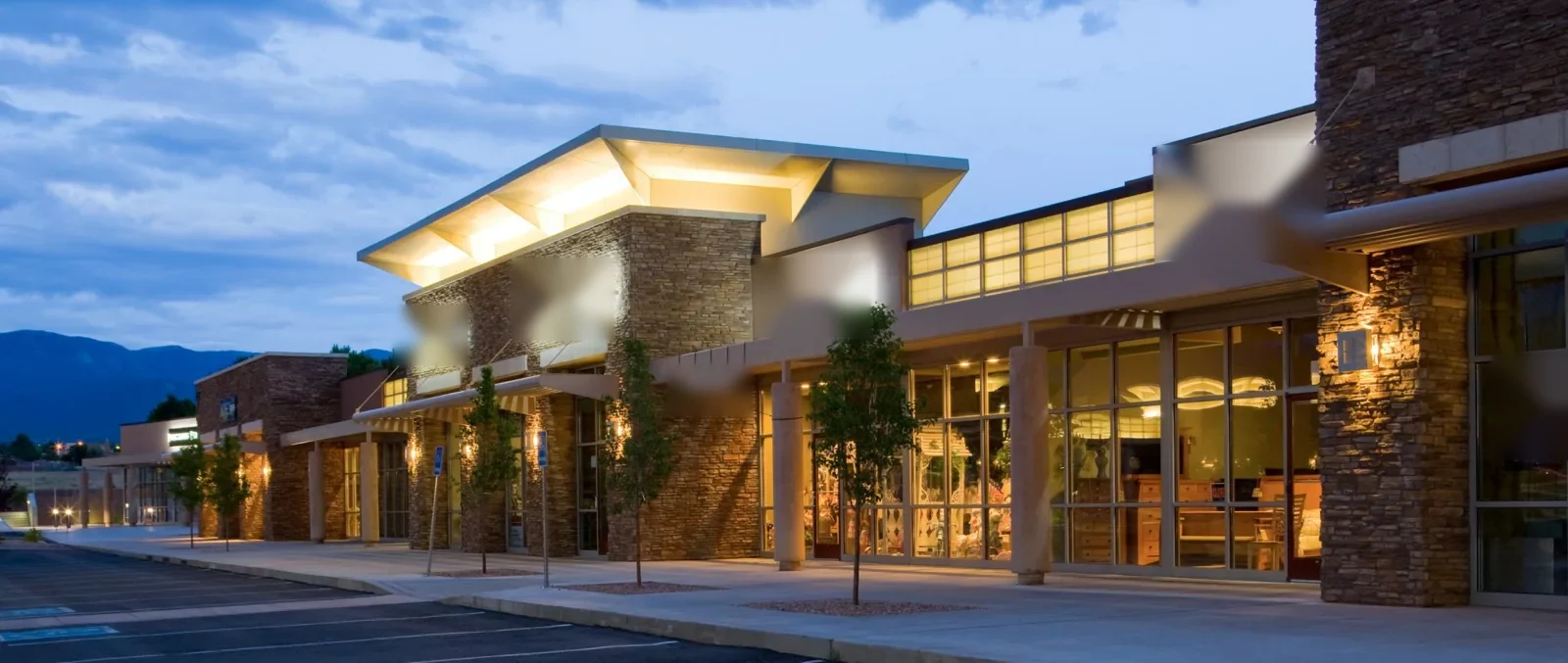
Plan roofing at Pueblo Crossing with an inspection, delivery sequence, and repair boundary coordinated around retail, restaurant, and customer access.
A retail roof repair at Pueblo Crossing has two boundaries to manage: the damaged roof zone and the customer routes below it. Pueblo Crossing is a retail center that began with a mix of retail establishments and restaurants. A planned second phase extends north along Elizabeth Street toward Dillon Drive. The property contact confirms current tenant hours and roof access so entrances and deliveries stay clear during work.
Pueblo Transit Route 6 serves the center and links it with the mall, Walmart, the VA clinic, a health center, and North Elizabeth stops. That service context makes clear pedestrian and vehicle access a practical planning point. We agree on delivery timing, lift placement, customer protection, and the daily stop point with the property contact before opening the roof. Summer heat and seasonal snow add separate checks on surface condition, drainage, and product handling.
How do we locate the actual repair area?
A ceiling stain inside a shop does not define where water crossed the roof. We inspect the reported space, map the roof zone above it, and follow seams, drains, penetrations, transitions, and prior patches toward likely entry points. The record distinguishes confirmed damage from areas that were inaccessible or need an opening. This helps the owner authorize a measured repair without treating one interior symptom as proof that the full roof needs replacement.
A commercial roof inspection can record surface conditions and photographs by zone. Where water is active, leak tracing connects the interior report with roof geometry and drainage. If the assembly may hold concealed moisture, an infrared moisture survey can help target areas for confirmation when conditions suit the method. A test cut or direct inspection remains the decision point when the hidden layer matters.
Retail and restaurant operations may have different delivery windows and customer patterns. We ask which doors must remain open, where temporary barriers can stand, what areas below the work need protection, and who can approve a changed boundary. Retail and restaurant uses make delivery and customer access important; the property team confirms current occupants and operating hours. This keeps the work plan tied to the active center rather than an old development description.
What roof choices fit the measured condition?
Repair, recover, coating, or replacement depends on layers, moisture, attachment, substrate, and perimeter conditions. A localized seam or flashing failure may support a defined repair if adjacent material remains sound. Widespread wet insulation or deck deterioration changes the scope. We compare options after checking the assembly and drainage, and identify any opening that could change the price or schedule. A proposal should distinguish measured work from concealed conditions that remain unknown until removal.
For a membrane roof, a TPO system review checks welded seams, penetrations, and the tie-in at curbs or walls. A coating works only when the existing roof is compatible and the surface is prepared; it will not correct wet insulation or poor drainage. Where replacement is being considered, recover-versus-removal planning checks layer count, moisture, and fastening capacity before selecting the route.
Pueblo’s average August high is 90.2°F and January low is 15.4°F. Heat affects adhesive or coating handling, while cold keeps sealants and drainage in the seasonal review. Current roof readings and the forecast determine the daily work window. We check current conditions, product limits, and the work window before opening a roof zone.
How can work stay clear of customer traffic?
The center’s street access, delivery approach, and occupied hours set the practical work sequence. We confirm truck routes, lift setup, material staging, pedestrian barriers, and where customers can enter safely while a roof zone is active. Deliveries should match the area scheduled for that shift rather than occupy parking or a loading path all day. If a restaurant or shop needs uninterrupted service, the site lead identifies the hours and boundaries before mobilization.
For a larger project, divide the roof into zones that can be removed and closed in sequence. Keep drains open, protect merchandise and equipment below, and coordinate roof penetrations with mechanical or sign work. The project contact names who may release each area and how a change is approved if hidden damage appears. A clear stop point protects the building when a storm or delivery delay interrupts the plan.
Owners comparing nearby properties can use a Downtown Pueblo roof survey as a separate district review, while commercial roofing near Pueblo Mall addresses its own retail setting. Conditions at those areas do not establish this center’s roof assembly. Each property receives its own access notes and boundary so a portfolio record remains useful instead of blending unlike buildings.
Where a reroof meets a parapet, storefront sign, or mechanical curb, identify the trade that owns each tie-in before tear-off starts. We photograph existing conditions, protect finished surfaces below, and agree on a route for debris that avoids customer entries. If an area must stay open during business hours, move that work to a defined window and close the roof zone before reopening the route. The schedule should also name who checks temporary covers after a weather hold.
Before delivery, identify the storefronts that need continuous entry, any shared loading lane, and the hours when customer parking is fullest. We stage material for the roof area scheduled that day, keep barriers inside the agreed work zone, and route debris away from active entrances. If a delivery arrives late or weather changes the sequence, the property contact receives an updated stop time and the area stays protected until work resumes.
What should the closeout record show?
The project lead should resolve permit responsibility before fixing the assembly scope. Before setting insulation, drainage, or attachment details, confirm whether the center parcel falls under Pueblo Regional Building Department review and which current code amendments apply. The permit check informs design, while an opening may still be needed to verify the substrate beneath the existing roof.
At closeout, we compare completed work with the approved roof-zone map, check seams and transitions, confirm drains are open, and photograph repaired details. The record notes any excluded area or temporary protection that remains, so maintenance staff can distinguish the completed scope from the next decision. If a separate leak appears after the original boundary was set, we document it independently before recommending additional work.
A roof condition report can organize images, priority, and next steps for the property team. Planned roof maintenance can then check drainage and vulnerable transitions between repair projects. The handoff identifies who receives the record, the access window for follow-up, and any unresolved area that needs another inspection.
Commercial Roofing Questions
Does Route 6 establish the customer access plan for roofing work?
No. Route 6 serves Pueblo Crossing and links it with other Pueblo destinations, but the property contact sets current pedestrian, vehicle, and delivery controls. We confirm those details before placing equipment or barriers.
Can a leak repair be limited to one retail suite?
The inspection determines the boundary. We trace reported water across the assembly, test adjoining details when needed, and document whether the visible issue is isolated or connected to a broader wet area.
Will a coating solve recurring water at a low point?
Not by itself. We check drainage, slope, trapped moisture, and membrane condition first. A coating can restore a compatible surface, but a drain or substrate problem needs its own correction.
How do you keep the center open during a reroof?
We sequence work by roof zone, coordinate noisy or restricted periods with the site contact, and keep agreed customer routes and entrances available. Each shift ends with exposed areas secured and the next handoff clear.
Set a retail-center roof walk
Share the access hours, reported leak areas, and any roof plan you have. We will inspect the assembly, mark the repair boundary, and coordinate deliveries and customer protection with the property contact.
Call 555-555-5555 or email [email protected].