Home / Service Areas / St. Charles Industrial Park
Commercial Roofing in St. Charles Industrial Park, Pueblo, CO
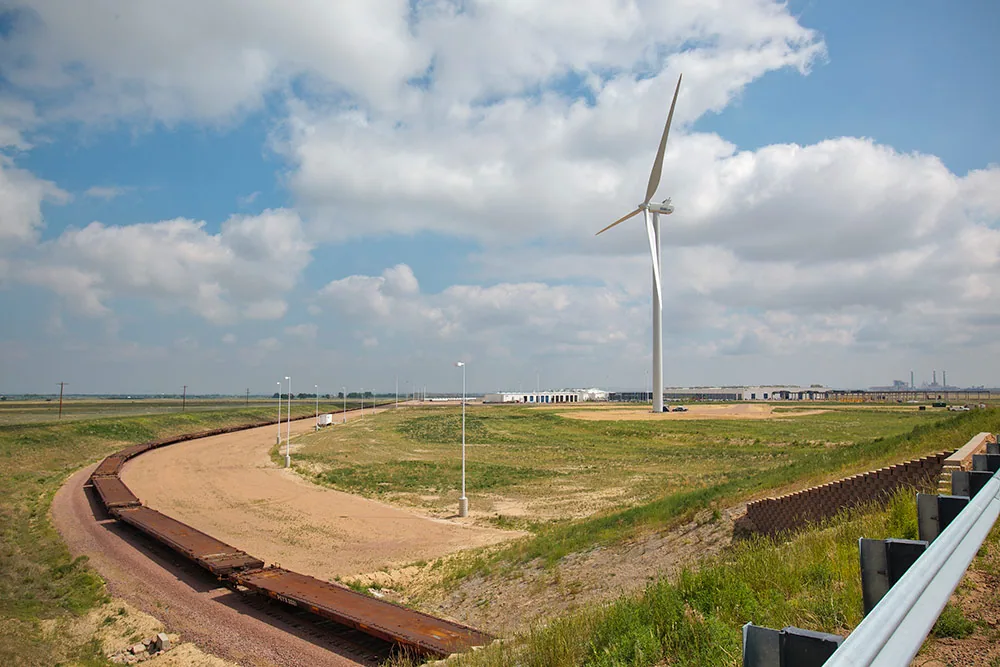
Plan commercial roof repair and replacement in St. Charles Industrial Park, Pueblo, with zone-based inspection, delivery coordination, and clear work limits.
Commercial roof work in St. Charles Industrial Park begins with the facility’s access plan and the roof itself. St. Charles Industrial Park is a 1,600-acre master-planned, rail-based industrial area on Pueblo’s I-25 corridor. That scale and freight context make delivery, laydown, and work-zone coordination practical first questions. We walk the roof with the property contact, identify systems and penetrations, and set a work boundary that protects operations below.
The park’s named manufacturers include Vestas wind-tower production, Vossloh concrete railroad ties, and CR Minerals pumice products. Those uses do not tell us what any roof contains. They do show why inspection planning should consider equipment, deliveries, and operating windows alongside seams, drainage, insulation, and edge details. Before recommending repair or renewal, we verify the assembly in the field and distinguish confirmed conditions from areas that need testing.

What do we map during the first roof walk?
Start with roof zones, drains, scuppers, curbs, equipment, parapets, prior patches, and any interior leak locations. Record the membrane or metal system where it can be identified, then note where plans and the exposed surface disagree. If part of the roof is blocked by equipment or site safety rules, mark it as inaccessible instead of treating it as inspected. This map makes a repair boundary clear to the facility lead and the crew.
A commercial roof inspection can establish visible conditions and photos by zone. If water appears indoors, leak investigation can compare the report with roof geometry and likely water paths. Where moisture beneath a membrane is suspected, infrared screening may guide further checks when conditions support the method. The scan narrows a question; it does not replace a test opening where the substrate must be confirmed.
The park includes manufacturing activity in wind towers, concrete railroad ties, and pumice products. The facility contact confirms production hours, roof access, lift routes, and any shutdown or escort procedure before staging materials. If roofing work crosses an active service path, agree on a route and a stop point before staging materials. Those details let the inspection plan fit the property without assuming how its building operates.
Which repair choices fit an industrial roof?
A localized opening, loose edge, or damaged flashing can be repaired when the surrounding material is sound and accepts a compatible tie-in. Wet insulation, broad seam separation, or a deflected deck may require a wider evaluation. We measure the confirmed area, describe any concealed condition, and keep temporary protection separate from permanent work. The proposal then shows which zone is ready for repair and which needs another decision before installation.
For an open lap, a seam repair review can measure the failure and its endpoints. A curb or wall transition may call for flashing work with a separate detail. Targeted repair can address a limited defect; a replacement scope can compare broader removal after the assembly is understood. If an additional layer is proposed, recover evaluation must account for existing layers, moisture, attachment, drainage, and code.
In an industrial setting, a repair can affect equipment below, production, or logistics. The work order should state the roof zone, material, access route, temporary cover, and time the area will be reopened. If a test cut exposes wet insulation or damaged deck, stop at the agreed boundary and show the condition before adding work. This keeps a local repair from silently expanding into an unapproved project.
How does Pueblo weather affect the work sequence?
Pueblo’s average first measurable snowfall date is November 5. On a St. Charles roof, open work still depends on current surface temperature, moisture, and forecast, so the crew verifies those conditions before removal.
The park’s north-south and east-west rail connections link Union Pacific and BNSF, and its I-25 connection is at Stem Beach Interchange. That context can inform delivery planning, but the site contact must confirm the gate, unloading point, and available laydown. A roof project in the EVRAZ district may have different property controls; it should not be assumed to share St. Charles access. Each work plan needs its own site contact and operating constraints.
For tear-off or replacement, divide the roof into zones that can be closed watertight during the shift. Keep drains open, secure loose insulation and membrane, and coordinate lifts with production traffic. If a weather change arrives before a planned tie-in is complete, use the temporary protection method identified in the work order and report what remains open. A daily closeout should tell the facilities lead what is secure and where the crew will resume.
What determines timing and project cost?
Cost and duration depend on measured roof area, removal quantity, insulation or deck condition, perimeter details, equipment density, access, staging, disposal, and interior protection. Rail access does not establish that a particular roof can receive a rail delivery, and an industrial park designation does not prove building age or roof type. We verify those site constraints and keep quantities tied to measurements or clearly labeled allowances.
The parcel’s review path should be confirmed before attachment or insulation details are finalized. The appropriate authority can identify current permit requirements and amendments for the planned work; the roof inspection then establishes the deck, layers, and edge conditions those plans must address. If structural or equipment work crosses the roof scope, assign that trade handoff before removal begins and keep the access rules in the project sequence.
Where a roof serves production, we coordinate a daily work boundary and any outage with the facility representative. Confirm who can approve added work if concealed damage appears and how quickly that person can review photos. If the property uses a separate safety or security process, include it in the schedule. These decisions affect mobilization and the time an area must remain protected, so they belong in the proposal rather than a verbal understanding.
What should the St. Charles roof handoff include?
Closeout should identify the roof zones inspected, defects repaired, materials installed, photos of tie-ins, and areas left outside scope. Note any test opening, substrate finding, temporary protection, or follow-up recommendation. The owner can then match the work order to the roof map and plan another visit without relying on a general completion note.
For a broader industrial portfolio, PuebloPlex-area roof planning can use similar records while retaining its own access and condition findings. A photo condition report can carry open items to the next maintenance or capital review. A condition report records observations at the inspected building and gives the owner a map of open items.
Bring roof plans, prior repair tickets, access rules, and interior leak notes to the roof walk. We will inspect the actual assembly, map the work boundary, and agree on how deliveries and operating windows fit the sequence. The property contact receives a clear record of what was done, what remains exposed, and which decision requires a separate approval.
Commercial Roofing Questions
Can roofing deliveries use the park’s rail connections?
The park has north-south and east-west rail interchange connections, but a project delivery plan depends on the facility’s receiving controls and available staging. We confirm the route and handling requirements with the site contact before setting mobilization.
Does the industrial park designation tell you what roof system is installed?
No. The park’s manufacturing and freight profile describes the area, not a specific building’s roof. We identify the system from available records and field conditions before proposing compatible repair or replacement details.
How do you keep production moving during roof work?
We divide the project into roof zones, identify the daily work boundary, and coordinate access or shutdowns with the facility lead. If a condition changes the sequence, we secure the area and get direction before expanding the scope.
What if the roof plan does not match the exposed layers?
We stop at the agreed limit, photograph and describe the layers, and show the project contact before removing more material. The owner can authorize testing or a revised scope while the opening remains protected.
Schedule a St. Charles roof walk
Share roof plans, recent repair records, access and safety rules, and operating windows. We will inspect the assembly, map priority zones, and plan a repair or replacement sequence around confirmed site conditions.
Call 555-555-5555 or email [email protected].