Home / Service Areas / Minnequa Industrial Park
Commercial Roofing in Minnequa Industrial Park, Pueblo, CO
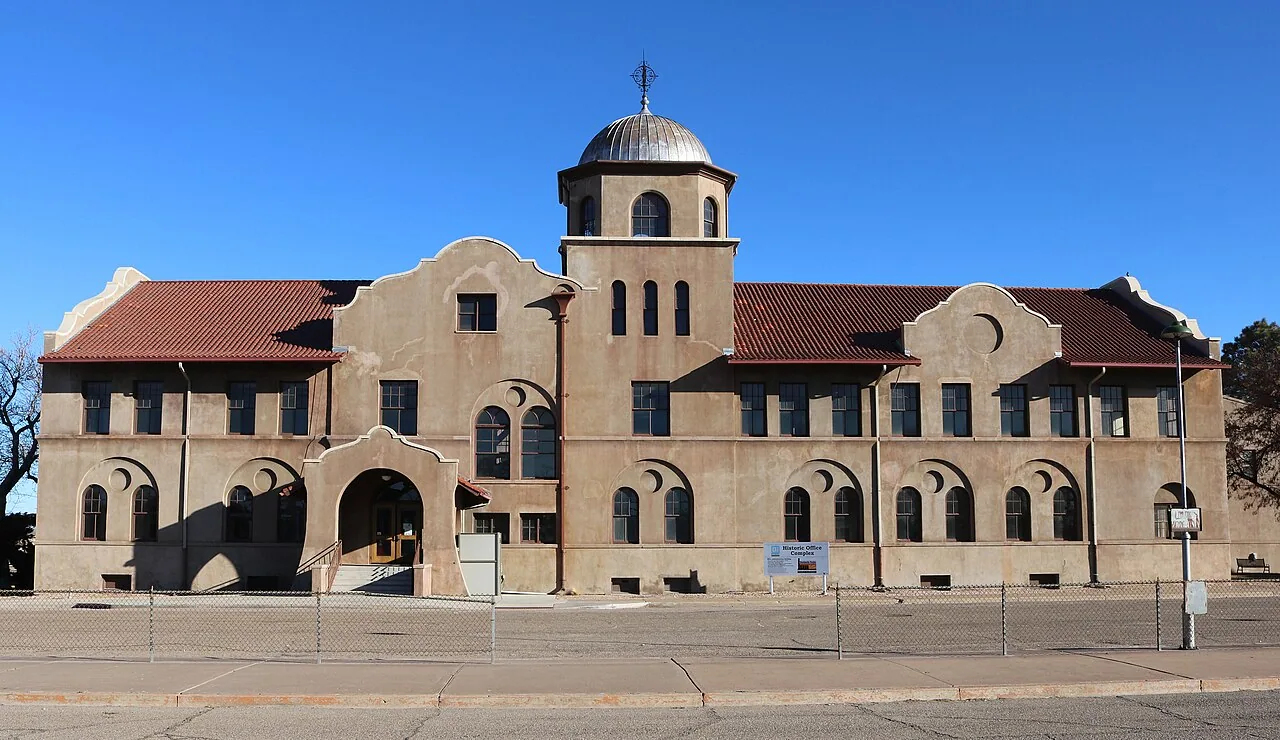
Plan roofing for Minnequa industrial properties with a measured inspection, repair boundary, and work sequence tied to Pueblo weather and operations.
A planned employment area can bring manufacturing, processing, repair, warehousing, and distribution under one roof portfolio, but the first roof walk still starts with the specific building. Pueblo County identifies Minnequa Industrial Park as a planned employment area in Pueblo and describes those light-industry uses. We inspect the actual assembly, deck access, drainage path, rooftop equipment, and operating constraints before setting a repair or replacement boundary. Minnequa’s planned light-industry uses include manufacturing, processing, maintenance, warehousing, and distribution.
Pueblo’s summer heat and winter freeze-thaw range affect membrane handling, sealant work, and the order in which open roof zones can be completed. A project near the former steel and industrial corridors also has a practical delivery question: where can materials be unloaded and staged without blocking active work? We mark access, roof condition, and the stop point together so the project lead can coordinate both trades and operations.
What changes the scope on an industrial roof?
Leaks near production equipment, staining at a wall, and water standing at a drain can point to different failures even when they appear in one interior bay. We trace the reported condition across the roof plane, then inspect seams, penetrations, curbs, edge metal, and the surrounding substrate. The repair map distinguishes confirmed damage from areas that still need an opening or follow-up test. That gives the owner a scope that can be reviewed without treating every symptom as a full-roof failure.
For an initial condition record, a commercial roof inspection ties photographs to roof zones and observed details. Where water entry is active, leak investigation follows the drainage path and assembly rather than assuming the ceiling mark sits below the entry point. A condition report can separate urgent work from items suited to planned maintenance.
Manufacturing and repair shops may interrupt work for equipment access, hot work controls, or production windows, but those conditions must be confirmed with the site contact. We note roof access, lift placement, interior protection, and any shutdown needed before a crew opens the assembly. If the deck differs from the available plans, we set a stop point, photograph the field condition, and price the added work separately.
Which repair path fits the assembly?
The layer stack sets the available choices. A sound membrane with isolated seam separation may support a localized repair; widespread loss of adhesion, wet insulation, or deteriorated deck changes the decision. We check whether existing layers can remain, whether fasteners and substrate are sound, and how a new tie-in will meet drains, walls, and equipment curbs. The owner then sees a repair, recover, or replacement comparison based on verified conditions, not a system picked from the district’s industry label.
For a membrane roof, a TPO assembly review considers the exposed sheet, welded seams, and penetrations. If tear-off is being considered, recover or overlay planning checks existing layers, moisture, and fastening capacity first. A coating can extend a compatible assembly only when adhesion, drainage, and surface condition support it; coating does not correct trapped moisture or a weak deck.
A Pueblo winter averages 28.3 inches of seasonal snowfall, which makes drain capacity and the route to each discharge point part of the roof walk. During warmer work periods, we check the membrane temperature and application window before selecting a repair method. Snow history is citywide context, not a prediction for a particular Minnequa building; current moisture and the forecast set the daily work boundary.
How do we protect production and deliveries?
Access planning begins with the property’s actual truck route, laydown area, occupied hours, and roof entry. We confirm where a lift can set up, which doors or loading areas must remain available, and whether work above a production zone needs interior protection. Deliveries are phased to the roof area being completed instead of filling an active yard with material. The superintendent and facility contact agree on the daily work boundary and the person who can release each zone.
City economic material describes Pueblo’s industrial range from household goods and food products to steel, wind towers, and concrete railroad ties. That range helps explain why a district-level plan can include different operating needs; it does not identify the use or roof system of a specific Minnequa property. We confirm the building’s operations directly, protect equipment and inventory beneath the work, and keep drains and access routes clear as each section closes.
When weather interrupts production, temporary protection needs its own inspection and removal plan. We identify the exposed edge, secure materials, and record what remains open before the crew leaves. For a broader repair scope, targeted commercial roof repair can address the confirmed area while a capital plan evaluates the remaining roof. A nearby Lake Minnequa commercial roof walk can also help compare conditions across a portfolio without assuming the buildings share one assembly.
What belongs in the handoff?
Before design is fixed, have the project lead identify the authority reviewing this parcel and confirm its current amendments. For projects reviewed locally, 2021 building, existing-building, and energy-code editions apply; confirm parcel jurisdiction and amendments. That review can affect insulation, drainage, attachment, or edge details, while the roof survey establishes the field conditions those documents cannot show.
Closeout is more than a final walk across the membrane. We compare completed work with the roof-zone map, confirm penetrations and drains are clear, photograph tie-ins and repaired details, and note any area excluded from the original boundary. The owner receives a concise record of completed work and remaining conditions so maintenance staff know what to monitor. If the inspection found a separate concern, it stays clearly outside the completed scope until authorized.
For buildings with recurring service needs, a maintenance program can schedule drain clearing and detail checks around site operations. That follow-through gives the facility team a repeatable way to track changes after the immediate repair rather than waiting for another ceiling stain to define the next project.
Portfolio managers comparing industrial properties can use the same inspection sequence while keeping each assembly’s findings separate. For example, a roof review in the EVRAZ Industrial District can record its own access and drainage conditions; shared geography does not make the membrane, deck, or repair boundary interchangeable. We label the building, roof zone, and photographed detail on each record so capital decisions stay tied to the property actually inspected. Confirm the delivery calendar and receiving route before mobilization.
Commercial Roofing Questions
Does the employment-area plan confirm what is operating in a specific building?
No. Minnequa is a planned employment area that includes light-industry uses. We verify current occupancy, roof assembly, and access with the property team before defining work.
Can a leaking production area be repaired without shutting down the whole facility?
The work boundary and interior conditions decide the sequence. We inspect the roof zone, coordinate protection and access with the facility lead, and identify any shutdown that is actually needed before opening the assembly.
When is an overlay a reasonable alternative to tear-off?
Existing layers, moisture, deck condition, attachment, and code requirements all matter. We confirm those conditions first, then show whether a recover system is supportable or removal is needed.
How does Pueblo weather affect a Minnequa roofing schedule?
Pueblo’s hot summer normals and seasonal snowfall affect material handling, drainage review, and how much roof can be opened at once. We set each workday’s boundary against current conditions and protect unfinished areas before a shift ends.
Set the roof walk and work boundary
Share the building access window, known leak areas, and available roof records. We will inspect the assembly, mark the scope, and coordinate the sequence with your operations lead.
Call 555-555-5555 or email [email protected].