
Home / Service Areas / PuebloPlex
Commercial Roofing in PuebloPlex, Pueblo, CO
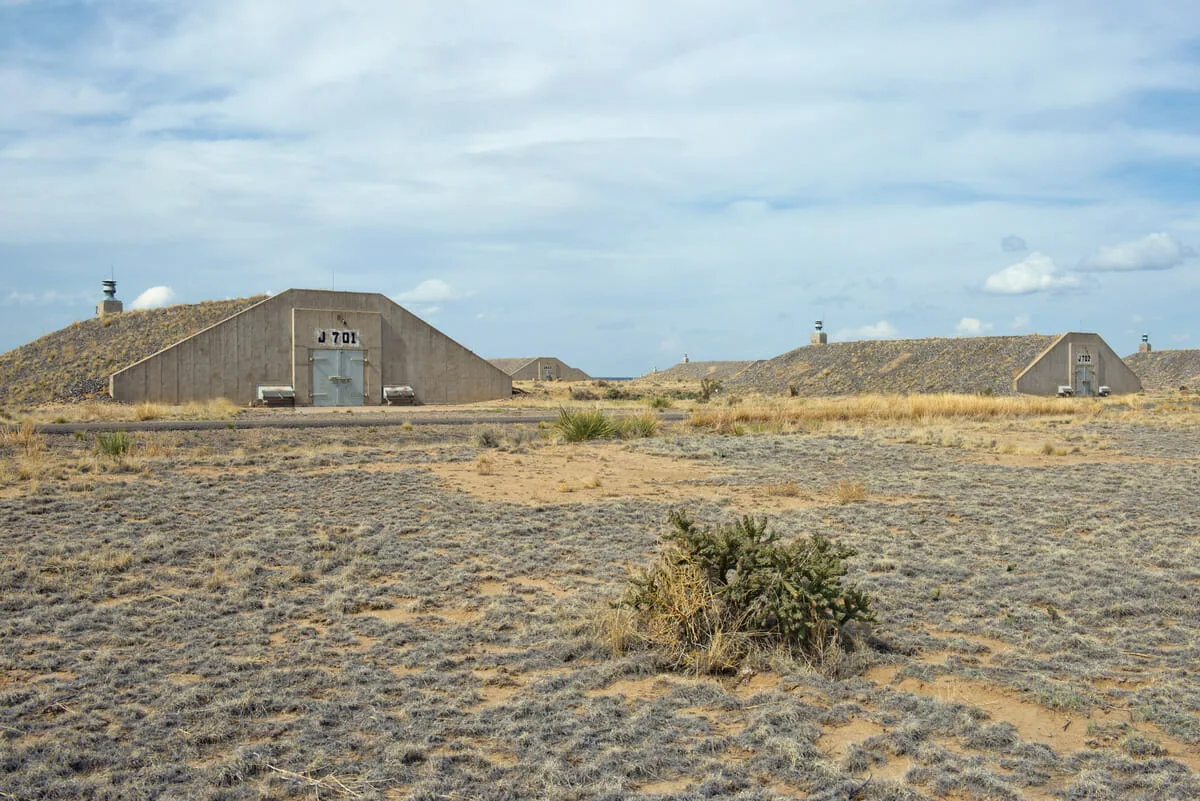
Plan commercial roofing at PuebloPlex with a building-specific roof survey, defined access sequence, and repair scope based on verified conditions.
PuebloPlex is a transportation-dependent industrial employment area on the former Pueblo Chemical Depot redevelopment site east of Pueblo. PuebloPlex is planned for manufacturing, heavy industry, agricultural processing, transportation, and utilities. That planning context makes delivery routes, laydown, and facility operations important to roofing coordination. It does not establish any current building’s roof system or condition. We inspect the structure in scope and build the repair plan from its assembly.
The plan notes highway and rail access, including multiple rail spurs within the regional business-park network. Those connections may affect how a facility plans materials, but the project contact must confirm the actual site route and receiving controls. The first roof walk maps access, equipment, drainage, and prior repairs, then identifies which questions can be answered visually and which need an opening or test.
What should a PuebloPlex roof survey establish?
Start with a site plan, roof-zone map, available assembly records, leak history, and access rules. Inspect membrane or metal condition, field seams, edge securement, penetrations, curbs, drains, and visible substrate changes. Record blocked or restricted areas separately. If the property is still being adapted for new use, confirm equipment locations and planned work with the facility contact before fixing a roofing boundary.
A commercial roof inspection can document visible conditions and photographs by zone. If water is reported indoors, leak investigation relates the observation below to roof geometry. Where moisture may exist beneath a membrane, infrared screening can help select areas for follow-up when conditions support it. A scan does not replace a test opening if the actual insulation or deck condition must be known.
The transportation-dependent designation covers a range of potential industrial uses. It cannot tell us whether a particular structure is occupied, vacant, renovated, or under construction. We ask who controls the building, whether operations are active, and what safety or security controls apply. Those answers shape ladder placement, lift routes, staging, and interior protection before tools or material move onto the roof.
Which roof problems should be addressed first?
Prioritize active exposure, damaged drains, open seams, loose metal, and defects that can direct water into the building. A small flashing gap may be repairable if the adjoining assembly is stable. Broad wet insulation, repeated leaks, or weak attachment can require a wider evaluation. We measure confirmed defects and keep concealed conditions open until testing establishes them. A proposal should distinguish urgent stabilization from permanent work and longer-range renewal.
For an open lap, seam repair planning measures the defect and its tie-in. At a curb or wall, flashing repair can address the transition. If a puncture has opened the membrane, a puncture scope identifies the material and repair limit. A drain or scupper needs drainage review to confirm the outlet and overflow path, rather than a patch around the water line.
If an inspection finds wet insulation or a damaged deck, agree on a stop point before enlarging the opening. The crew photographs the exposed material, protects the roof, and gives the owner a measured change for review. For a site with planned industrial or utility uses, coordinate any interruption with the facility lead. Do not assume a roof section can be closed while equipment below remains operating; verify that arrangement for each work zone.
How do Pueblo weather and access shape the sequence?
Pueblo’s average January low is 15.4°F. On a former depot redevelopment property, that winter baseline puts sealant behavior, frozen drainage, and the timing of a roof opening on the planning list. It is a city normal rather than a site forecast, so we check the actual substrate, moisture, and wind before work. Each zone still needs a watertight stop and a defined protection method if weather interrupts the sequence.
The former depot site has highway and rail access; the property contact confirms the delivery entrance, staging area, and security requirements. A St. Charles Industrial Park project has its own rail and site controls; those should not be assumed at PuebloPlex. Before mobilization, list the vehicle route, lift plan, material storage, and any overhead exclusion zone needed to protect operations.
For a larger reroof, divide the work into areas that can be measured, opened, and closed without leaving an exposed edge. Identify penetrations and drainage paths before removal. If a project uses several trades, set the order for roof curb or equipment changes and assign who restores the membrane at each handoff. The schedule should state who can approve added work when a test opening shows layers that differ from the plans.
When does a repair become a larger project?
A localized defect can often be treated separately from the broader roof decision, provided that the nearby membrane and substrate can accept a sound tie-in. If the roof has repeated wet areas or widespread separation, compare repair with a planned renewal after the assembly is checked. The owner should see measured work limits, removal assumptions, insulation needs, edge and drain details, and any unknown condition that could change the quantities.
A targeted repair scope addresses a confirmed area. A replacement comparison can consider removal, insulation, cover board, edge work, disposal, access, and phasing. If another layer is under consideration, recover evaluation depends on existing build-up, attachment, moisture, drainage, and current code. Keep these alternatives distinct so the owner can choose the next decision instead of accepting a combined assumption.
In a redevelopment setting, a roofing project may need to align with building modifications or new equipment installation. Confirm the design responsibility for curbs, supports, conduit, and penetrations before membrane work. If the existing roof has a warranty document, review its terms and any work requirements with the issuer. The roofing proposal states its scope; it does not determine the status of an agreement.
What should the PuebloPlex roofing record preserve?
Closeout should identify the property and roof zones inspected, the material and details installed, photos before and after the work, any test openings, and portions that remain outside scope. If the roof plan changed after field measurement, retain both versions and note the approved revision. If temporary protection was used, document its location and when it was removed or replaced by permanent work.
Before finalizing the assembly, the project lead should determine which authority reviews the PuebloPlex parcel and what current permit path applies. Before roof alterations, confirm parcel jurisdiction, current building and energy requirements, and amendments with the project lead. We coordinate roof details with that review and keep field measurements, owner decisions, and product instructions clear in the handoff.
Bring the current site plan, roof drawings, known leak notes, and access or security rules to the walk. A Minnequa Industrial Park roof review is another local employment-area example, but its site conditions do not carry over to PuebloPlex. The facility receives a zone map and closeout that clearly says what was inspected, what was repaired, and what needs another decision.
Commercial Roofing Questions
Does the former depot site mean every building has the same roof?
No. PuebloPlex is a redevelopment site with varied existing structures and planned industrial uses. Each building’s assembly, condition, and access need to be confirmed from its plans and a field inspection.
How do highway and rail access affect a roofing project?
They provide regional transportation context, while the facility determines the actual entrance, delivery process, security, and staging. We confirm those controls before scheduling material, lifts, or crew access.
Can you inspect a building that is being redeveloped?
Yes, when the owner or site lead authorizes access and confirms safety controls. The inspection maps accessible roof areas and identifies any work or construction that limits the view. Restricted zones remain listed as uninspected.
What if construction reveals a different roof assembly?
Stop at the agreed work boundary, document the layers, and protect the opening. The project lead can review the evidence and approve testing or a revised scope before removal continues.
Schedule a PuebloPlex roof survey
Share building and roof plans, prior repairs, access or security rules, active water reports, and current construction schedule. We will inspect the assembly and set a clear repair or replacement boundary.
Call 555-555-5555 or email [email protected].