Home / Industries We Serve / Property Management Companies
Commercial Roofing for Property Management Companies in Pueblo, CO
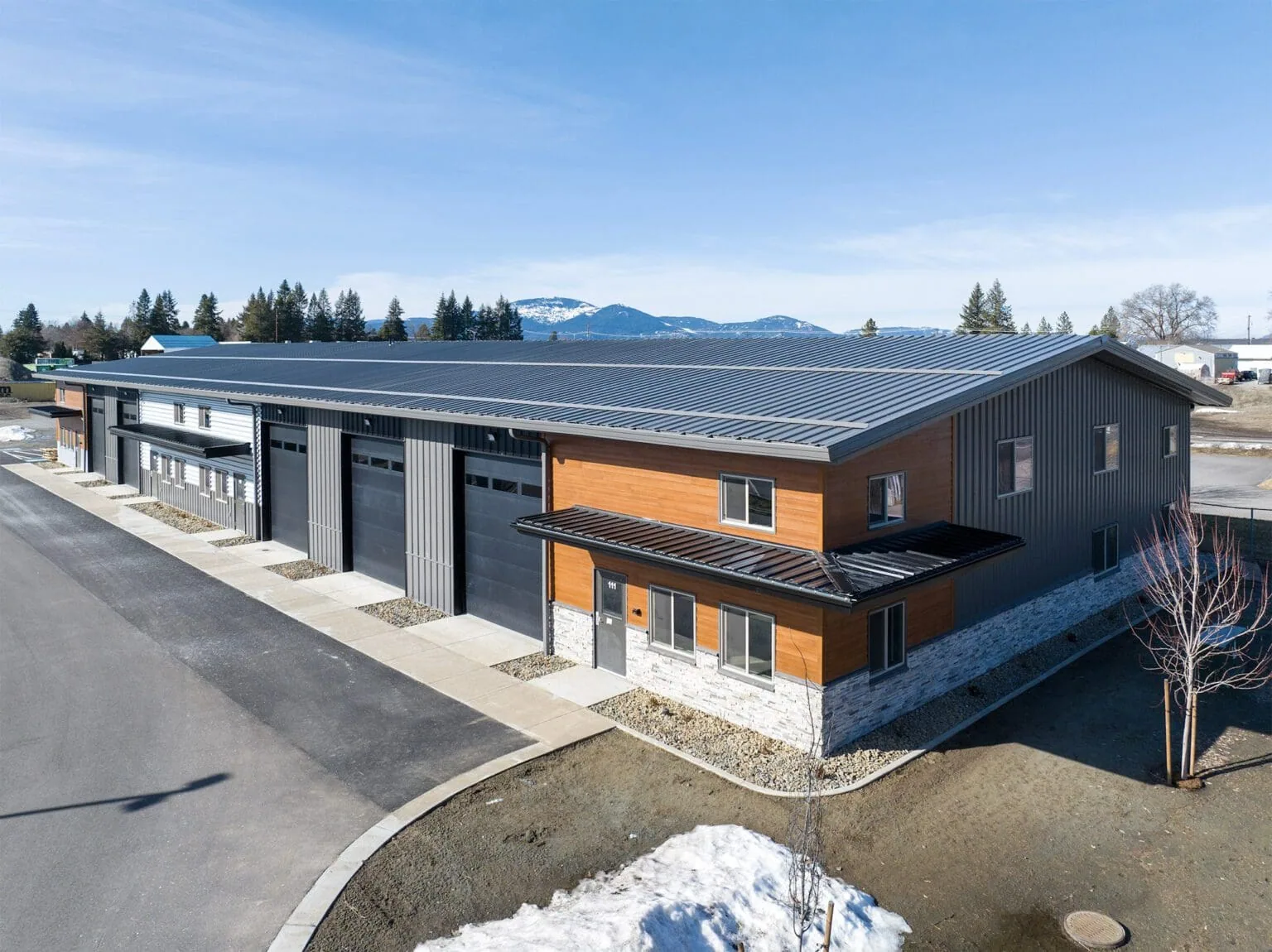
Manage commercial roof repair across Pueblo, CO properties with consistent inspections, scoped work orders, tenant access plans, and clear closeout records.
A roof request from one tenant can turn into a portfolio question when the building shares drains, walls, or a roof system with other occupied areas. We help property managers connect the reported leak to an inspected roof zone, distinguish immediate repair from budget planning, and document the work boundary for the owner. Each property still gets its own inspection; portfolio consistency comes from using repeatable zone labels and closeout records, not assuming every building has the same assembly.
Pueblo’s employment areas include the rail-served St. Charles Industrial Park and the Pueblo Memorial Airport Industrial Park, while North Elizabeth Street is a commercial corridor with service, warehouse, and self-storage uses in documented blocks. Those places suggest different delivery and occupancy patterns across a portfolio. We confirm each site’s access, use, drainage, and tenant schedule before assigning a sequence, then give the manager a clear update on what was inspected, what was repaired, and what remains open.
How should managers sort urgent calls from planned work?
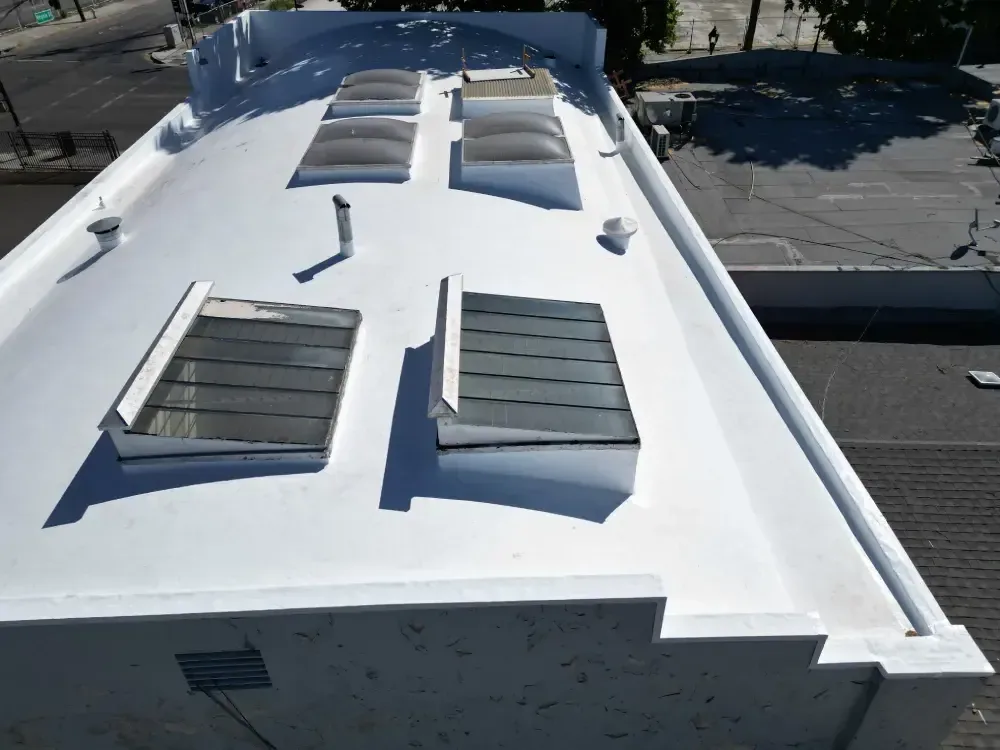
Start with active water entry, affected room or unit, roof access, and the date the condition changed. We assess whether temporary protection is needed, then compare the report with roof seams, curbs, drains, wall transitions, and known repairs. A tenant’s description matters, but it should not dictate the repair point before the water path is checked. We label the property and roof zone consistently so the manager can see whether calls recur at one detail or arrive from unrelated locations.
A condition inspection can establish a baseline for a building with incomplete records. If a leak is active, a rapid response can stabilize the area while the owner reviews a permanent scope. The work order should separate emergency protection, confirmed repair, interior restoration, and broader capital work. That separation makes approvals easier to track and avoids treating a temporary patch as a final renewal decision across the portfolio.
What access details belong in every property file?
Record roof access rules, tenant hours, loading limits, approved staging, fire lanes, and the contact authorized to change the work window. Those conditions can vary even between buildings with similar roof plans. Before material arrives, the manager should confirm whether an entrance, parking row, or tenant area needs notice. We set the active roof boundary and daily stop point with the site contact so crews do not depend on a tenant to make an unplanned access decision.
For occupied sites, phased roofing can coordinate work zones with business hours and interior protection. If multiple properties are scheduled in one week, sequence them by current field condition, access readiness, and weather exposure rather than by street order alone. The 1,600-acre St. Charles Industrial Park has rail and I-25 connections, while Pueblo West’s Highway 50 corridor includes commercial and light-industrial activity. These regional facts can inform mobilization conversations, but site-specific gate and staging rules still come from each manager.
How can inspection findings support the annual plan?
Use the same roof-zone names, finding categories, and photo orientation each time a property is visited. A manager can then compare a drain concern from one season with its current condition and tell an isolated flashing defect from a broader assembly issue. We identify observed moisture indicators, surface deterioration, previous patches, and areas not inspected. A budget should reflect measured repair quantities and known limits rather than assume that one building’s condition represents the rest of the portfolio.
A written condition report can organize photographs and priorities for owner review. If several buildings are approaching renewal, replacement scopes can be compared by assembly, access, tear-off boundary, and phasing. The owner can see which work is a safety or water-entry response and which is a planned capital item. For an investor-owned portfolio, REIT roof planning provides a related view of reserve timing while preserving property-level evidence.
For a quarterly owner review, present roof items in separate buckets: water entry needing action now, repairs that can be grouped with scheduled access, and long-range renewal supported by inspection findings. We can note how weather exposure, tenant impact, and mobilization change each option without turning the list into a condition rating unsupported by the walk. The manager can then carry a short, evidence-based recommendation into the next budget discussion.
Which Pueblo conditions should managers track across sites?
Pueblo’s average January low is 15.4°F and its average April low is 35.3°F. That seasonal range can affect sealants and access, but the current forecast and roof condition govern a scheduled opening. Record substrate temperature and any weather delay in the work order. We recommend noting what weather preceded a leak report and whether water remained near an outlet after melt. That record can help the manager prioritize inspection without claiming that every property experienced the same event.
Commercial building settings also vary. PuebloPlex is a large redevelopment campus with existing buildings and planned manufacturing, warehousing, rail-related, research, and technology uses; Downtown Pueblo includes historic storefront and mixed-use property. A PuebloPlex area visit and a downtown inspection may involve different access and staging discussions. Before an assembly is set, confirm whether Pueblo Regional Building Department reviews the parcel and which current code amendments apply. The 2021 IBC, IEBC, and IECC govern projects under that department’s jurisdiction.
What does a useful portfolio closeout include?
For each work order, record the property, roof zone, work completed, material installed, photos, and any condition left outside the approved scope. Note whether temporary protection remains and who will revisit it. If additional wet insulation or deck damage was found, attach the location and approval instead of absorbing it into an unrelated invoice. This makes the closeout useful to the property manager, building owner, and next service contact.
A maintenance program can keep drains, edge details, and prior repair areas on a planned review cycle. Managers coordinating industrial tenants can also compare manufacturer facility needs, while the roof scope stays specific to each building. We provide the next action and access contact so the property file records whether a finding was resolved, deferred, or referred for a separate decision. That gives the manager a traceable sequence from tenant report to roof inspection and closeout.
Commercial Roofing Questions
Can one roofing vendor work across several properties?
A portfolio can use a consistent inspection and reporting process while keeping each building’s diagnosis and work order separate. We identify the assembly, access rules, findings, and quantities at each location. The manager can then compare priorities without assuming that a repair at one property applies to another.
How should I respond when a tenant reports a ceiling leak?
Record the room, time, and recent weather, then arrange an inspection of the roof zone and likely drainage path. If water is active, temporary protection may be needed before a permanent repair is defined. The roof scope should state what is confirmed and what still requires access or testing.
What makes a roof budget useful to the owner?
A useful budget ties an option to measured roof area, material condition, access, phasing, and stated exclusions. We separate urgent stabilization from planned renewal and identify concealed conditions that could change quantities. That lets ownership compare work on evidence rather than a single building-wide label.
Which records should be kept after a repair?
Keep the roof-zone map, inspection notes, approved scope, photographs, installed materials, and open observations together. Record who authorized any field change and whether a follow-up is scheduled. This makes a later tenant report easier to compare with work actually performed.

Build a property-level roof work list
Share the property roster, access contacts, leak reports, prior repair records, and upcoming tenant or capital schedules. We will inspect each roof zone and return scoped findings for review.
Call 555-555-5555 or email [email protected].