
Home / Commercial Roofing Services / Commercial Roof Recover
Commercial Roof Recover in Pueblo, CO
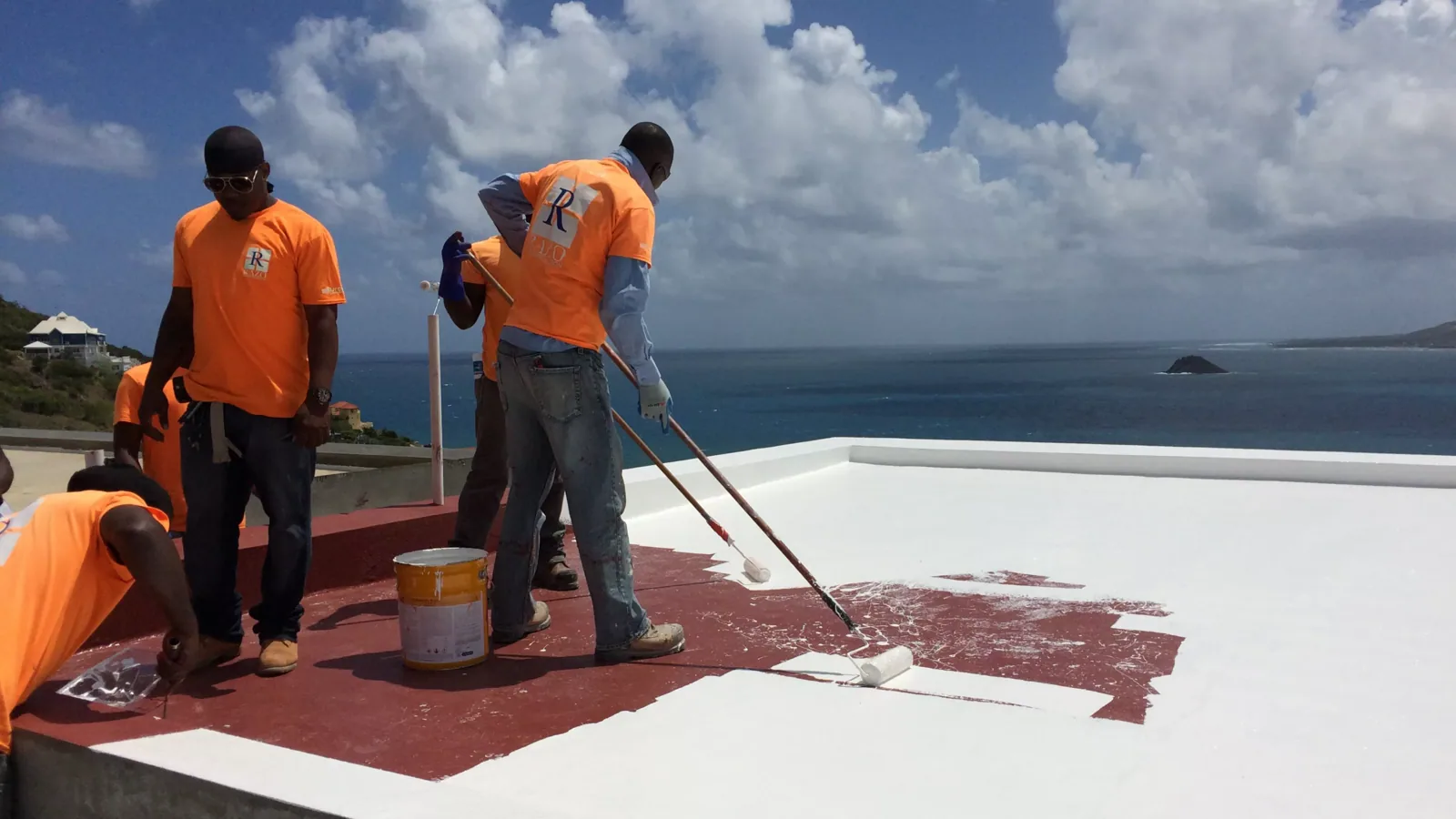
Evaluate a commercial roof recover in Pueblo with moisture checks, attachment review, drainage details, and a clear decision on retained layers.
The core result determines whether another layer belongs in the bid. A recover can avoid full tear-off when the existing roof is stable, dry enough, and able to support the new assembly. The visible surface is only one part of that decision. In Pueblo, CO, we check the existing layers, deck, drainage, edges, and equipment details, then compare those conditions with the proposed attachment and the code path for the property. The result is a defined work boundary, not a guess based on a quick walk.
That distinction matters on active industrial and airport properties, where tear-off, disposal, delivery timing, and production access can all affect the project sequence. Pueblo’s St. Charles Industrial Park is a rail-served manufacturing area along I-25; airport industrial sites sit near US 50 and have direct taxiway access. These facts describe the districts, not a specific building’s roof or gates. We verify those conditions at the property and use them to coordinate staging. A hands-on roof inspection and selective test cuts establish whether the existing assembly is a viable substrate for a recover.
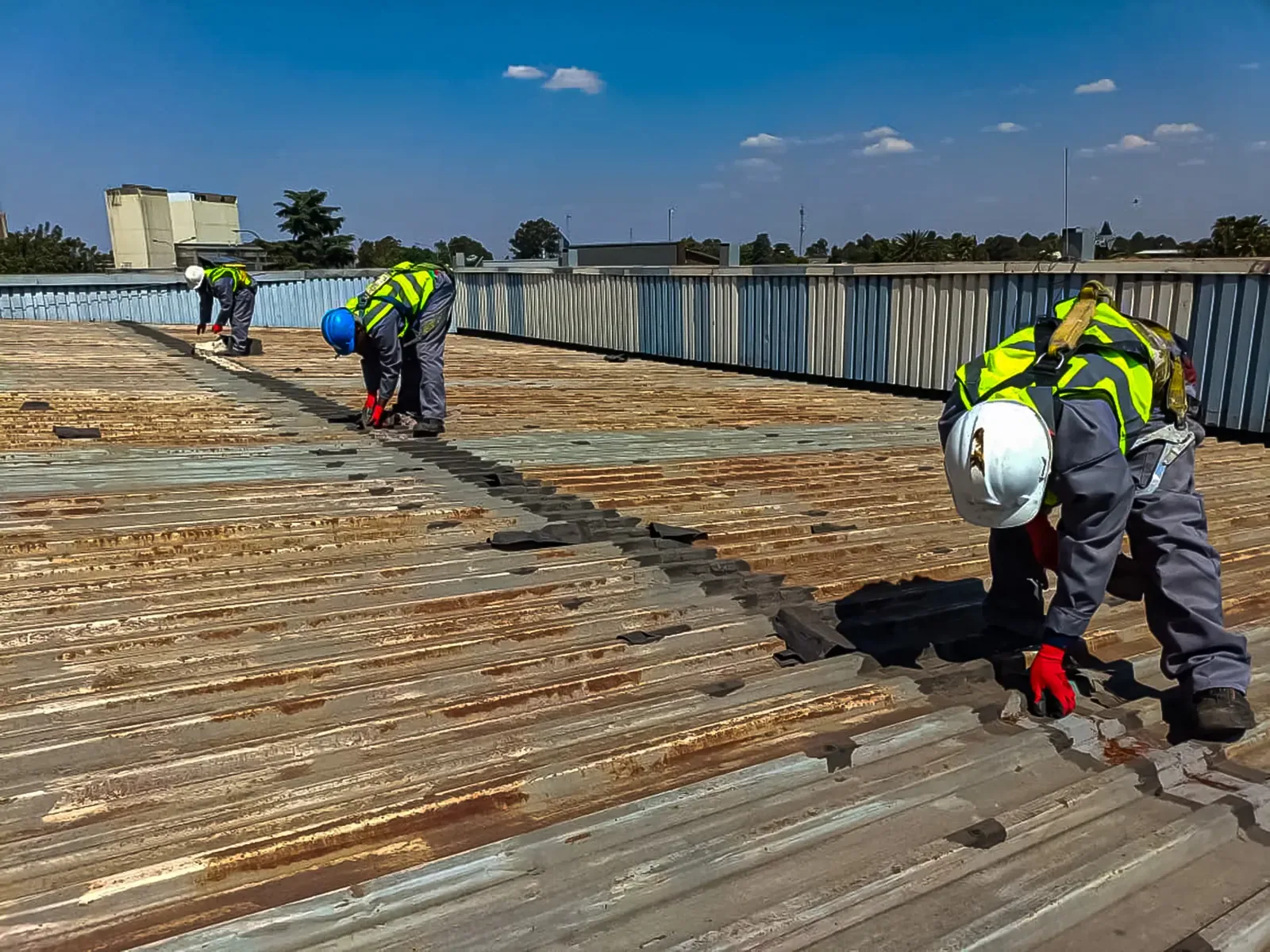
What can stay under the new roof?
A recover starts with an inventory of what is already on the deck. We look for the membrane type, number of layers, prior patches, insulation, fasteners, and transitions at walls and curbs. The deck needs to be sound and capable of taking the attachment design. A loose membrane, deteriorated insulation, or delaminated layer may prevent the new assembly from performing as intended. We mark these conditions by zone so the owner can see where retention is reasonable and where removal or a separate repair is required.
Layer count and weight can also affect code eligibility and the replacement scope. Before a recover is proposed, confirm the parcel’s permit reviewer and current assembly requirements. The parcel’s permitting authority and current amendments should be confirmed before the project basis is set. We do not treat a recover as a shortcut past those checks. Where the assembly cannot support another roof layer or water is trapped below the surface, a full replacement scope may be the more direct path. The estimate should show the retained areas, removal boundaries, and the conditions that would change either one.
Where does moisture change eligibility?
Moisture is a decisive field condition because a new membrane can hide wet insulation without correcting it. We inspect seams, penetrations, drains, wall transitions, and prior repair zones for signs of water entry, then use suitable survey methods to identify areas that warrant verification. Infrared readings can help locate temperature differences associated with wet material, but they are not a stand-alone diagnosis. Selected core cuts or test openings confirm the layers and allow the project team to see the substrate before a decision is made.
Findings need to be mapped with enough detail to support the takeoff. If one roof zone contains wet insulation while the adjacent field is dry and attached, the owner may compare localized removal with broader tear-off. We document what each test shows, its limits, and the resulting work boundary. A targeted moisture survey can reduce guesswork, while a repair plan for active leaks can stabilize an isolated condition before the larger project. If the survey and openings disagree, we pause and test a representative area rather than extending one result across the entire roof.
How will the new assembly attach?
Attachment has to transfer wind loads through the new membrane and insulation into a suitable deck or existing roof assembly. The chosen fastener pattern, adhesive, cover board, and membrane all have to work together. We also check whether the existing surface is compatible with the new system and whether the perimeter and corner zones need a different fastening approach. A manufacturer’s system requirements guide the assembly; the actual deck and field conditions determine how that detail can be installed.
Recover work adds height, so we measure elevations at drains, scuppers, doors, parapets, and mechanical curbs. If the new roof raises the field but leaves a low drain, water may remain where the owner expects it to clear. Flashing terminations and transitions to adjacent roofs need the same attention. The selected membrane may be a single-ply system such as PVC roofing or another appropriate assembly, but the material name does not answer the attachment question by itself. A written scope should identify cover board, fasteners or adhesive, perimeter restraint, edge metal, and the conditions that would require a change order.
How does Pueblo weather affect the work window?
Roofing materials have installation limits, and Pueblo’s seasons make those limits part of the daily sequence. Pueblo’s climate table lists a 93.4-degree average high for July, 90.2 for August, and 28.3 inches of typical seasonal snow. Heat can change adhesive handling and the temperature of the roof surface; cold, snow, or a wet substrate can affect membrane bonding and flashing work. We check the current forecast and actual roof conditions before selecting the active zone, rather than applying a calendar assumption to every shift.
A recover can reduce the area opened, but its exposed edges still need temporary protection and a reliable tie-in. The crew should finish each shift with the installed membrane secure, loose material removed, and drainage paths clear. Snow or runoff that collects against a curb or at a drain can test details that looked complete from above. Where an existing drainage problem is visible, we review slope, drain height, overflow points, and the added elevation before the new layer is approved. That may call for a related drainage correction rather than simply covering the old surface.
What should the recover decision include?
The project file should connect the survey findings to the final assembly. We record the retained layers, test locations, removal zones, attachment pattern, edge details, and any approved substrate repairs. That gives the owner and general contractor a basis for checking installed work against the agreed scope. It also helps maintenance staff know what was left below the new roof, where moisture was found, and which areas deserve closer attention during future service.
Before approving the work, review how the new surface meets existing walls and roofs, where access equipment will sit, and how drains remain reachable after the elevation changes. On a rail-served campus or a site tied to airport operations, receiving and laydown arrangements should be confirmed with the project lead rather than assumed from a district map. We set a stop point if a test opening finds an unexpected layer or deck issue. To evaluate a recover, arrange a roof walk with available records, access windows, and the operating calendar ready. We will lay out the findings, compare retention with removal, and define the next check before materials are ordered.
Commercial Roofing Questions
How can the team tell whether a recover is allowed?
Eligibility depends on the existing layer count, deck condition, moisture results, attachment capacity, and the code provisions for that property. We inspect the roof and verify representative areas before recommending another layer. If a hidden condition changes the assembly or triggers removal, we document that boundary and revise the scope before the crew continues.
Will a new roof cover existing wet insulation?
No. Wet insulation should be identified and removed or addressed under a defined repair scope before it is concealed. We compare survey information with test openings to locate the affected material, then mark the removal limits. A recover proposal should state what remains and what is excluded so the project lead can evaluate the decision clearly.
Does a recover change the roof drainage?
Added layers can raise the roof surface relative to drains, scuppers, door thresholds, and equipment curbs. We measure those transitions and check whether taper or drain work is needed to preserve a working path for water. If the existing roof already ponds, the recover design should address that condition before the new membrane goes down.
What if one test cut disagrees with the roof records?
That is a reason to pause at that roof zone and verify the assembly, not to apply the first result to the whole building. We photograph the opening, compare it with nearby conditions, and select another representative location if the scope depends on the distinction. The project lead can then approve the retained or removed area with the evidence visible.
Verify the existing assembly first
Arrange a roof walk with current records, access windows, and the project lead available. We will map test areas, review drainage and attachment, and show where a recover remains a sound option.
Call 555-555-5555 or email [email protected].