
Home / Industries We Serve / School Districts
Commercial Roofing for School Districts in Pueblo, CO
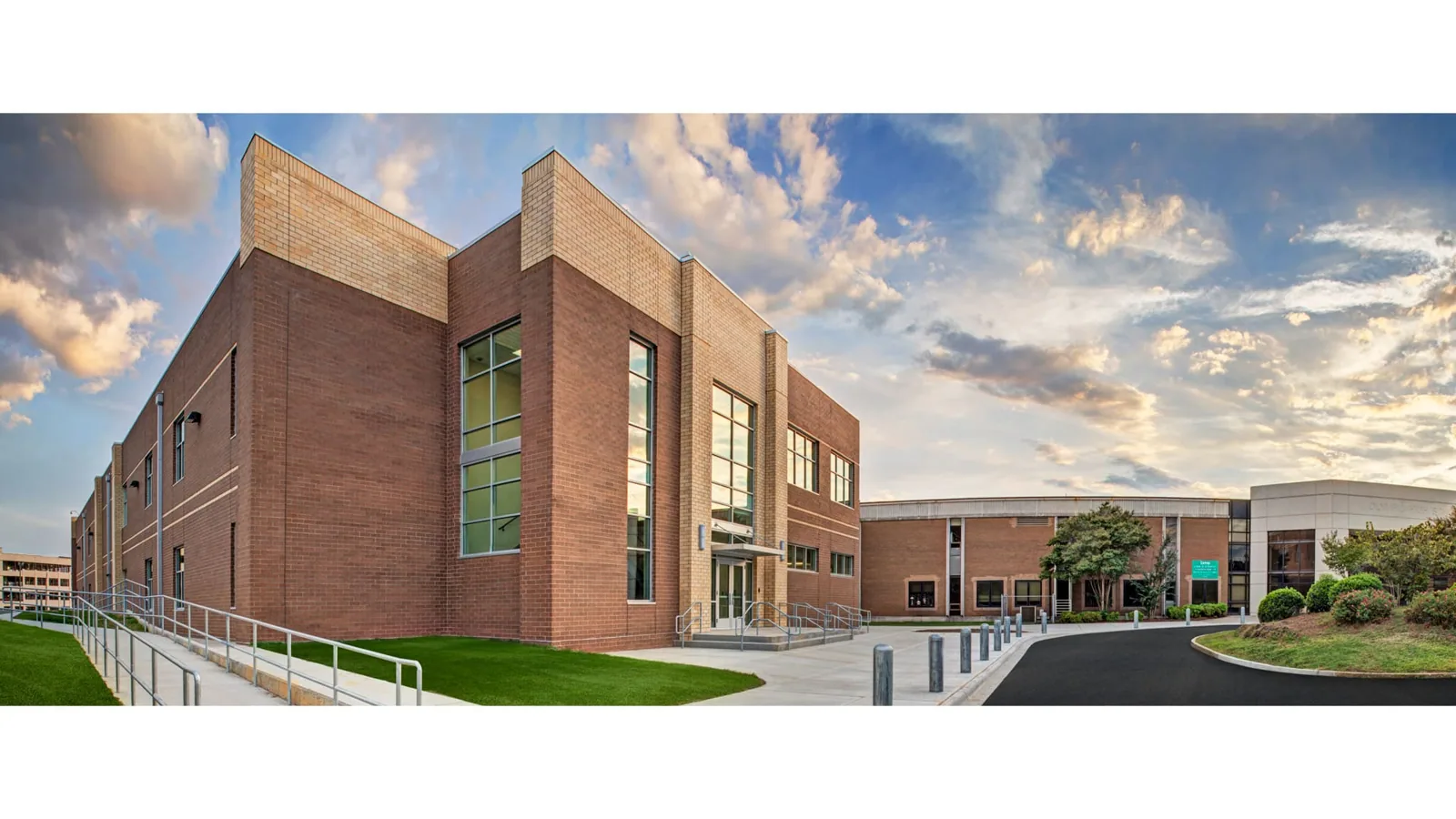
Plan district roofing across Pueblo with campus inspections, summer windows, student access controls, measured scopes, and clear project closeouts.
A district roof walk should begin with the campus calendar and the building condition, not a portfolio average. We inspect the reported roof zones, compare assemblies and previous repairs, and identify where classroom, office, kitchen, or gym schedules affect access. Each facility receives its own findings, while common labels let district staff compare repair priorities and budget options across the system.
Northside extends from I-25 to Craig Street and from 10th Street toward 29th Street; South Pueblo has a different mix of historic blocks and commercial uses. These place facts help frame travel and property context but do not identify a school campus or its roof. We verify each campus’s access, student routes, deliveries, and authorized contacts, then plan roof work around class periods, summer programs, and the district’s own safety procedures.
How should a district compare roof findings?
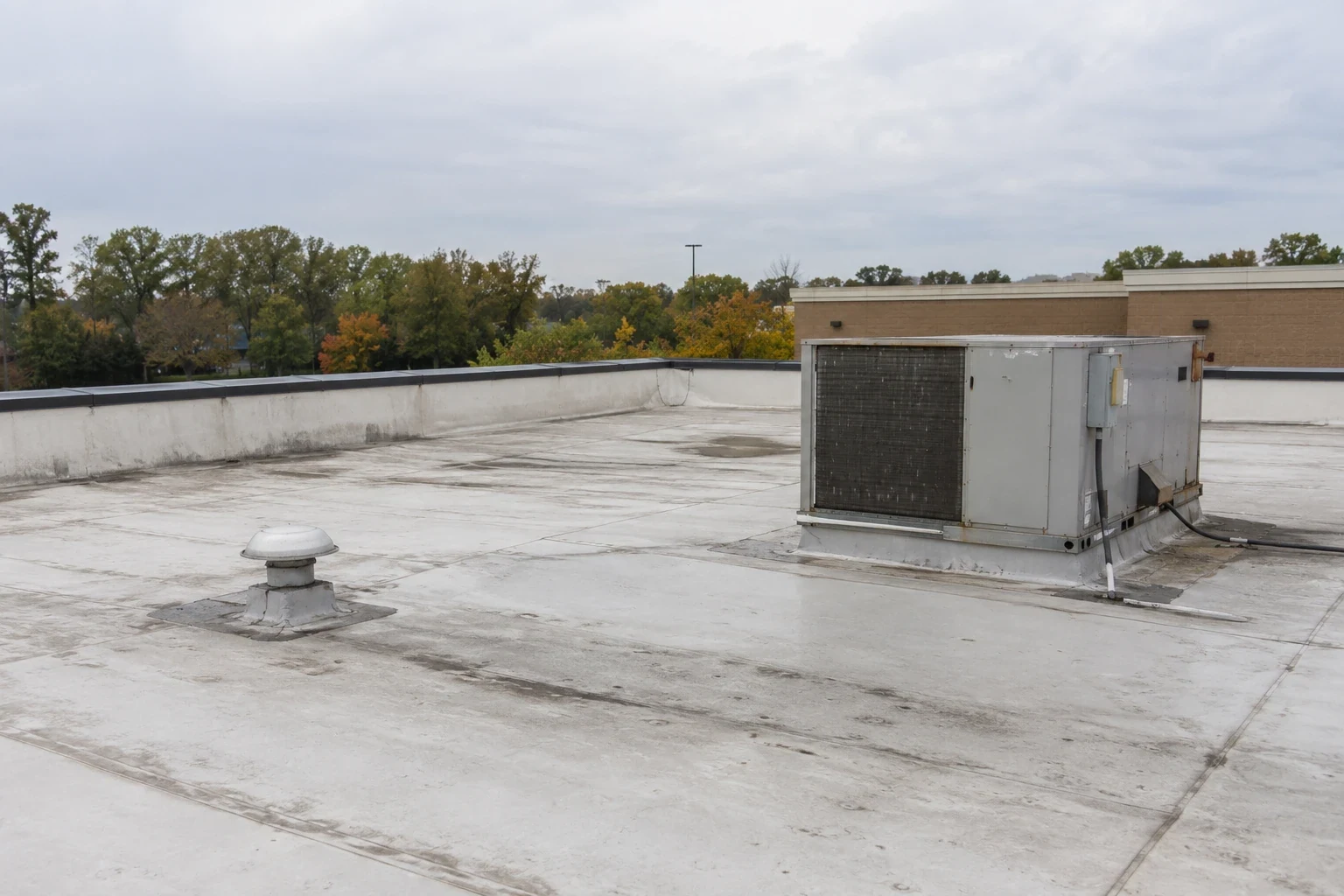
Use the same information for each campus: visible system, inspected zones, drainage, penetrations, moisture indicators, prior patches, and any area that could not be accessed. A roof leak above a classroom may travel from another section, so the building report and roof inspection should be connected without assuming the nearest opening is the source. Label photos and findings so maintenance staff can return to the same location on a later visit.
We also record roof drains and scuppers, parapet transitions, expansion joints, and penetrations serving rooftop equipment. On a school, kitchen exhaust, gym ventilation, and classroom air intakes can affect where protection and temporary closures belong. Those details are mapped by roof zone, then checked against the interior area the district reported. A missing or blocked drain is documented separately from membrane damage so the scope addresses both the water path and the surface defect.
A roof condition inspection can establish that baseline. For a wide or difficult-to-reach area, aerial imagery may document surfaces for follow-up, while hands-on checks remain necessary for material and attachment questions. Districts managing occupied buildings can align access through property management contacts at leased sites, but district maintenance staff still confirm campus rules. Findings should distinguish a confirmed defect from an area that needs further testing before budget approval.
Which dates and routes shape the work window?
Set a campus-by-campus schedule that accounts for student arrival, pickup, summer programs, food deliveries, athletics, and staff access. A lift or debris container may change a bus path or accessible entrance even if the roof work is above another wing. The school contact identifies approved staging and emergency routes. We plan removal around those conditions and choose sections that can be dried in and secured before the shift ends.
Occupied-school sequencing can limit open area and set interior protection. If work moves into the school year, identify the facilities contact who can approve a noisy period or temporary room restriction. Public districts may also need procurement and public-access controls similar to those described in public agency roofing, while student-safety procedures remain specific to the campus. The daily note should name the active zone, the ground route affected, and the point at which the building can return to normal use.
How can districts separate maintenance from renewal?
A damaged flashing or seam can be a local repair if nearby membrane, insulation, and deck remain serviceable. Repeated leaks across a school, wet insulation at multiple zones, or widespread edge and drainage problems may justify replacement planning. We measure the affected area and identify which findings are confirmed. Campus enrollment or building type does not establish the roof area or assembly, so the recommendation follows inspection and available records.
A repair scope should state location, tie-in, quantities, and limits. A replacement plan can compare tear-off, insulation, membrane, drainage, and timing during breaks. If a district groups multiple campuses in one bid, show the work at each property separately so access and hidden-condition allowances do not blur. Drain correction may be a discrete item when a blocked outlet or damaged connection is the main problem, rather than a substitute for roof-wide evaluation.
If the district uses a single bid package for several sites, list campus-specific quantities, alternates, access assumptions, and decision dates. A single award can still produce separate notices to proceed and phase approvals. That lets finance compare bids consistently while site staff confirm that the planned sequence fits each building calendar.
How do Pueblo seasons shape district roofing?
Pueblo’s mean first measurable snowfall date is November 5 and its mean last is April 13. Those seasonal markers help district planners think about fall closure and spring inspection, but the current forecast governs any open roof area. Summer programs may provide a useful work window, yet high roof temperatures and material limits still need to be checked on the day. We define a closure point and temporary protection before work begins.
Thatcher and 18th Street were proposed as historic districts in Northside. Campus access and school roof conditions still come from the specific property walk. Where an older campus sits near such an area, the owner confirms its own review and permit requirements. Before roof details are set, the district confirms which building authority reviews each campus parcel and which current amendments apply. A Northside-area inspection can reflect local travel context, while each campus’s gate, bus, and delivery access needs direct confirmation.
St. Charles Industrial Park’s rail and I-25 connections provide one example of the region’s freight context for contractor mobilization, while school delivery routes remain campus-specific. When a district has several buildings ready in one season, group work only after confirming roof access, material storage, and the availability of staff at each location. A shared purchase schedule can reduce repeated mobilizations, but it should not merge separate roof findings or approvals.
What should the district retain after each phase?
At project closeout, provide the campus and roof-zone names, installed material, photographs, repair boundaries, and any condition that remains open. Record the date and approval for field changes. If a temporary stabilization was used, state its limit and the next step. District staff can then connect a new leak report with the correct building and avoid treating work on one section as proof that every roof area is resolved.
A maintenance visit can review drains and repair details between larger capital projects. General contractors handling multiple trades can use roofing coordination to align submittals and site logistics, with the district retaining authority over campus access and scope approval. A useful handoff includes who monitors the repaired room, which contact accepts a new report, and whether the next action is inspection, budget review, or a separately authorized repair.
Commercial Roofing Questions
Can roof work be completed during summer break?
Summer can offer a longer access window, but weather, material limits, and campus programs still affect the sequence. We inspect the assembly and agree on which zones can be completed before staff return. The district should retain a weather contingency and confirm any summer learning or building-use schedule.
How can a district prioritize multiple campus roof repairs?
Compare active water entry, safety concerns, extent of wet material, repairability, and access timing using the same fields for each building. We keep findings property-specific and distinguish confirmed defects from further investigation. This produces a ranked list without assuming every campus has the same roof condition.
What should a district provide before bid pricing?
Share available roof plans, repair history, campus schedules, access and bus routes, safety requirements, and procurement instructions. We identify inspection limits and state how concealed deck or insulation conditions will be documented and approved during construction.
Can a school remain open during a roof replacement?
It can when active work areas, ground routes, interior protection, and daily closure points are acceptable to the district. We phase by roof zone and coordinate noise and deliveries with campus staff. The district decides which rooms or routes need to shift for each stage.

Build a campus-level roof plan
Bring the campus list, calendars, access rules, prior repair records, and available roof drawings. We will inspect each property and return measured findings with clear phase and approval points.
Call 555-555-5555 or email [email protected].