
Home / Property Types We Roof / Commercial Warehouse Roofing
Commercial Warehouse Roofing in Pueblo, CO

Plan Pueblo warehouse roof repair and replacement around inventory protection, loading schedules, drainage, equipment access, and phased closeout.
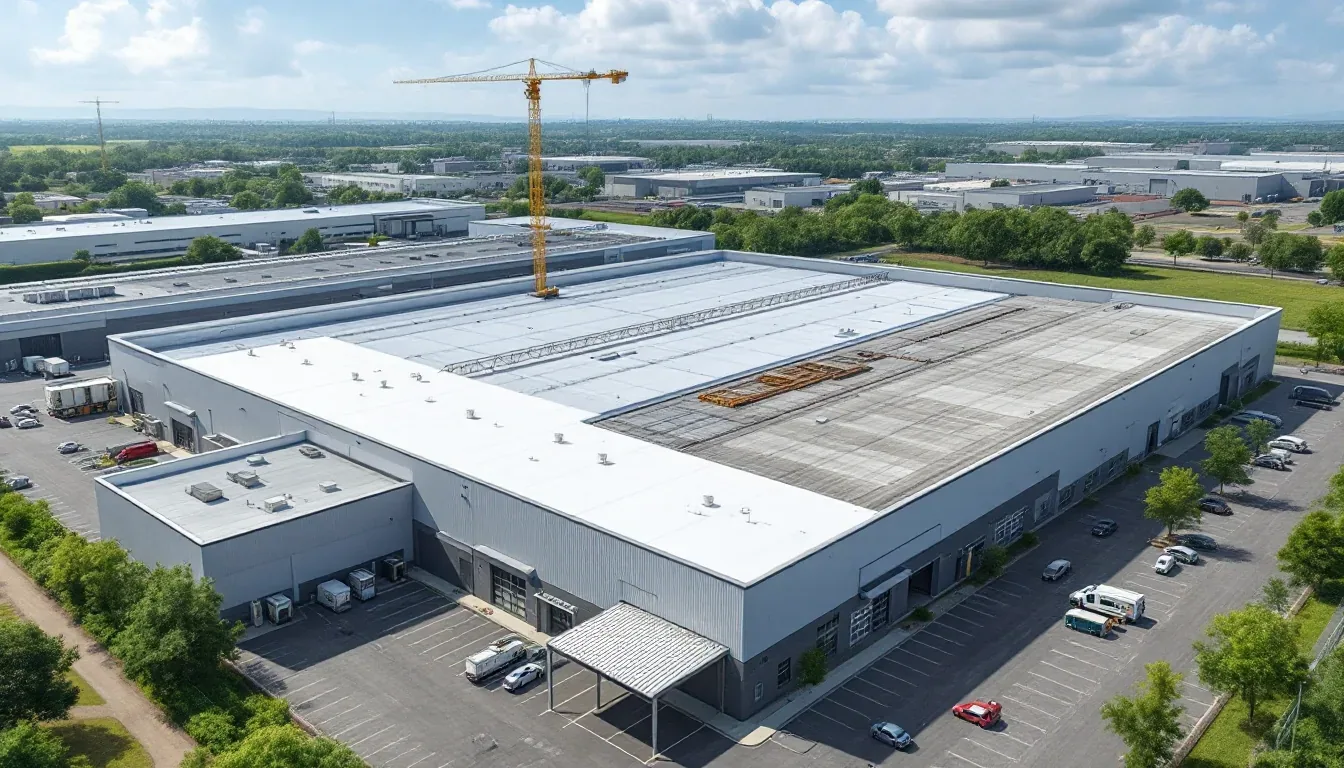
A warehouse roof plan has to protect the inventory below while leaving the receiving and shipping schedule usable. Before setting a repair boundary, we identify the roof assembly, leaks, drains, HVAC routes, and the aisles or storage areas below each work zone. In Pueblo, CO, summer roof heat and winter snowfall make water management and daily access part of the scope. The first walk ties roof conditions to the building's operating map so a crew knows what can be opened, what must stay dry, and where a delivery can stage.
Pueblo has distribution, manufacturing, and rail transportation activity, including the Target Distribution Center. The St. Charles Industrial Park is rail-served, while Pueblo Memorial Airport's industrial area has sites near US 50. Those corridor facts frame delivery questions, but they do not establish the entrance or staging rules for a particular warehouse. We confirm dock hours, trailer movement, yard restrictions, and tenant access with the facility contact before a material truck is scheduled.
Which roof zones need attention first?
We map leak reports, roof transitions, equipment clusters, drains, scuppers, expansion joints, and prior repairs against the roof plan. A stain in a storage bay may trace to a seam several feet away, and water can move along insulation before it reaches the deck opening. We inspect the field membrane, flashings, edge metal, and attachment around the reported area, then record whether the condition is isolated or repeats across a larger zone.
For inventory-sensitive areas, the facility team can identify racks, high-value stock, temperature-controlled goods, or aisles that need additional interior protection. The work package marks which spaces sit beneath the roof zone and who moves or covers material before opening. A roof condition inspection can establish visible findings before construction. If moisture is suspected, an infrared survey can help target confirmation when conditions support that method. Test openings are coordinated and restored under the approved scope, so the owner can distinguish measured moisture from visible surface damage.
How should runoff and snow be handled?
Warehouse roofs often have broad drainage paths, multiple low areas, and drains or scuppers that must stay clear during work. We check strainers, bowls, overflow routes, crickets, and the surrounding membrane for debris or separation. Winter accumulation and regional severe-weather tracking make post-event roof checks relevant in Pueblo. We inspect the actual slope, drain capacity, and visible damage before recommending a repair, rather than treating the weather record as evidence that a specific building was affected.
If water remains after a storm, we measure and photograph the ponding area and inspect the path to its outlet. Tapered insulation or drain work may be needed when cleaning does not restore flow. A drainage repair can be scoped separately from membrane replacement, and the written proposal should show how temporary covers preserve outlets during each phase. When wind or hail damage is visible, a storm assessment records the affected zones before permanent work is selected. We avoid opening a broad area until the project lead confirms how the interior and stored goods below will be protected.
How do roof deliveries fit warehouse movement?
Material delivery, crane setup, waste containers, and worker access can intersect with truck courts and dock traffic. We ask the facility contact to identify the approved gate, delivery window, trailer routes, lift position, and area that can hold membrane or insulation. A location's highway or rail connection does not tell us which gate is safe for a specific load. The site plan should keep the fire lane, employee entrance, loading doors, and pedestrian route clear throughout the shift.
Roof work above a shipping bay may require a temporary closure or a different daily zone. We coordinate noisy removal, debris handling, and interior protection with the operating schedule, then communicate the boundary before work begins. For a roof with multiple loading faces, a phased reroof sequence can rotate work zones to keep one route available. A warehouse may also share the property with offices or cold storage, so we mark where the roof system changes and avoid assuming that one assembly continues across the whole footprint.
What roof assembly fits the warehouse operation?
The choice among TPO, PVC, EPDM, modified bitumen, metal, or a coating depends on the existing assembly, slope, drainage, traffic, exposure, attachment, and project specification. We check insulation and deck condition before recommending a recover or replacement. A roof with rooftop units, exhaust, or frequent service visits needs accessible paths and durable transitions around those details. If roof plans identify one material but field evidence shows another, the scope pauses for confirmation before the new assembly is priced.
Owners comparing alternatives should review tear-off quantities, cover board, insulation, perimeter work, flashing, and concealed-condition allowances along with the top membrane. A distribution center roof plan may place more emphasis on continuous shipping operations, while cold-storage roofing brings interior temperature and vapor-control questions forward. For an individual warehouse, the installed roof, building use, and facility requirements set the scope. We separate verified work from options so the project lead can compare proposals at the same work boundary.
What should be documented before the roof reopens?
Before demobilizing, we check completed seams, curbs, drains, edge terminations, hatches, and the route used by equipment service vendors. The closeout map identifies repaired zones, replaced materials, test locations, approved field changes, and any area that remains outside the work. Photos should show the tie-ins and interior protection removed after the roof is secure. The facility contact receives a clear note about any follow-up inspection or temporary condition that remains.
A maintenance visit can track drain debris, seam movement, punctures, and damage from rooftop traffic before a leak reaches stored product. Scheduled roof maintenance keeps the inspection record tied to the warehouse's access and operating window. When several properties are managed together, roof asset planning can preserve system type, repair history, and timing without combining one building's condition with another's. Bring roof plans, inventory restrictions, prior leak notes, and delivery rules to a Pueblo roof walk. We will map the work zones and define the protection and closeout steps before the first opening.
Commercial Roofing Questions
Can warehouse operations continue during roof replacement?
The work can be phased when the facility's access, inventory protection, and weather requirements permit. We map the roof area to aisles and dock operations below, then schedule a zone that can be opened and closed within the shift. Some areas may need a temporary interior barrier or a short shutdown, which the project lead identifies before tear-off starts.
What should happen if water reaches stored inventory?
We locate the roof zone and stabilize active entry while the facility team protects stock below. The inspection checks nearby seams, drains, curbs, and previous patches, because water can travel before appearing inside. We document the immediate repair separately from any replacement scope so the owner can address the leak and evaluate the larger assembly.
How are drains kept open during a reroof?
The daily plan shows which outlets remain active and how debris is kept away from strainers and scuppers. We check the drainage path after each completed zone and remove temporary material before leaving. If a drain itself needs replacement or reset, we define that work and protect the opening while its tie-in is completed.
What roof records help price a warehouse project?
Roof plans, prior repair invoices, leak locations, equipment layouts, and dock schedules help set a measured scope. We compare the documents with visible conditions and flag differences before pricing concealed work. A site walk also identifies where material can stage and which truck routes must remain available during construction.

Map the warehouse roof around inventory and shipping
Bring roof plans, leak history, inventory restrictions, and dock schedules to a roof walk. We will identify the affected zones, delivery route, interior protection, and daily closeout point.
Call 555-555-5555 or email [email protected].