
Home / Property Types We Roof / Data Center Roofing
Data Center Roofing in Pueblo, CO
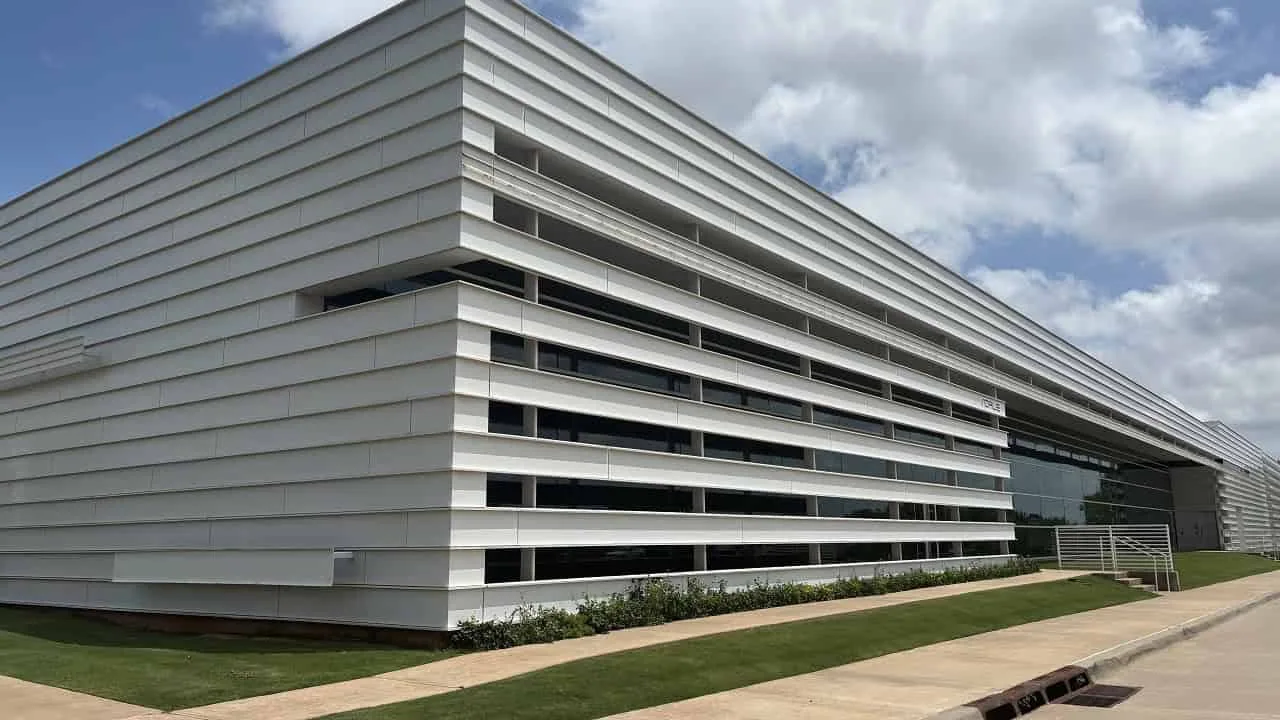
Plan Pueblo data center roof work around cooling equipment, critical power, leak response, access controls, drainage, and phased protection.
A small roof leak near a cooling unit can put a critical room on the incident list before water reaches a server rack. We inspect the roof and map every reported condition against equipment, electrical routes, hatches, and the facility's response plan. Pueblo, CO, is marketing manufacturing, warehousing, research, and technology uses at PuebloPlex; that redevelopment context does not establish an operating data center or a specific site's equipment. For an actual data facility, we confirm its roof assembly and critical access rules with the owner before setting a work zone.
Cooling equipment, generators, cable paths, and rooftop service routes can constrain where a crew works and when equipment can be isolated. The plan identifies which units must remain available, where water-sensitive rooms sit below the roof, and who can authorize temporary protection. A facility near St. Charles Industrial Park may also need material and lift access coordinated with industrial operations, while the property contact controls the actual gate and staging route. Those facts frame logistics; they do not tell us the roof design or availability of backup systems.
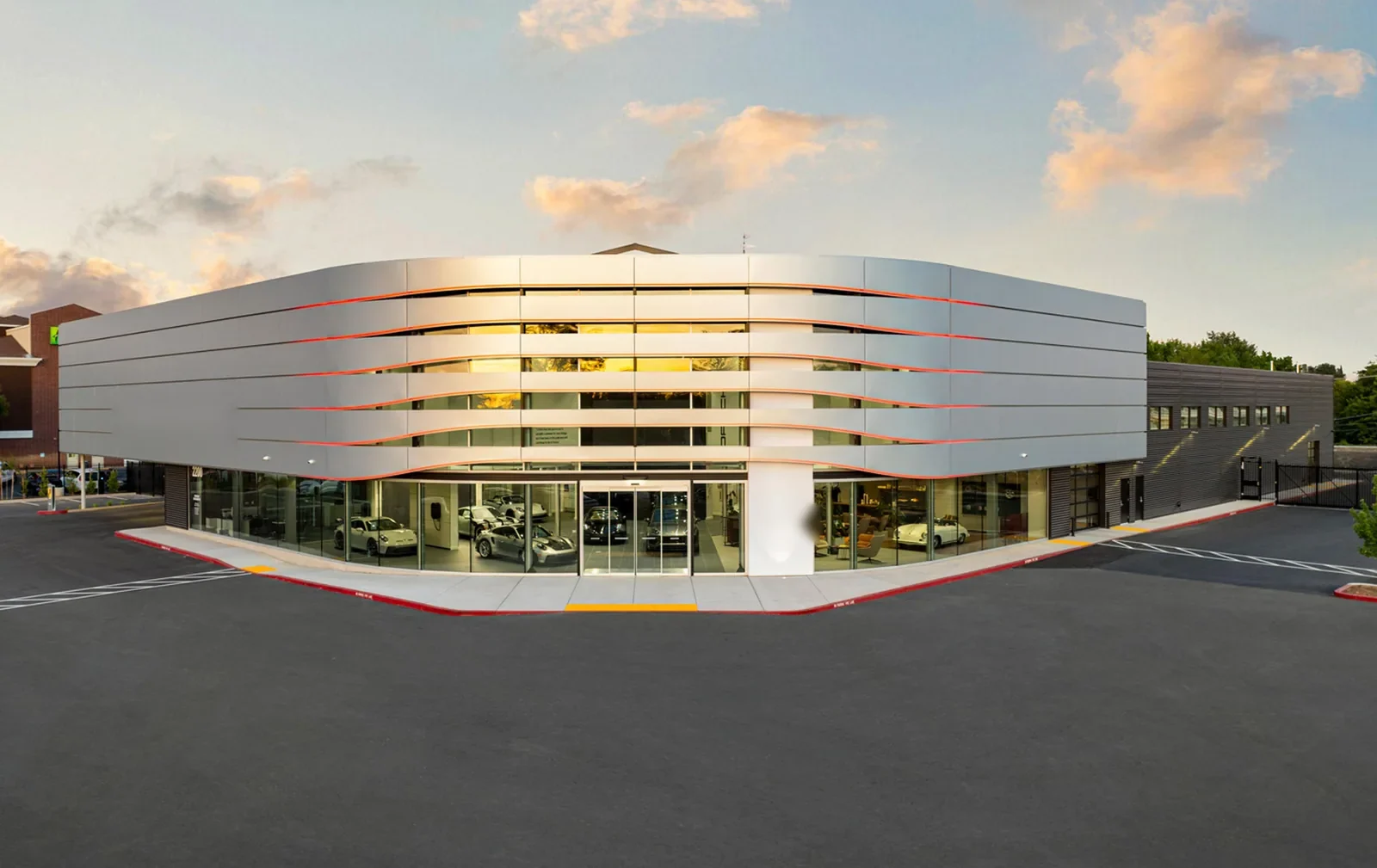
Which roof areas affect the critical environment?
We map cooling equipment, electrical penetrations, drains, expansion joints, roof openings, and previous repairs to the facility's room and system layout. The data center team identifies areas where a leak, dust, vibration, odor, or service interruption would require a response. We inspect the membrane and flashing around that zone, then define the surface area that can be opened while preserving the site's access and environmental controls. The work boundary should align with the facility's approved maintenance process.
A roof condition inspection can document seams, curbs, insulation, edge details, and drain performance. When moisture is suspected, an infrared survey may help focus confirmation if roof and weather conditions are suitable. Test openings require an approved location, interior protection, and a repair method that restores the roof assembly. A separate inspection scope records visible evidence and distinguishes it from concealed conditions. We coordinate any access to restricted roof zones through the facility's established controls rather than treating the hatch as ordinary commercial access.
How do roof details connect to cooling equipment?
Chillers, condensers, exhaust, piping, and electrical conduit all create service and flashing requirements. We check curb height, membrane terminations, supports, nearby seams, and the path technicians use to reach each unit. If a unit remains in operation during roofing, the facility contact and mechanical lead establish any isolation, clearance, or temporary protection needed. The roofing scope should not assume that cooling can be shut down or equipment moved without coordination.
A new curb or support may change finished roof height and affect insulation, drainage, or access. Curb and support coordination can set dimensions and attachment points before roofing material arrives. If the building also contains administrative areas, the project may have requirements similar to office building roofing, while the computing floor needs separate environmental protection. Cold storage roofing presents another example of temperature-sensitive work, but its vapor and product-protection conditions differ. We identify the specific facility limits instead of carrying an assumed sequence across all zones.
What is the response when water threatens uptime?
The first step is to protect the critical interior and isolate active water entry. We locate the roof zone, inspect the nearest drain, seam, curb, and previous repair, then stabilize the opening under the approved site procedure. The permanent scope follows after the source and assembly are documented. The facility's incident lead should know who receives roof photographs, where the affected area sits, and how a temporary repair differs from a completed membrane correction.
Pueblo summer roof surfaces can affect material handling, and winter snow and freeze-thaw keep drainage and safe access in the maintenance plan. Those seasonal stresses call for different checks; the field condition and forecast govern the work window. We check overflow routes and keep drains clear during each phase. If hail or wind has visibly damaged the roof, a storm assessment can document the affected zone before permanent repair. A rapid stabilization visit addresses immediate exposure, with permanent work measured separately.
How should repair and replacement bids be compared?
System selection depends on the existing membrane, insulation, deck, attachment, drainage, and facility requirements. We identify the specified assembly and state whether the proposal includes repair, recover, or removal. A roof warranty, project criteria, or manufacturer detail may set inspection and closeout steps that belong in the bid. The project lead should see equipment protection, occupied-space safeguards, access controls, and change approval alongside membrane and insulation quantities.
For a large roof, the sequence can separate equipment clusters, data halls, office areas, and perimeter work into inspectable zones. A phased work plan can set the daily boundary and restoration point. For lifecycle records, roof asset management can keep assembly, repair history, and future replacement timing tied to the facility. A replacement plan compares removal and renewal against localized work, while a recover evaluation checks moisture, attachment, and finished-height constraints before an overlay is priced.
What should the closeout handoff protect?
The completion file should include roof-zone photographs, membrane and flashing details, test results, repair limits, approved changes, and any remaining observation. We review that roof hatches, drains, penetrations, and equipment paths are clear before access is returned. If an area was not tested or opened, the closeout identifies that limit so future maintenance does not treat the space as confirmed dry. The facility's critical incident process can then use a consistent map when a roof condition is reported.
Maintenance checks can follow the cooling service calendar and look for punctures, loose flashing, blocked drains, or new wear around equipment. A scheduled roof visit can document those changes, while a condition report preserves the baseline. Bring roof plans, cooling-equipment layouts, access procedures, and leak history to a Pueblo roof walk. We will define the affected zones, coordinate the access window, and leave the facility team with a record that connects roof work to critical operations.
Commercial Roofing Questions
Can a data center remain online during roofing work?
That depends on the approved roof zone, equipment status, environmental controls, and protection available below. We coordinate with the facility lead to identify active cooling and critical rooms, then phase the work within the site's access and incident procedures. If a zone cannot be isolated or protected, the project schedule needs an approved maintenance window.
What should happen if a roof leak reaches a critical room?
The facility follows its incident process to protect equipment and control the room, while we identify the roof area and stabilize active water entry. We inspect the nearest penetrations, seams, drains, and prior repairs, then document the confirmed source. Permanent correction is scoped separately from the immediate response so the owner can review both actions.
How are cooling units protected during roof replacement?
The mechanical and facility teams identify which units must stay online, which can be isolated, and what clearances service technicians require. We sequence roof work around those limits and coordinate curb flashing or temporary protection with the responsible trades. The roof map shows the equipment route and the work boundary for each phase.
Can a recover system be installed over the existing roof?
The assembly needs review for moisture, deck and attachment condition, drainage, height at curbs, and the facility's project criteria. We verify what is visible and identify approved testing where layers are concealed. The proposal states which zones qualify and how discovered wet material or unstable substrate will be reviewed before work continues.
Coordinate the roof boundary with critical operations
Share roof drawings, cooling layouts, access procedures, incident contacts, and operating windows. We will inspect the roof zones and set a protected sequence for repair or replacement.
Call 555-555-5555 or email [email protected].