
Home / Roof Systems / Commercial Standing Seam Metal Roofing
Commercial Standing Seam Metal Roofing in Pueblo, CO
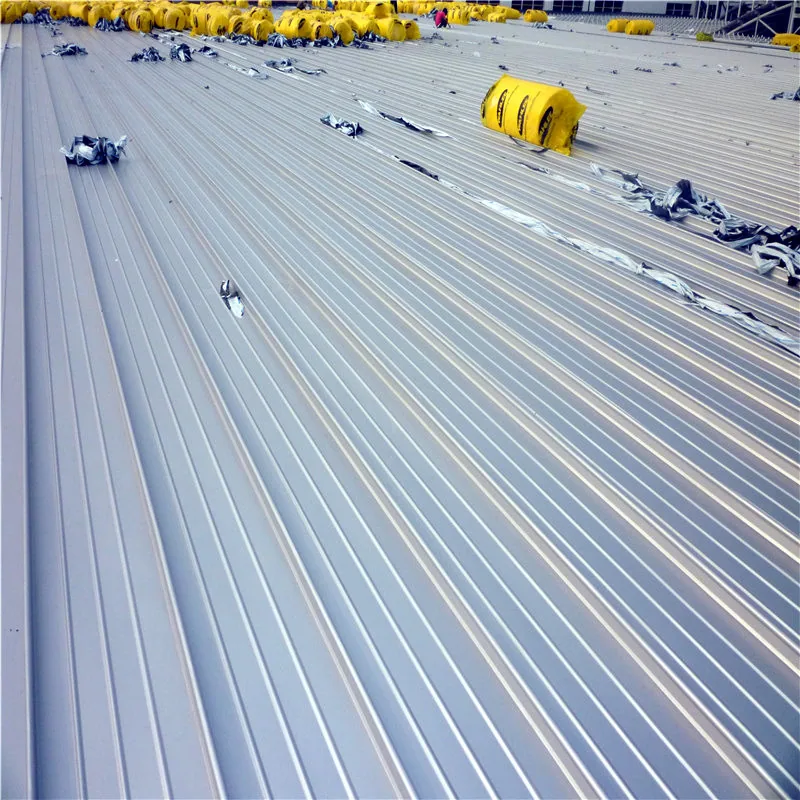
Inspect and install Pueblo standing seam roofs with attention to panel movement, clips, endlaps, penetrations, drainage, and attachment details.
A standing seam panel needs room to move as its temperature changes. If a clip is fixed incorrectly, a seam is damaged, or a penetration interrupts the panel, the roof can bind or admit water. We inspect the panel profile, seams, clips, fasteners, closures, and transitions before pricing a repair or replacement. In Pueblo, CO, hot summer exposure and regional severe wind and hail make the attachment and exposed details part of the review, along with the building's drainage and access needs.
Metal and heavy industrial uses are part of Pueblo's economy, and St. Charles Industrial Park is a rail-served employment area. Pueblo Memorial Airport's industrial area has sites near US 50 with taxiway access. These facts help frame delivery and staging, but they do not identify the roof type at a property. We verify the installed panel system, roof slope, substrate, and attachment records in the field before recommending a detail or replacement assembly.
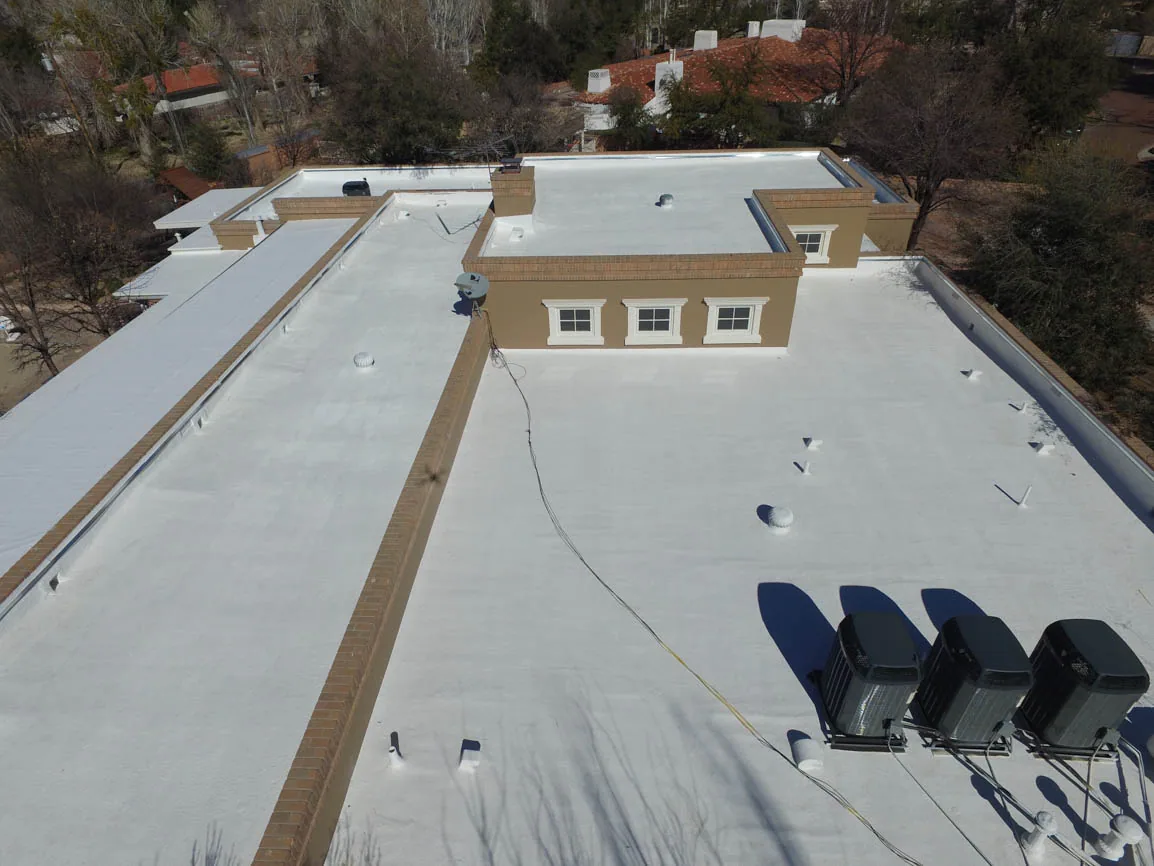
What should be checked along a standing seam panel?
We follow the seam length and inspect panel edges, clip locations where accessible, fasteners, endlaps, eaves, ridges, valleys, and wall transitions. Oil canning or surface waviness may be visible without indicating a leak, but a separated seam or damaged clip needs closer review. Rust at a cut edge, coating failure, loose fastener, or panel movement can point to a detail that should be corrected before water travels under the metal.
Existing drawings may not show a later panel replacement or repair. We compare visible profiles with available records and identify where access panels or approved openings would help confirm the substrate and attachment. Wind loads and panel spans depend on the building geometry and design documents. A roof inspection can map visible conditions; edge metal review can check how the panel terminates at parapets, eaves, and gutters. We separate cosmetic observations from defects that affect the water-shedding assembly.
How do movement and rooftop equipment interact?
Long metal panels expand and contract with temperature. Clips and seam details must accommodate that movement while holding the roof to its support structure. A rigid attachment, pinched panel, or poorly placed fastener can constrain the sheet and stress a seam. We inspect whether the panel can move as intended and whether the detail matches the manufacturer's system and project design. A repair should not lock a floating panel in place unless the design calls for that connection.
Pipes, conduits, curbs, and equipment supports interrupt the panel and need a flashed connection that respects both the roof profile and movement. A generic seal bead cannot replace a properly formed curb or compatible boot. If equipment is being added, curb and support coordination can define where the opening sits and how the metal ties in. For an exposed-fastener roof, metal retrofit work follows a different detail sequence than standing seam. Modified bitumen roofing also uses distinct lap details; identifying the installed system first prevents a repair from crossing between incompatible approaches.
Can a leak be fixed without replacing the metal roof?
A localized leak at a penetration, flashing, or isolated seam can sometimes be repaired when the surrounding panels and attachment remain sound. We trace the water path, inspect the metal and underlayment where accessible, and identify whether the problem is a fastener, closure, flashing, or panel. Surface sealant may hide the entry point without restoring the intended detail, so the work description should name the component that will be corrected.
Corrosion across multiple panels, failed coatings, repeated leaks, or damaged supports may justify a broader scope. We compare repair quantities with replacement limits and state what is concealed beneath the panels. A coating should be considered only if the substrate and system are compatible and the detail condition can be restored. A replacement project can coordinate panel, insulation, and perimeter details. If water entered the building during a storm, storm damage assessment can document affected areas before the permanent repair is selected.
How do wind, hail, and snow shape the inspection?
Pueblo’s regional weather includes severe wind, hail, and tornadoes; July’s normal high is 93.4°F and seasonal snowfall averages 28.3 inches. Those regional facts do not mean a particular building was struck, but they make edge attachment, panel condition, and drainage worth checking after observed exposure. We look for dents, loose trim, displaced closures, punctures, and water paths at valleys or roof-to-wall transitions.
Snow and freeze-thaw make gutters, valleys, and low points part of the seasonal walk. We check whether debris or ice has blocked an outlet and whether water can leave the roof without backing up beneath the panel edge. A drainage review can address the water route; the metal repair remains a separate detail unless the scopes are combined. Wind and temperature also affect safe access and panel handling. We confirm the forecast and lift plan before work and secure removed metal or loose materials before leaving the roof zone.
What belongs in a standing seam project record?
The project file should identify panel profile, gauge and coating where specified, clip and attachment detail, underlayment, substrate assumptions, transitions, and approved repair or replacement quantities. We photograph the seam, clip, penetration, and edge conditions before and after work. If a deck or support differs from the record, the project lead reviews the discovery before the crew crosses the authorized boundary. That preserves the connection between the design detail and the installed roof.
Before turnover, we inspect panel ends, closures, gutters, curb flashings, and access routes, then record any remaining condition for monitoring. A roof condition report can preserve baseline photographs; maintenance visits can check fasteners, seams, and drainage after other trades access the roof. For a Pueblo metal roof, bring panel drawings, leak history, equipment plans, and site access rules to a walk. We will map the panel movement and water path and identify which details need repair, replacement, or follow-up. Long panel delivery and hoisting need a route that protects finished edges and keeps active lanes clear.
Fastener and clip review should follow the panel layout rather than rely on a few visible points. We check representative eaves, ridges, penetrations, transitions, and areas exposed to movement, then identify where concealed attachment needs closer verification. This helps distinguish a local repair from a broader panel or substrate issue before the owner commits to coating or overlay work.
Commercial Roofing Questions
Are standing seam roof ripples a sign of failure?
Not by themselves. Panel waviness can be cosmetic, but we also check seams, clip movement, fasteners, and water entry. A binding panel or separated joint changes the assessment. The report should identify which observations are appearance-related and which affect attachment, drainage, or the roof's ability to shed water.
Can a fastener be added through a standing seam panel?
The fastening method must match the roof design. A new screw can restrict panel movement or create an opening if it is placed through a floating panel without an approved detail. We review the system, support location, and project documents before adding attachment. Equipment supports should use a designed connection rather than an improvised panel fastener.
How do you repair a leak at a metal roof penetration?
We identify the panel profile, penetration size, flashing condition, and movement at the surrounding seams. A compatible curb, boot, or formed detail may be needed, along with correction of any damaged panel or substrate. The repair plan names the component and tie-in rather than relying on a surface bead as the only water control.
Can standing seam panels be replaced one at a time?
Selective replacement is possible when the panel profile, length, attachment, and access allow a sound tie-in to adjoining sections. We review the seam lock and underlayment before deciding how far to remove. If multiple panels or support conditions are compromised, a larger replacement area may give the project a cleaner and inspectable boundary.

Inspect the panel movement before repairing the seam
Bring panel drawings, equipment plans, leak reports, and access limits to a roof walk. We will inspect the seam, clips, penetrations, and drainage and define a repair boundary tied to the installed metal system.
Call 555-555-5555 or email [email protected].