
Home / Commercial Roofing Services / Commercial Roof Repair
Commercial Roof Repair in Pueblo, CO
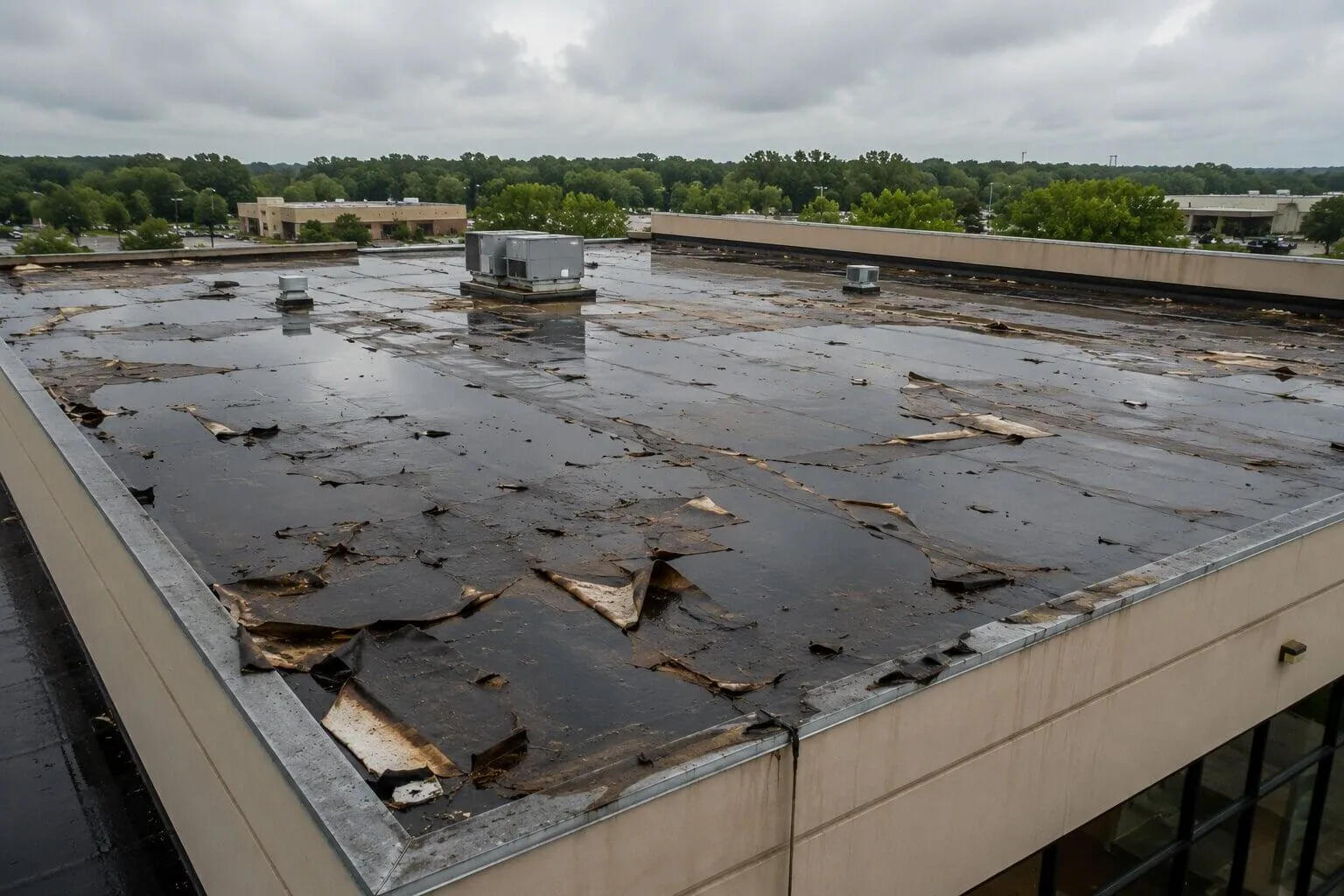
Get a repair scope for a Pueblo commercial roof with mapped defects, compatible materials, safe access, and a clear record of completed work.
A repair line on a roof plan is useful only if it reaches the failure. A split seam, loose flashing, puncture, or blocked drainage path can let water travel before it appears indoors. In Pueblo, CO, we inspect the membrane and the transitions around the reported area, then map the defect, the affected roof zone, and the repair boundary. That gives the project lead a specific work item instead of a patch placed only where a ceiling stain happens to show.
The material and method need to match the installed assembly. A repair compound that adheres to one membrane can fail on another, and a patch over contaminated or wet material may not hold. We identify the membrane, clean and prepare the surface, and use compatible flashing or membrane details. In Pueblo, summer heat and winter freeze-thaw periods can affect sealant handling and the time available for a reliable repair. Industrial operations in the St. Charles Industrial Park and airport development near US 50 also make access and staging part of the sequence. A roof inspection can define the surrounding conditions before work begins.
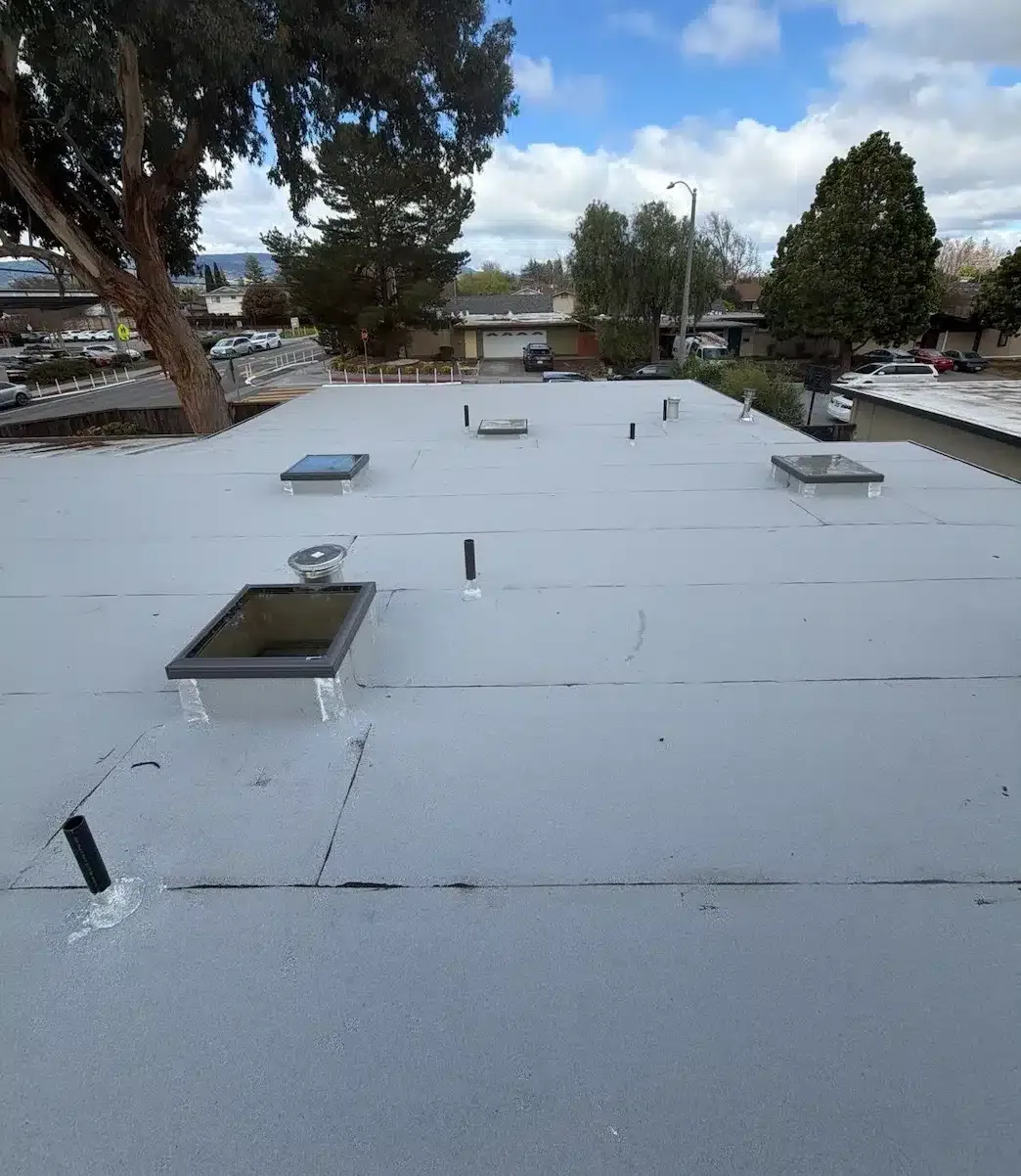
Which defect is letting water through?
At a seam, we check whether the membrane edges have separated, lost bond, or opened at a lap end. On a puncture, the repair depends on the size and shape of the damage, the membrane type, and whether the substrate below is sound. At a curb or wall, flashing can fail where movement or prior work broke the tie-in. We photograph nearby seams, equipment, and drainage to tie the repair to the entry point.
Water can move under a membrane or along insulation before it reaches the interior. The location of a ceiling mark is evidence, but it is not always the roof defect itself. We trace likely paths from the interior report back to seams, penetrations, edges, and low points, then test safely without opening more roof than necessary. For an active leak, our leak tracing and repair work can narrow the source. If the defect followed hail or severe wind, we can also document observed damage for a separate storm-related inspection, without treating regional weather as proof that the property was struck.
What belongs in the repair quantity?
A durable repair may include more than the visible split. The crew may need to remove wet or loose material, prepare the substrate, replace a small section of insulation, reinforce a seam, or rebuild the flashing at a penetration. The scope should distinguish that work from adjacent areas that remain serviceable. We set the boundary after checking the membrane condition and the edge of any moisture or deck issue, then show the owner what is included, what is excluded, and what would prompt a separate price.
System compatibility controls the repair detail. A thermoplastic membrane may call for a welded patch, while EPDM or modified bitumen requires different surface preparation and materials. We do not assume a coating or generic sealant can solve every roof defect. Where the original material is uncertain, a small investigation can confirm the assembly before products are selected. A modified bitumen repair has different lap and flashing details from a rubber membrane repair. If water is entering through a deteriorated roof drain or scupper, the scope should include the drainage connection instead of treating the membrane field as the only issue.
How will the repair fit around the building?
Repair work needs a safe access route, controlled work area, and a debris plan. At a distribution center, loading activity and truck movement can affect where a lift or ladder can be placed. At a medical or office property, the team may need to keep entrances, pedestrian paths, and rooftop equipment serviceable. We confirm those conditions with the project lead before setting the access window. At Pueblo Memorial Airport, we confirm the property’s access and security procedures with the project lead before scheduling the crew.
A small repair can often be isolated from other roof zones, but the tie-in still has to remain watertight during the shift. We stage compatible materials, protect the opening if conditions change, and confirm that drains are clear before leaving. If the repair exposes a larger area of wet insulation or damaged deck, we pause, photograph the condition, and agree on the next boundary. For a roof with repeated service calls, a maintenance visit can help identify small defects before they spread. That work record can also show where repair history clusters and where a broader replacement evaluation would be appropriate.
What conditions must hold for a sound repair?
Surface temperature, moisture, wind, and precipitation affect preparation and installation. Pueblo’s heat and snowfall affect repair timing. We compare roof-surface temperature and moisture with the product limits before applying a patch. A hot membrane can change how a patch bonds or how a sealant behaves; a cold or damp surface can prevent the material from adhering as specified. We check roof conditions and product instructions before starting. If the substrate is not ready, moving the repair to a better window protects the work more than forcing the planned time.
Once the repair is installed, we check the full perimeter, seam contact, termination, and nearby drainage path. A ponding area can place water against a patch longer than intended, so a repair scope may need to include slope or drainage correction. Snowmelt and freeze-thaw action can reveal a weak transition at a curb or parapet, which is why photographs and a follow-up note should identify the exact zone. If standing water is part of the condition, we review a ponding-water assessment along with the immediate patch. The handoff should say what was repaired and what still warrants observation.
How should repair work be documented?
We close the repair with a record tied to the roof plan or a marked photograph. It identifies the original finding, preparation performed, material installed, and final tie-in. If the crew replaced insulation or repaired deck, that work is listed separately from the membrane detail. The owner can use the record for maintenance planning and compare the repair with later observations without relying on a vague note such as “patched roof.”
When several defects appear close together, we mark each one and describe whether it is part of the same failure or a separate item. A repair estimate should identify quantities, access assumptions, disposal, and any roof zones that were not opened. That protects the sequence if hidden conditions change the work. For more extensive deterioration, we can compare repair with replacement after reviewing the assembly, moisture, and expected service plan. To schedule a repair, arrange access with the project lead and share leak locations, roof records, and operating constraints. We will walk the affected zones, agree on the work boundary, and confirm the closeout needed for the building file.
Commercial Roofing Questions
Why does a roof leak return after a patch?
A recurring leak can mean the entry point was not fully traced, the repair material did not match the membrane, or water is reaching the same interior area by a different path. We inspect the patch perimeter and surrounding seams, penetrations, and drainage features before choosing another repair. The next work item should identify the defect and the boundary being corrected.
Can one repair visit address several roof defects?
Several items can be handled in one visit when the access, materials, and work conditions fit. We list each location, separate independent defects, and sequence them so preparation at one detail does not contaminate another. If opening one area reveals wet insulation or a different assembly, that finding is reviewed before expanding the work quantity.
Will a sealant repair work on any commercial roof?
No. Membrane type, surface condition, and the location of the failure determine the compatible detail. Some seams need welding or a membrane patch, while metal transitions, modified bitumen, and EPDM require their own preparation and materials. We identify the installed assembly before specifying the repair product.
What if the crew finds damaged insulation below the membrane?
We stop at that boundary, photograph the opening, and check how far the affected material extends. The project lead receives the observed condition and a separate quantity before the concealed work continues. The roof is protected while the owner approves whether to replace the localized insulation or adjust the broader scope.

Map the defect before patching
Arrange roof access with the project lead and share the leak location, recent repair notes, and operating windows. We will inspect the assembly, define the repair boundary, and leave a clear closeout record.
Call 555-555-5555 or email [email protected].