
Home / Property Types We Roof / Cold Storage and Freezer Roofing
Cold Storage and Freezer Roofing in Pueblo, CO
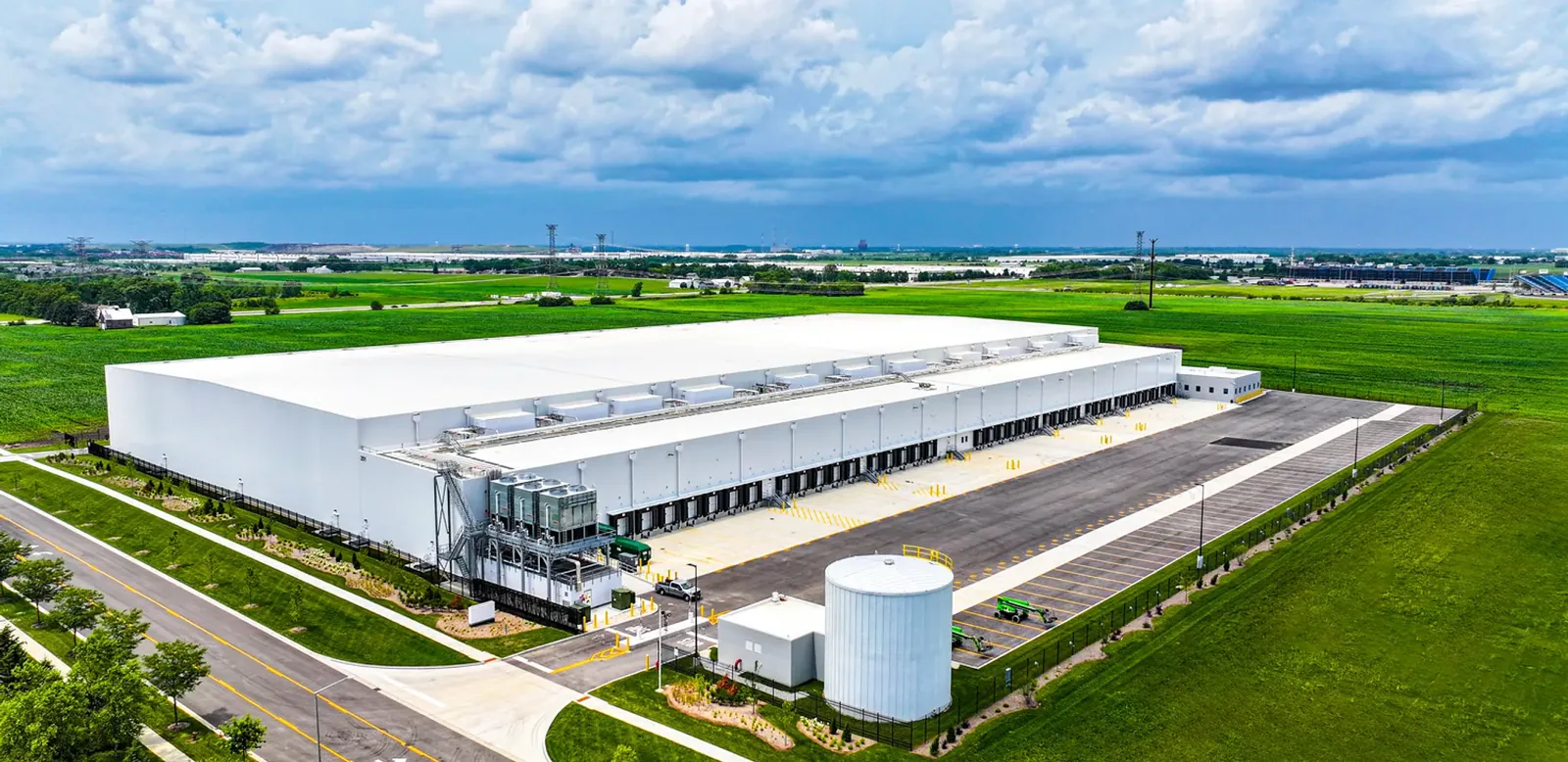
Protect Pueblo cold storage buildings by reviewing roof insulation, vapor control, penetrations, condensation risk, drainage, and operating windows.
A roof leak over a freezer can create more than a wet ceiling. Moisture can affect stored product, temperature control, insulation, and the facility's ability to maintain a stable environment. We inspect the roof assembly and trace water entry alongside the building's temperature zones and operating requirements. In Pueblo, CO, cold mornings, summer heat, and seasonal snowfall put the roof through different conditions across the year. The scope needs to protect the interior while maintaining vapor control and drainage at every tie-in.
Pueblo has food and beverage production among its regional industry clusters, and local distribution uses connect to highway and rail corridors. St. Charles Industrial Park is rail-served and positioned along I-25; airport industrial sites are near US 50. These facts help frame delivery access, not a particular building's storage conditions. We confirm cooler and freezer areas, operating temperatures, roof penetrations, refrigeration equipment, and shutdown constraints with the facility team before opening a roof zone.
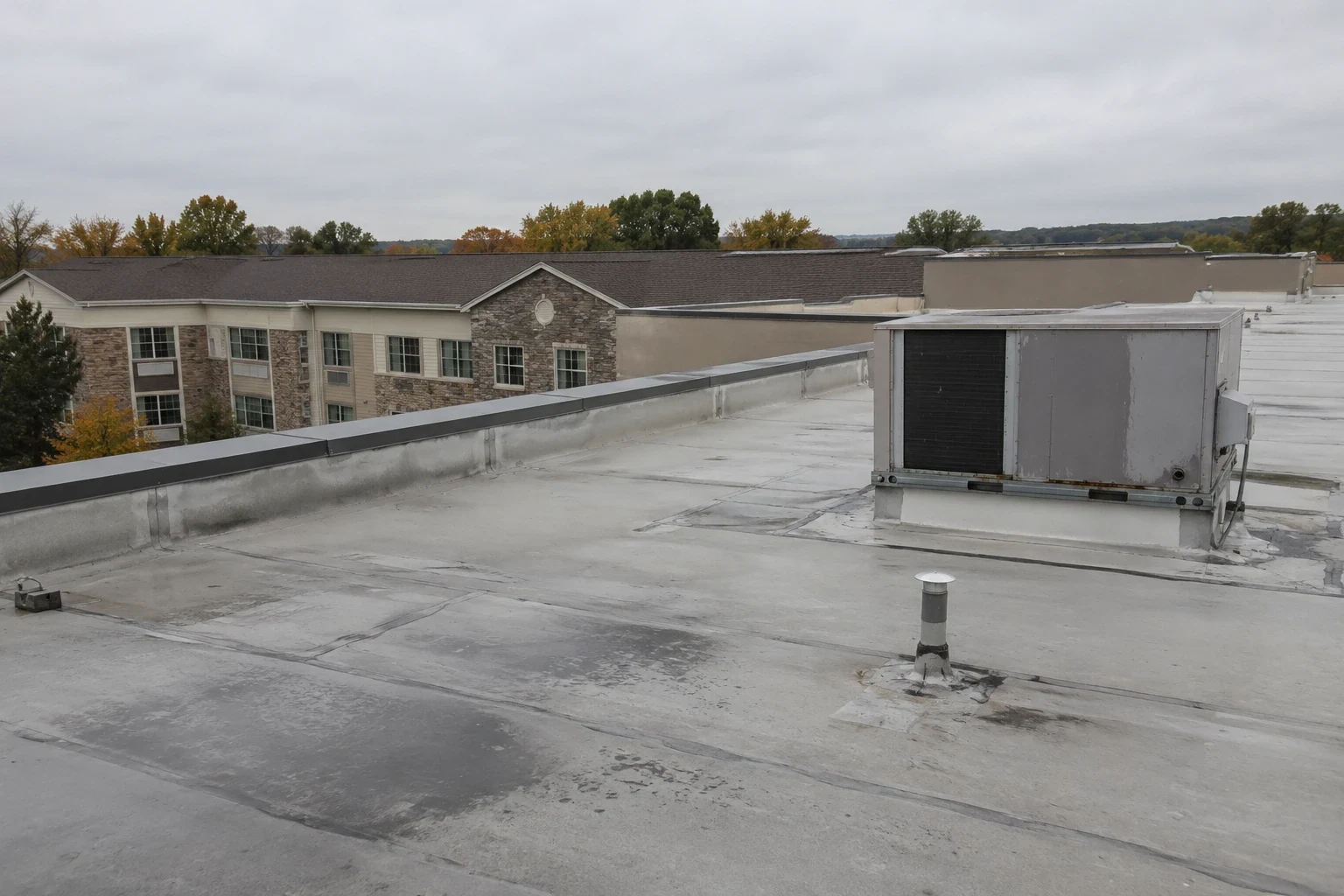
Where can roof moisture affect cold storage?
We inspect seams, insulation, vapor-control layers where accessible, roof penetrations, curbs, drains, and areas where warm interior air can reach a cold assembly. Condensation may form within layers when the roof design or air barrier is interrupted. A surface stain does not show the full path, so we compare roof observations with interior conditions and available construction details. The facility lead can identify rooms that must remain at temperature and equipment that cannot be interrupted.
We map the reported leak, inspect the assembly around it, and note whether insulation is wet or compressed. If the layers cannot be confirmed visually, the project can include test openings with owner approval and a method for restoring the vapor and roof layers. A roof condition inspection records what is visible; an infrared survey may help locate areas for verification when environmental and roof conditions are appropriate. The report separates confirmed moisture from potential condensation concerns that require design review.
How should refrigeration lines and curbs be flashed?
Refrigeration piping, electrical conduit, exhaust, and rooftop units create multiple roof openings. We inspect the flashing around each penetration, verify that curbs remain stable, and identify which units need service access while roofing proceeds. Movement from piping or equipment can stress a membrane detail, and condensate or defrost water can add moisture near the roof surface. The project team identifies operating and service windows before a curb or line is disturbed. The roof and wall transition should be reviewed together. Continuous air and vapor-control details at the roof perimeter and penetrations also need review, since small gaps can allow warm interior air to reach colder layers.
A curb that is too low for the finished roof height can leave a vulnerable flashing transition. We coordinate new insulation and cover board thickness with equipment elevations, piping clearances, and drain locations. Curb and support work can define that interface. If the facility also has general warehouse zones, warehouse roof planning may help compare dock and inventory coordination, while distribution center roofing addresses shipping sequence. We still map cooler and freezer conditions separately because temperature and vapor-control demands vary by room.
What does winter water movement require?
Snow, meltwater, and ice can expose a weak drain, scupper, or curb flashing. We check low points, overflow routes, strainers, and roof transitions, then record where water remains after the outlet clears. Pueblo averages 28.3 inches of seasonal snowfall, and winter temperature changes can affect sealants and exposed edges. The local normal is context; the roof slope, outlet design, current condition, and forecast set the repair and maintenance requirements.
Drain work on a cold storage facility must preserve interior operations while the roof opening is protected. We schedule a zone that can be closed and keep alternate outlets available where the system allows. A drainage review can isolate a blocked bowl or scupper from a larger membrane renewal. Where wind or hail damage is visible, a weather-damage inspection documents the roof condition before repair. We do not remove more insulation than can be safely replaced or temporarily protected before the crew's access window ends.
Which roof layers matter in a freezer building?
Roof assembly review includes deck, air and vapor control, insulation, cover board, membrane, attachment, and penetrations. A leak repair may restore the surface but leave a thermal bridge or discontinuity elsewhere. We check available specifications against field observations and identify where design review is needed for condensation control or thermal performance. The proposed system has to connect to wall assemblies and equipment curbs without creating an unsealed gap.
If insulation is wet or the roof layers are incompatible, a recover may not be appropriate. A recover assessment checks moisture, attachment, deck condition, and height at curbs and drains. For full renewal, replacement planning can establish tear-off boundaries and temporary temperature protection. A phased work plan coordinates roof openings with freezer operations, deliveries, and interior controls. The written scope distinguishes roofing work from refrigeration or building-envelope changes assigned to other trades.
How can the facility maintain a stable roof record?
Closeout should map completed zones, insulation and membrane repairs, penetration details, drain work, and any condition requiring monitoring. Photographs show the opening before and after restoration, with product information and approved changes retained in the facility file. We review the roof access route and make clear which areas must remain available to refrigeration service staff. The building operator should know how to report new moisture or temperature concerns without waiting for routine service.
A maintenance schedule can check flashing, drains, seams, and rooftop equipment transitions between larger projects. A condition report can preserve roof findings alongside the facility's operating records. The plan should also note areas that were not opened or tested, so future work does not treat them as confirmed dry. Bring roof plans, temperature-zone information, refrigeration service routes, and leak history to a Pueblo walk. We will coordinate the inspection around active storage, identify the roof boundary, and show how each opening will be protected and closed.
Commercial Roofing Questions
Can a roof be replaced without shutting down a freezer?
Phased work may be possible if the roof zone, interior protection, temperature control, access, and weather window can be coordinated. We map the area above each operating space and discuss shutdown limits with the facility lead before removal. Some locations may need a temporary enclosure or a separate work period to protect product and equipment.
How do you distinguish a roof leak from condensation?
We compare the timing and location of interior moisture with roof seams, penetrations, insulation, and vapor-control details. Temperature and humidity records can help the design team assess condensation. Test openings may be needed to verify the layers. The report describes observed water entry and flags design questions separately rather than assuming one cause from a ceiling stain.
Should refrigeration lines be moved before reroofing?
The facility's refrigeration contractor and project team coordinate whether lines can stay in place, need temporary support, or must be relocated. Roofing details require access to flash each opening and maintain service clearance. We identify the required work boundary and timing before the roofing crew starts around active equipment.
What happens when insulation is wet below the membrane?
We record the confirmed extent, identify the affected assembly, and protect the opening while the owner reviews the added scope. Wet material typically needs removal and replacement, with vapor and roof layers restored to the specified detail. The project lead approves the added quantity and schedule before work continues beyond the base boundary.
Protect the temperature zones during roof work
Share roof drawings, refrigeration routes, storage temperatures, leak history, and shutdown limits. We will map the roof zones and coordinate a protected repair or replacement sequence with the facility lead.
Call 555-555-5555 or email [email protected].