
Home / Roof Systems / Commercial Spray Foam Roofing
Commercial Spray Foam Roofing in Pueblo, CO
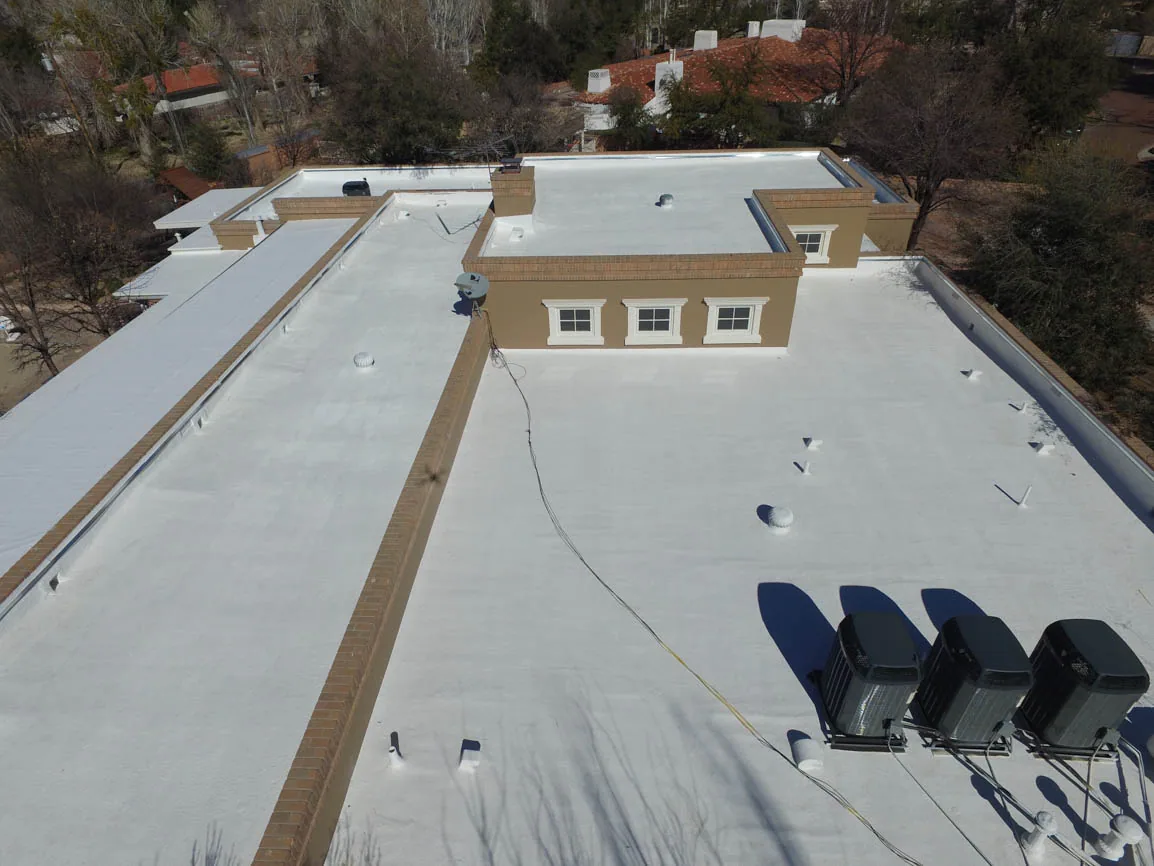
Inspect and restore Pueblo spray foam roofs by checking foam adhesion, thickness, drainage, protective coating, penetrations, and exposed damage.
A worn coating can expose spray polyurethane foam to moisture and sunlight, while a small puncture may reach deeper than the mark suggests. We inspect the protective surface, foam condition, drainage, and roof details before recommending a repair or restoration. SPF roofing uses sprayed foam to form a continuous layer, with a protective coating over it; the actual assembly and coating type need to be confirmed in the field. In Pueblo, CO, hot summers and winter snow make surface protection and drainage part of the roof review.
Industrial districts and campus properties across Pueblo can require different access and service plans. St. Charles Industrial Park is rail-served, and PuebloPlex includes extensive existing buildings. Those places do not establish which roof system is installed at any one facility. We identify the foam and coating layers, inspect seams and penetrations, and trace the route to drains and edges. The scope follows measured areas of wear, exposed foam, ponding, and prior repairs rather than assuming the entire roof needs a new coating.
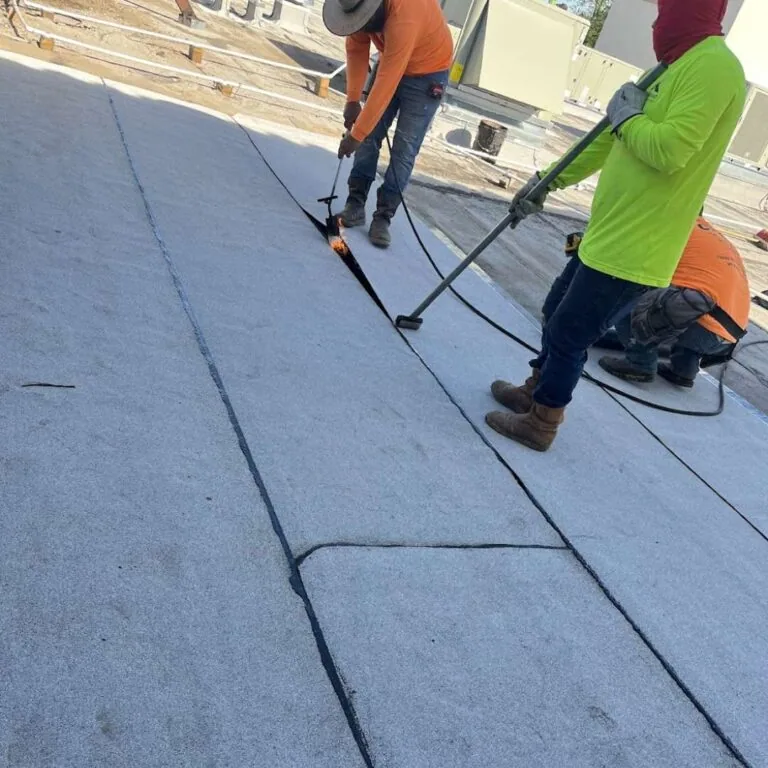
Where has the foam lost its protective layer?
We inspect for thin or worn coating, cracks, blisters, exposed foam, open seams, punctures, and areas where prior patches have separated. A coating protects the foam from weather and ultraviolet exposure, so a break needs a timely assessment. We measure the affected zone and check whether the foam beneath remains firm and dry. If the substrate is crushed, wet, or loose, a surface recoat alone may not restore the assembly.
Foot traffic around rooftop units, ladders, drains, and service routes can wear the coating sooner than surrounding areas. We note where protection is missing and whether the route can be changed or covered with a compatible walkway detail. A roof inspection can record surface condition and repair limits. If moisture may have entered the foam, targeted testing can confirm the extent before the proposal sets a coating quantity. The report should distinguish visible wear from suspected conditions that have not been opened or tested.
How is damaged SPF foam prepared for repair?
Damaged foam must be removed or prepared to a sound edge before a new layer is applied. We cut back loose or deteriorated material, keep the repair boundary dry, and restore the foam profile so water can move toward the drain. The replacement foam and coating follow the specified system, with lift thickness, cure time, surface preparation, and recoat window taken from product requirements. A patch that leaves a low pocket can hold water against the repaired area.
At a pipe, curb, or equipment support, the foam profile and flashing detail need to meet without leaving a gap or ridge that directs runoff under the coating. We inspect the transition and identify whether the base flashing or substrate also needs work. For equipment changes, curb coordination can address penetration height and access. At roof drains, drainage work may need a separate detail to preserve flow while the foam and coating are restored. The estimate lists surface preparation and detail quantities separately from broad field coating.
When is recoating suitable for an SPF roof?
A new protective coat may fit when the foam remains sound, dry, and securely bonded, and the surface can accept the specified product after preparation. Multiple exposed or damaged areas, wet foam, failed adhesion, or recurring leaks can require foam repair or removal before coating. We map the roof and test suspect zones as authorized, then identify which work restores the substrate and which renews the protective layer.
The coating has to match the existing system and expected exposure. Silicone and acrylic products have different properties and application limits, so the product data and slope conditions matter. We compare silicone coating with acrylic coating only after checking drainage, adhesion, and existing layers. A restoration scope can define cleaning, repairs, primer, coating thickness, and reinforcement details. If the foam or deck is not serviceable, a replacement plan can compare full removal with the proposed restoration boundary.
What conditions are needed for foam and coating work?
Pueblo's July normal average high is 93.4 degrees, and the mean January low is 15.4 degrees. These climate values frame the seasonal range, while the product's temperature, humidity, surface-moisture, and cure requirements govern application. Hot surfaces can shorten working time; cold or damp conditions can interfere with adhesion or curing. The crew checks the roof and forecast before starting a coating pass and stops when the system cannot be applied and protected as specified.
Wind, overspray control, access around HVAC equipment, and protection of cars or adjacent operations also belong in the plan. We coordinate the staging area and cover sensitive equipment and openings as required. At an active industrial property, rail or highway connections do not establish the exact material route, so the facility contact confirms the approved entrance and laydown area. Each day's boundary should leave repaired foam and coating in a condition that can withstand the forecast before the next shift. If weather interrupts the sequence, the project lead reviews the temporary protection and restart point.
What should be documented after SPF restoration?
Closeout should map repaired foam, coating coverage, reinforced seams, penetrations, drains, and any excluded area. Photographs show the surface before preparation and after the finish coat, while product and application records identify the materials used. If moisture testing or a test opening was completed, the result should remain tied to its roof location. The facility team should also know what areas need additional attention at the next service visit. Any later penetration or attachment should receive a compatible flashing repair before equipment service is finished.
Routine checks can find new punctures, coating erosion, loose flashing, or debris that holds water. A maintenance visit can trace those conditions and keep the roof clear. If an owner is tracking multiple roofs, a condition report can preserve the application baseline and remaining repairs. Bring roof plans, leak history, product labels, and access restrictions to a Pueblo inspection. We will identify the SPF layers, test suspect areas when authorized, and define whether repair, recoat, or replacement belongs in the scope.
Commercial Roofing Questions
Can exposed spray foam be recoated without removing it?
A recoat may work if the foam is dry, sound, and bonded, and if the selected coating can adhere after the required preparation. We inspect the exposed area, check nearby coating edges, and test when the system requires it. Soft or wet foam needs repair before the protective layer is restored.
How do you repair a puncture in an SPF roof?
We remove damaged foam to a sound boundary, rebuild the surface profile, and restore the protective coating with compatible materials. The repair also checks whether water reached the insulation or deck below. A puncture beside a curb or drain may need flashing or drainage work in addition to the foam repair.
Does a new coating stop ponding on a foam roof?
Coating protects the surface but does not correct a low area by itself. We map where water remains, check drains and slope, and determine whether foam shaping or drainage changes are needed. The coating system's suitability also depends on the amount of standing water the product permits.
How long must SPF coating stay dry after application?
The product's cure time and weather requirements control when rain or snow can contact the new surface. We plan the work window from those instructions and current conditions, then protect the area if the forecast changes. The closeout record identifies the application date and any area requiring a follow-up check.

Check the foam beneath the worn coating
Share the roof plan, coating history, leak reports, and access rules. We will inspect the foam, coating, drainage, and transitions and measure the repair or restoration area.
Call 555-555-5555 or email [email protected].