
Home / Roof Systems / Commercial Silicone Roof Coatings
Commercial Silicone Roof Coatings in Pueblo, CO
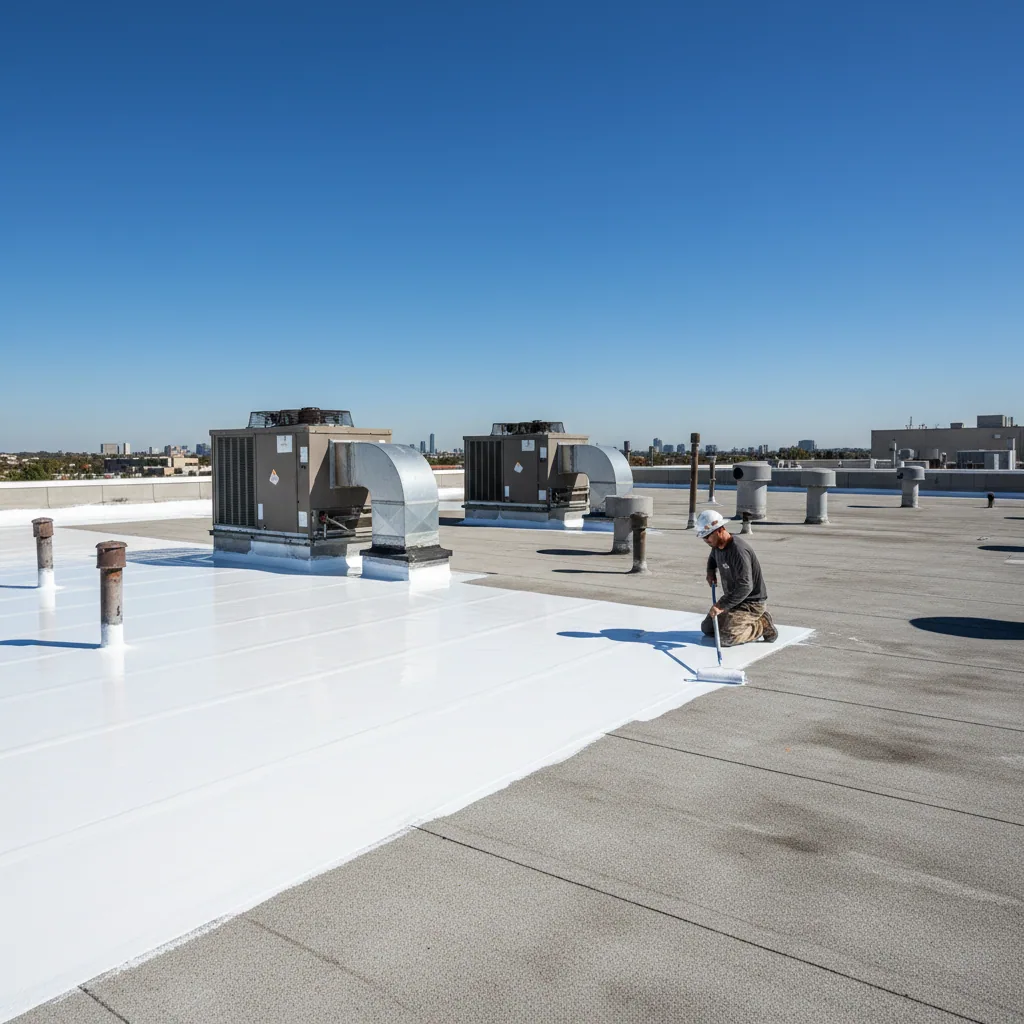
Evaluate Pueblo silicone roof coatings by checking substrate, adhesion, ponding, repairs, flashing, coating thickness, and application conditions.
A silicone coating can cover a broad roof area, but its serviceability begins with the surface beneath it. Loose membrane, wet insulation, failed flashing, or an uncorrected low point can remain a problem under a new top layer. We inspect the existing assembly, repairs, drainage, and adhesion before proposing restoration. In Pueblo, CO, hot summer exposure and regional hail and wind conditions make surface preparation and edge details important parts of the scope, not finishing steps after a coating is selected.
Industrial properties near St. Charles Industrial Park and EVRAZ Industrial District may have different access, equipment, and process demands. Those area facts do not identify the roof layers or exposure at a particular facility. We confirm whether the existing roof is metal, membrane, foam, or another assembly, then check the proposed silicone system's compatibility and the building's drainage path. The recommendation should state which repairs happen first and how much of the roof can accept coating after preparation.
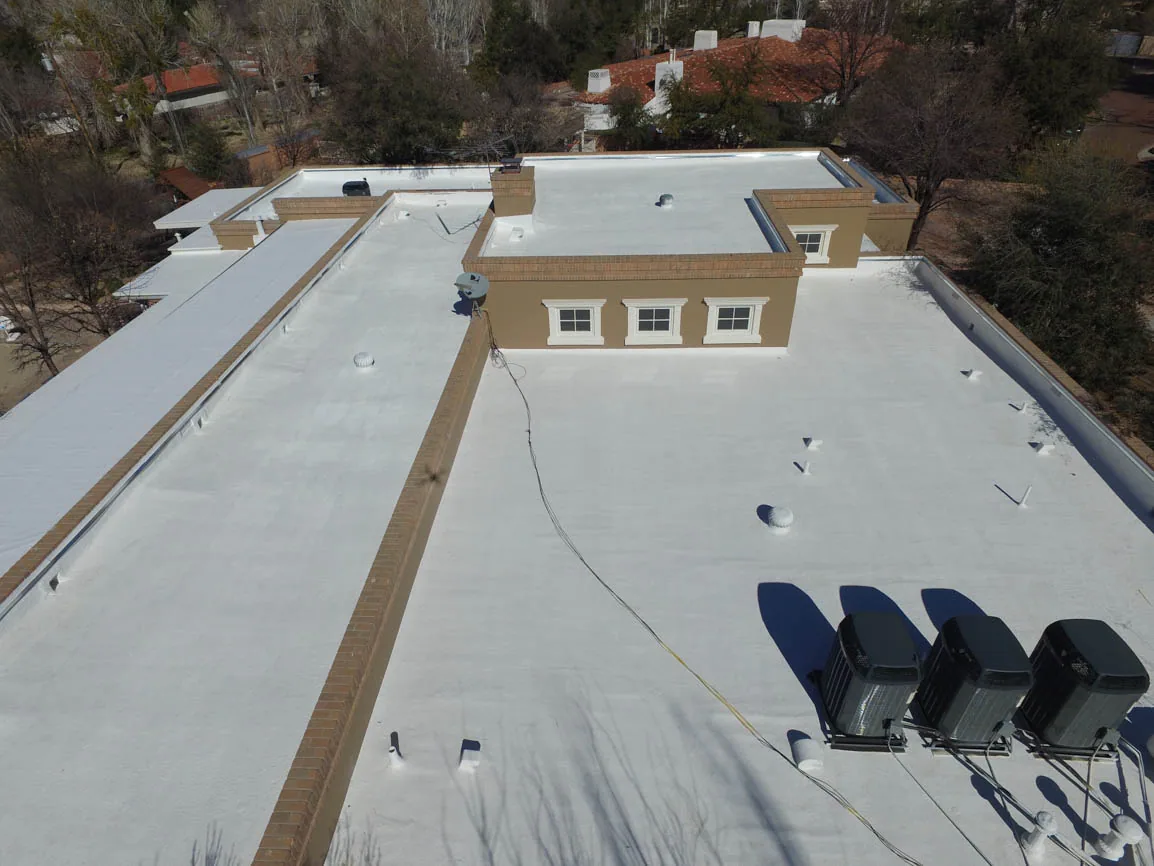
What condition must the roof be in before coating?
We check for blisters, open seams, loose surfacing, corrosion, wet insulation, exposed foam, failed patches, and weak flashing. The coating manufacturer specifies approved substrates and preparation, so an existing surface cannot be assumed compatible from appearance alone. We identify areas that need cleaning, priming, reinforcement, or removal. If adhesion is uncertain, the project can include a field test under the product requirements before full application.
Moisture needs particular attention. A coating may bridge a small surface texture, but it cannot dry saturated insulation sealed below it. We map suspect areas and discuss test openings or other verification with the owner. A roof condition inspection can record the visible assembly, and infrared testing may help direct further checks when conditions allow. The final scope separates confirmed repair areas from suspected conditions and lists how an unexpected wet zone will be authorized and closed.
How does standing water affect a silicone system?
Silicone products may be selected for roofs with ponding conditions when the specific product permits that exposure, but the roof still needs a functioning drainage design. We inspect drains, scuppers, low areas, crickets, and edges to see whether water has a clear route off the building. The proposal names any drain cleaning, slope work, or flashing correction separately from coating so a surface restoration does not imply that drainage has been redesigned.
In Pueblo, seasonal snowfall averages 28.3 inches and freeze-thaw conditions can affect a standing-water area and its surrounding details. That climate record is context, while the observed roof slope, outlet capacity, and water depth control the field decision. A drainage repair can address a blocked outlet or detail separately. We mark where ponding was visible, check coating thickness requirements at low points, and confirm that the cured system will not obstruct the drain bowl or scupper opening.
When should silicone be compared with another system?
Silicone is one restoration option, not a default for every roof. The existing material, surface contamination, required adhesion, water exposure, access, and future maintenance all affect system fit. We review the product data for the proposed coating and compare it with acrylic coating or a foam roofing restoration when those assemblies match the project. If the membrane or metal is failing broadly, a coating can leave unresolved movement or attachment problems beneath the finish.
Before application, we repair open seams, penetrations, metal edges, and unstable substrate. The reinforcement fabric, primer, and coating thickness follow the approved system and substrate. We detail corners and seams before coating the field, then verify the finish at drains, curbs, and metal terminations before the next roof zone opens. For a roof with recurring damage, restoration work should show the preparation, detail repairs, test areas, and finish coverage in the written scope. If removal is needed, replacement planning can compare full renewal with the areas that a restoration would retain. We record the limits of each option so the owner can review remaining risk and future access needs.
Which conditions control coating day?
Surface moisture, substrate temperature, air temperature, humidity, wind, and the rain forecast affect whether coating can be applied and cured. Pueblo's normal July average high is 93.4 degrees, but the roof may be hotter in direct sun. The crew checks actual conditions against the product instructions and avoids starting a zone that cannot be completed within its application and cure window. The plan identifies how edges, drains, and penetrations stay protected if the shift changes.
Overspray control and access are also project requirements. We identify nearby equipment, intakes, vehicles, and pedestrian areas that need protection before spraying begins. At industrial sites with active loading or rail activity, the delivery and staging route must be confirmed with the facility contact. Each day's work area is sized to allow surface preparation, detail reinforcement, coating application, and inspection before the crew closes the roof. If weather prevents that sequence, the project lead approves the revised boundary before another section is opened.
What should the owner receive after coating?
Closeout should record substrate repairs, primer and coating products, application areas, inspection results, and any locations excluded from the work. Photographs show drains, penetrations, edges, and representative field areas before and after restoration. The project file should include the required coverage or thickness information and identify the method used to check it. If the crew found wet insulation or unstable material, the report notes the approved correction rather than covering the issue with the coating.
Future service needs clear routes and compatible repair materials. The owner should know how to address a new puncture and what cleaning or inspection method the product requires. A maintenance visit can record ponding, drain debris, and coating wear. For portfolio review, a roof condition report can preserve the coated roof's baseline and remaining repairs. Arrange access with roof plans, leak history, previous coating details, and staging restrictions available. We will verify the substrate, define repairs, and document the application areas the project lead can inspect at turnover.
Commercial Roofing Questions
Can silicone be applied over any existing roof coating?
The substrate must be identified and accepted by the specified coating system. We review the existing coating, adhesion, contamination, moisture, and repair history, then perform a field test when required. An incompatible layer or unstable surface needs correction before another coating is applied. The scope should name the preparation and primer, not simply state that the roof will be recoated.
Does silicone eliminate ponding water on a roof?
No. The coating forms a surface layer but does not change roof slope or move an outlet. We inspect the low area, drain, and surrounding details, then identify whether cleaning, a drain correction, or taper work belongs in the project. Product suitability for ponding must also be confirmed from the specified system data.
How can the crew confirm coating thickness?
The project documents specify the required application and verification method. We record the coating areas and perform the checks required by the system, including wet-film measurements where applicable. Closeout should identify any area that did not meet the specified thickness and show the correction before acceptance.
What happens if the surface is wet on the scheduled day?
The crew delays application until the substrate and forecast meet the product requirements. Applying over moisture can affect adhesion or trap water, and a coating that cannot cure before weather arrives may need protection. We adjust the zone and communicate a restart window rather than covering a surface that is not ready.

Confirm the substrate before selecting silicone coating
Share roof plans, existing coating information, leak history, and access rules. We will inspect the surface, verify the drainage path, and outline preparation, repair, and application zones.
Call 555-555-5555 or email [email protected].