Home / Roofing Capabilities / Commercial Roof Condition Reports
Commercial Roof Condition Reports in Pueblo, CO
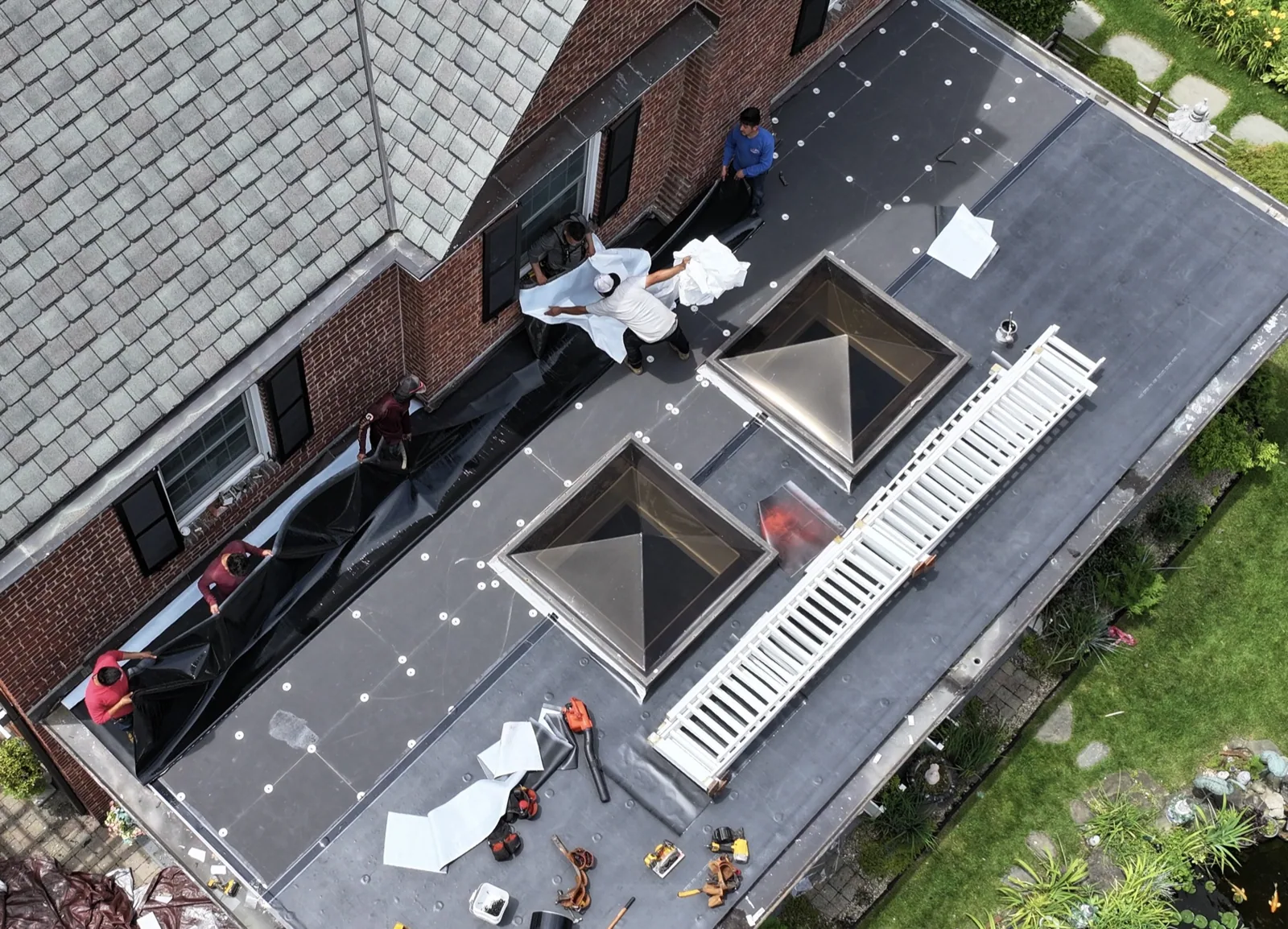
Get a commercial roof condition report in Pueblo, CO with zone-labeled photos, observed findings, repair limits, and clearly stated unknowns.
A condition report should let a facility lead locate the finding and decide what to do next. We map the roof by zone, photograph the assembly and transitions, describe visible conditions, and identify any area not safely inspected. Recommendations remain tied to evidence: repair what is open, test what is concealed, and monitor what has no confirmed failure. The report distinguishes an observation from an assumption so a later bid can follow the same facts.
The Pueblo Armory has three mapped roof areas with drains, parapets, HVAC equipment, and penetrations. Those separate details benefit from zone labels in a condition report. At an industrial property in the EVRAZ district, equipment and operating access create different field questions. In each case, the report starts with the roof actually inspected.
What should a roof condition report include?
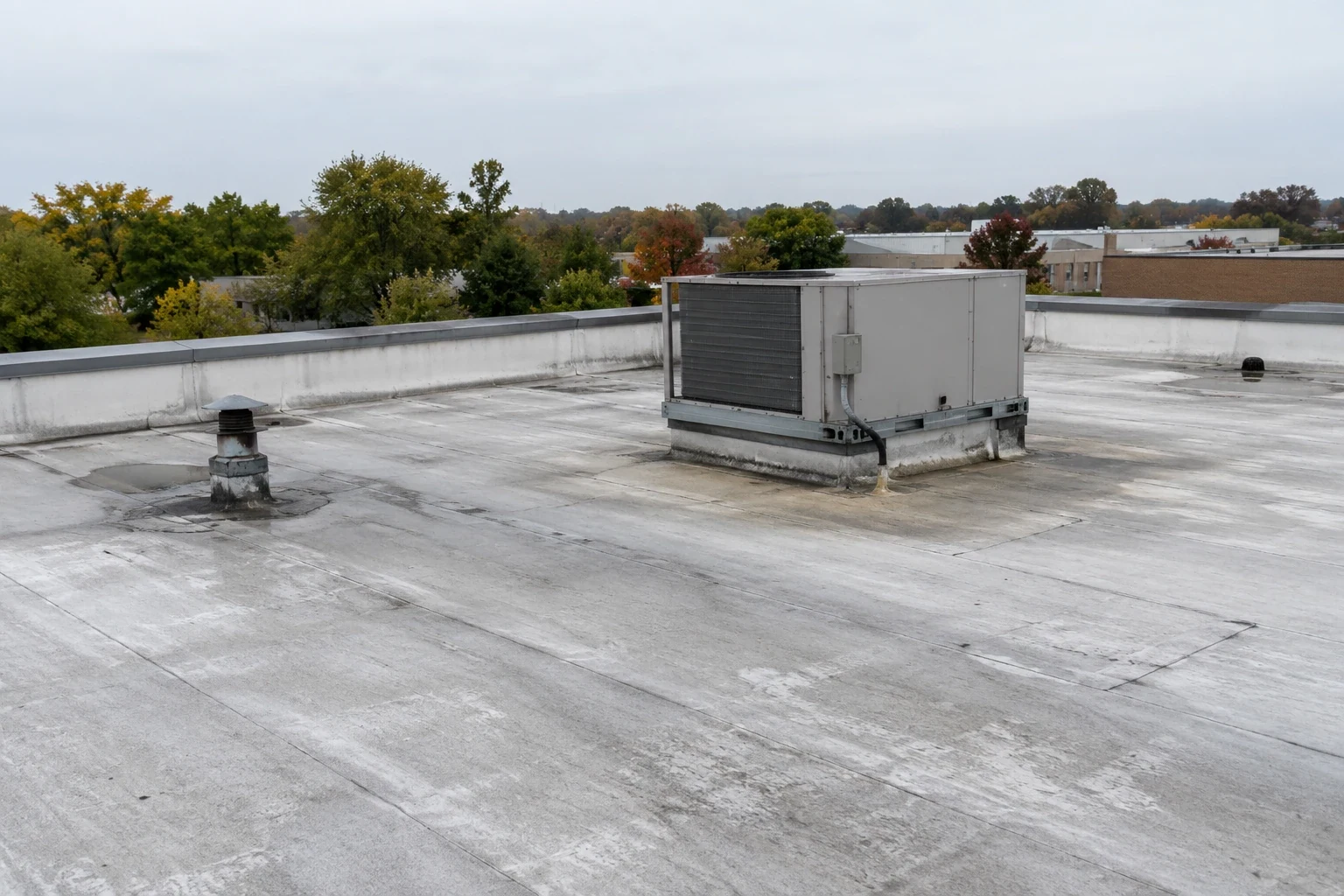
Include inspection date, weather and access conditions, known roof system, roof-zone sketch, visible defects, active water observations, prior patches, drains, penetrations, and recommended next steps. Photos need a location reference and a caption that says what the image shows. Note whether a view is close, general, or limited by equipment or safety. If the membrane type or deck is unknown, state that plainly and identify how it can be confirmed.
A hands-on inspection can establish visible condition and measured repair areas. If moisture beneath the membrane is suspected, thermal screening may help direct follow-up when roof construction and weather support the method. A photo can document a stain or roof detail, but the inspection must connect that evidence to a confirmed water-entry point. Where a test opening is needed, identify its location and whether the owner approved it before describing hidden materials.
Record positive findings too: an inspected drain that was clear, a seam that remained attached, or an area that was not accessed. A report is more useful when it distinguishes those conditions from blank space. Use consistent names for each roof zone and carry them through photos, recommendations, and work orders. That gives the maintenance lead a way to compare later observations without relying on a vague note such as “north side.”
How are findings connected to a repair decision?
Each recommendation should state the condition, location, urgency, and evidence needed to proceed. An active opening may require temporary protection. A cracked sealant bead might warrant further inspection if the surrounding flashing remains unclear. Saturated insulation or a displaced deck is a different repair decision from a surface defect. We identify the scope boundary and list what the inspection could not determine instead of letting one finding imply work across the entire roof.
A localized repair proposal can address confirmed damage. If water is reported indoors, leak investigation can connect the interior location with roof observations. Repeated defects may support a replacement comparison, but only after the system and affected areas are reviewed. For an open lap, a seam repair inspection can measure the tie-in and note adjacent conditions.
Separate urgent action, recommended testing, and monitoring in the report. Assign an owner decision where one is needed, such as opening the assembly or coordinating shutdown access. For a repair, note if the recommendation assumes dry substrate or uninterrupted access. If the field condition changes after demolition begins, the work order should preserve the original finding and show the approved scope change.
Which Pueblo details belong in the report?
Pueblo’s average January low is 15.4°F and average April low is 35.3°F. Temperature and melt conditions affect access and substrate readiness, so date each inspection and record the roof conditions observed on that visit. The report can explain how heat or freeze-thaw exposure affects a detail while avoiding the claim that weather caused a specific failure. If a storm is involved, record the owner’s reported date and describe visible evidence without overstating attribution.
The Pueblo Armory’s three mapped roof areas include drains, parapets, and equipment, details that benefit from consistent field labels. PuebloPlex is a redevelopment campus with more than five million square feet of existing buildings and storage structures, showing the range of facilities in the area without identifying a single system. A PuebloPlex-area roof survey still needs each building’s actual plan and access controls. Use a building-specific roof map to identify the assembly, observed layers, and any areas that still need direct inspection.
For permit planning, identify the parcel’s reviewing authority and applicable code editions before finalizing the roof scope. Note the permit authority only when it is relevant to a proposed scope and confirm the parcel before the project proceeds. Code notes in a condition report should not replace a design review or a current permit determination. Keep the report focused on the roof findings, with the authority question listed as an action item when it has not been resolved.
How should the report support maintenance and funding?
A report should give the facilities team a short action list with separate time horizons: protect now, repair or test, and revisit. Tie each item to a map label and photograph. If several roofs are involved, use consistent fields but keep building conditions separate. This allows an owner to compare needs without flattening differences in construction, access, tenant operations, or local authority.
For ongoing records, roof asset management can carry findings forward between inspections, while capital planning can compare options and phasing. If a system has warranty documents, a warranty review can record its obligations and missing paperwork. The report should identify which information came from the owner, what was observed in the field, and which conclusions need testing.
When repairs are complete, add closeout photos and scope limits without rewriting the original condition as though it never existed. Keep both records: one establishes what was observed, and the other shows what was changed. If a test result differs from the visual finding, note the date, test location, and implications for adjacent zones. That preserves a traceable decision history for future maintenance and capital review.
What makes the report useful to the next project lead?
Use plain descriptions, stable roof-zone names, readable photos, and specific next actions. Show the repair boundary, inaccessible sections, and assumptions that affect a recommendation. The report should be understandable to a new facilities manager without a verbal explanation from the person who walked the roof. A date, contact, and record of documents reviewed help that person know where the findings came from.
Bring prior reports, roof plans, work orders, access limits, and any active leak notices to the inspection. We will reconcile the available records with observed conditions, flag differences, and identify what testing would resolve an open question. After repair, the owner can keep the closeout with the report and use both for a later comparison.
If a roof contains multiple systems or phases, keep boundaries visible and label where one detail changes to another. A closeout that says “work completed” without a zone, material, or photograph leaves the next reviewer guessing. We document the specific work done and any condition that remains outside scope, giving the facilities team a practical handoff.
Commercial Roofing Questions
Can a roof condition report confirm concealed wet insulation?
A visual inspection cannot always confirm concealed material. If the signs warrant it, we recommend a test opening or suitable survey method and label what remains unconfirmed until the result is available.
Will the report tell us whether to repair or replace?
It can compare observed conditions and identify what additional evidence is needed for that decision. A recommendation should state its limits and keep localized repair separate from a broader replacement option when the roof has not been fully evaluated.
Can you use our existing roof plans?
Yes. We compare them with field conditions and mark differences, missing zones, or access limits. If the drawings do not match the exposed assembly, the report records what is known and what should be confirmed before pricing work.
What should be recorded after a repair?
Add dated completion photos, the zone and detail repaired, materials used, and any hidden condition or remaining limitation. Keep the original report with that closeout so a future reviewer can see both the initial finding and the work performed.
Request a Pueblo roof condition report
Share roof plans, prior repair records, active leak notes, access rules, and the facilities contact. We will inspect accessible roof zones and deliver photos, findings, limits, and recommended next steps.
Call 555-555-5555 or email [email protected].