Home / Roof Systems / Commercial Acrylic Roof Coatings
Commercial Acrylic Roof Coatings in Pueblo, CO
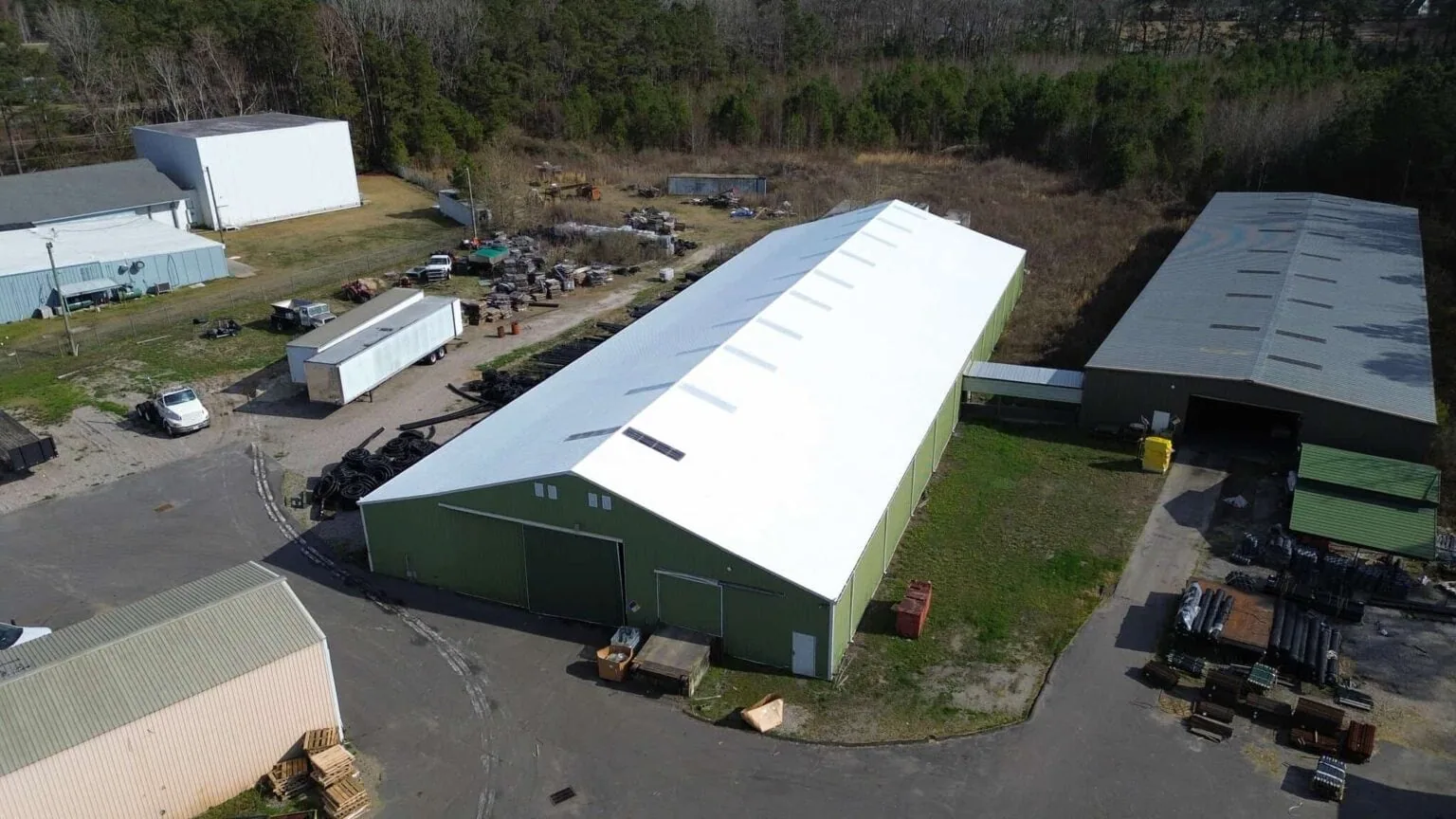
Assess Pueblo acrylic roof coatings by checking substrate compatibility, seam repairs, ponding, weather windows, application thickness, and maintenance.
Acrylic coating needs a prepared surface and a roof that can drain as designed. If the substrate is wet, loose, or incompatible, another finish coat does not correct the failure underneath. We check membrane or metal condition, adhesion, seams, penetrations, and low areas before recommending restoration. In Pueblo, CO, seasonal temperature swings, summer heat, and regional hail exposure affect both the application window and the details that need attention before coating begins.
The facility's operations help set the project route. At Pueblo Memorial Airport's industrial area, confirm delivery routes and active-use requirements with the property lead; Minnequa Industrial Park is a planned employment area that includes light-industry uses. We inspect the actual assembly and identify where cleaning, seam repair, reinforcement, primer, or replacement is needed before coating begins.
What has to be repaired before acrylic is applied?
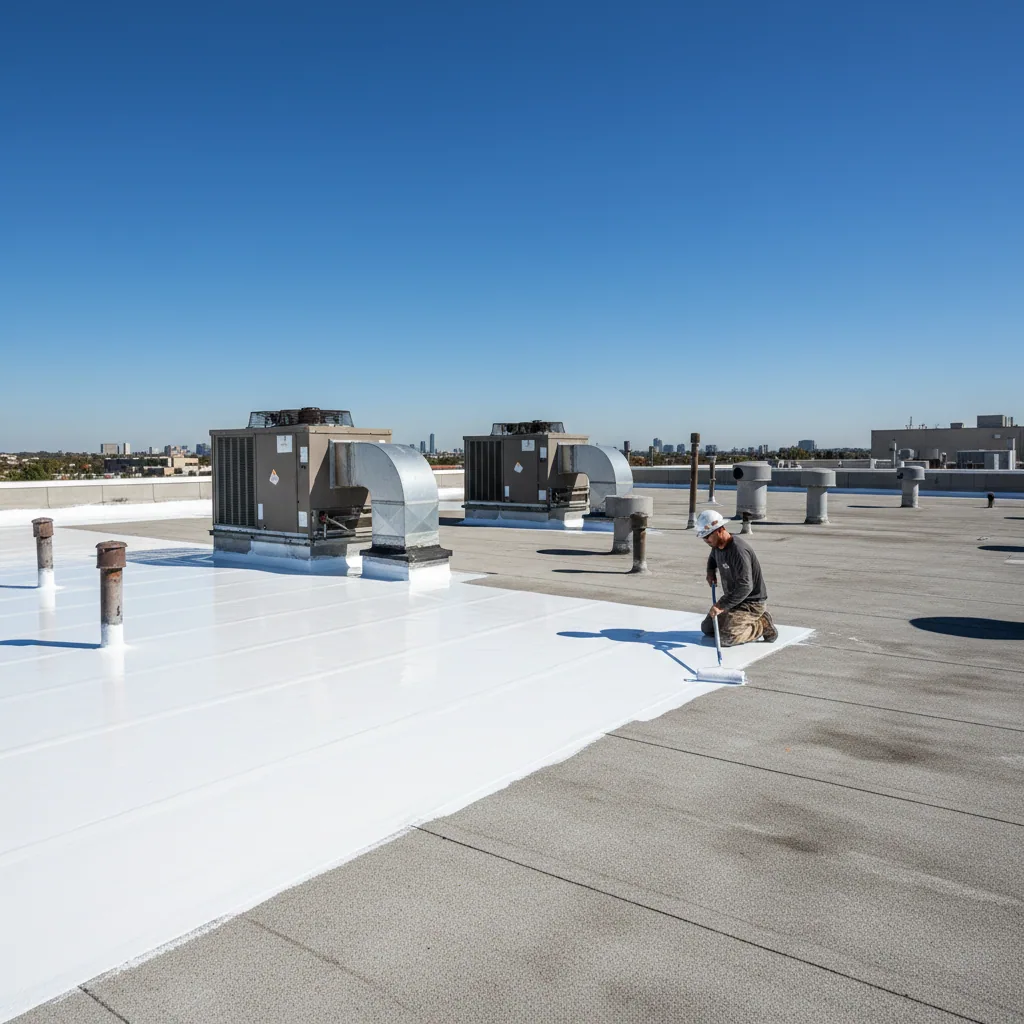
We check loose coating, open laps, deteriorated flashing, rust, punctures, blisters, and dirt or residue that could affect adhesion. The substrate may be metal, modified bitumen, membrane, or another coating, and each requires an accepted preparation method. We confirm the system documents, clean the surface as specified, and perform adhesion testing when required. Any failed area is repaired or removed to a sound boundary before primer and finish coats are considered.
Seams and penetrations receive separate attention because the coating depends on a stable detail. We reinforce locations identified by the product system and repair open laps, loose metal, or failed flashings. A condition inspection can map those items before mobilization. Where hidden moisture is suspected, we can discuss a test opening or other approved verification rather than coating over an unconfirmed wet area. The proposal states which surface preparation and detail work are included and how newly discovered conditions will be reviewed. For a large roof, we divide coating into marked zones and check coverage at seams, penetrations, and low points.
Will acrylic coating work where water stands?
The product data sets the limits for ponding exposure. Many acrylic systems are intended to cure and perform with drainage, so standing water must be considered before selection. We map the low points, check drains and scuppers, and look for slope changes that keep water on the roof. A coating adds a layer but does not change the roof's geometry unless the scope also includes taper or slope correction.
Pueblo receives winter snowfall, and water left at drains or seams can be affected by freeze-thaw conditions. Set the repair scope from the actual roof slope, outlet, and surface condition. A drainage correction may be needed before coating. We identify whether ponding is caused by debris, a blocked outlet, a settled area, or a roof detail, then keep those quantities separate from the coating area so the proposal does not treat drainage repair as an assumed benefit of the finish coat.
How does acrylic compare with other restoration systems?
Acrylic is a water-based coating option with product-specific limits for substrate, weather, recoat timing, and water exposure. The system data governs primer, reinforcement, application rate, and dry time. We compare it with silicone coating where ponding or surface exposure is part of the review, and with spray foam restoration when the existing roof is an SPF assembly. The building's current layers and drainage set the comparison, not a general claim that one coating fits every roof.
If membrane seams or metal attachment are failing across broad areas, coating may not address the cause. A restoration plan should list repair areas, adhesion testing, reinforcement, primer, coats, and thickness checks. For extensive deterioration, a replacement scope can compare removal and renewal with retaining the existing assembly. We identify what the coating is expected to protect and the condition that remains after application, giving the facility a useful basis to plan future access and maintenance.
Before the field pass, we calculate coating quantity from the measured area and specified application rate. Wet-film checks during the work help the crew correct a thin pass while material remains workable. Reinforced seams, transitions, and penetrations receive the system detail before the broader surface is coated, so the finish does not conceal an untreated opening.
Which weather conditions control acrylic application?
Acrylic coating requires a surface and forecast that meet the specified product's limits for temperature, humidity, dew point, and rain-free cure time. Pueblo's hot summer roof surfaces can affect the time available to spread and inspect a coat; cold mornings can slow drying. The crew checks current surface conditions and product instructions before setting the day's boundary. The work plan should leave enough time for the finish to cure before rain, snow, or overnight temperature changes.
Spray or roller application also requires protection around air intakes, equipment, vehicles, and pedestrian areas. We coordinate staging and overspray controls with the facility contact, then secure material and tools at shift end. At industrial or airport-area buildings, a delivery route or laydown point should be approved in advance, not assumed from the district map. The roof zone is sized to complete preparation, detail work, coating, and inspection before another section opens. If weather interrupts that sequence, the project lead confirms the temporary protection and the next start point.
What should the acrylic coating record include?
The owner should receive the existing substrate identified, preparation and repairs completed, coating product and application areas, inspection findings, and any test results required by the system. Photographs show the roof before preparation, detail reinforcement, and finished field coverage. The closeout map names areas excluded from the work and any moisture or drainage issue that remains under observation. The record also preserves the coating instructions for cleaning and future repairs.
After turnover, service traffic, new penetrations, and debris can damage or cover the finish. A maintenance visit can review drains, coating wear, and flashing condition, then document needed repairs. For a facility team managing roof scopes, a condition report can preserve the coating baseline with the building file. Bring roof plans, prior coating information, repair history, and access rules to a Pueblo walk. We will verify the substrate, define the prep and application zones, and show how the finished roof should be checked.
Commercial Roofing Questions
Can acrylic coating be installed over an existing coating?
The new system has to accept the existing coating after preparation and testing. We identify the old material, check adhesion and contamination, and confirm the approved primer or removal method. A weak layer should not be used as the base for another coat because it can separate with the new finish.
Can acrylic stop leaks at an open seam?
The seam should be repaired before the coating covers it. We clean and prepare the area, restore the lap or flashing with a compatible detail, and then apply reinforcement or coating if the system requires it. The repair boundary should be wide enough to tie into sound material rather than bridge a loose edge.
Is acrylic a good choice for a roof with ponding water?
The product's approved ponding exposure and the roof's drainage condition both matter. We inspect how long water remains, whether drains function, and whether slope correction is needed. If the selected acrylic system requires positive drainage, standing-water areas need to be corrected or another restoration option should be evaluated.
How is the coating thickness confirmed?
The product specification identifies the application rate and inspection method. We record the coating zones and check wet-film thickness or other required measurements during application. At closeout, the project file should show inspection results and how any thin area was corrected before acceptance.
Verify drainage and adhesion before coating
Share roof plans, coating history, leak locations, and access restrictions. We will inspect the substrate, drains, seams, and penetrations and prepare a restoration boundary for review.
Call 555-555-5555 or email [email protected].