
Home / Property Types We Roof / Commercial School Roofing
Commercial School Roofing in Pueblo, CO
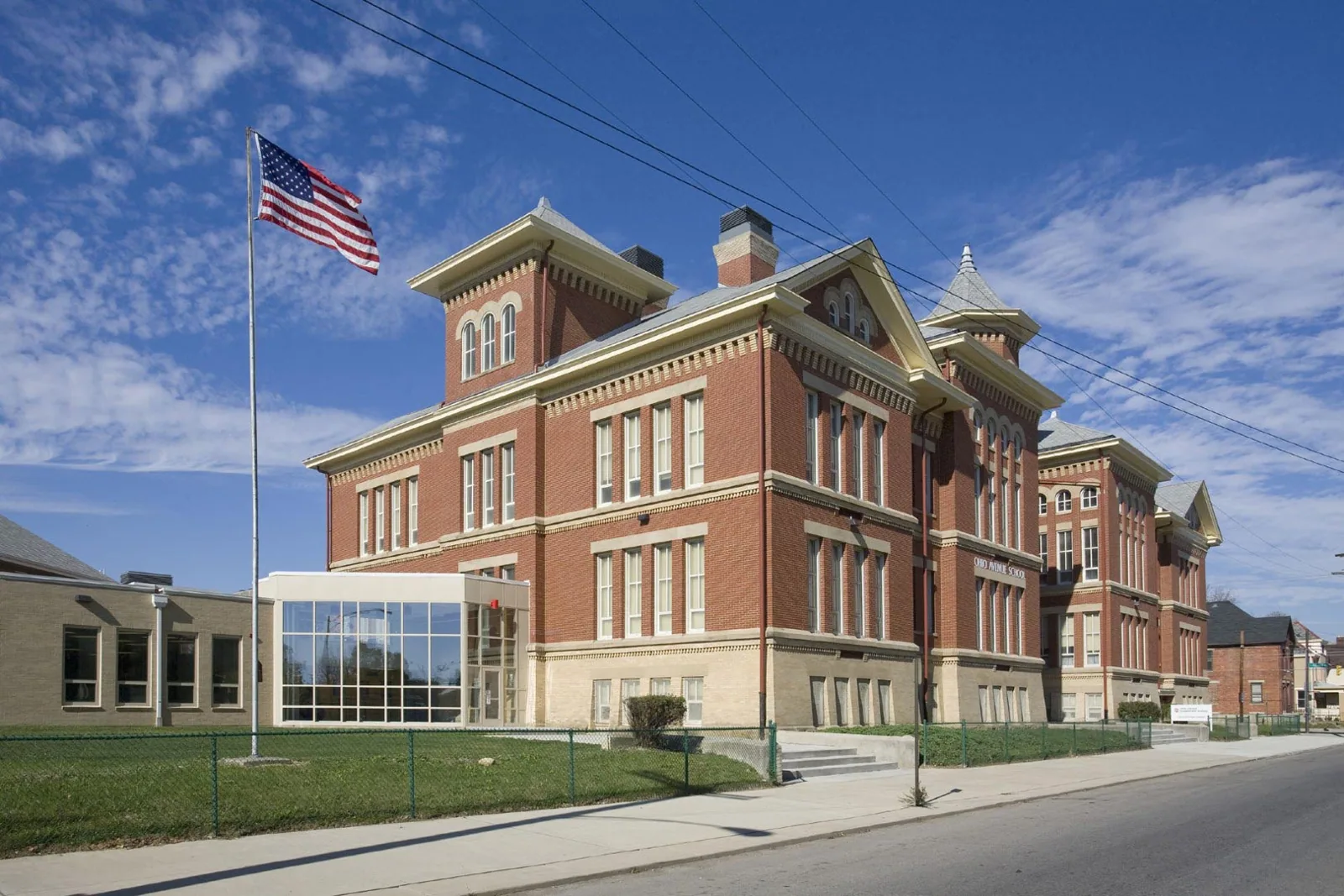
Plan Pueblo school roof repairs around student routes, occupied classrooms, pickup schedules, drainage, interior protection, and approved work windows.
A roof opening above a classroom has to be closed before students return to that space. We inspect the reported leak, map the roof zone to rooms below, and set the work window with the school facility lead. In Pueblo, CO, summer heat and winter snowfall change the material and drainage questions across the school year. The plan identifies pickup and drop-off routes, occupied rooms, roof access, and interior protection before work is scheduled so the crew can leave a secure stop point each day.
School projects need a parcel-specific access and permit review. Before roof details are specified, confirm the permit authority and current building, existing-building, and energy requirements for each campus parcel. The parcel authority and any amendments should be confirmed for the project. Material deliveries also need an approved route: St. Charles Industrial Park connects to rail and I-25, while US 50 is a major east-west route through the region. Those corridor facts can inform logistics, but each campus contact confirms its gate, staging, and student-safety procedures.
Which rooms sit below the repair area?
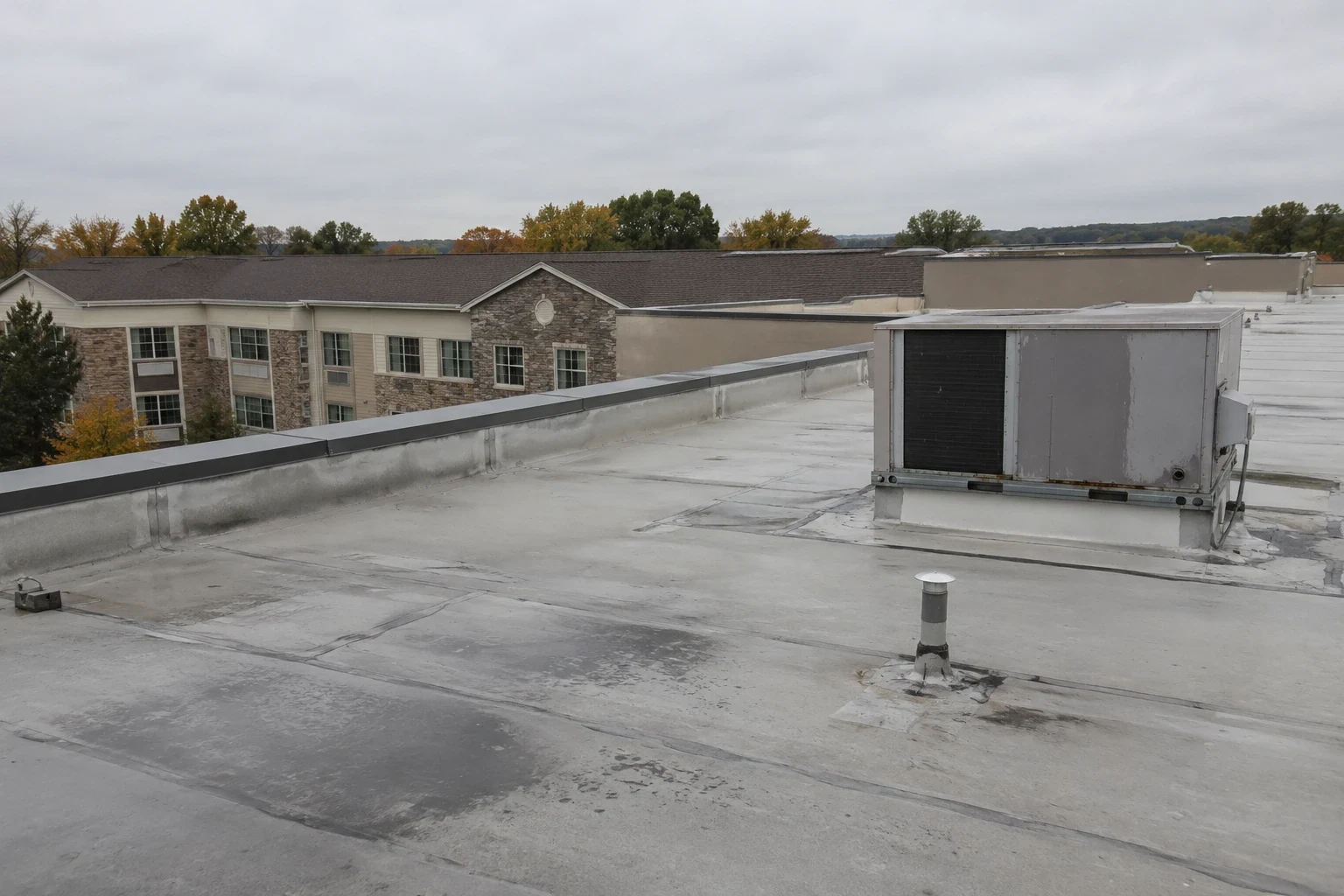
We map the roof's drains, seams, curbs, hatches, expansion joints, and previous repairs against the school's room plan. A stain in a library or classroom may trace to a penetration or low area elsewhere, so we follow the water path instead of opening the nearest roof section by assumption. The facility lead can flag rooms with exams, specialized equipment, or activities that cannot move easily. Those spaces receive a protection and access plan before removal begins.
A roof condition inspection records the visible surface and likely repair boundary. If water entry is unclear, a leak investigation can trace the observed path and identify whether testing is needed. We describe any approved test opening and how it will be restored. The scope distinguishes confirmed wet insulation from suspected moisture and identifies which ceiling or roof areas remain outside the project. That gives school administration a practical basis for deciding whether a room needs a short closure or the work can stay above an unoccupied area.
How should the work avoid student movement?
Student entrances, accessible routes, bus areas, playgrounds, and emergency lanes should remain clear while materials and waste move. We coordinate truck arrival, lift placement, container location, and worker entry with the school contact. If a crane or delivery needs to cross a busy path, the schedule can use an approved period when students are not present. Signs and barriers identify the ground-level work boundary, and the crew follows the campus route confirmed before mobilization.
Classroom noise, dust, vibration, and temporary HVAC restrictions can affect different parts of the day. We plan removal around school hours where practical and keep each roof opening within the team's ability to secure it before students return or the shift ends. A phased school sequence can divide the project by wing or roof zone. The administrator receives the expected date, affected route, and contact for changes, while the project lead controls the roof boundary and response if a concealed condition extends the work.
What does the school roof need before snow or storms?
We check drains, scuppers, strainers, overflow paths, low areas, and edge details that can collect debris or water. Pueblo’s 28.3-inch average seasonal snowfall makes drain access and safe winter roof entry part of school maintenance planning. Those facts make outlet access and water movement useful seasonal checks, while the actual roof slope and observed condition determine the repair. A blocked drain is different from a settled area or a failed flashing, so the scope measures each cause separately.
Before a weather window changes, the crew secures open zones and confirms that drainage remains functional. If water has entered a classroom, the facility protects the room and we inspect the roof path. A drainage correction can be scheduled apart from membrane work. When visible hail or wind damage is present, a storm inspection records affected areas before permanent scope is set. Winter conditions may also change safe roof access, so the project lead confirms ice, snow, and forecast limits before anyone enters the roof.
How can school administrators compare roofing scopes?
The proposed system depends on the installed roof, deck, insulation, attachment, drainage, and project requirements. We verify layers and prior repairs before recommending patch, recover, or replacement. A bid should state the number and location of roof zones, edge and curb details, interior protection, and the process for approving hidden deck or insulation work. School facility staff can compare quantities and access assumptions rather than relying on a top-line membrane name.
Where classrooms and administrative areas have different occupancy schedules, a college roof sequence may offer a useful comparison for larger campus phasing, though K-12 access rules remain distinct. Hospital roof work also illustrates controlled access and occupied-space protection, but the school's own student-safety procedures govern. A replacement plan can define removal and substrate allowances. We identify the stop point for each day's work and document which rooms reopen after the roof has been inspected.
What should the school receive at project closeout?
Closeout should map completed roof areas, repairs, test openings, new materials, and any condition that remains for monitoring. Photos show the finished seam and flashing details, not only a broad roof view. We review drains, hatches, access routes, and removal of temporary barriers with the facility contact before returning the area to normal use. If an item was not repaired, the school receives a clear location and reason for the exclusion.
Maintenance can be scheduled around breaks or low-occupancy periods to inspect drains, seams, and rooftop equipment before the next school term. A maintenance visit can also check repairs after high winds or snow. For a campus with separate buildings, records should remain tied to each roof rather than merged by district. Bring room plans, school hours, pickup routes, roof drawings, and leak history to a Pueblo walk. We will define the roof boundary, agree on student-safe access, and leave a handoff that identifies what the facility team should monitor next.
Commercial Roofing Questions
Can roof work happen while classes are in session?
The work can proceed only when access, noise, interior protection, and the daily closure plan meet campus rules. We map rooms below the roof zone and coordinate delivery and noisy removal around student movement. If a work area cannot be protected during class, the project lead schedules it for a break or another approved window.
What happens if a roof leak appears during the school day?
The school moves students or materials from the affected room under its safety procedure, and we locate the roof area to stop active water entry. We inspect nearby seams, drains, and penetrations, then document the immediate repair and any broader condition separately. The room returns to use after the facility contact confirms interior protection can be removed.
How are playgrounds and pickup lanes protected?
The campus contact identifies student routes, bus and pickup lanes, play areas, and emergency access before work begins. We place lifts, delivery trucks, and containers outside those paths or schedule them for an approved closure window. Barriers and signs mark any temporary change, and the project lead confirms the route before the crew moves materials.
What roof information helps plan work during summer break?
Roof plans, prior leak reports, room use, HVAC schedules, and campus hours help set a realistic sequence. We compare those records with field conditions and identify test openings or deck allowances before the break begins. The schedule should preserve enough time for inspection and closeout before staff and students return.
Plan the roof zone around the school day
Share campus maps, school hours, pickup routes, roof drawings, and leak history. We will define the work boundary, access plan, interior protection, and closeout point with the facility lead.
Call 555-555-5555 or email [email protected].