
Home / Property Types We Roof / College and University Roofing
College and University Roofing in Pueblo, CO
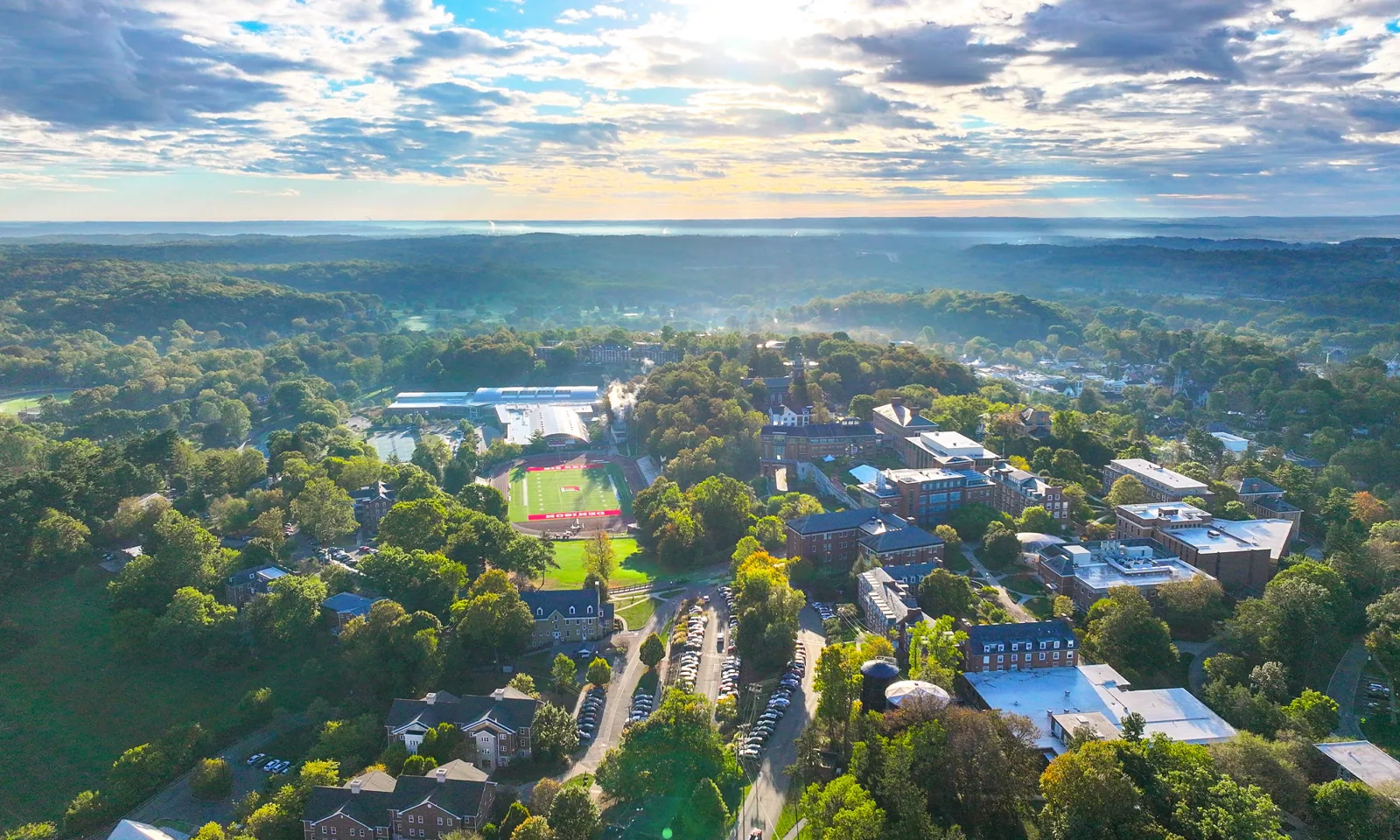
Coordinate Pueblo campus roof work around classes, residence areas, laboratories, event schedules, building access, drainage, and phased closeout.
A campus roof plan has to account for more than one building use. Classrooms, offices, residence areas, laboratories, recreation spaces, and event venues can each have different access and shutdown windows. We identify the roof system and leak path, then map the work area to campus operations before scheduling removal. In Pueblo, CO, summer heat, winter snow, and changing academic calendars affect material handling and the time available to complete a zone. The facility team helps identify which buildings can be closed and which need service access maintained.
At a Pueblo campus, a roof walk can start with building plans, event calendars, and the route from a delivery entrance to the roof. Downtown Pueblo and US 50 are regional access references, while the facility confirms the actual campus gate, staging lot, and pedestrian controls. These local corridor facts help frame delivery planning but do not identify an institution's roof or operating schedule. We coordinate with the campus project lead to preserve class changes, accessible paths, loading areas, and emergency routes as each roof zone is opened and secured.
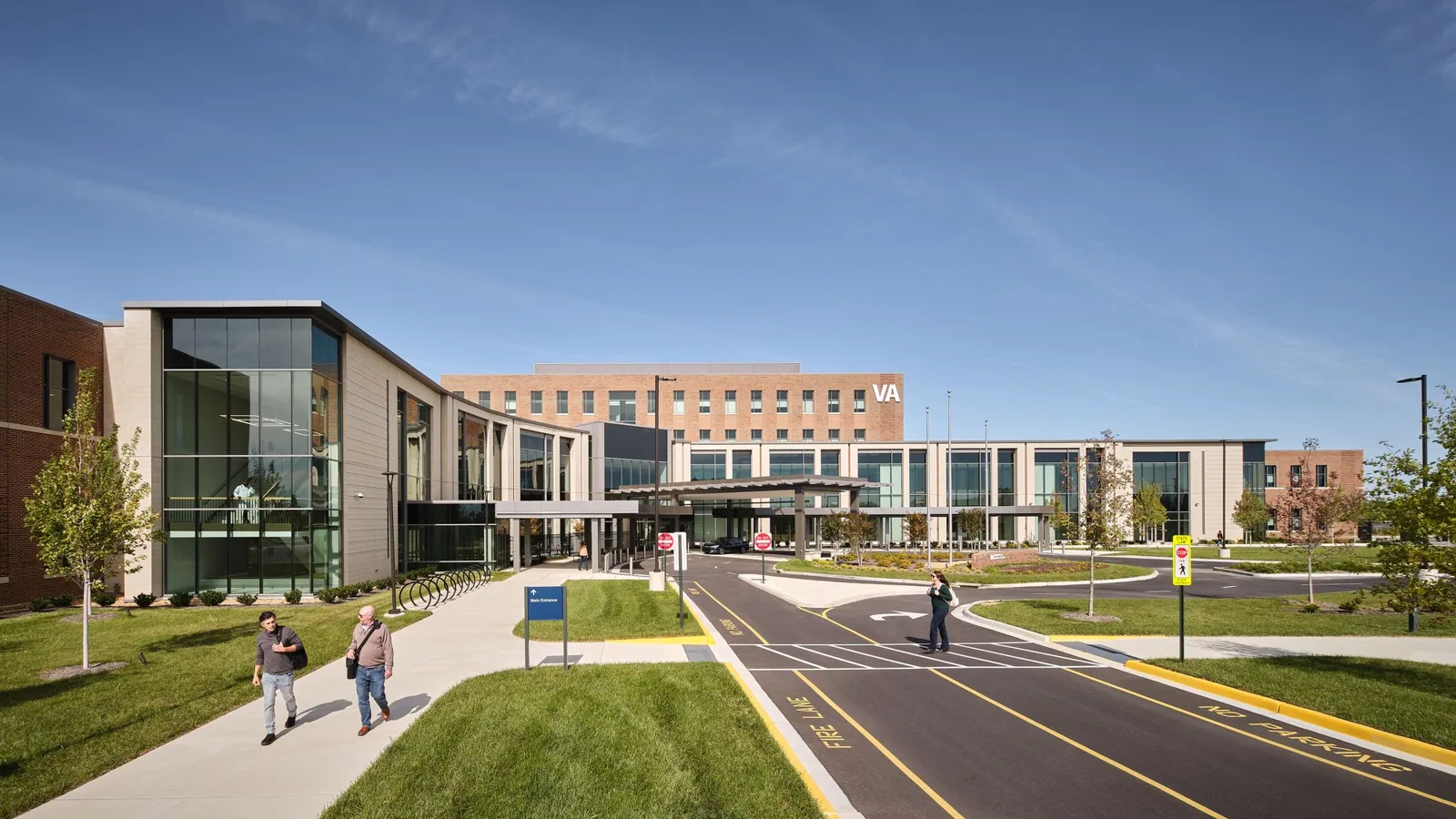
Which campus buildings need separate roof plans?
We map roof transitions, drains, expansion joints, hatches, mechanical areas, and reported leak locations against the campus building list. A lab or server room may need a different interior protection plan than an administrative office or residence hall. The facility team identifies rooms with sensitive equipment, hazardous materials, scheduled exams, or activities that cannot move on short notice. We use those details to select a sequence and distinguish roof conditions by building rather than treating the campus as one continuous assembly.
A roof condition inspection records visible defects and likely repair boundaries. If water entry is uncertain, leak tracing follows the path through seams, curbs, and drains. Test openings are proposed only where authorized, with a closure detail and room protection plan identified in advance. The report notes which building zones were inspected and which remain unverified, allowing the campus to prioritize the next walk without implying that every roof has the same system or condition.
How does the academic calendar affect roof work?
Summer break can provide access to some buildings, but residence, research, administration, and event operations may continue. We compare roof work with class schedules, move-in periods, graduation, athletics, and public events identified by the campus. Material delivery and lift placement should avoid pedestrian peaks, bus routes, and accessible entrances. The project lead confirms whether a building can be closed and who approves a route change if an event or weather hold shifts the schedule.
Campus notices should identify each building, roof zone, noise period, entrance change, and date when the path returns to service. We supply the daily boundary so staff can direct students and visitors. A phased campus sequence can divide work by building or wing, with a watertight stop point before evening events or overnight occupancy. The sequence also identifies where waste containers and stored membrane remain so they do not narrow an emergency path after the crew leaves. Before reopening the route, the project lead checks that signs, barriers, and temporary walkway protection match the campus contact's plan.
Which campus equipment must remain accessible?
Rooftop HVAC, laboratory exhaust, vents, communications equipment, and roof hatches may serve different building functions. We inspect curbs, flashing, service paths, drains, and clearances, then ask the campus team which equipment can be shut down or moved. The roofing scope does not perform lab, electrical, or mechanical isolation, so those responsibilities and access windows are confirmed with the responsible trade before the roof is opened.
Interior protection depends on the room beneath the work and the operation taking place there. A lab may need its own environmental controls; a residence area may need quiet hours and a protected entrance. A curb and support review can set equipment interfaces. K-12 roof planning and hospital roof coordination provide useful comparisons for occupied buildings, but campus requirements remain specific to the building, event, and facility policies.
How should drains and roof openings be protected?
Pueblo averages 28.3 inches of seasonal snowfall, with measurable snow normally spanning early November through mid-April. That seasonal range makes drain access and safe winter roof entry part of campus maintenance planning. We inspect bowls, scuppers, low areas, overflow routes, and flashing around equipment. If snowmelt remains at an outlet or a storm exposes a weak seam, the repair depends on the observed water path rather than the calendar alone.
During construction, temporary protection must preserve drainage and leave each roof zone secure when classes or events resume. We confirm which outlets stay open, where temporary covers end, and how the crew closes work if weather arrives early. A drainage correction can be separated from membrane repairs. If the roof is visibly damaged after hail or wind, a storm review can document affected areas. No new opening proceeds without a plan to keep rain or snow out of occupied spaces below.
What should campus facilities compare in a proposal?
Proposals should identify roof systems, buildings and zones included, insulation and deck assumptions, access limits, interior protection, and how concealed conditions will be priced. We separate immediate repairs from larger replacement work and show the tie-ins at additions or different roof sections. Pueblo's building department lists the 2021 IBC, IEBC, and IECC for its jurisdiction, and the project team confirms which authority and amendments apply to each campus parcel.
Closeout records identify completed buildings, repairs, materials, photographs, test areas, and open monitoring items. A replacement scope can show how phases fit the capital plan, while a maintenance visit can check drains and roof traffic after the project. For a campus with multiple buildings, keep condition notes tied to the specific roof rather than relying on a single site-wide label. Bring the academic calendar, event schedule, roof drawings, access rules, and leak history to a Pueblo walk. We will mark the work boundary and provide a handoff the facilities team can use during the next term. A closeout walk confirms each building's route is clear and roof hatches are secure.
Commercial Roofing Questions
Can roof replacement happen during the academic year?
A building-by-building sequence may work if the campus can provide access, interior protection, and a safe route around the work. We coordinate noise, deliveries, and room closures with the facility calendar. Buildings with research, residence, or event activity may need a separate window even when nearby classroom space is available.
How do you coordinate roof access across a large campus?
The facility team identifies gates, roof hatches, escorts, work permits, and pedestrian paths for each building. We plan the crew route and material staging around those controls, then update the daily notice when the roof boundary shifts. A campus-wide route is not assumed from the first building's access plan.
What if a test opening finds wet insulation above a lab?
We secure the opening, document the layers and moisture found, and notify the project lead before expanding the removal boundary. The lab contact coordinates interior protection and any operating restriction. The owner reviews the added quantity and restoration detail before the crew proceeds beyond the authorized zone.
Should each campus building have its own roof record?
Yes. Assembly, condition, repair history, access, and equipment differ by building. We identify each roof on the closeout map and connect photographs and observations to that structure. This lets facilities staff schedule maintenance or capital work by the actual roof condition instead of assigning one status to the whole campus.
Set a campus roof schedule by building and term
Share the academic and event calendars, roof plans, access procedures, and leak reports. We will map separate roof zones and coordinate work boundaries with campus facilities.
Call 555-555-5555 or email [email protected].