
Home / Commercial Roofing Services / Storm Damage Roof Repair
Storm Damage Roof Repair in Pueblo, CO
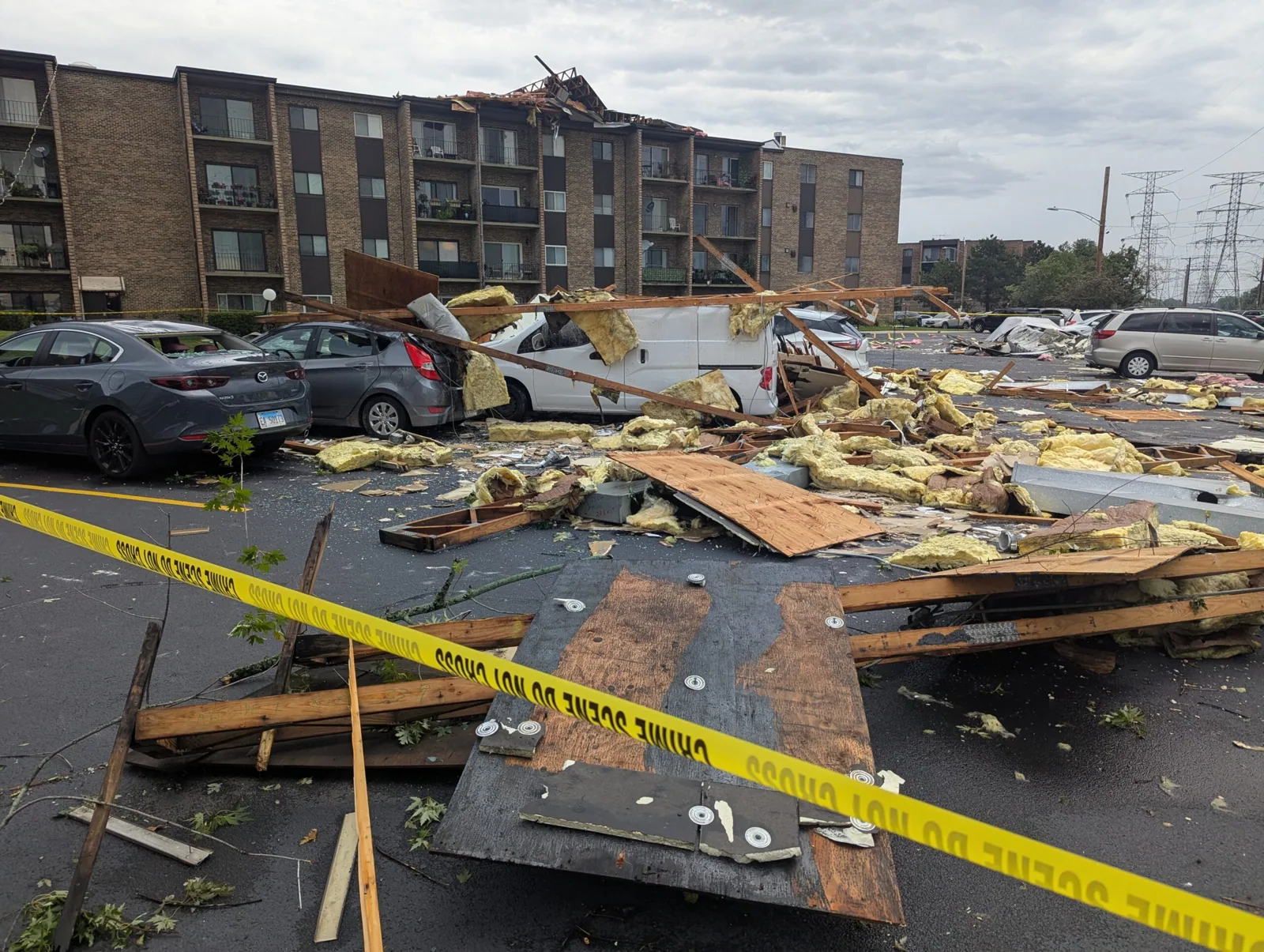
Assess and repair storm-related commercial roof damage in Pueblo with mapped observations, temporary protection, and documented repair boundaries.
A wind report becomes a roof decision only after the components are checked. We inspect the membrane, edges, flashing, rooftop equipment, drains, and interior reports, then separate storm-related observations from older wear or previous repairs. Hail, tornadoes, and severe wind are recognized hazards across southeast and south-central Colorado. A reported event warrants a roof inspection, while observed conditions at the property establish the repair scope.
After a storm, access and safety come first. We check whether the roof can be entered safely, protect active interior leaks where conditions permit, and photograph each visible impact before work changes it. Industrial operations in St. Charles Industrial Park and Pueblo Memorial Airport Industrial Park adds site-specific gates, vehicle routes, and operating windows to confirm. We identify the first safe roof zone, agree on a temporary work boundary, and determine whether the next step is an emergency dry-in, a permanent repair, or a more detailed assessment.
Which roof components need a closer look?
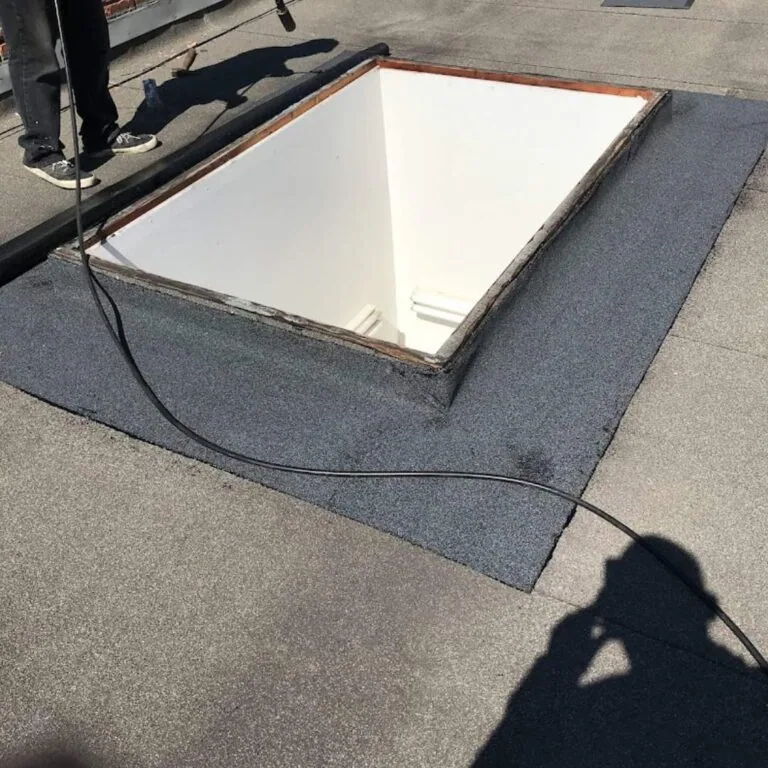
Wind can move edge metal, loosen terminations, lift flashing, or carry debris that punctures the membrane. Hail can bruise or fracture surfaces, damage skylight lenses, and affect metal equipment or rooftop screens. Tornado debris can create a localized opening while leaving other roof zones unchanged. We inspect each component for a visible change, record its location, and avoid grouping separate conditions under one broad label. If roof access is restricted, the report lists the areas that could not be inspected.
Interior reports help prioritize the walk, but water stains alone cannot establish the roof entry point. We compare the room and timing with roof drains, seams, curbs, walls, and penetrations above. A targeted roof inspection can show which details are open, displaced, or intact. When wind or hail is part of the reported event, the related wind assessment or hail inspection should identify observed damage without converting a weather report into a property finding.
What needs to happen before permanent repair?
If water is entering, temporary protection may be needed before the full scope can be measured. We set a dry-in boundary around the opening, protect interior equipment and finishes where practical, and note what remains exposed. The temporary cover is a distinct work item; it does not substitute for repairing failed membrane, flashing, or substrate. If wind or precipitation makes roof access unsafe, the project lead receives the access limit and the next safe inspection window.
After stabilization, we return to assess the surrounding assembly. A puncture may require removal of wet insulation, while displaced edge metal may need fastening and tie-in repair beyond the visible loose piece. We photograph the layers and deck if an opening is required, then share the added quantity before proceeding. Our 24/7 emergency response can address active exposure, followed by a permanent repair scope once conditions and materials are confirmed. The handoff identifies which part of the roof is secure and which condition still needs a decision.
How is storm work separated from old wear?
Good documentation places each observation in context. We record the reported event date, visible condition, photo location, and whether a prior repair or maintenance note exists for the same roof zone. An older split seam or a deteriorated sealant line may be present before the storm; it should not be described as event damage without supporting evidence. The repair proposal separates confirmed work from areas requiring more testing, so the owner can understand what is included.
Where damage is confined to one assembly, a repair may restore function without replacing the entire roof. If multiple zones show failures, the deck is affected, or earlier moisture has spread, a broader replacement review may be appropriate. Pueblo’s industrial stock includes steel, wind-tower, concrete railroad-tie, manufacturing, and distribution uses. The roof needs of each facility depend on its own assembly and operations. A replacement evaluation can be compared with localized repairs after an inspection identifies the extent and condition of the existing roof.
How does the next forecast affect the repair?
After a storm, another weather system may arrive before the permanent repair is ready. The crew checks the current forecast, surface moisture, wind, and material requirements before setting the work area. Pueblo’s July average high is 93.4°F, August average high is 90.2°F, and seasonal snowfall averages 28.3 inches. Heat affects how some sealants and adhesives handle, while cold or snow can limit safe roof access and make a surface unsuitable for bonding.
The day’s scope should leave a watertight stopping point. We confirm the patch or temporary cover is secure, keep drains and scuppers clear, and mark any loose material or damaged edge not included in the immediate work. A severe hail or wind finding may need photos from different angles, but the image record should describe only what is visible. If drainage is part of the damage pattern, a drain and scupper review can check whether runoff is being trapped by a damaged outlet or the repair boundary. The owner then has a clear sequence for any remaining work.
What will the storm repair record contain?
The report identifies the roof zone, component, observed condition, photographs, temporary measures, permanent work, and areas that were not accessible. We note when the finding was reported and what information came from the building contact. If a test cut exposed wet insulation or deck damage, the report records that opening and the approved repair separately. Those details let the facility team track the work without relying on a general note that a storm repair was completed.
Insurance documentation can use the same factual record, but coverage decisions belong to the insurer and policy. We provide photos, measurements, scope descriptions, and repair records for the building owner to share as needed. If the property has several roofs, each structure receives its own labeled images and findings. A claim documentation review can organize the contractor’s observations with the repair estimate. Arrange access with the site contact, event timing, interior leak locations, and any prior repair file ready. We will inspect the affected zones, define the next work boundary, and identify what can be repaired now.
Commercial Roofing Questions
Does a regional hail or wind report prove our roof was hit?
No. Regional weather information can establish that a storm occurred nearby, but the roof inspection must identify damage at the property. We photograph observed conditions, compare them with prior records where available, and separate event-related findings from wear or earlier repairs.
Should temporary protection be installed before an adjuster visit?
Active water entry and building protection come first when the roof can be accessed safely. We document the condition before covering it when practical, then identify the temporary work and permanent repair separately. The owner can share those photographs and records with the adjuster under the insurer’s process.
Can storm repair work begin while the cause is still being reviewed?
A temporary dry-in can reduce exposure while the damaged area is evaluated. Before permanent work is expanded, we confirm the assembly, the affected quantity, and any concealed conditions that change the scope. The project lead receives the observed facts and proposed next step for review.
What if the roof had a leak before the storm?
We record the earlier leak history and compare it with the current roof condition. A prior repair, open seam, or aging flashing may be separate from a new impact, and the report should not assign cause without evidence. We can price the immediate repair and any related maintenance item as distinct work.
Document the roof before the next work step
Share the event timing, interior reports, roof access details, and prior repair records. We will inspect the affected zones, protect active exposure where conditions permit, and leave a clear repair boundary.
Call 555-555-5555 or email [email protected].