
Home / Property Types We Roof / Apartment Roof Repair and Replacement
Apartment Roof Repair and Replacement in Pueblo, CO
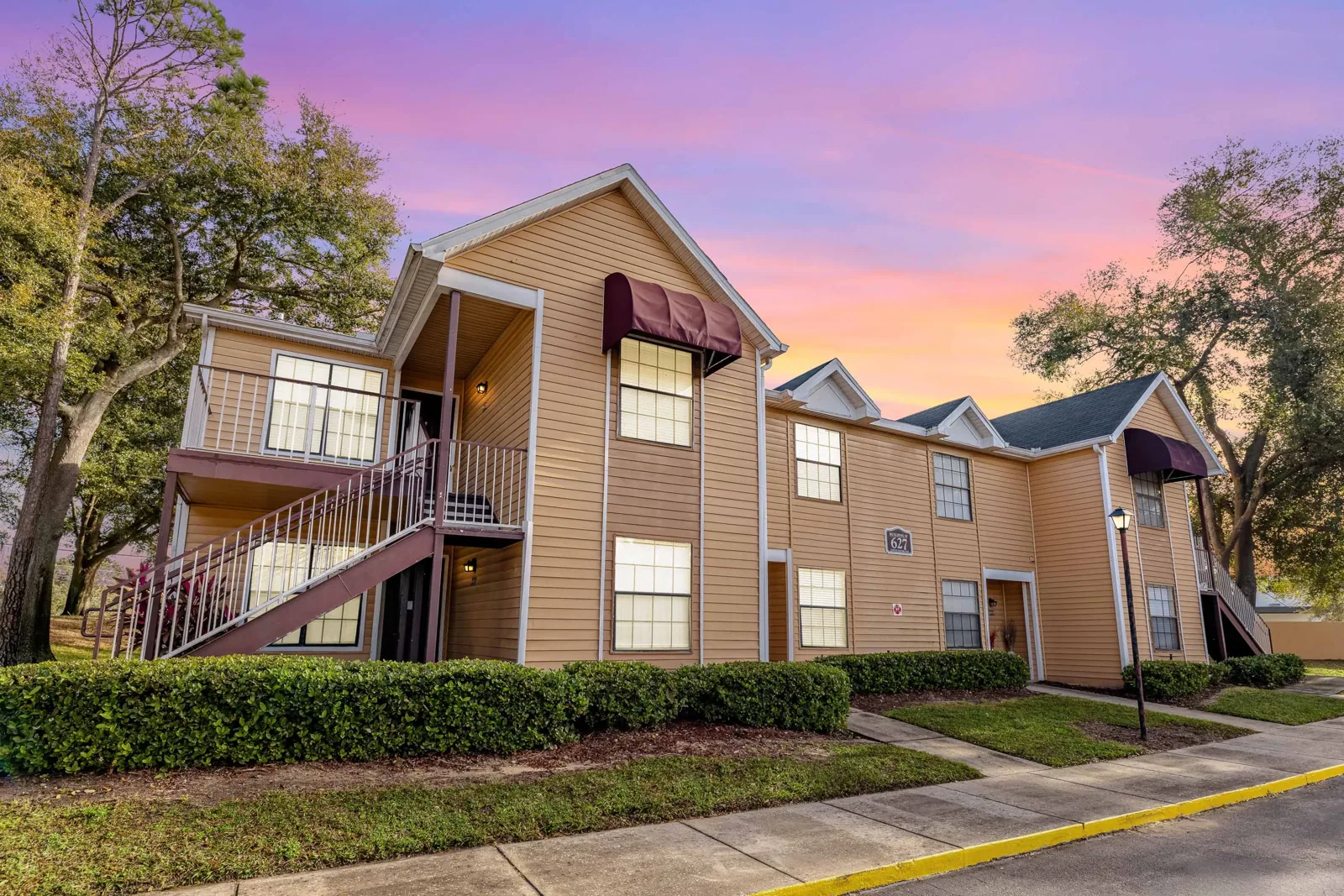
Plan apartment roof repair and replacement in Pueblo, CO with resident notice, occupied-building access, drainage, roof details, and weather in mind.
A resident may report a ceiling mark days after water entered at a roof edge or plumbing penetration. Before assigning a repair, we compare the reported unit and date with roof drainage, seams, walls, vents, and previous patches. The visible room is useful evidence, but it does not establish the entry point. We map the likely roof zone, check its assembly, and explain which findings are confirmed and which need observation after opening.
Apartment work also has a ground-level plan. Residents need clear notice about access, noise, parking, and any temporary change to a shared entrance or walkway. On Pueblo’s Eastside, commercial access to shopping and employment is a neighborhood priority. Pueblo West concentrates retail, service-commercial, and light-industrial businesses along its Highway 50 corridor. Each property manager confirms site access, resident routes, and staging conditions before mobilization. A roof scope should say how the crew will move between zones while keeping shared spaces usable.
How should a leak report connect to a roof zone?
Record the unit or common-area location, when the mark appeared, and whether it changed after precipitation. We look above and around that area for punctures, seam separation, failed wall flashing, blocked outlets, or water held at a low point. A roof may cover several wings with different elevations and additions; the nearest drain or penetration is a candidate, not proof. The inspection should follow the drainage path and identify which assembly was actually checked.
When the reported condition may affect more than one unit, management can help establish interior access without overpromising that the roof repair will resolve every stain. A roof condition inspection can record membrane, insulation, edge, and drain observations by zone. If a seam, penetration, or flashing detail is the confirmed entry point, a targeted leak repair can define the defect and tie-in. Keep unrelated damage or interior restoration separate until responsibility and scope are established.
How can a project limit resident disruption?
Build the sequence around resident notice and the route from the material drop to the roof. Management should identify quiet hours, parking restrictions, emergency access, pets, and any areas that cannot be blocked. The contractor can then name the work zone, daily start and stop times, and a fallback if weather changes the sequence. For a larger building, dividing work by wing may keep more entrances and shared spaces available while a section is active.
Occupied-building reroofing lays out how to limit exposed roof area and protect spaces below. If residents must move vehicles or avoid a walkway, give management enough notice to communicate a specific location and time. The plan should identify who can authorize access to a unit and who receives the crew’s daily update. Owners who also manage lodging can compare the operational differences in hotel roof planning; apartment notice and resident access require their own communication rhythm.
For buildings with several entrances, the site contact can identify which path serves residents, deliveries, and emergency response before a crew stages ladders or a debris container. Roof access should remain controlled, and material movement should not create an unplanned barrier at a shared door. When work shifts between wings, carry forward the same zone labels in resident notices and daily updates so people are not sent toward yesterday’s work area.
When is repair a sound alternative to replacement?
One defective seam or flashing transition may be repaired when surrounding material is stable and the insulation beneath it is not broadly wet. Repeated leaks in separate wings, fragile membrane, recurring ponding, or widespread saturated insulation call for a larger comparison. We inspect the field condition, drainage, penetrations, and edge details, then describe how much of the assembly each option would address. Unit count alone is not a measure of roof condition.
A repair proposal should identify the detail, material, work boundary, and any excluded interior finish work. If multiple roof areas need renewal, a replacement scope can show tear-off limits, insulation, membrane, drainage corrections, and phasing. Where equipment or plumbing penetrations are involved, coordinate a curb and support check before closing the new membrane around them. Any concealed deck or insulation condition discovered after opening is documented and priced for approval rather than folded into an undefined allowance.
Which seasonal conditions change apartment roof work?
Schedule roof openings against the current forecast and the crew’s ability to protect the assembly before leaving. Summer heat can affect material handling and shift timing, while snow and freeze-thaw periods can limit access and expose drainage problems. Temporary dry-in should be ready before removal starts, and residents should know if weather moves noisy work to another day. Keep debris and tools secured away from common routes at the end of each shift.
Pueblo’s summer average highs exceed 90°F, and seasonal snowfall averages 28.3 inches. Those seasonal conditions inform planning; the roof surface and current forecast set the workable window. Confirm the parcel falls within Pueblo Regional Building Department jurisdiction and verify current amendments before specifying insulation, attachment, or drainage. Snow and rain can reveal low areas, but drainage decisions still need a roof-level inspection. A drain and scupper assessment can separate blocked outlets from defects in membrane or slope.
What should the property manager track after repair?
At closeout, the owner should be able to tell which zone was repaired, what material was used, and whether any adjacent condition remains open. Use photographs and consistent roof-zone labels so a later leak report can be compared with the work record. If a concealed condition changed the approved boundary, capture the location and authorization for that work. Share any maintenance observation as a separate follow-up rather than describing it as completed repair.
Resident communication can then close with the affected area, restoration status, and contact for a new report. A scheduled maintenance visit can check drains and flashings before seasonal weather, under its own scope. Managers overseeing several building types can compare shared-roof planning with restaurant roof coordination, where receiving and kitchen operations create different access constraints. We leave the manager with the findings and a clear next step, whether that is monitoring, a separate estimate, or an inspection of another zone.
Commercial Roofing Questions
Do residents need to leave during apartment roof work?
Usually not for exterior roof work, but management may restrict access below an active area or adjust a walkway or parking space. We identify the zone and timing so the property team can issue focused notice. If an interior inspection or protection is needed, unit access should be coordinated through the manager under the property’s normal procedures.
Can one roof leak affect several apartments?
Yes. Water can move along a deck, insulation, or framing before it becomes visible, so a stain in one unit may not sit beneath the defect. We compare reports with roof slopes, seams, penetrations, and drains, then state what the inspection confirms and where uncertainty remains.
How do you choose between patching and replacement?
We look at the number and distribution of failures, membrane condition, insulation moisture, deck stability, and drainage. A localized repair can make sense when the surrounding assembly is sound. Recurring issues across multiple zones justify comparing a broader repair or replacement by scope, phasing, and expected disruption.
What should a manager provide before a roof inspection?
Share leak dates and unit locations, prior repair records, roof plans if available, access rules, resident notice requirements, and known parking or staging limits. A maintenance contact can point out past trouble areas while helping the inspector follow the property’s safety and communication procedures.

Coordinate an apartment roof walk
Bring the property manager, leak locations, resident-access rules, roof records, and staging limits. We will map each roof zone and set a work boundary that fits the building’s operating needs.
Call 555-555-5555 or email [email protected].