Home / Service Areas / Pueblo West
Commercial Roofing in Pueblo West, CO
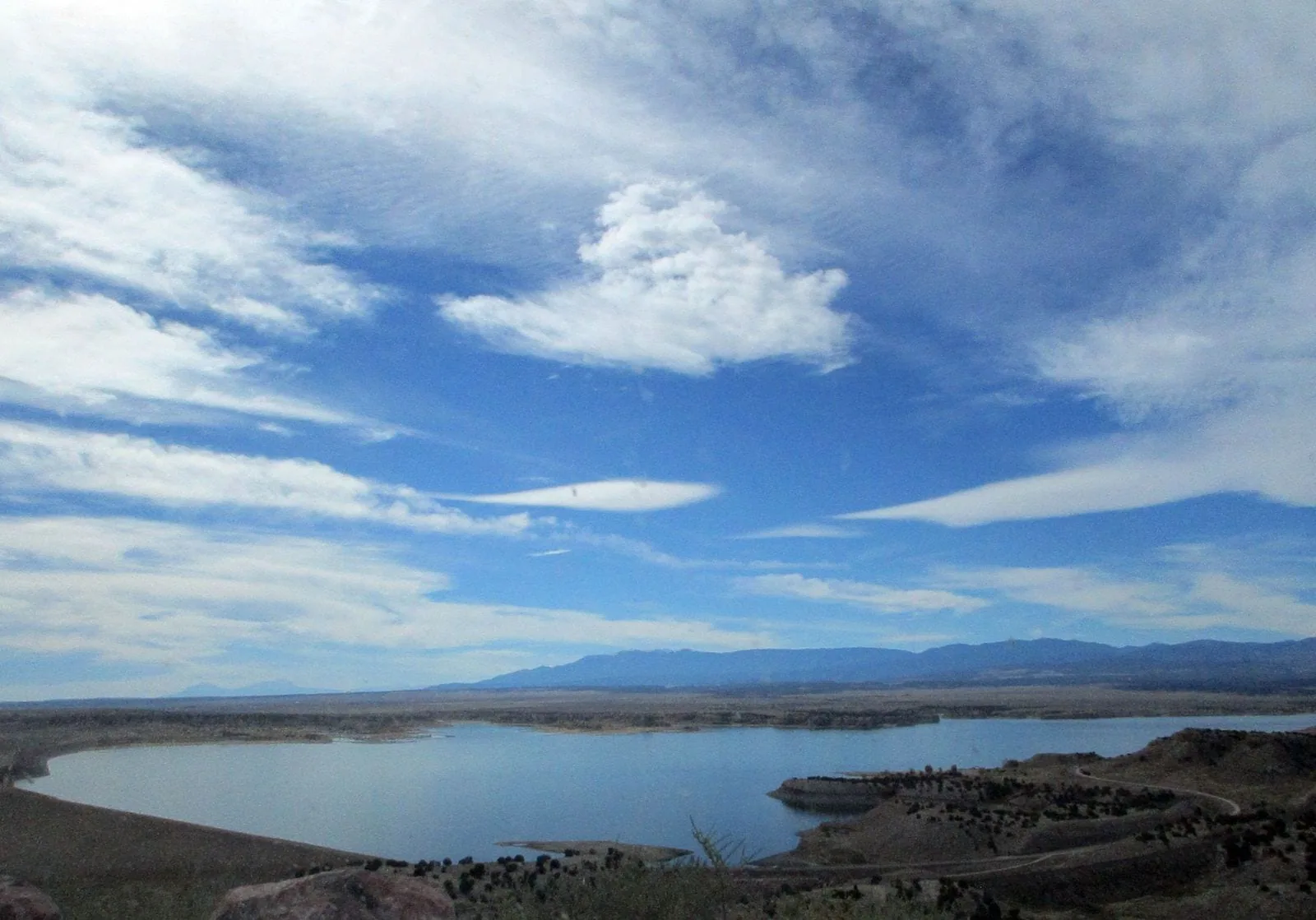
Plan Pueblo West commercial roofing with a measured roof survey, access sequence, and scope shaped by the property’s operation and field condition.
Retail, service-commercial, and light-industrial businesses concentrate along Pueblo West’s Highway 50 corridor. Civic Center and Spaulding are planned community hubs. The broader corridor helps orient service planning, while scheduling depends on the individual property and its access route. We start with the specific property, confirm its operation, and inspect the roof before recommending work.
A property with a larger yard may still have a constrained roof access route, so we verify the actual gate, lift setup, delivery path, and laydown point. The owner identifies which doors, loading areas, or interior spaces need to remain available. Pueblo’s hot season and winter conditions affect application windows and drainage review; current surface temperature and forecast determine the day’s sequence. Each zone needs a secure stop point before the crew leaves.
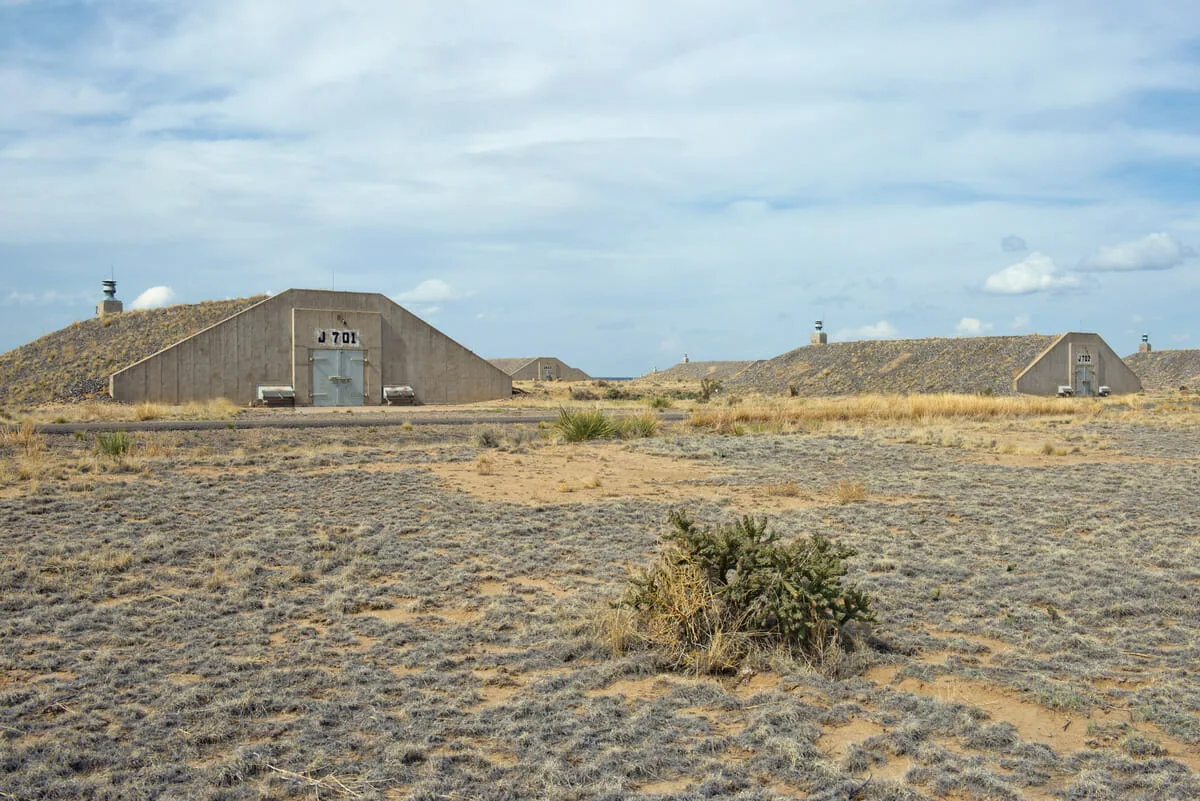
What does the inspection establish?
We inspect the reported roof area and the nearby transitions that could explain the condition. Check the membrane or metal, seams, flashing, drains, curbs, edges, and previous repairs. Map areas the crew can see and mark any blocked section or location that needs a test opening. If drawings are available, compare them with the field assembly and note differences that could change removal, fastening, or drainage work.
A commercial roof inspection can document those findings with photos tied to roof zones. For active water, leak tracing follows the likely route through seams, penetrations, and drainage rather than assuming the interior stain indicates the entry point. If a concealed layer could change the recommendation, a condition report identifies what was confirmed and what needs an opening or follow-up visit.
Pueblo West’s Highway 50 corridor includes commercial uses, while Civic Center and Spaulding are planned community hubs. We confirm the property’s current use, entrance, and operating plan with the owner before setting access or staging.
How do the findings change the roof option?
An isolated seam, puncture, or flashing failure can be repaired when adjoining material and substrate are sound. Repeated leaks, wet insulation, loose attachment, or damaged deck can shift the work toward a larger scope. We inspect layer count, drainage, fasteners, and the tie-in before comparing patching, recover, coating, or replacement. If removal exposes another condition, stop at the agreed point, protect the building, and show the owner before pricing additional work.
For a single-ply system, PVC assembly review checks the sheet, seams, penetrations, and repair compatibility. A recover-versus-removal review evaluates moisture, attachment, and existing layers before adding material. A coating is considered only when the surface and substrate are compatible and the roof drains as intended. It cannot correct trapped water or deck deterioration.
After an owner-reported storm, inspect the edge metal, seams, penetrations, and visible impact marks, then record each finding by roof zone. Current conditions and the forecast still determine when a repair can proceed.
Keep material assumptions, tear-off quantities, flashing transitions, and follow-up testing in separate scope lines. That makes a proposal easier to revise if an opening reveals added work or a weather shift changes the sequence.
How should Highway 50 access be planned?
Confirm whether a delivery can use the property’s preferred entry, where a truck can safely unload, and how a lift reaches the roof. Highway 50 is the town corridor; confirm driveway access and safe staging with the property contact. The site lead can identify shared gates and truck turning limits before material arrives. We map the route with the site contact and identify any vehicle, pedestrian, or service path that must stay clear. Materials arrive in the order needed for the active zone to avoid filling the yard or blocking daily operations.
Where the roof has several areas, phase tear-off so each section can be secured within the access window. Keep drains open and coordinate equipment or sign work before closing membrane details. If a forecast shift or owner request changes the plan, document which zone is watertight, where temporary protection remains, and who can release the next section. The owner should receive a clear handoff before a crew demobilizes.
For a nearby commercial-industrial setting, a Pueblo West Industrial Park roof survey addresses a separate employment-area plan. A Colorado City commercial roof walk follows another town’s access context. We keep the conditions and measurements separate for each facility, even where a regional manager oversees both.
When the commercial corridor is busy, set a delivery window that avoids the property’s busiest service period and identify where a truck can wait without obstructing traffic. The site contact confirms whether the crew should check in at an office, gate, or another access point. We include the contact method for weather delays and the person who can approve a change if the roof opening reveals a deck condition not shown in the plans.
For a phased project, a closeout note should capture which roof area is watertight, where materials remain, and what needs to happen before the next zone opens. That gives the facilities lead an operational handoff rather than a general status report.
An owner comparing options should separate visible repairs from broader assembly work. A puncture, failed curb flashing, and wet field membrane do not share the same repair boundary. We measure each condition, identify compatible material at the tie-in, and state whether nearby insulation or deck needs verification. The estimate can separate immediate stabilization from permanent repair and flag any opening that needs owner approval. That keeps the budget decision tied to the inspected roof zones and work limits.
What should the owner keep after the work?
Before finalizing roof alterations, the owner or design lead confirms the parcel’s permit authority and current amendments. That review may affect insulation, attachment, or drainage. Permit review informs assembly details, while a field inspection records the existing roof layers and condition.
At closeout, check repaired seams and flashing, clear drains, and photograph tie-ins against the approved roof-zone map. List any area not inspected or left outside the work boundary, and identify temporary protection that remains. If hidden damage changed quantities, retain the revised authorization with the final record. The property manager should know what was completed, where runoff goes, and what condition still needs a separate decision.
A maintenance inspection can revisit drains and transitions at an agreed time. If several roofs need budgeting, capital planning can prioritize verified conditions. The handoff names who receives the report, who coordinates access, and when the next inspection can take place without interrupting the property’s operation.
Commercial Roofing Questions
Does the Highway 50 corridor tell you what roof work we need?
No. The corridor’s retail, service-commercial, and light-industrial uses describe the area, while the roof assembly and condition require a site inspection. We confirm both before recommending repair, recover, or replacement.
Are Civic Center and Spaulding existing commercial properties?
Civic Center and Spaulding are planned community hubs that provide geographic reference points. The property contact confirms the requested building’s current use, location, and access before an inspection.
Can a reroof be phased on a larger Pueblo West property?
Yes, if access, assembly, and weather support the sequence. We divide the roof into zones, coordinate deliveries, and leave each opened area secure before moving to the next section. The photo record documents that change.
What if wet insulation is discovered after removal starts?
We stop at that roof zone, protect the opening, document the layer and moisture condition, and present the added scope separately. Work resumes after the owner reviews the change.
Arrange a Pueblo West roof survey
Share the property access route, operating hours, roof drawings, and known leak areas. We will inspect the assembly, mark a measured boundary, and coordinate staging and protection with your contact.
Call 555-555-5555 or email [email protected].