
Home / Service Areas / St. Charles Mesa
Commercial Roofing in St. Charles Mesa, Pueblo, CO
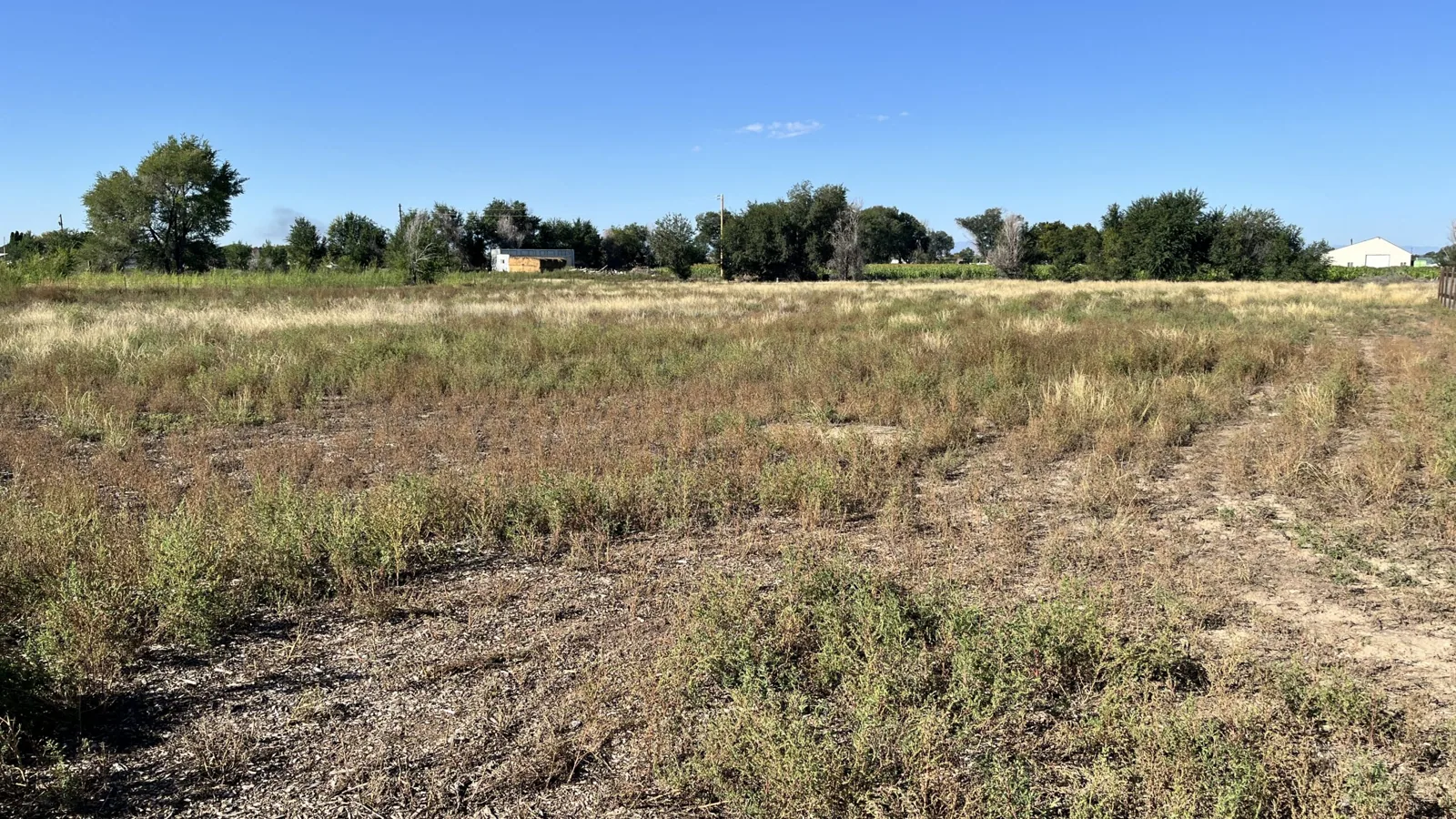
Coordinate commercial roofing in St. Charles Mesa with a property-level roof survey, delivery plan, and repair sequence for working sites.
St. Charles Mesa lies east of Pueblo and has supported regional food production for more than 130 years, with irrigated farmland served by the Bessemer Ditch. The area includes chile and vegetable production, historic farmsteads and family compounds, and newer large-lot homes. Santa Fe Drive has emerging commercial services as residential and nonresidential development pressures meet. That context supports a service-area page for actual commercial buildings and support properties; it does not establish a tenant, roof type, or condition at a specific parcel.
Roof work near an agricultural or service-commercial property needs a delivery and access plan based on its current operation. We confirm the route, laydown space, equipment access, and interior protection with the owner. The roof inspection records drainage, seams, flashing, penetrations, and the substrate where visible. Pueblo’s cold-season lows and summer heat affect the work window, but current roof readings and forecasts determine the daily sequence.
What should be confirmed at the first walk?
The first step is to match the property’s reported problem to its actual roof zone. We inspect the membrane or metal, seams, wall transitions, penetrations, curbs, drains, and edge details, then record previous repairs. If equipment, stored product, or an interior operation limits access, mark that constraint and arrange a follow-up window. A photo record should identify which details were seen and which need an opening or test before the owner selects a scope.
A commercial roof inspection provides that zone-level record. For active water, leak investigation traces the probable path through the roof assembly and drainage. If the owner needs to compare several buildings, a roof condition report can keep observed findings and urgency organized without treating different sites as one assembly.
For agricultural or commercial buildings, the owner confirms current use, access, and roof assembly at the property. We confirm whether the requested scope is a commercial facility, a business support building, or another property the company services. Current vehicle access, water-sensitive contents, and any equipment below the roof are identified by the site contact before a crew stages materials or opens a section.
How do weather and assembly affect the repair?
A single flashing failure or puncture may be a focused repair when adjoining material remains sound. If water recurs across multiple zones, insulation is wet, attachment is loose, or the deck is deteriorated, expand the investigation before recommending a full system. We inspect the layers and drainage path, then compare a repair, recover, coating, or replacement based on the findings. Hidden conditions remain separate until an opening confirms them and the owner approves the added work.
For a low-slope roof, modified-bitumen system review considers membrane condition, seams, surfacing, and prior patches. A recover assessment checks moisture, existing layers, fastening capacity, drainage, and applicable requirements. Coating may suit a compatible, dry surface with a sound substrate, but it cannot resolve ponding, saturated insulation, or weak deck sections.
Pueblo’s first measurable snowfall date averages November 5, and the last averages April 13. Before and after that season, we review drains, low points, and edge details on the specific property. The forecast and roof-surface readings determine the work window on the mesa. Current temperatures and moisture decide whether sealant or flashing work can proceed, and each opened zone needs temporary protection if conditions shift.
How should a working property be protected?
Before a delivery, confirm whether the property’s working area is active, where vehicles or equipment need clearance, and how the crew will move material from staging to the roof. Santa Fe Drive is a location reference for the district’s emerging commercial services, but it does not establish the driveway or access rules at a particular building. The owner identifies the route, lift position, laydown area, and any service path that must remain available during work.
Drainage also deserves a direct look where a site’s operation depends on a clear roof and safe access below. Inspect drains and low points, remove temporary obstructions only within the approved scope, and confirm where water discharges. If snow or rain interrupts the sequence, secure the active zone and communicate whether temporary protection remains. The daily handoff identifies who checks it and which roof section is ready for the next phase.
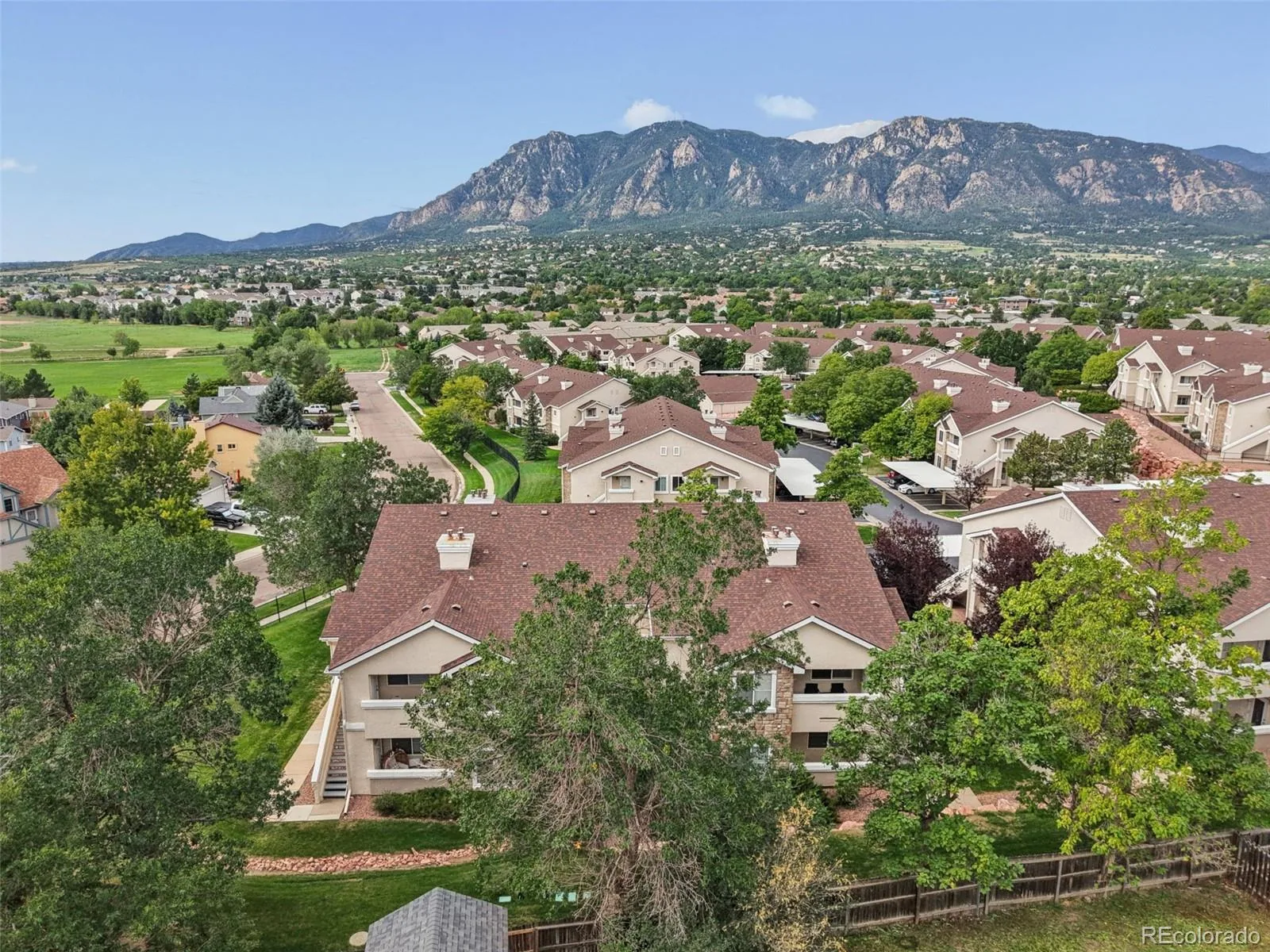
For a nearby agricultural and mixed-use context, a Lake Minnequa roof survey involves a different set of neighborhood uses. A Eastside Pueblo assessment may require access planning around another corridor. We keep each project’s route, property contact, and roof map distinct rather than assuming the mesa’s conditions are shared elsewhere.
Before the first crew arrives, confirm whether the property needs vehicle escort, a specific check-in point, or a clear zone for farm or service equipment. We put that route into the day plan along with roof access and the location for material staging. If a water-sensitive operation sits below a work area, identify the interior protection and a contact who can check the space after the crew closes the roof. A weather delay can then be managed without leaving the owner uncertain about the building’s condition.
When the crew reaches a drain, valley, or roof edge, record any debris or obstruction found and confirm what is included in the work order. The owner can authorize clearing or repair separately when the cause lies outside the defined roofing scope.
What belongs in the final work package?
Before changing an assembly, the property team confirms the parcel’s plan reviewer and current code amendments. Before modifying an assembly, verify which department reviews the parcel and which current code amendments apply. The permit path may affect insulation, attachment, or drainage choices. The roof survey separately establishes the field condition, and the proposal should state where each piece of information came from.
Closeout verifies completed seams, penetrations, flashing, and drain details against the agreed roof map. Photograph each tie-in, list any area that remained inaccessible, and note conditions kept outside the authorized scope. If the work changed after a hidden layer was exposed, include the owner’s approval and updated boundary. That makes it possible to see what was repaired and what remains a separate decision for operations or budget planning.
A maintenance visit can recheck drains and transitions after a repair. For an upcoming capital scope, roof capital planning can prioritize based on inspected conditions. The record should name who receives the photos, who can authorize further work, and what access window is available for a return visit.
Commercial Roofing Questions
Does St. Charles Mesa’s agricultural history identify commercial roof types?
No. Food production, irrigation, and farmstead use shape the area’s operations and access questions. We verify the current building use, assembly, and roof condition at the property before recommending work.
Can a roofing crew work around an active agricultural operation?
The owner confirms current activity, vehicle routes, equipment clearance, and delivery windows. We plan the lift, staging, and roof-zone sequence around those conditions and keep the approved work boundary clear.
What if a roof leak appears during a cold period?
We inspect the actual surface and substrate conditions, then determine whether a safe temporary measure or permanent repair can proceed. If material limits or weather prevent a full repair, secure the area and schedule a suitable return window.
How do you distinguish one property from a neighboring mesa site?
Each inspection record identifies the building, roof zones, access notes, and findings. Nearby farms, services, or homes do not share a roof scope unless the owner specifically includes them and they are inspected.
Arrange a St. Charles Mesa roof survey
Share the property access route, current operation, roof records, and reported issues. We will inspect the assembly, mark a measurable boundary, and coordinate deliveries and protection with your contact.
Call 555-555-5555 or email [email protected].