Home / Service Areas / Colorado City
Commercial Roofing in Colorado City, CO
Plan Colorado City commercial roofing with a property-level inspection, access sequence, and repair scope based on verified roof conditions.
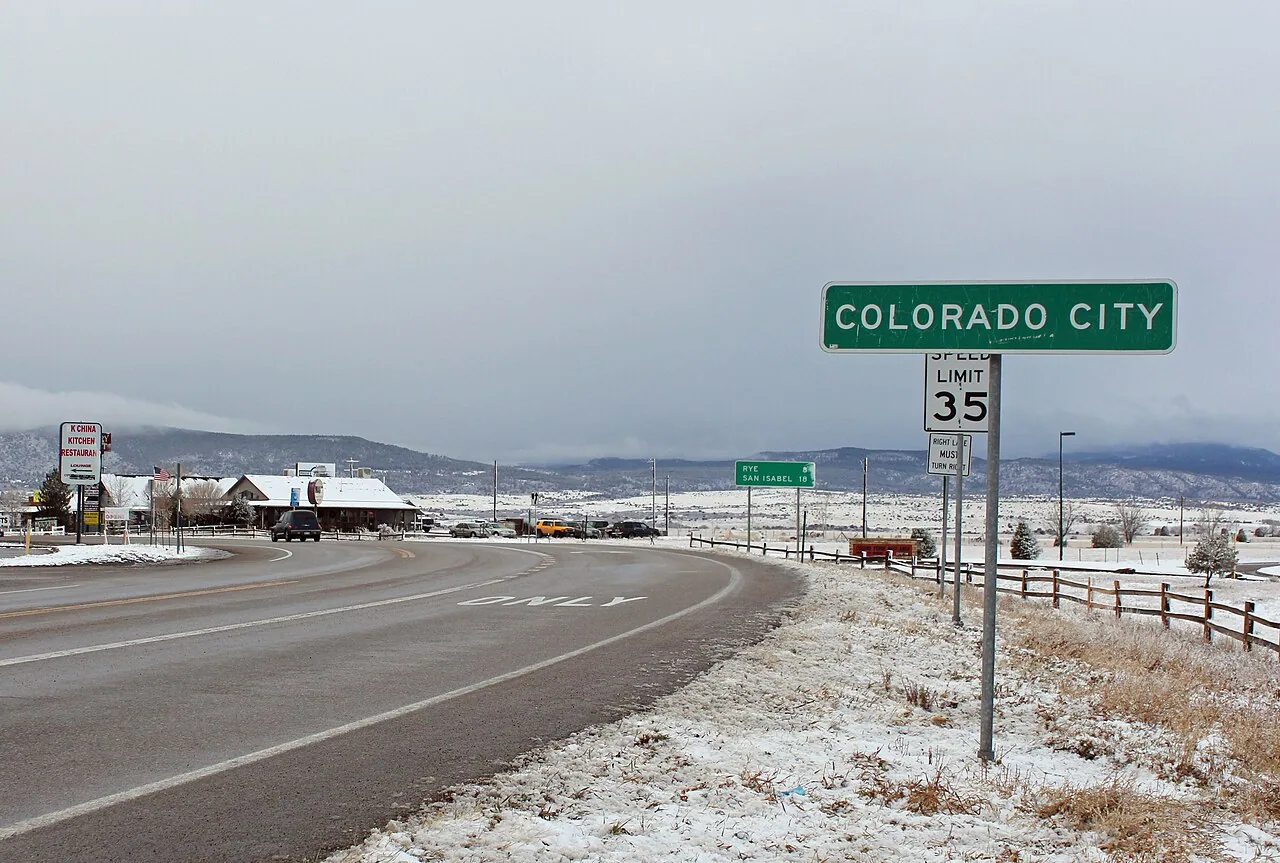
Colorado City is the southernmost community in Pueblo County and serves as the Greenhorn Valley service hub. Its commercial nodes include the I-25 interchange and State Highway 165, with existing and new services planned for those areas. The metropolitan district has 16,800 platted lots, about 13,000 of them undeveloped, and growth planning is tied to water and sewer capacity. Those facts matter to a property owner thinking about a service-area project, but they do not describe a particular commercial building or roof system. We inspect the specific parcel before pricing work.
A roof scope in this community starts with who uses the property today, how a crew can reach the roof, and what the assembly shows. The owner identifies gates, vehicle routes, water-sensitive areas, and any service operation that cannot be interrupted. Pueblo heat and seasonal cold influence material application and drainage checks, but the roof surface and forecast determine the work window. We set a measured boundary that can be protected at the end of each shift.
What does the initial assessment cover?
We locate the reported leak or damage on a roof-zone map and inspect surrounding seams, drains, flashing, curbs, penetrations, and edges. If available drawings describe another assembly, note the difference before estimating removal or attachment. Any area hidden by equipment or unavailable for safe access should be listed as uninspected. If the decision depends on hidden insulation or deck, mark where an opening can confirm it and how the building will be protected.
A commercial roof inspection records visible conditions and photographs. For active water, leak tracing tests likely routes through the assembly instead of assuming the closest detail is the entry. A condition report can separate immediate work from follow-up, and identify any finding that depends on opening the roof.
Growth planning is tied to water and sewer capacity. That planning context does not make a claim about a given site’s utility service or future construction. For a roof project, confirm current utility locations and operating needs directly with the owner before staging a lift or selecting a work area. A clear site plan shows how material moves, where runoff is directed, and which access remains available.
How do you choose a repair system?
A small flashing failure may be fixed locally if the surrounding roof field and substrate are sound. Multiple leaks or wet insulation can require a larger investigation; deteriorated attachment or deck changes the scope further. We compare patching, recover, coating, or replacement after reviewing layer count, moisture, drainage, and roof edge details. If removal exposes a condition not shown in the plans, secure the zone, document it, and request approval before adding the work.
For a metal assembly, standing-seam roof review checks panels, fasteners, clips, and transitions. A recover assessment verifies whether the existing roof can support another layer and whether moisture or attachment makes that option unsuitable. Coating is considered only on a compatible, dry surface with sound substrate and workable drainage.
Pueblo’s normal August high is 90.2°F, while the mean April low is 35.3°F. These market readings frame warm-surface limits and shoulder-season flashing work in Colorado City. We measure roof temperature and substrate moisture, then compare the day’s forecast with product instructions. That is more useful than assuming an application window from the month alone. A cold or hot condition may shift the sequence or require temporary protection until a suitable return visit.
How do the interchange and Highway 165 affect access?
The I-25 interchange and State Highway 165 help locate Colorado City’s commercial nodes, but the property’s gate, truck clearance, and unloading area still need confirmation. We review the route with the site contact, identify any vehicle movement or customer path to preserve, and set a laydown point that does not block service access. The plan should show where equipment can operate and which roof zone will be reached first.
For phased work, open only the area that can be closed watertight by shift end. Coordinate equipment, sign, and utility work before restoring membrane at curbs or penetrations. If a delivery arrives before the work zone is ready, staging can create congestion or risk. We sequence trucks to match removal and installation, and identify who can approve a change when hidden conditions are found.
A separate Pueblo West roofing review considers the Highway 50 corridor and planned hubs, while Rye commercial roof service relates to another small community nearby. We do not transfer a route, roof detail, or occupancy assumption from either town. Each project gets a site-specific access plan and field record.
For a building near a commercial node, confirm whether the roof can be accessed from the public-facing frontage or from a separate service drive. The property contact can also identify when deliveries occur and which areas need to remain open for customers, staff, or utility service. A crew should not set a lift or unload material until those details are agreed. We put the approved route and staging point in the schedule so the arrival plan matches the actual parcel.
If project timing depends on a future utility or construction phase, define what can be inspected now and what must wait. The proposal can identify a temporary repair, a return survey, or a later replacement scope without treating planned growth as an active building condition.
What should be resolved before sign-off?
Before modifying insulation or attachment, confirm which authority reviews the parcel and the current permit path. The applicable 2021 IBC, IEBC, and IECC provisions depend on jurisdiction and amendments; the property owner or design lead verifies coverage before procurement. The code check informs the assembly details, while the field survey describes existing layers and substrate. Keep both inputs visible in the proposal.
Closeout verifies completed seams, flashing, drains, and edges against the approved roof map. Photograph tie-ins, note inaccessible areas, and list any condition excluded from the authorized boundary. If a test opening changes the scope, attach the approval and revised work limit. The owner should receive a clear record of work completed, remaining protection, and any unresolved condition that needs future inspection.
A maintenance plan can revisit drainage and exposed details on an agreed schedule. Roof capital planning can help the property manager sequence larger work from condition evidence. The closeout names who receives the report, who can release a new roof zone, and when the crew can return if access is limited.
Commercial Roofing Questions
Do the undeveloped-lot figures mean my property is scheduled for construction?
No. The metropolitan district has approximately 13,000 undeveloped lots among 16,800 platted lots. Growth planning is tied to water and sewer capacity. It does not establish a construction schedule for your property; the owner confirms current plans and use.
Does the service-hub label identify my roof type?
The label is a service-area reference. Colorado City serves as the Greenhorn Valley service hub, with commercial activity at the I-25 interchange and along State Highway 165. We inspect the actual building, assembly, and reported condition before selecting a repair method.
Can a roofing project be staged near I-25 or Highway 165?
The roads orient the area, but the property contact confirms the gate, delivery route, lift placement, and staging limits. We document those conditions before ordering material or dispatching equipment.
What happens if water or sewer planning changes access?
The owner confirms current utility or construction activity, then we adjust the delivery route and work sequence. If the roof must remain closed until access is available, we protect it and schedule a defined return window.
Arrange a Colorado City roof inspection
Share the parcel access route, current operations, roof records, and reported issues. We will inspect field conditions, mark a repair boundary, and coordinate the work sequence with your contact.
Call 555-555-5555 or email [email protected].