
Home / Service Areas / Blende
Commercial Roofing in Blende, CO
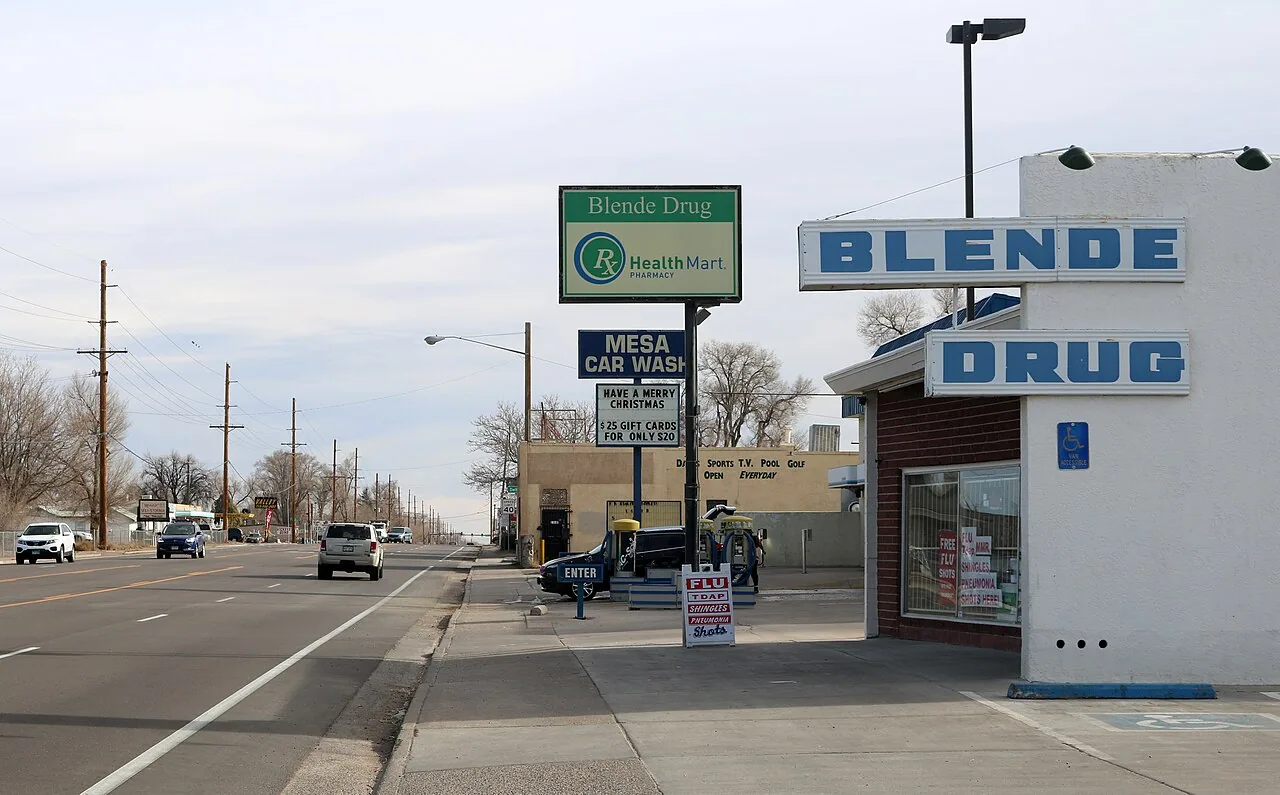
Plan commercial roofing in Blende with a property-level survey, safe access sequence, and work boundary grounded in current roof conditions.
Blende is listed as one of Pueblo County’s communities and as an unincorporated place in county budget material. Blende sits within the Arkansas River Valley, where agriculture, industry, and transportation-dependent employment areas shape regional land use. These facts establish the service-area context, not the presence, occupancy, or roof type of any one commercial building. We confirm the property and its operation directly before writing a repair or replacement scope.
For a commercial property within the service area, the first roof decision is practical: what needs repair, what can be inspected safely, and how the crew can access the roof without interrupting the work below. The site lead confirms the driveway, lift position, staging, and interior protection. We inspect seams, edges, flashing, penetrations, and drains, then record where conditions change the boundary. Pueblo weather patterns influence timing, while surface readings and current forecast set the daily plan.
What belongs in the initial roof survey?
We inspect the area tied to the reported condition and its surrounding details. Check the membrane or metal, seams, transitions, curbs, penetrations, drainage, and previous repairs. Record which zones are accessible and where equipment or safety conditions prevent a complete walk. If a hidden layer could alter the decision, note the opening needed and agree on how the building will be covered before removal starts.
A commercial roof inspection creates a measured record. When water is active, leak investigation compares the interior report with seams, wall transitions, penetrations, and the route runoff can take across this assembly. A condition report can separate confirmed defects from areas that need a test, access visit, or owner decision.
Agriculture, industry, and transportation-dependent employment all form part of the broader Arkansas River Valley economy. The property contact identifies any operation, vehicle route, or stored material that needs to stay clear of the work zone. The owner identifies the operations that cannot pause and the interior zones that need protection. We use that confirmed schedule to stage access and sequence the roof work, while recommendations stay tied to inspected conditions.
How do you define the repair boundary?
First determine whether a leak or visible defect is isolated. A puncture, loose edge, or failed flashing may be repaired when adjacent material and substrate are sound. Recurrent leakage, widespread wet insulation, weak attachment, or a deteriorated deck can point to a broader scope. We document what is verified and what is not. If removal opens a different layer stack, pause at that boundary, secure it, and present the added work separately.
For a membrane roof, PVC assembly review considers the field sheet, seams, penetrations, and tie-in details. A recover-versus-removal comparison checks moisture, layer count, and attachment before a new roof is placed. Coating can be considered only if adhesion, substrate, and drainage support the method. It cannot correct a low point or replace wet insulation.
Pueblo’s daily normals show a 93.4°F average high in July and a 15.4°F average low in January. Those figures frame the temperature range for membrane and sealant work. We measure the roof’s actual surface and substrate, check current wind and moisture, and compare with product limits. If conditions are unsuitable, adjust the application window or protect the roof until a suitable return visit.
How can access stay clear during a repair?
The owner confirms which route reaches the building, whether a lift can set up, where material can be staged, and which ground paths should remain open. Regional employment maps do not show gate clearances or truck movements at an individual property. We verify those details before dispatch and deliver material for the work zone ready that day. If another trade needs roof access, name who owns each penetration or equipment curb before the membrane is closed.
For a multi-day project, establish an opening limit for each shift. Keep drains open, cover vulnerable contents below, and record where temporary protection remains. If a delivery delay or weather hold changes the plan, send the owner a status with the secured area, the condition still unresolved, and the expected access window. The crew needs the person authorized to approve added work reachable before proceeding beyond the agreed boundary.
A Vineland roof inspection may involve irrigated farmland and an eastern employment map, while a Salt Creek survey uses a different set of community facts. We keep those properties separate from Blende. The location record, roof assembly, and access notes should follow the building actually inspected.
A property owner can shorten the first workday by preparing a roof plan, noting active leak locations, and identifying which equipment or stored contents cannot be exposed. We compare those records with field conditions rather than assuming the drawings show every repair. If no roof plan is available, take measurements by zone, label each drain and penetration, and document where the crew could not enter. The owner can then approve a measured repair without turning an incomplete inspection into a full-roof warranty or condition claim.
For a small rural site, coordinate material delivery and disposal separately. Confirm where a roll-off can sit, how debris leaves the roof, and whether there are limits on overnight staging. Those access details affect sequence and timing, while the roof condition determines the actual repair method.
What does a complete handoff contain?
Before changing an assembly, verify the parcel’s permit authority and current amendments. For a roof alteration, the property team confirms the parcel’s reviewing authority and applicable code requirements before finalizing details. Permit review informs insulation, attachment, and drainage choices. The roof inspection separately establishes existing material and field conditions. If either changes the proposed method, show the owner the updated details before ordering.
At closeout, check completed seams, flashing, edges, and drains against the roof-zone sketch. Photograph the finished tie-ins and note any area excluded or not accessed. If hidden deck damage expanded the project, include the approved change and revised boundary. The property contact should receive a clear list of what is finished and what remains for a separate repair or future budget.
A maintenance visit can revisit drainage and exposed details after the project. A capital plan can use findings to sequence other work. The closeout names who receives the report, who controls access, and when the next walk can occur.
Keep closeout photos labeled by roof zone and date, especially when different trades touch a penetration or drain. The record should state which detail the roofer completed and what remains assigned to the property team or another contractor.
Commercial Roofing Questions
Does Blende’s regional setting identify a commercial roof at my address?
No. The community’s broader setting includes agricultural, industrial, and transportation-dependent activity. We verify a specific property’s current use, assembly, and condition before preparing a commercial scope.
Can roof work proceed while site operations continue?
The owner confirms access, operating windows, and interior protection needs. We set a measured work boundary, sequence separate roof areas, and leave each opened section secure at shift end.
When would a recover system be considered?
After layer count, moisture, attachment, substrate, drainage, and code path are checked. We compare recover with removal only when the existing assembly can support the option. The inspection should show how each condition was established.
How is added work approved if the deck is damaged?
The crew stops at the opening, protects the building, photographs the field condition, and presents a separate scope. The owner approves the revised boundary before the crew proceeds.
Schedule a Blende commercial roof survey
Share the property use, access route, roof records, and reported damage. We will inspect the assembly, define a measured boundary, and coordinate staging with your site contact.
Call 555-555-5555 or email [email protected].