
Home / Service Areas / Salt Creek
Commercial Roofing in Salt Creek, CO
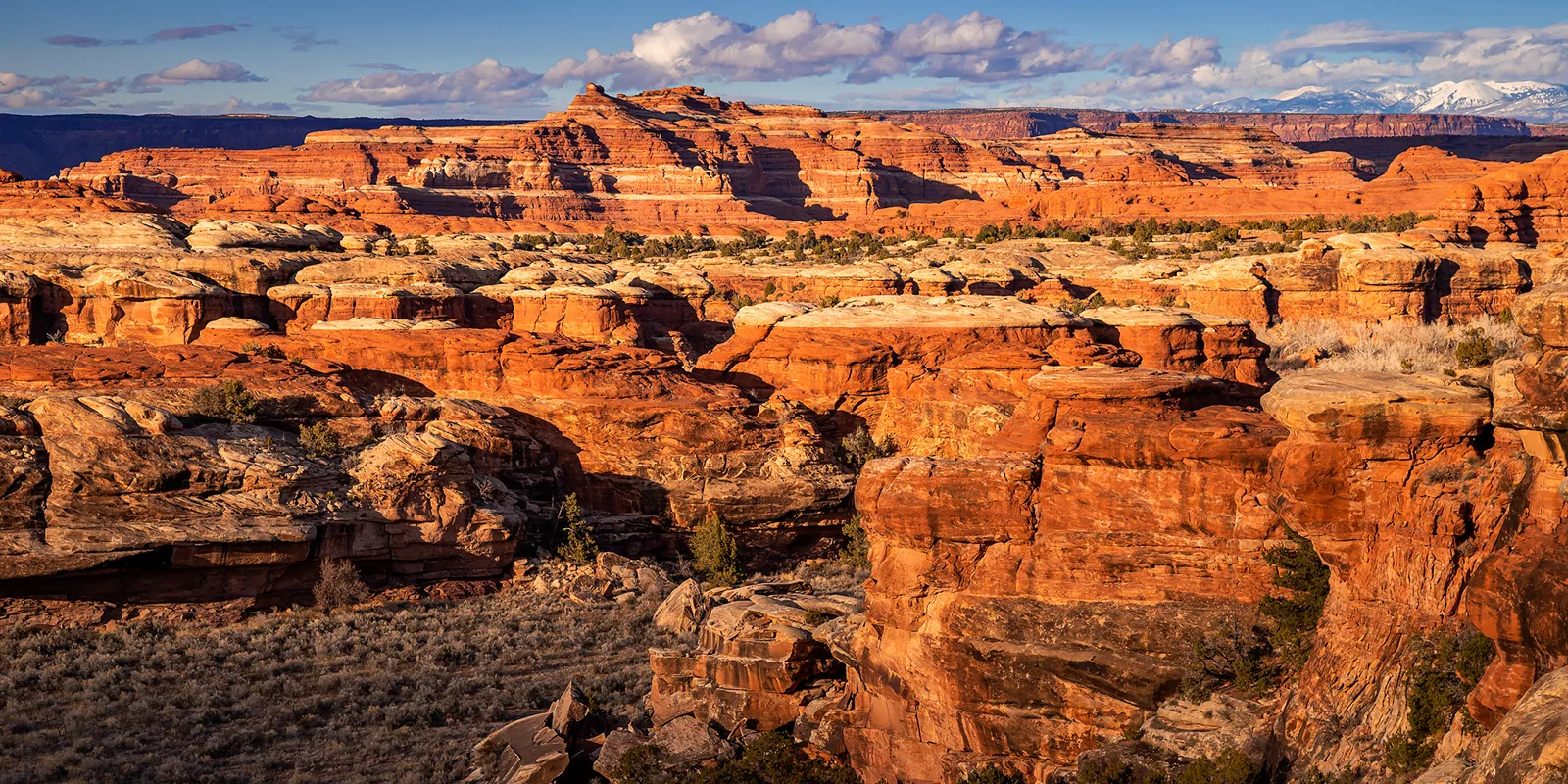
Plan Salt Creek commercial roofing with a property-level survey, agricultural-service coordination, and a repair scope based on inspected conditions.
Salt Creek is recognized as one of Pueblo County’s communities. Agriculture is present in portions of the Salt Creek Opportunity Zone, and Pueblo County has regional strengths in vegetables, melons, and cattle. County budget material also names a Salt Creek sanitation district, confirming a local service context. These facts do not identify a specific commercial tenant or roof assembly. We verify the actual property, current use, and operating constraints before recommending repair or replacement.
A commercial service roof in an agricultural area must be planned around the building’s access, equipment, and contents. The owner confirms where deliveries can unload, which routes must remain clear, and whether a room beneath the roof needs protection. We inspect seams, flashing, penetrations, drains, and prior repairs, then mark a boundary that can be closed securely at the end of the shift. Pueblo’s regional climate and current forecast inform when an adhesive, sealant, or coating can be installed.
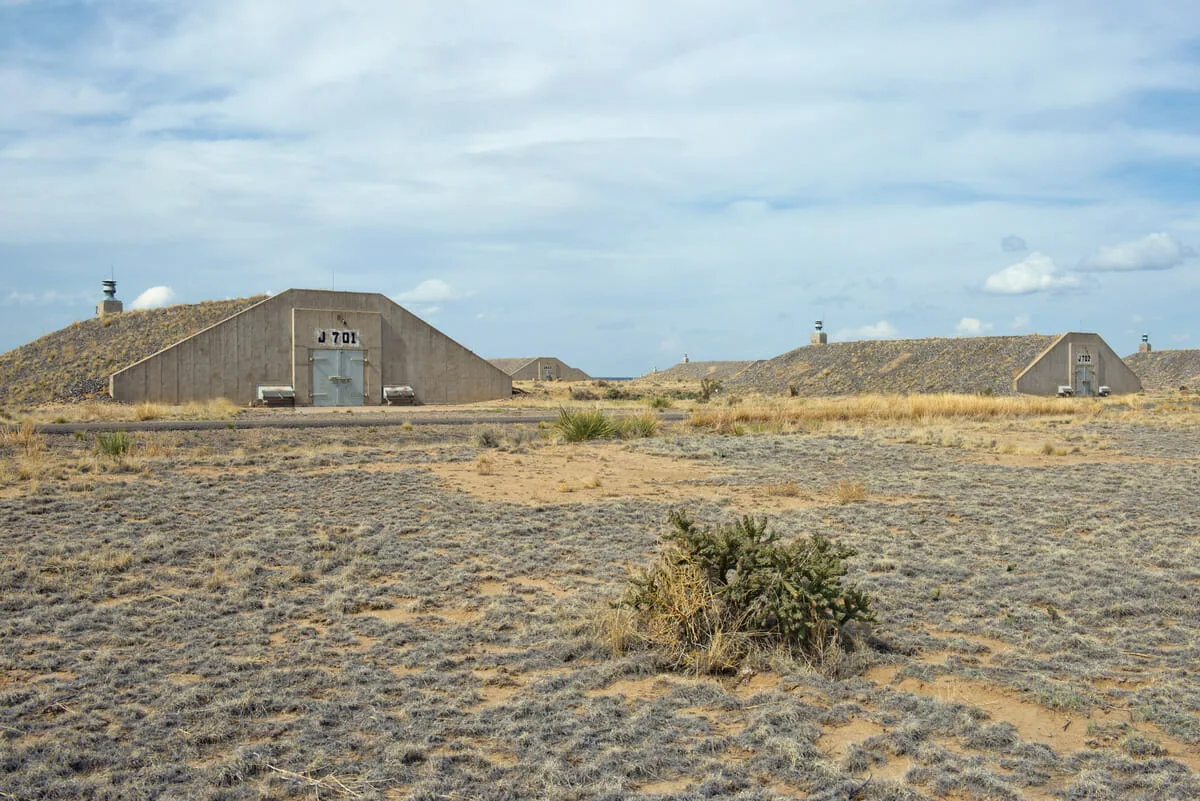
What should be verified before a scope is priced?
Locate the reported leak or defect and inspect the surrounding roof zone. We check the membrane or metal surface, seams, edges, penetrations, curbs, drains, and earlier patches. Identify any equipment or operation that restricts access, then mark areas that were not inspected. Where hidden insulation or deck condition could change the recommendation, note where an opening is required and how the building will remain protected during the test.
A commercial roof inspection can tie photos to a roof-zone sketch. For active water, leak tracing considers the assembly and drainage path rather than assuming the interior mark is directly under the entry. A condition report helps the owner separate confirmed work from areas that need another visit or direct opening.
The sanitation district is a local service fact, not a statement about a roof’s drainage system or utility connection. The property contact verifies current services and any scheduled work near the building before the roofing crew mobilizes. We record the approved route, lift position, and laydown area separately from the roof condition so an access change does not alter the repair diagnosis.
For a building with several roof levels, document each separately and identify how water passes between sections. A drain or edge problem in one area does not establish the water-entry point in another zone; inspect each location before setting the repair boundary. We mark the observed route, the likely transition, and the point where more access is needed before recommending a repair.
How do we compare the available roof systems?
An isolated seam failure or flashing split may be repaired when surrounding material and substrate remain sound. Recurring leaks, wet insulation, loose attachment, or deck deterioration can justify a broader review. We inspect layer count, drainage, edges, and tie-ins, then compare repair, recover, coating, or replacement. If tear-off exposes a condition not shown in the records, pause at the work boundary, protect the building, and present the changed scope for approval.
For a membrane assembly, EPDM system review checks seams, penetrations, and repair compatibility. A recover-or-removal evaluation looks at moisture, attachment, and existing layers before another system is considered. A coating requires a compatible dry surface and sound substrate; it will not correct ponding, saturated insulation, or failed edge drainage.
The National Weather Service’s Pueblo office maps hail and tornado patterns across southeast and south-central Colorado. This regional context cannot confirm impact at a Salt Creek building. Following a reported storm, inspect seams, edge metal, and visible marks on the actual roof, then tie each photograph to its location. Current wind and moisture still determine whether a repair can be completed that day.
How can roofing fit an agricultural workday?
The property owner identifies when equipment, deliveries, or service vehicles move through the site. We coordinate staging so roofing materials do not block the approved route and confirm whether a lift can reach the work area without crossing an active operation. If the building stores product or supports a business process, define interior protection and the roof zone above it before removal. Those controls are based on the property’s actual use, not the county’s broad agricultural description.
For a larger job, phase the roof into areas that can be made watertight before the crew leaves. Keep drains accessible, coordinate penetrations with other trades, and name the person authorized to approve extra work. If a field opening finds wet insulation or a different deck, photograph the condition and secure the area while the owner considers the change. A clear stop point lets the operation below continue with a known roof status.
A roof survey in Avondale can help compare an agricultural-service context, while a Vineland inspection has its own irrigated-farmland and employment map. They are separate service areas with distinct access. We do not apply one property’s assembly, drainage, or work schedule to another.
A roofing visit should also establish how the property will be secured overnight if removal is phased. We identify where loose membrane or insulation can be stored, how the open roof will be covered, and who checks it after a weather alert. If an operation below needs a specific service entrance, keep that route out of the staging footprint. Put the approved access and stop point on the work sketch so the crew and owner use the same boundary.
At closeout, compare the amount of roof completed with the scheduled phase and note any work left for the next visit. If a weather hold changes the access window, the property contact should know what protection remains and which decision is needed to resume. That keeps a limited commercial scope from becoming an open-ended interruption.
What should be left with the property owner?
Before changing insulation or attachment, confirm the parcel’s review authority and current amendments. The owner or design lead verifies the parcel’s reviewing authority and current code amendments before changing insulation, attachment, or drainage. That permit path informs assembly details but does not reveal the existing roof layers. The proposal should keep code questions and field findings distinct.
At closeout, inspect seams, flashing, edges, and drains against the approved roof map. Photograph completed tie-ins, note any area outside the boundary, and record temporary protection that remains. If the scope changed after removal, attach the owner’s approval and revised work limit. This lets the property team distinguish finished work from the next inspection or budget item.
A maintenance inspection can recheck drainage and exposed details after the repair. Capital planning can sequence future work using verified findings. The final handoff identifies who receives the photos and who can authorize a return visit if a leak or access issue is reported.
Commercial Roofing Questions
Does the agricultural opportunity-zone description identify businesses at my property?
No. The Salt Creek Opportunity Zone includes agricultural activity, while Pueblo County has regional strengths in vegetables, melons, and cattle. We confirm the current operation and roof assembly for the specific property before preparing a scope.
Does the Salt Creek sanitation district tell you how my roof drains?
That budget reference confirms an organized service district, but roof drainage must be observed at the building. We inspect drains, low points, and discharge paths during the roof walk.
Can you work while equipment or deliveries are moving?
The property contact sets the safe route and operating windows. We stage materials by roof zone and coordinate any restriction before removal, keeping the agreed service paths clear. That approval is recorded before the crew arrives.
What happens if hail is reported nearby?
A regional weather record does not prove that a particular roof was struck. We inspect the property for visible impact or displaced details, document the findings, and recommend work from the actual condition.

Arrange a Salt Creek roof inspection
Share the property’s operating schedule, access route, roof records, and known leaks. We will inspect the assembly, mark the work boundary, and coordinate staging with your site contact.
Call 555-555-5555 or email [email protected].