
Home / Service Areas / Vineland
Commercial Roofing in Vineland, CO
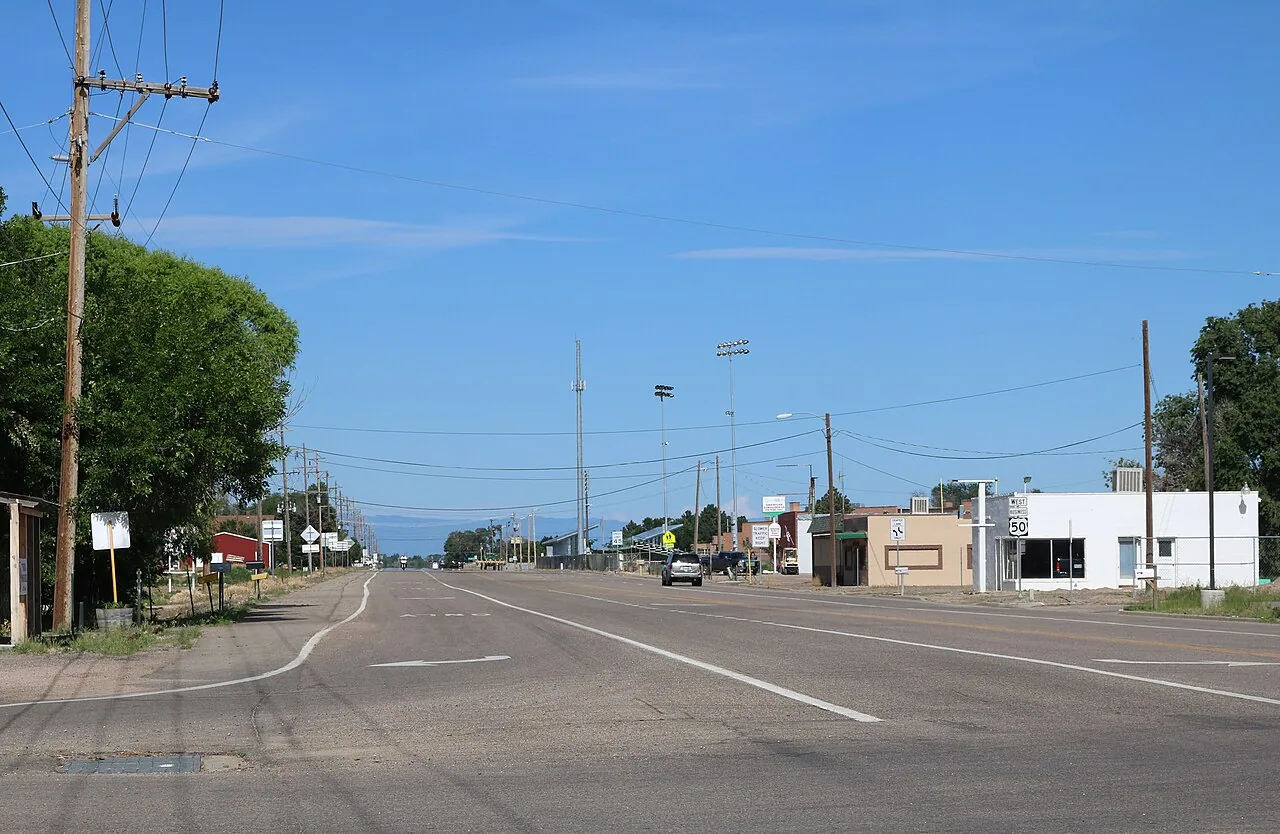
Plan Vineland commercial roofing with a measured survey, agricultural-access coordination, and a repair scope grounded in verified roof conditions.
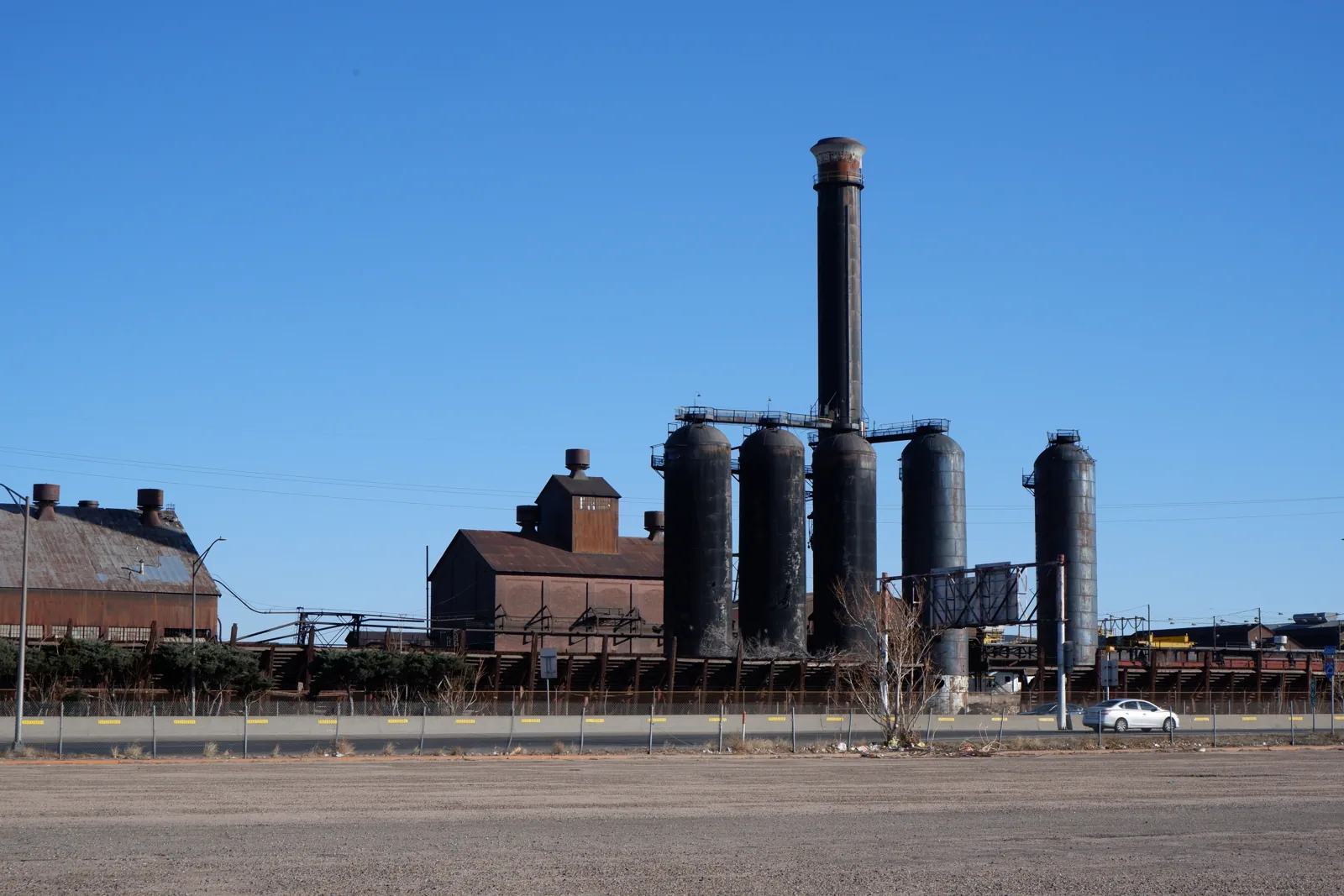
Vineland is one of Pueblo County’s communities, with prime irrigated farmland connected to the Bessemer Ditch system. Vineland lies near Pueblo’s eastern employment and transportation-dependent industrial area. Those facts give the service area an agricultural and logistics context, but they do not identify a particular commercial property, current occupant, or roof system. We confirm the building and its operation before setting a scope.
For a roof serving a business or agricultural support function, the work starts with the site’s actual access, stored materials, and drainage. The owner confirms a delivery route, staging area, and the spaces below the roof that need protection. We inspect seams, penetrations, edges, and water paths, then mark a boundary that can be secured at the end of the shift. Pueblo’s hot and cold seasons influence application windows, while the roof reading and forecast decide the day’s sequence.
What does the property inspection establish?
Locate the reported leak or deterioration, then inspect nearby roof details before drawing the repair line. We check membrane or metal condition, seams, flashing, drains, penetrations, curbs, and visible patches. If the roof covers equipment or stored product, the site lead identifies interior protection and any operation that cannot stop. A zone map distinguishes conditions seen from areas blocked by equipment or requiring an opening to verify layers.
A commercial roof inspection records findings and photos by roof area. For active water, leak investigation follows the probable path across the assembly and drainage rather than assuming the interior mark is directly below it. A condition report can separate confirmed repairs from follow-up work that depends on an opening or another access window.
The Bessemer Ditch serves the area’s agricultural setting; the property contact confirms roof access, drainage, and operating conditions at the building. We confirm the actual route, staging point, and water discharge with the property contact. If equipment or a truck must cross an active work area, agree on the time window before roof materials are delivered.
How do the roof layers affect the recommendation?
A single puncture or failed flashing may be repaired if surrounding material, attachment, and substrate remain sound. Recurring leaks, wet insulation, loose fasteners, or deteriorated deck can move the project beyond a spot repair. We inspect the layer stack and drainage, then compare patching, recover, coating, or replacement. If removal reveals another layer or hidden damage, pause, secure the exposed area, and show the owner before adding scope.
For an existing metal roof, metal retrofit review checks panel condition, fasteners, framing, and perimeter details. A recover-or-removal assessment weighs moisture, layer count, attachment, and drainage before covering existing material. Coating requires a compatible, dry surface and sound substrate. It does not redirect ponding or repair a weakened deck.
Vineland’s irrigated agricultural setting makes the property’s operating calendar important to seasonal work planning. Before opening a roof zone, we measure surface conditions and review current moisture, wind, and temperature against product limits. If the application window is unsuitable, we protect the building and reschedule instead of relying on a seasonal average. Confirm irrigation schedules and haul routes with the property contact before mobilization.
How should a crew work around agricultural operations?
Before mobilization, the property contact identifies active equipment routes, delivery timing, and where material can sit without restricting daily work. The plan’s agricultural context does not mean every Vineland parcel has the same production activity. We confirm whether a roof supports equipment, storage, or another service use and identify any contents below that need cover. The truck route, laydown point, and lift position go on the site plan before a delivery is dispatched.
For a larger repair, phase removal into areas that can be closed watertight by the end of a shift. Keep drains clear, coordinate any equipment shutdown, and name who can approve a scope change. If weather or site operations pause the work, record the secured zone, temporary protection, and the condition that remains unresolved. That gives the owner an operational handoff rather than a general note that the crew will return.
A Vineland-area roof comparison with Avondale can help a portfolio manager organize nearby records, while a PuebloPlex roof survey reflects a separate transportation-dependent property context. Each building gets its own roof map and access assumptions. Agricultural geography or regional employment planning does not carry over a repair recommendation from one property to another.
When a site has separate building and yard operations, map the roof crew’s route so it does not cross a loading lane or equipment work area at the same time as a delivery. We confirm where a vehicle can turn, what surface can hold a lift, and how long material may remain staged. If those conditions change during the project, update the access plan before unloading rather than moving equipment into an unapproved area.
For an urgent leak, distinguish temporary protection from permanent repair. We identify whether the interior needs immediate cover, whether the roof surface is suitable for a lasting detail, and what access is needed for a complete inspection. The owner receives a status with the secured area and the next decision, which is useful if weather delays the return visit.
When the roof sits beside working fields or storage yards, keep the contractor’s staging boundary distinct from irrigation controls, farm vehicles, and materials that must remain accessible. The owner or operator sets those limits before delivery. A weather delay may shift the work window, so agree on a protected stop point and a reliable contact for reopening the area without disrupting the next operating period.
What belongs in the closeout record?
The owner or design lead confirms the parcel’s permitting authority and current amendments before an assembly change. Before changing insulation, drainage, or attachment, the owner or design lead confirms which authority reviews this parcel and which amendments apply. Permit requirements shape the proposed assembly; a separate field inspection documents the layers and conditions actually present. The work scope should reconcile those two inputs before materials are ordered.
The closeout walk compares the completed repair with the agreed zone boundary and verifies the transitions opened during the job. Provide dated photos, note any area left inaccessible, and identify conditions outside the approved scope. If removal changed the work limit, include the owner’s authorization so the property team can distinguish this repair from later work.
A maintenance visit can check drains and transitions after the repair. For more than one facility, capital planning can rank work from inspection evidence. The handoff names who receives the photos and report, who controls access, and what window is available if the crew needs to return.
Commercial Roofing Questions
Does the Bessemer Ditch fact show where roof water drains?
No. The plan connects Vineland’s farmland with that agricultural system, but a building’s roof discharge must be inspected and confirmed with the property owner.
What is meant by Vineland’s transportation-dependent employment context?
The community sits near Pueblo’s eastern employment and industrial area. It does not identify a business at the property; we verify the current use and access before planning roof work.
Can a repair be completed while equipment or stored goods remain inside?
That depends on the work area and interior protection. We coordinate contents, access, and any equipment shutdown with the site lead before opening the roof, then work by a boundary that can be secured each day. and what remains outside the work boundary. in advance. onsite.
What if the roof deck is different from the plan?
We stop at the opening, protect the building, and document the field condition. The owner reviews the changed scope before additional deck or insulation work proceeds.
Arrange a Vineland roof survey
Share the property’s operation, access route, roof records, and known leak areas. We will inspect the assembly, define a measured boundary, and coordinate staging with your contact.
Call 555-555-5555 or email [email protected].