
Home / Property Types We Roof / Government Building Roofing
Government Building Roofing in Pueblo, CO
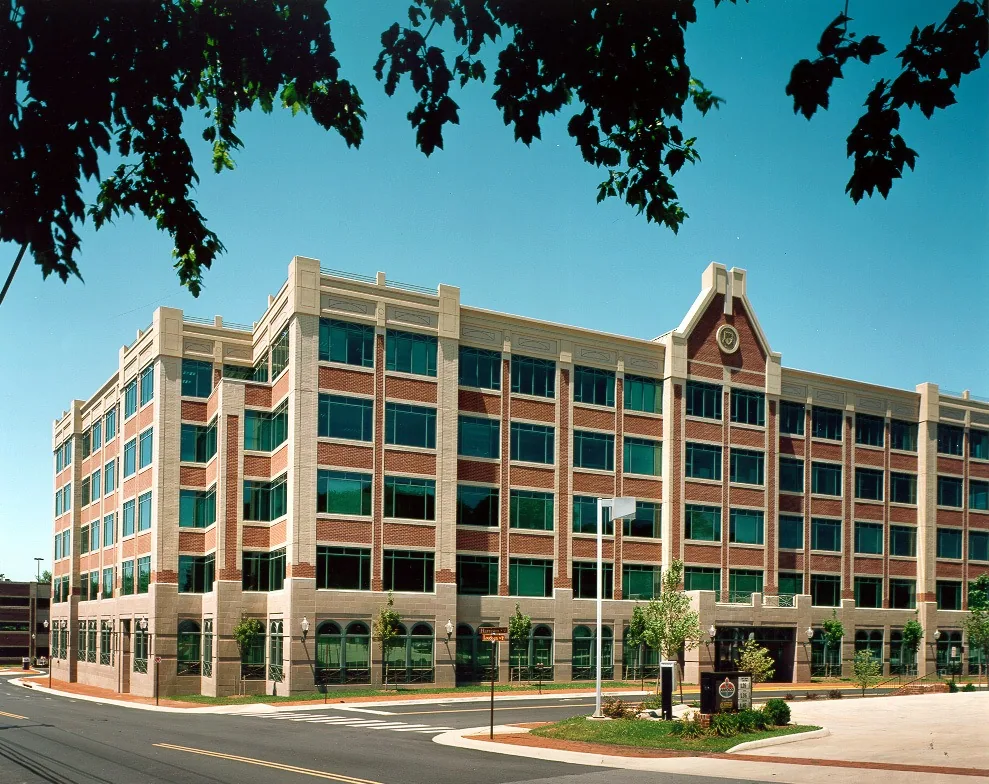
Plan municipal roof repair or replacement in Pueblo, CO around public access, records, service hours, code review, roof drainage, and controlled work zones.
A public counter cannot close because a roof crew has reached its loading point. Before repair or replacement, we identify the public entrance, staff circulation, records or equipment below, and any service hours that constrain roof access. We inspect the assembly and reported defects, then mark which zone can be opened, how it will be protected, and who receives a daily status. That sequence gives the building contact a defined handoff rather than a general promise to keep operations moving.
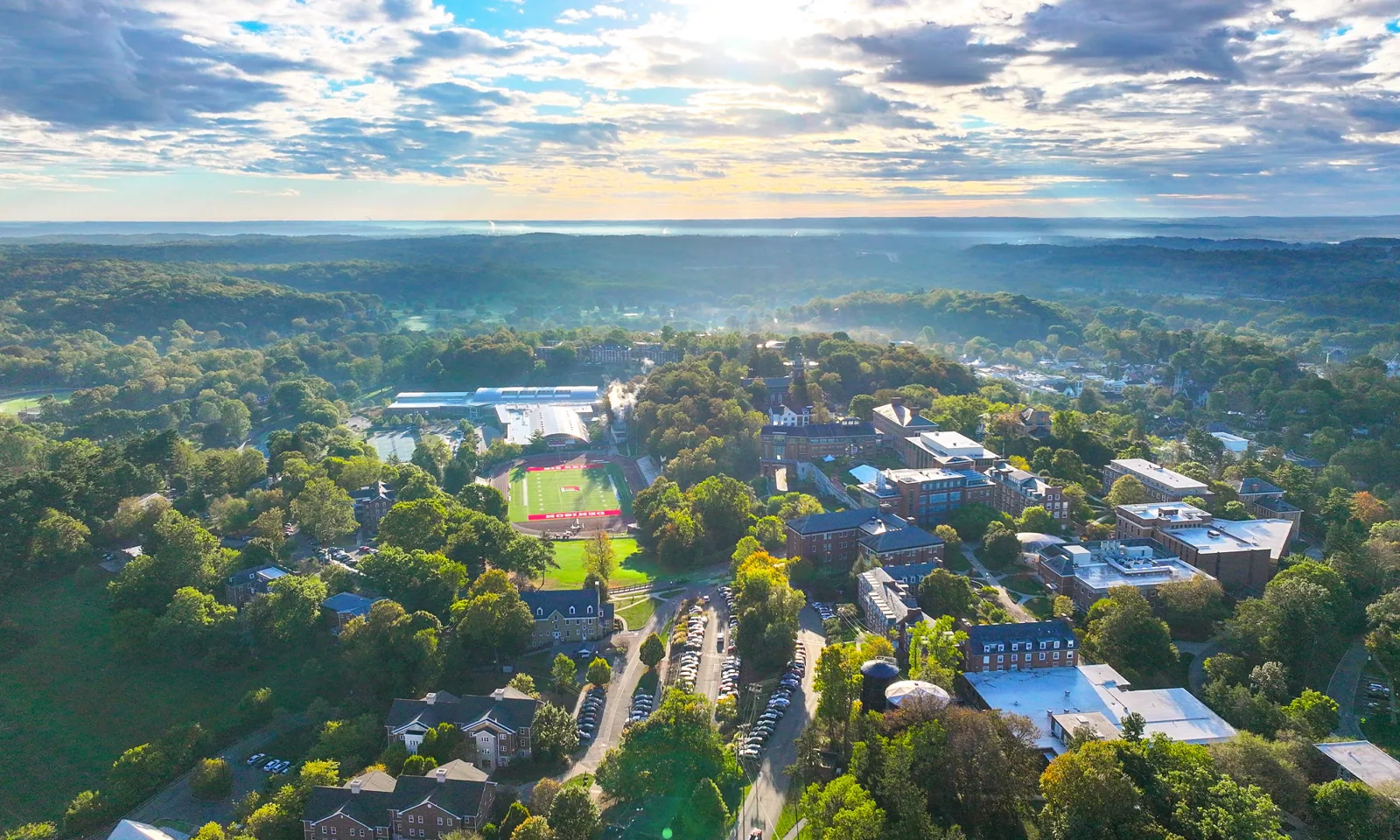
Government and civic properties in Pueblo sit in varied settings. Downtown Pueblo includes storefront and mixed-use buildings. EVRAZ Industrial District is a major employment area with manufacturing and rail activity. Downtown streets and rail-served industry present different delivery and staging conditions. We confirm the facility entrance, receiving area, security procedure, and roof access with the site contact before pricing work.
What should the first roof inspection establish?
Start with the reported leak or maintenance concern and identify the room, office, public area, or equipment affected below. We trace the likely water path across roof slope, seams, drains, curbs, wall transitions, and edges. Separate additions may use different systems, so observations are labeled by roof zone and assembly. A patch that crosses from one material to another needs a compatible tie-in; it should not be copied across the building without checking the field condition.
For a building with restricted rooms or sensitive operations, the facilities contact can identify the approved escort, access window, and areas that cannot be photographed. A condition inspection records visible defects and recommends where concealed materials need verification. If active water needs containment, leak repair can address the confirmed point while preserving a clear boundary between roofing and interior restoration. A separate photo condition report can help the owner track observations and compare future budgets, provided the plan includes that deliverable.
How can public access continue during roof work?
Set work zones against public hours, staff shifts, hearings, permit appointments, and scheduled deliveries. If a lift, crane, or debris container changes a sidewalk or parking area, the owner needs a location-specific access plan and a date for reopening that route. Identify a fallback entrance only after the building contact confirms it is accessible and appropriate. Roof crews can then move equipment without blocking fire access or disrupting a service counter.
For larger projects, stage the roof by section and define a watertight stop point at the end of each shift. Occupied-building sequencing can limit exposed area and coordinate interior protection. A response visit can stabilize urgent water entry while a permanent scope is reviewed. Downtown Pueblo’s historic commercial area has evolved through multiple eras of storefront and mixed use; older building contexts make it especially important to inspect transitions rather than assume the roof matches current records. An individual public site still needs its own access and construction rules documented.
Which permit details should the owner confirm?
Before settling insulation or attachment details, determine which authority reviews the parcel and what documents the permit submittal requires. A public owner confirms which department reviews the parcel and which current code editions and amendments govern the work. The roof scope can identify the code-related decisions without assuming the same review path for every public entity.
A complete package can describe the existing system, proposed materials, attachment or recover approach, drainage changes, and any structural review still needed. A recover comparison should state whether the existing assembly and substrate can support the approach. Near EVRAZ Industrial District, manufacturing and rail activity can shape delivery coordination. The owner confirms parcel operations and secure access. The project contact can coordinate submittal responsibilities with the design and construction teams before mobilization.
How do repair and replacement scopes differ?
A localized seam, coping, or flashing defect may be repaired where the adjacent roof remains serviceable. If leaks recur across multiple roof zones or insulation and deck findings extend beyond one detail, compare larger repair and replacement options. We identify measurable quantities, affected areas, membrane transitions, and what is excluded, then price hidden conditions separately. That lets the owner review the decision without treating an uncertain condition as approved work.
A replacement scope should show tear-off boundaries, insulation, membrane, edges, penetrations, and closeout. If only a smaller area is confirmed, edge-metal and coping repairs can define a narrow solution. Water at drains or scuppers requires a different assessment; a drainage scope can distinguish blocked outlets from a damaged membrane or slope concern. Keep the work order, public notice, and field change process aligned so the installed work stays within authorized boundaries.
Set the daily sequence around public service windows: roof access, material staging, and noisy work should be coordinated with the facility contact before crews arrive. Confirm which entrance remains open, where deliveries may pause, and how a temporary change will be communicated to staff. These details make the work zone easier to supervise while preserving a clear route for visitors.
Set the daily sequence around service windows: roof access, material staging, and noisy work should be coordinated with the facility contact before crews arrive. Confirm which entrance remains open, where deliveries may pause, and how a temporary change will be communicated to staff. This gives the site lead a practical way to supervise public access while keeping each roof-zone boundary clear.
What records help public owners manage the next cycle?
At closeout, provide the facility lead with the completed work zone, materials and details installed, photographs allowed by the site rules, and any condition not included in the contract. Tie each record to an understandable roof location and note the final stop point. If a concealed defect changed the quantities, document when it was found and how the owner authorized the change. This helps staff respond to future reports without implying that adjacent areas were repaired.
The owner can maintain a separate list of open observations, warranty documents supplied by the manufacturer, and dates for later inspections. A maintenance inspection can check drains and transitions before seasonal weather. For another public-facing building context, school roof phasing and church roof planning also considers public circulation, although its student schedule differs from a government counter or civic meeting calendar. We close with the action that belongs to the owner, such as monitoring a room, approving a follow-up area, or budgeting a later phase.
Where maintenance responsibility is shared between departments, identify who holds the roof plan, who accepts closeout photographs, and where open observations should be logged. The handoff can also name any access credential or escort requirement for a later visit without publishing site security details. That record gives the next facilities lead a usable starting point when a new leak report arrives.
Commercial Roofing Questions
Can a public building keep its service counter open during roofing?
Often, if the roof work and ground access can be separated from public routes. We map the active area, noise window, debris path, and temporary closure plan with the facility contact. The owner decides which entrance or counter remains open and communicates any public notice under its own procedures.
What should a public owner include in a roofing bid scope?
Define the roof zones, existing assembly information, access and security rules, occupied hours, interior protection, and required closeout records. The scope should also explain how concealed deck or insulation conditions will be documented and approved before additional work is performed.
Does Pueblo’s adopted code apply to every government property?
Public ownership does not by itself determine the reviewing authority; confirm the parcel’s permit path before specifying the assembly. Identify the project authority and current amendments before relying on a code assumption in the bid.
How are emergency leaks handled before a full project is approved?
We locate the active entry point where conditions allow, protect the affected interior, and describe a limited stabilization scope. The owner can then review a permanent repair or replacement separately, with confirmed conditions and concealed risks kept distinct.

Set a roof walk with the facility contact
Bring public-access hours, security and escort rules, leak reports, prior roof records, and procurement requirements. We will define the inspected zones and a work sequence for review.
Call 555-555-5555 or email [email protected].