
Home / Property Types We Roof / Fitness Center Roofing
Fitness Center Roofing in Pueblo, CO
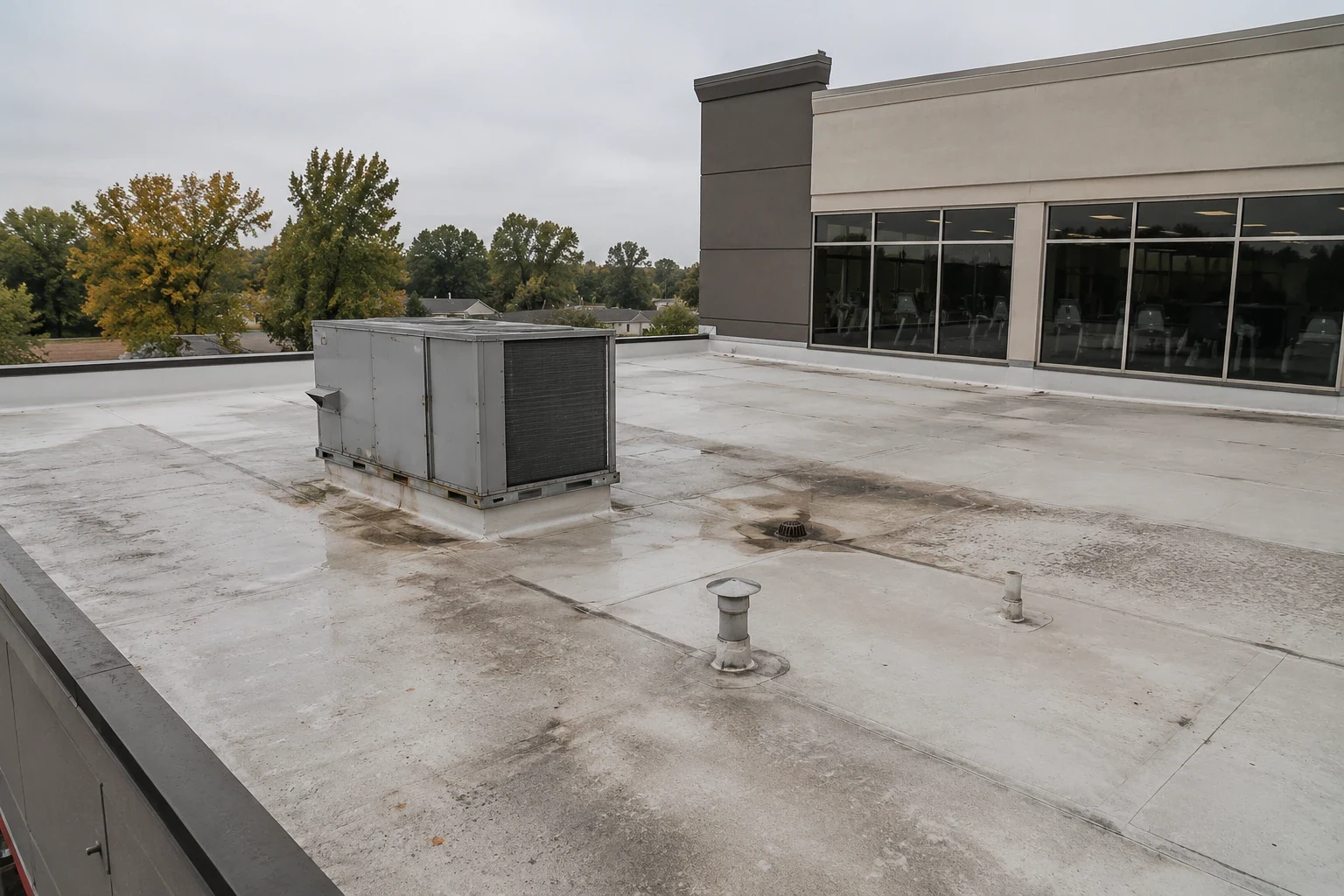
Plan fitness center roof repair in Pueblo, CO around class schedules, member access, mechanical equipment, drainage, and seasonal weather windows.
A member complaint about water near a studio or locker room needs a roof-zone check before the space is closed for repair. We trace the report against membrane seams, HVAC curbs, drains, wall transitions, and earlier patches. Then we coordinate the work boundary with the facility manager, including classes, equipment access, and the route members use to enter. A roofing schedule should identify what changes for staff and members on each workday.
The Colorado State Fair and Events Center District occupies a 100-acre South Pueblo site and hosts concerts, exhibits, car shows, agricultural events, and other gatherings beyond the annual fair. Downtown Pueblo’s commercial area includes historic storefronts and mixed uses. These public activity contexts help illustrate how use calendars and access patterns vary in Pueblo; they do not describe the schedule or roof of an individual gym. We confirm class times, peak member periods, loading rules, and any areas below the roof that require protection before opening an assembly.
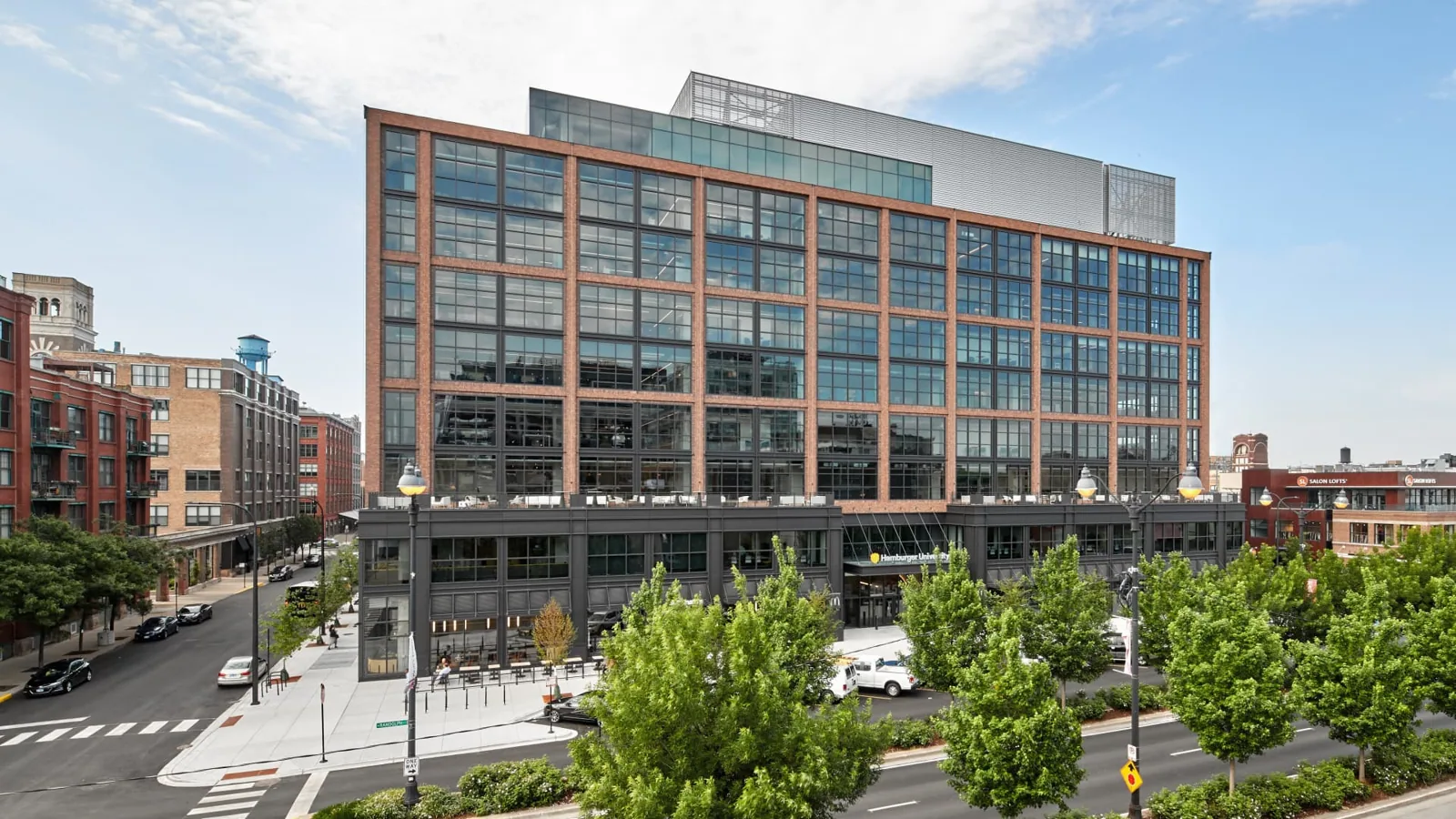
What roof details affect studios and training areas?
Rooftop ventilation, exhaust, and cooling equipment can produce several penetrations above a fitness floor. We inspect curbs, flashing, seams, fasteners, and nearby drains, then compare the roof condition with the reported ceiling or wall mark. If a studio has high humidity or a shower area below, condensation and plumbing should be considered alongside rain entry. The report identifies evidence for each possibility instead of treating every interior mark as a membrane failure.
Where equipment has moved or been replaced, verify whether the curb and flashing were adjusted with the roof. A curb and support review can coordinate that transition, while a roof inspection maps the surrounding assembly and drainage. If the facility plans new rooftop equipment, solar-ready planning can identify details that should be coordinated before a separate trade installs supports. The project lead can then distinguish current failures from penetrations that may be changed by future work.
If the building includes showers, locker rooms, or a natatorium, the interior humidity and ventilation schedule can affect what the facility team observes below a roof zone. We ask when exhaust or HVAC equipment runs and whether it changed near the reported moisture. That information does not replace a membrane inspection, but it can help separate rain entry from condensation before the scope assigns work to the roof.
How should a gym schedule roofing around classes?
List the class schedule, open gym periods, youth programming, deliveries, and any booked events before selecting a roof zone. Noise from removal can disrupt a class even when the floor below is protected. If a lift or debris container changes a member route or parking area, facility staff should approve its location and communicate the restriction. We set an access window and daily closeout so the manager can plan staffing around the portion of the building under active work.
A roof project can be phased by wing, studio, or roof plane when the conditions permit. Occupied-building phasing defines work limits, interior protection, and the daily dry-in target. If a leak becomes active before a project is approved, a stabilization visit can secure the immediate area while the owner reviews a permanent scope. For school recreation buildings, school roof sequencing addresses a separate calendar and student-access context; the gym’s member notice and class schedule still need property-specific coordination.
Which repair or replacement path fits the roof?
A single failed seam, penetration, or edge detail may support a localized repair if adjacent material remains sound. Multiple leaks, saturated insulation, repeated patches, or a failing drainage pattern across the building can require a broader comparison. We inspect the material, attachment, substrate indicators, and transitions, then measure the work area. The recommendation should explain what evidence favors repair and what condition would make replacement more appropriate.
A repair scope can address the confirmed detail with compatible materials and a clear tie-in. When the roof has widespread issues, replacement planning can describe removal, insulation, membrane, edge details, and access phasing. If ponding is reported after storms, separate outlet or slope work from membrane renewal. A drainage assessment can locate whether a blockage, damaged drain connection, or field condition is driving the problem. Any concealed deck issue remains a separate approval point.
How do heat and snow change a fitness roof project?
Pueblo’s July average high is 93.4°F, and its 30-year average seasonal snowfall is 28.3 inches. Heat changes roof-surface conditions and the work window; snow and freeze-thaw periods affect access, water movement, and how a roof closes after a repair. We check the current forecast before material is removed, keep temporary protection ready, and agree on a stop point that can be made watertight. A class schedule should flex around the verified weather and roof condition.
The permit path should be checked before final assembly details are set. For a project under Pueblo Regional Building Department jurisdiction, the current editions are the 2021 building, existing-building, and energy codes. Confirm parcel review authority and amendments before finalizing the assembly. After precipitation, inspect the drain, membrane, and nearby penetrations together. A roof restoration evaluation can be considered only after verifying substrate and adhesion; a coating should not conceal wet material or a failing assembly. Clear findings help the manager compare a limited repair with work that affects a larger share of the facility.
What should the facility manager receive?
At closeout, provide the roof zones addressed, material and detail notes, photographs, and any observed condition left outside authorization. The manager can pair that record with the class or room affected, then monitor a specific ceiling or equipment transition after the next rain. If a temporary stabilization was used, state what it protects and what permanent decision remains. Do not describe adjacent roof areas as repaired when they were not part of the approved scope.
A future maintenance visit can review drains, flashings, and rooftop equipment supports as a separate service. For a different institutional facility, college roof planning also coordinates occupied spaces and campus operations, but its academic calendar does not replace the gym’s daily member schedule. The manager should leave the walk with a clear next step: monitor a known area, approve a measured repair, or schedule an additional inspection if a new report changes the evidence.
Commercial Roofing Questions
Can a fitness center stay open during roof repairs?
It may, if an active roof zone can be separated from member access and the space below can be protected. We work with the manager to choose noisy work windows, define any temporary route change, and set a daily closure point. A room that cannot be safely isolated should be scheduled separately.
Could a roof leak be related to gym ventilation?
Yes, but the equipment and roof detail need to be checked separately. Condensation, an exhaust change, or a curb flashing failure can create similar symptoms. We inspect the penetration and surrounding roof, then describe which evidence supports a roof repair or a mechanical follow-up.
How should we prioritize roof work across multiple studios?
Rank by active water entry, safety or interior impact, extent of wet material, and ability to complete a secure repair in the available window. We map conditions by roof zone and show which items can be handled as a limited repair versus a planned capital project.
What should be available for the facility roof walk?
Bring the class calendar, equipment list, prior repair records, leak locations, and access or parking rules. Identify the manager who can approve a studio closure or route change. Those details help connect the roof findings to a schedule that members can follow.

Plan a roof walk around gym operations
Share class and event times, member routes, equipment changes, leak locations, and available roof records. We will define the inspection zones, access window, and daily closure point.
Call 555-555-5555 or email [email protected].