Home / Property Types We Roof / Auto Dealership Roofing
Auto Dealership Roofing in Pueblo, CO
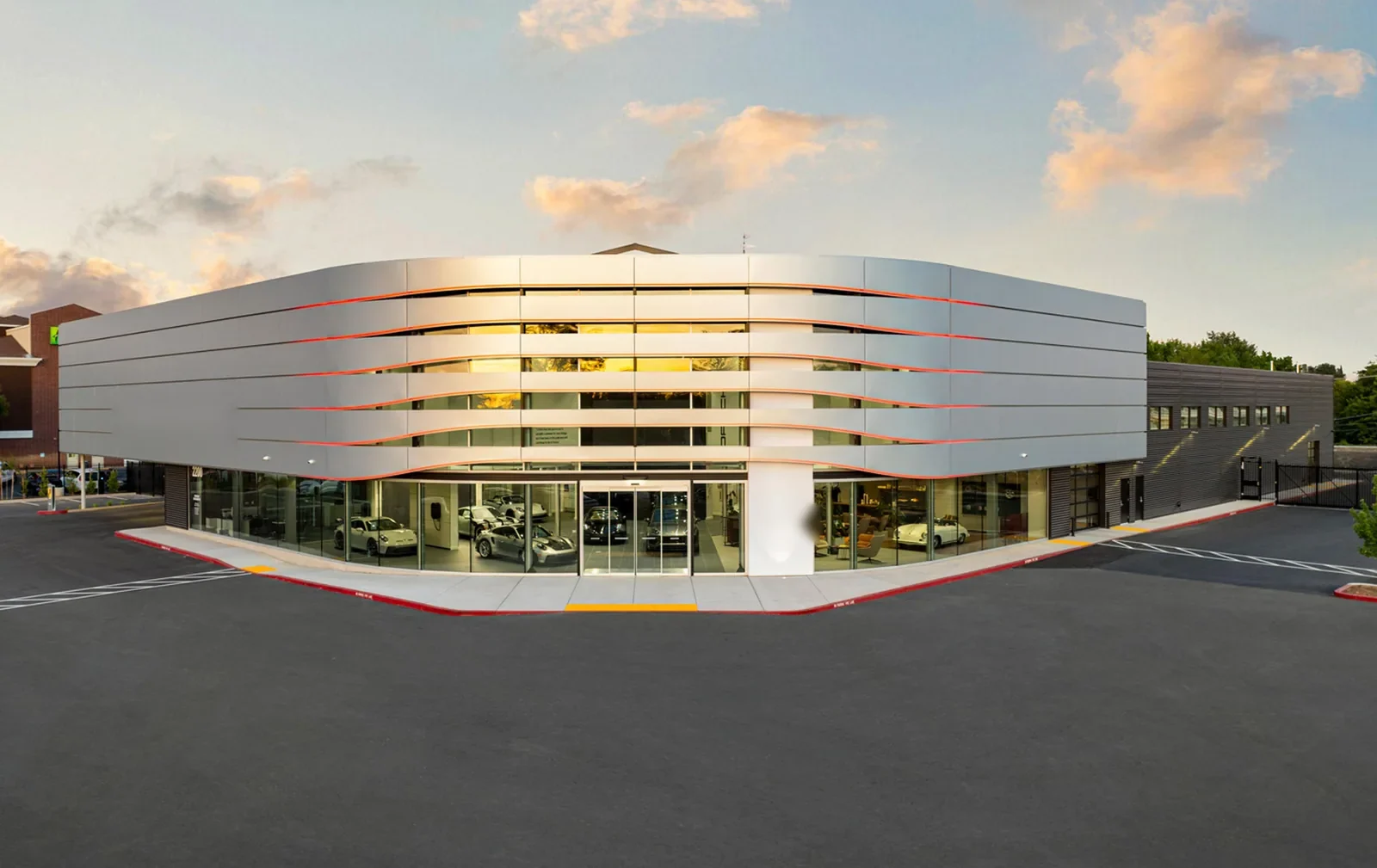
Plan dealership roof repair and replacement in Pueblo, CO around vehicle display, service bays, customer entrances, rooftop equipment, and delivery schedules.
A service-bay leak and a showroom stain call for different protection plans, even when they share one roof. We identify the assembly above each report, inspect curbs, seams, drains, edge transitions, and prior repairs, then map the work boundary against vehicle movement and customer access. Before a crew stages a lift or materials, the dealer contact can identify delivery periods, service appointments, display areas, and any aisle that must remain clear.
Pueblo has retail settings along several corridors. Pueblo Crossing Retail Center combines shops and restaurants; on Pueblo’s Eastside, access to commercial goods and employment is a neighborhood priority. Pueblo West has retail and service-commercial activity concentrated along Highway 50. These facts speak to local circulation and commercial context, not the location or tenant mix of a particular dealership. We confirm the site’s gate, lot, receiving, and service-bay conditions directly, then set a daily stop point that protects the vehicles and keeps the open roof area watertight.
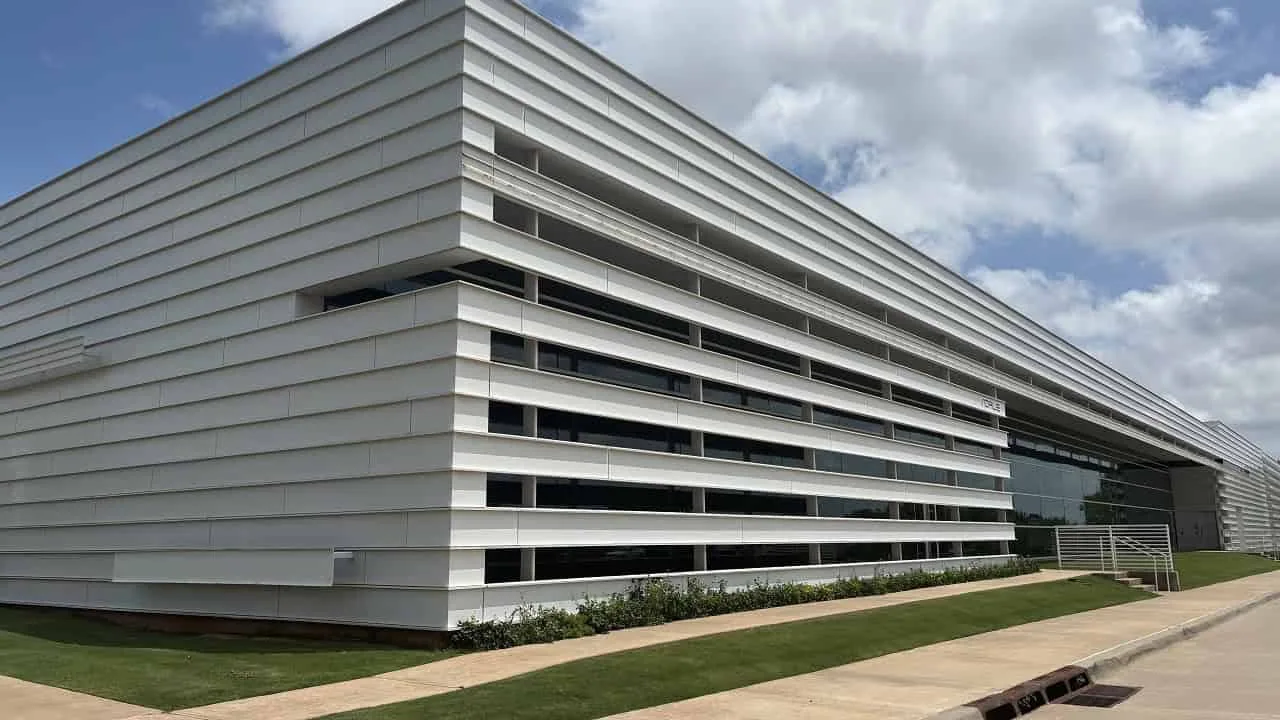
Which dealership roof details need inspection?
Service departments can have exhaust, ventilation, plumbing, and utility penetrations that differ from the showroom roof. We check whether a leak aligns with a curb, vent, edge, roof-to-wall transition, or drain and trace the likely path before recommending a patch. A membrane failure may appear near a vehicle lift while water entered elsewhere, so the work order should connect the reported area to the inspected zone and identify any uncertainty.
Measure the proposed repair and note whether roofing around a mechanical replacement needs to be disturbed. A roof condition inspection can map the assembly and visible defects. If a curb or support is involved, equipment curb coordination sets the roofing handoff with the mechanical work. For a large sales floor with several stock and loading areas, big-box roof planning uses related zone concepts, though a dealership’s service bays and vehicle circulation should guide its own access sequence.
How can the work avoid interrupting vehicle flow?
Map where customers arrive, where vehicles are received, and how repair orders move from the service drive to the shop. A lift, crane, or material drop might affect a display row, test-drive path, or service entrance even if the roof work is above a different bay. The dealer decides which areas can close and when. We use that schedule to choose a roof zone, define ground protection, and keep emergency access and accessible parking routes clear.
For a large roof project, a phased sequence can keep part of the operation available while another zone is removed and dried in. Occupied-building roofing can set daily closure points and interior protections, while an urgent stabilization visit addresses active water entry before a permanent scope is approved. Pueblo West’s Highway 50 corridor has retail, service-commercial, and light-industrial uses; for a dealership located in that broader market, the fact is context for access planning, not confirmation of the property’s frontage or delivery setup.
Should a dealer repair or renew the roof?
One failed flashing or seam can be repaired when the adjacent membrane and insulation provide a sound tie-in. If problems recur above separate departments, the surface has multiple generations of patches, or moisture appears beyond one area, compare repair with recover or replacement. We inspect field material, attachment, drainage, edges, and equipment details before presenting options. A roof condition report should distinguish confirmed wet material from an area that only needs monitoring.
A defined repair scope can list the confirmed detail, material, access window, and limits. A replacement plan can compare broader work by removal, insulation, membrane, tie-ins, and phased access. A recover is considered only if the existing assembly and substrate support it. Work around a vehicle wash or service exhaust may require coordination with dealership trades, but concealed damage is documented and priced for approval rather than added without a clear work boundary.
What seasonal conditions affect a dealer roof schedule?
Pueblo’s summer roof temperatures and winter snowfall change material handling, crew timing, and drainage observations. Pueblo’s first measurable snowfall averages November 5. As winter approaches, we compare surface temperature, moisture, and the forecast with the selected system’s application limits before opening a roof zone. We set a removable-area limit, protect the exposed assembly, and establish when the dealer needs an update if weather shifts the sequence.
Snowmelt can reveal slow drains or a low point that remains unnoticed during dry periods. Check the outlet, membrane, and slope together before deciding whether the issue calls for cleaning, repair, or broader correction. Drain and scupper work can be scoped independently when an outlet is the confirmed concern. Before fixing replacement details, the property team verifies whether Pueblo Regional Building Department reviews the parcel and which current amendments apply to the 2021 IBC, IEBC, and IECC.
Which details should be in the dealership closeout?
Give the facilities or service manager a record of the zones completed, materials and roof details installed, photographs, and any condition left outside the authorized scope. Note whether the affected showroom, service bay, or customer route can return to normal use and whether a separate area needs inspection. A limited patch should not be described as a full roof renewal; precise wording lets the next service manager understand what was actually completed.
A separate maintenance visit can review drains, curbs, and repair edges before the next season. Owners managing vehicle inventory buildings alongside flex space can compare flex-industrial roof planning, where tenant and loading configurations may differ. Local retail access facts can help frame a delivery conversation, but the closeout should be tied to this property’s actual gate and lot plan. We leave the dealer contact with a clear record and next step, whether that is monitoring, a follow-up inspection, or a separately approved repair.
Before the last work zone closes, confirm that repair-order traffic, parts receiving, and customer drop-off can return to their normal routes. Record any temporary fence, lot marking, or covered vehicle area that must be removed, and identify the manager who accepts the completed scope. If another trade will return to modify a curb or rooftop unit, keep that handoff visible in the closeout instead of assuming the roof detail will remain untouched.
Commercial Roofing Questions
Can service bays remain open while the roof is repaired?
They may remain available if the affected roof and floor area can be isolated safely. We mark which bay or route is involved and coordinate the access window with the service manager. If a lift, debris path, or noisy removal would interfere, the scope should identify a different window rather than leave staff to redirect vehicles unexpectedly.
How do you protect vehicles below an active roof area?
The work plan identifies interior or vehicle protection, the zone directly below the opening, and how materials or debris will move. The dealer confirms where vehicles can be relocated and whether display or service areas must stay accessible. Protection is then checked against the actual scope and the day’s conditions.
When should a dealership consider a replacement instead of another patch?
Repeated failures across separate roof zones, wet insulation beyond an isolated detail, or deteriorated tie-ins can justify a larger comparison. We document what inspection confirms and compare repair, recover, or replacement by measurable area, assembly, and operational phasing.
What should be ready for the dealership roof walk?
Bring the service schedule, vehicle and delivery routes, access rules, recent leak reports, and any prior roof work records. Identify the person who can approve a temporary bay or lot restriction. Those details let us tie roof findings to a workable sequence.
Plan the inspection with dealership operations
Share service and delivery windows, lot access rules, leak reports, and prior roof records. We will map each affected zone and its vehicle and customer protection plan.
Call 555-555-5555 or email [email protected].